Shutter Speed in Photography: Freezing & Blurring Motion
Last updated June 1, 2026 by Edin Chavez — 15+ years shooting weddings, corporate events, and landscapes.
 Save
SaveWhat shutter speed actually does
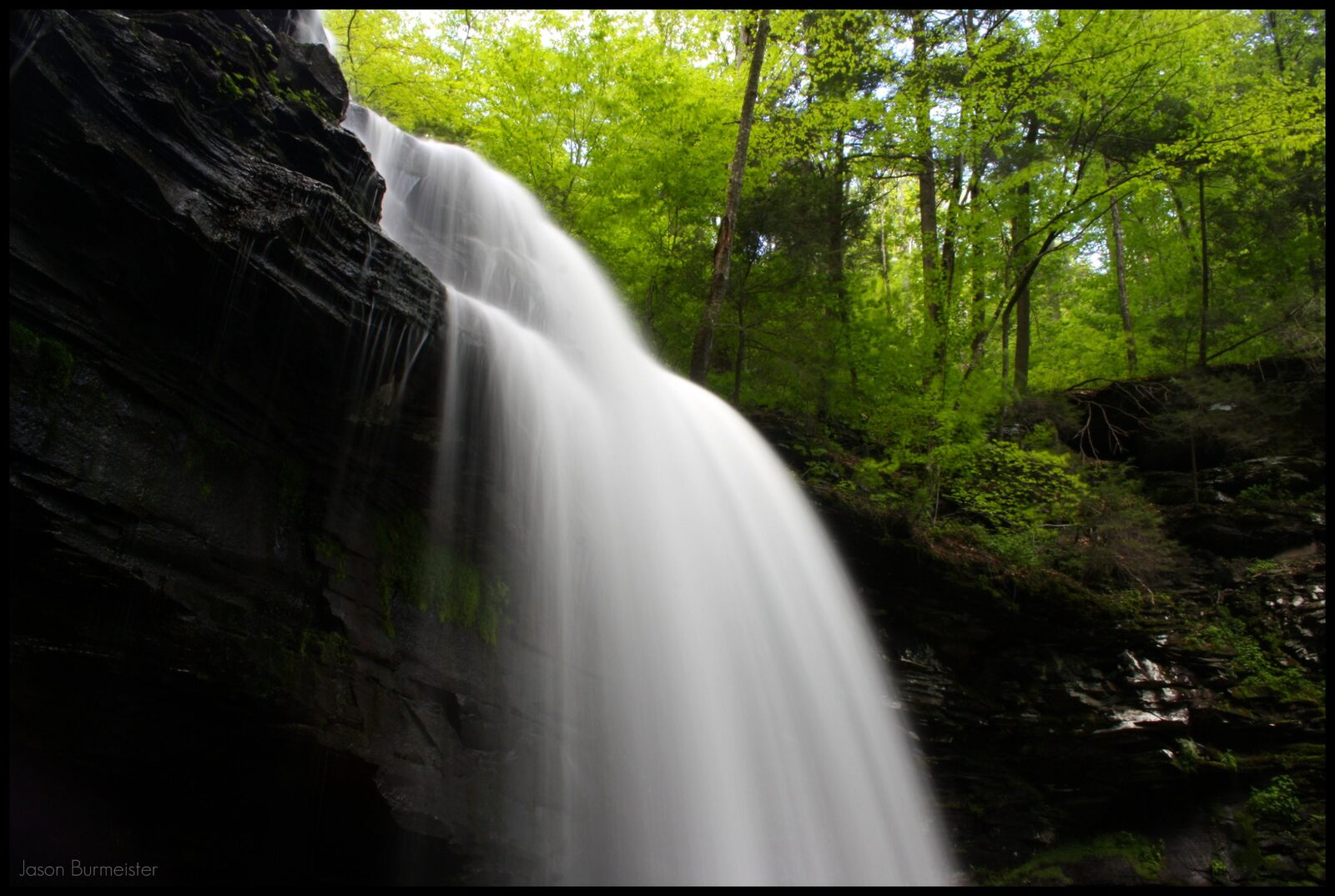
Shutter speed is how long your sensor sees light. Fast shutter (1/2000 of a second) freezes a hummingbird’s wings. Slow shutter (1/4 second) turns a waterfall into silk. Everything in between is just degrees of motion.
Shutter speed controls two things at once: how much motion shows in the frame, and how much light reaches the sensor. Double the shutter speed and you halve the light. Halve the shutter speed and you double the light. That’s why shutter, aperture, and ISO are called the exposure triangle — they all measure light in the same units (stops), and they all trade off against each other.
The working photographer’s mental model: shutter speed is a motion decision first, an exposure decision second. Pick what motion you want, then balance aperture and ISO to make the exposure work.
The shutter speed scale, plainly
Standard full stops on the shutter speed scale (in fractions of a second):
1/8000 — 1/4000 — 1/2000 — 1/1000 — 1/500 — 1/250 — 1/125 — 1/60 — 1/30 — 1/15 — 1/8 — 1/4 — 1/2 — 1s — 2s — 4s
Each step doubles or halves the exposure time. Modern cameras let you set 1/3-stop increments (1/200, 1/320, 1/400) for fine exposure tuning, but the full-stop scale above is what photographers think in.
Modern mirrorless cameras can go to 1/8000 mechanical and 1/32000 with the electronic shutter. On the long end, “Bulb” mode lets you hold the shutter open as long as you want — 10 minutes for star trails, 30 seconds for typical long exposures.
The reciprocal rule and why it still matters
For handheld shooting, the old rule is: shutter speed should be at least 1 over your focal length. A 50mm lens needs 1/50 minimum. A 200mm needs 1/200. A 24mm can usually get away with 1/30.
This rule was written for full-frame and 35mm film. For crop sensors, multiply by the crop factor — a 50mm on APS-C behaves like a 75mm field of view, so 1/80 minimum. On Micro Four Thirds, 1/100 for a 50mm.
Image stabilization changes the math. Most modern bodies advertise 5-7 stops of IBIS, meaning you can theoretically handhold at 1/2 second on a 200mm. In practice, factor in your own steadiness and the subject. IBIS stabilizes the camera, not your subject — a sleeping cat at 1/15 looks great; a kid moving at 1/15 is mush no matter how steady the body.
Shutter speed for action — what actually freezes motion
 Save
Save| Subject | Minimum Shutter | Sharp Shutter |
|---|---|---|
| Static portrait, posed | 1/125 | 1/250 |
| Walking person | 1/250 | 1/500 |
| Kids playing, dancing | 1/500 | 1/1000 |
| Pet running, dog mid-jump | 1/1000 | 1/2000 |
| Cyclist, runner mid-sprint | 1/1000 | 1/2000 |
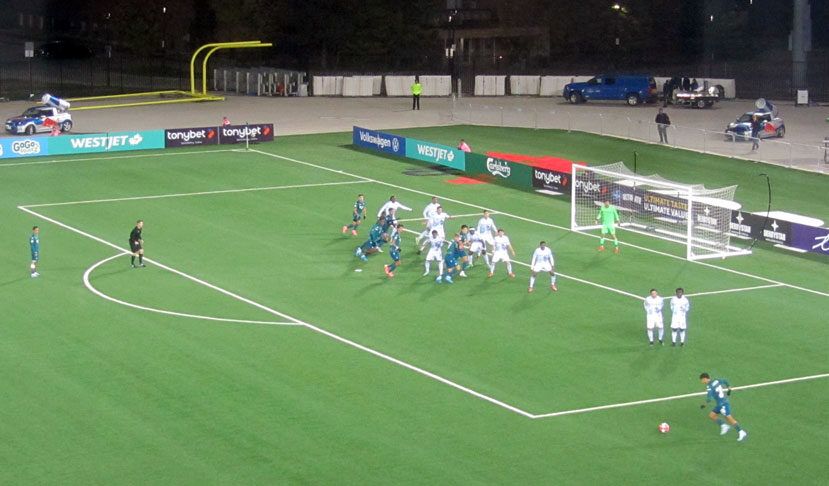
| Soccer, basketball, hockey | 1/1000 | 1/2000 |
| Tennis, baseball swing | 1/2000 | 1/4000 |
| Birds in flight | 1/2000 | 1/3200 |
| Hummingbird wings frozen | 1/4000 | 1/8000 |
| Car at highway speed | 1/2000 | 1/4000 |
| Splash, water droplet | 1/4000 | 1/8000+ flash |
| Wedding first dance | 1/200 | 1/500 |
“Minimum shutter” is what stops most motion blur most of the time. “Sharp shutter” is what makes the image look professionally crisp at 100% pixel level.
Shutter speed for intentional blur — when slow is the right call
Some of the strongest photographs use slow shutter as a deliberate technique. Five working techniques:
- Silky water (waterfalls, ocean). 1/4 to 2 seconds, tripod, neutral density filter. The water turns into a smooth ribbon while rocks stay sharp.
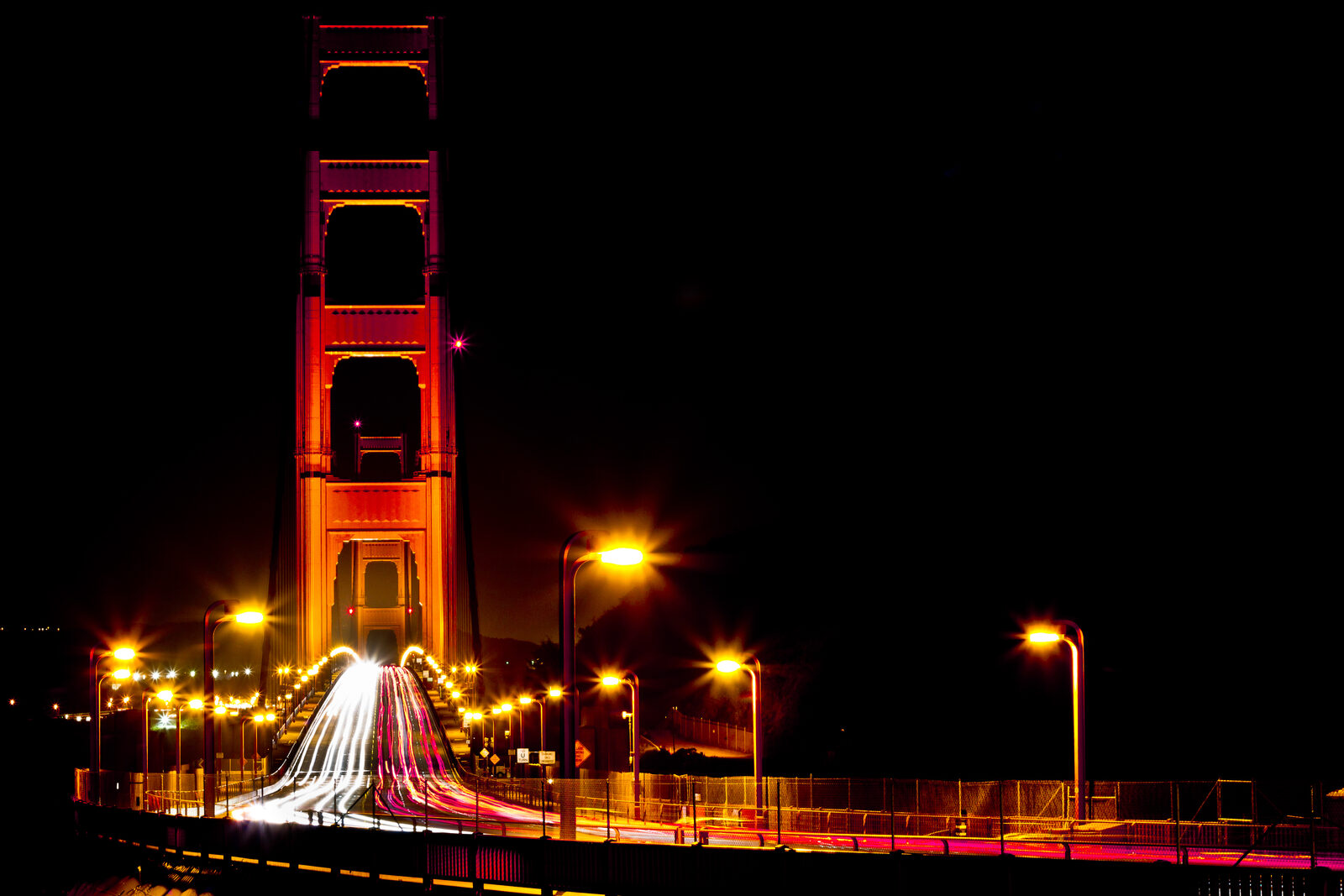
- Light trails (cars, fireworks). 5-30 seconds, tripod, low ISO, f/8-f/11. Headlights become streaks.
- Panning (motorsports, cycling). 1/30 to 1/125 while tracking the subject. Subject sharp, background streaked. Hardest technique on this list — expect a 1-in-10 keeper rate until you practice it.
- Crowd blur in cities. 1/2 to 4 seconds, tripod, daylight ND filter. Sharp architecture, blurred people walking through.
- Astrophotography star trails. 30 seconds to several hours. The stars draw arcs as the earth rotates.
Each of these requires a tripod (except panning) and most require a neutral density filter to keep exposure manageable in daylight.
Long exposure — the full workflow
For exposures longer than 1/4 second handheld is impossible. The setup that works every time:
- Mount the camera on a sturdy tripod. Browse tripods at B&H.
- Switch to manual mode. ISO 100, aperture f/8-f/11.
- Use a 6-stop or 10-stop ND filter for daylight long exposures.
- Compose and focus before adding the ND filter (10-stop filters are basically opaque).
- Switch lens to manual focus to prevent focus hunting.
- Use a 2-second shutter delay or remote release to avoid camera shake from pressing the button.
- Turn off image stabilization on the lens (IBIS can introduce blur when there’s nothing to stabilize against).
For exposures over 30 seconds, switch to Bulb mode and use an intervalometer to time precisely. Most modern bodies have built-in intervalometers; older bodies need a wired remote.
Sync speed — the wedding photographer’s secret enemy
When you add flash to your shot, shutter speed has a maximum it can sync at. This is the “sync speed,” usually 1/200 or 1/250 on most cameras. Push beyond it and a black band appears across the frame where the shutter curtains haven’t fully opened.
High-speed sync (HSS) lets you go past this — up to 1/8000 with the right flash unit — but at a significant cost in flash power. For most outdoor portraits with off-camera flash on a sunny day, HSS at 1/2000 lets you shoot at f/2.8 wide open without overexposing. It’s the only way to get shallow depth of field in midday sun with flash.
Common shutter speed mistakes
- Handholding too slow. If your event photos look soft at 100% but your eyes were sharp on the focus point, you’re below the reciprocal rule. Push shutter up and ISO with it.
- Not turning off IS/IBIS on tripod. Stabilization systems can vibrate against themselves when there’s no motion to detect. Turn it off for any tripod work.
- Exceeding sync speed with flash. If you’re getting a dark band across the frame in flash photos, you’re past sync speed. Drop shutter to 1/200 or enable HSS on your flash.
- Using 1/15 to “save” the ambient at events. You’ll get blurry guests in 9 of 10 frames. Push ISO instead.
- Ignoring electronic shutter rolling distortion. Fast-moving subjects shot with the electronic shutter show diagonal warping. For sports, propellers, helicopter rotors — use mechanical shutter.
Shutter speed in different camera modes
- Shutter priority (S on Sony/Nikon/Fuji, Tv on Canon) — you pick shutter, camera handles aperture. Useful for sports, action, and any scenario where freezing motion is the priority.
- Aperture priority (A on Sony/Nikon/Fuji, Av on Canon) — you pick aperture, camera handles shutter. Useful for portraits, landscapes, and any scenario where depth of field is the priority.
- Manual (M) — you pick both. Useful for studio work, long exposures, and any scenario where consistent exposure across multiple shots matters more than convenience.
- Manual + auto-ISO — the hybrid that wins most event scenarios. You pick aperture and shutter, camera adjusts ISO. Combines creative control with adaptation to changing light.
Mechanical vs electronic shutter — what’s actually different
Mechanical shutter uses physical curtains; electronic shutter reads the sensor row by row. The trade-offs:
- Mechanical: Max 1/8000 on most bodies. Has a sound. Slight vibration possible. No rolling shutter distortion. Sync speed 1/200-1/250.
- Electronic: Up to 1/32000 on recent bodies. Silent. Zero vibration. Rolling shutter distorts fast subjects diagonally. No flash sync above sync speed (depending on body).
- Global electronic shutter (Sony A9 III) — eliminates rolling shutter entirely, but requires specialized stacked sensor design.
For sports and wildlife with mechanical-shutter cameras, use mechanical to avoid rolling shutter. For ceremonies, quiet observations, and tripod work, electronic shutter is the silent professional choice.
Shutter speed and the exposure triangle
Shutter speed completes the triangle alongside aperture and ISO. Each one stop change exactly doubles or halves exposure. Drop shutter from 1/500 to 1/250 and you’ve doubled the light reaching the sensor — to keep the same exposure, close aperture by one stop (f/4 to f/5.6) or drop ISO by one stop (1600 to 800).
In shutter priority mode, the camera handles aperture. Combined with auto-ISO, you only pick the shutter — useful for sports where freezing the subject is the only thing that matters.
 Save
SaveFrequently asked questions
What is the best shutter speed for portraits?
1/250 is the safe baseline for posed portraits. Drop to 1/125 only if you’re on a tripod or your subject is completely still. For groups with kids, push to 1/500 to handle micro-movements.
What shutter speed freezes water droplets?
1/4000 to 1/8000 freezes individual droplets in mid-air. With flash, the flash duration freezes faster than the shutter — high-end studio strobes have flash durations of 1/10000 or shorter, which is what splash and product photographers use.
How slow a shutter can I handhold?
The reciprocal rule says 1 over your focal length (1/50 for a 50mm, 1/200 for a 200mm). With image stabilization, you can extend this 2-5 stops in theory — 1/15 on a 200mm is achievable on modern IBIS bodies for static subjects. Subject motion still requires a faster shutter regardless of stabilization.
What is sync speed and why does it matter?
Sync speed is the fastest shutter speed your camera can use with flash before the shutter curtains create a dark band across the frame. Most cameras sync at 1/200 or 1/250. High-speed sync (HSS) lets you go faster but costs flash power. For outdoor portraits with flash in bright sun, HSS at 1/2000 lets you shoot wide open without overexposing.
When should I use shutter priority instead of aperture priority?
Use shutter priority when freezing or controlling motion is your priority — sports, action, kids, pets, any moving subject. Use aperture priority when depth of field is your priority — portraits, landscapes, anything static. For event work that mixes both, manual mode with auto-ISO gives you full control over shutter and aperture while the camera handles exposure.
Shutter speed sub-topics — go deeper
Shutter speed for sports
Sport-by-sport minimum shutter speeds, electronic vs mechanical shutter for action, when 1/8000 is overkill.
Long exposure photography
Daylight ND techniques, blue hour star points, the full waterfall workflow with sample settings.
Shutter speed for portraits
Why 1/250 is the baseline, how to lock sync speed with off-camera flash, when to use HSS in midday sun.
Panning technique
Step-by-step panning for motorsports and cycling — body mechanics, lens choice, the exact shutter range that works.
Shutter priority mode
How to set shutter priority with auto-ISO for the smoothest sports workflow on Sony, Canon, Nikon, and Fuji.
Next steps
The fastest way to internalize shutter speed is to shoot the same moving subject at five different shutter speeds. Find a friend walking, a fountain, or a passing car. Shoot at 1/4000, 1/1000, 1/250, 1/60, 1/15. Look at the motion in each frame. You’ll feel the relationship between shutter speed and motion in your gut, not just your head.
For a structured path through the exposure triangle, Shut Your Aperture School covers shutter, aperture, and ISO with video lessons and hands-on exercises. 1,200+ students, 4.9/5 stars, 30-day guarantee. For faster post-processing, our Lightroom preset packs are built around specific shooting scenarios so you spend less time at the computer.
Step 2: Stabilize for Long Exposures
Manual shutter speeds at slow values demand a sharp tripod. Our buyer guide ranks the tripods that won't fail you at 2-second exposures.