It’s March 2026, and the "Great Camera War" between Sony and Canon is still going strong. If you walk into any photography meetup or scroll through a gear forum, you’ll find people defending their brand choice like it’s a family heirloom. But here’s the truth: both companies are making absolutely insane cameras right now. The "best" camera isn't the one with the most megapixels on paper; it’s the one that doesn't get in your way when you're trying to capture a moment.
Whether you are looking for photography for beginners or you're a seasoned pro looking to upgrade your kit, choosing between these two giants can feel like picking a favorite child. Let’s break down the current state of the mirrorless market and see which brand actually deserves your hard-earned cash this year.
The State of Mirrorless in 2026
Back in the day, Sony had the mirrorless market all to themselves. They were the innovators, the tech-obsessed underdogs who forced the industry to change. Fast forward to today, and Canon has not only caught up but, in some specific areas, they’ve even jumped ahead.
Sony continues to push the envelope with sensor technology and AI-driven features. Canon, on the other hand, has perfected the user experience, offering ergonomics and color science that many photographers swear by. We’re at a point where the best mirrorless cameras from both brands are so capable that you really can’t make a "wrong" choice: but you can definitely make a "better" one for your specific style.
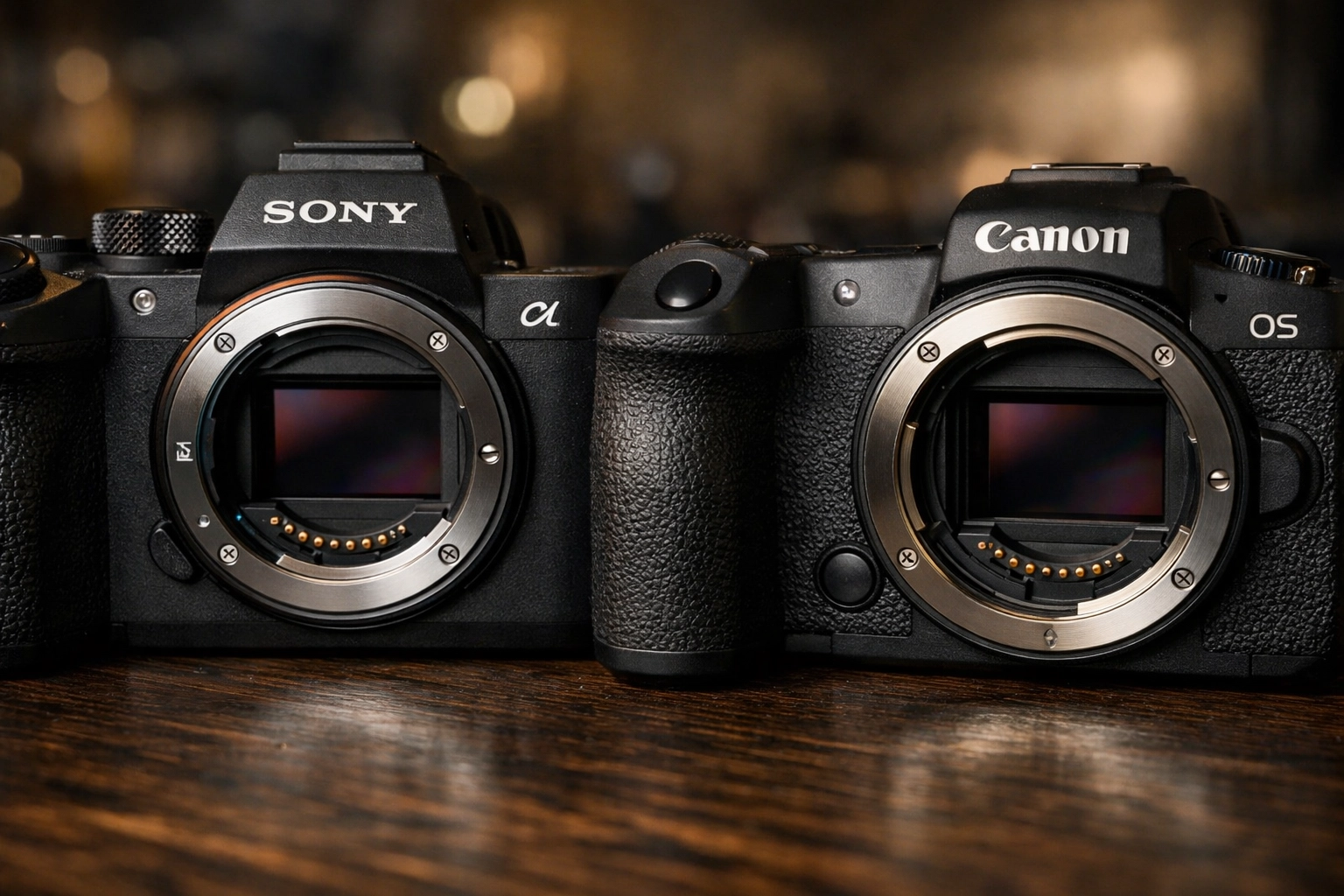
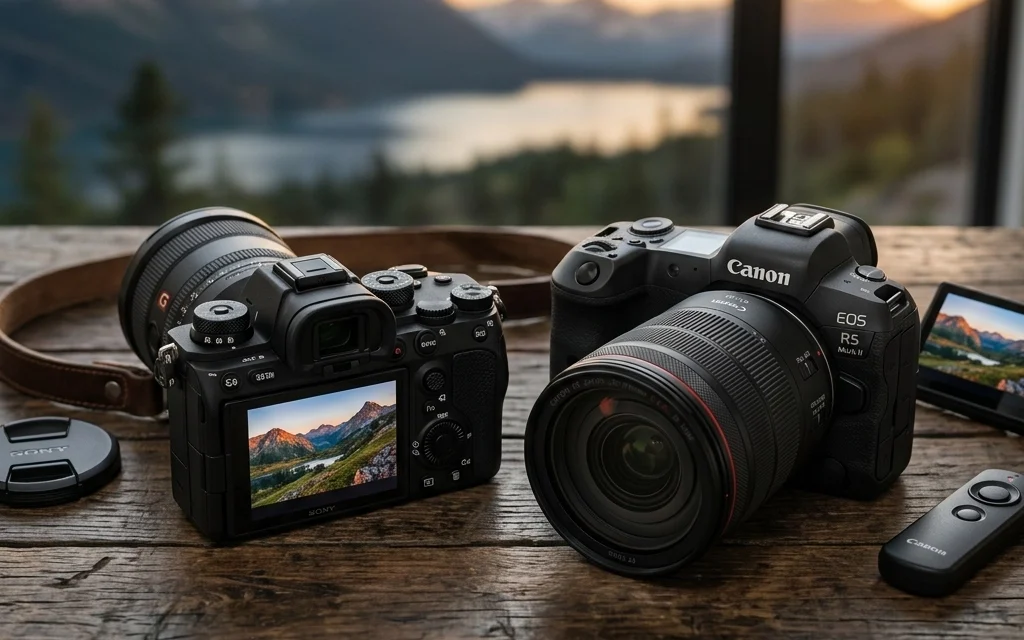
Alt text: A close-up of a Sony A1 II and a Canon EOS R5 II sitting side-by-side on a wooden table, highlighting the different lens mounts and body designs.
Speed vs. Precision: The Autofocus Battle
If you’ve spent any time looking at camera gear reviews, you know that autofocus is usually the first thing people talk about. In 2026, both brands use AI to track subjects, but they do it slightly differently.
Canon’s Need for Speed
Canon has doubled down on raw speed. If you are into wildlife or sports, Canon is currently edging ahead. Even their mid-range models are hitting 15 frames per second with mechanical shutters, and their high-end bodies like the Canon EOS R3 are monsters for action. Canon’s Eye-Control AF: where the camera focuses wherever you look in the viewfinder: has matured into a feature that actually works consistently now.
Sony’s AI Intelligence
Sony might not always win the "frames per second" war on every model, but their AI-powered subject tracking is still the gold standard for precision. Sony’s Real-time Tracking can distinguish between a bird’s eye, an insect’s wing, or even the front of a train. It’s "sticky" in a way that feels almost like cheating. For portrait photography techniques, having a camera that never misses the eye, even at f/1.2, is a total game-changer. You can find more deep dives into these tech specs over at PhotoGuides.org.
Low-Light Performance: The Night Owl’s Choice
When the sun goes down, Sony traditionally takes the crown. Their back-illuminated (BSI) sensor technology is integrated across almost their entire lineup. This means that even the more affordable Sony cameras handle high ISO noise better than some of Canon’s mid-range offerings.
If your vibe is street photography ideas at night or capturing the Milky Way, Sony’s sensors provide a bit more dynamic range in the shadows. This allows you to pull more detail out of your raw files during your photo editing tutorials sessions. Speaking of editing, if you find yourself struggling with noise or color grading, using a powerful tool like Luminar can help balance those low-light shots regardless of which brand you shoot.
The Lens Ecosystem: Where You Spend the Real Money
You don't just buy a camera body; you buy into a system. This is where the two brands diverge significantly.
- Sony’s Open House: Sony has been in the full-frame mirrorless game the longest. Because they opened their lens mount specifications to third-party manufacturers early on, you can buy incredible glass from Sigma, Tamron, and Samyang at a fraction of the price of Sony’s "G Master" lenses. This makes Sony the better choice for photography for beginners on a budget.
- Canon’s Premium Glass: Canon’s RF lenses are, quite frankly, some of the best pieces of glass ever made. Lenses like the RF 28-70mm f/2 are engineering marvels. However, Canon has been more restrictive with third-party manufacturers. If you want the best Canon glass, you usually have to pay the "Canon tax."
If you are looking for high-end prints of what these lenses can do, check out some of the work over at Edin Fine Art to see the level of detail modern glass can achieve.
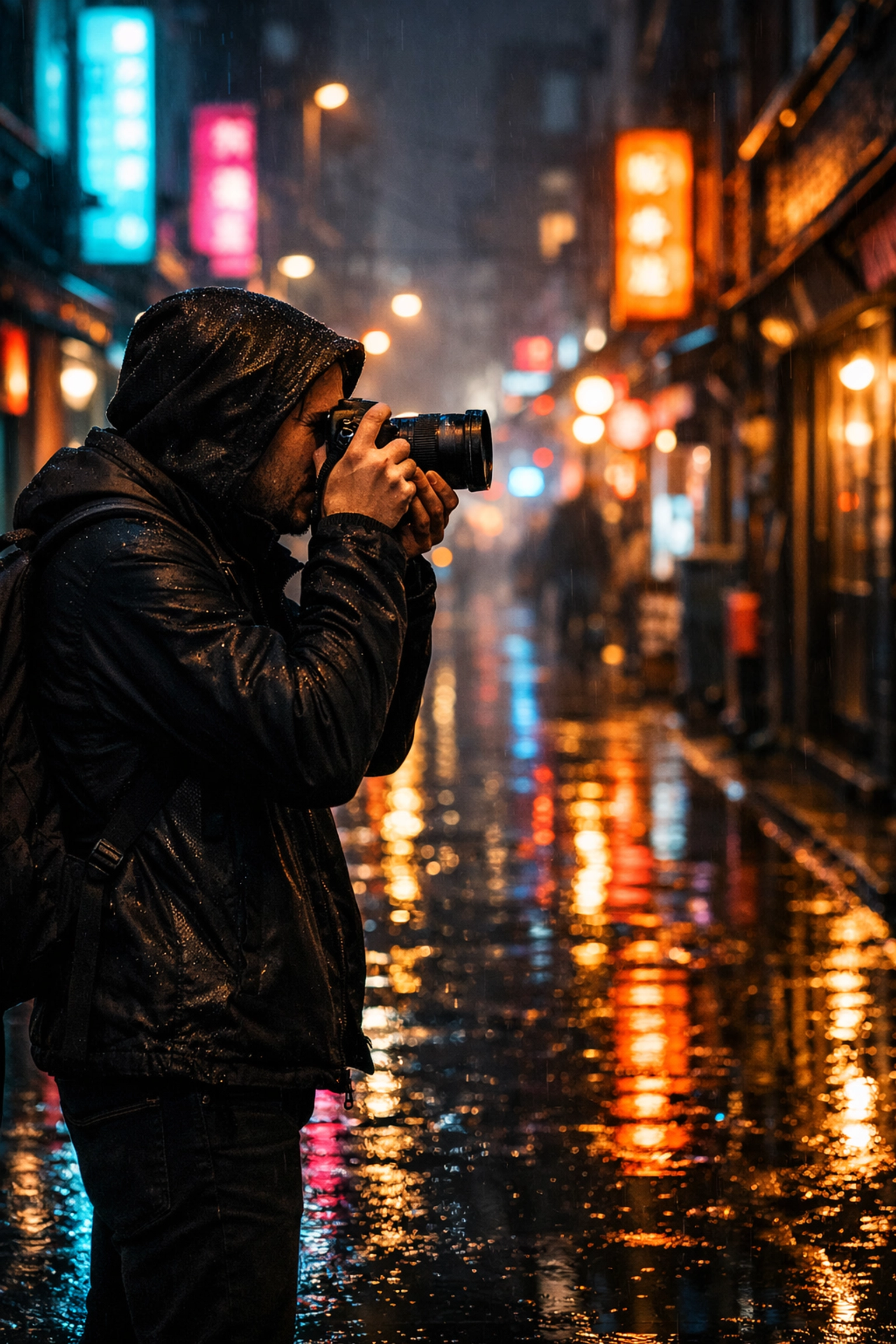
Alt text: A photographer standing in a neon-lit city street at night, holding a mirrorless camera, demonstrating street photography ideas and low-light performance.
Video Production: Hybrid or Cinema?
The line between a photographer and a videographer has completely blurred in 2026. If you're a "hybrid" creator, this choice is tough.
Sony cameras are basically mini-cinema cameras. Most of them include S-Log3 and S-Cinetone profiles, and you can even upload your own LUTs (Look-Up Tables) directly into the camera. This makes the workflow for professional video production seamless. If you're looking to level up your video game, ProShoot.io has some great resources on professional setups.
Canon, however, is the king of "straight out of the camera" color. Their skin tones are legendary. For vloggers or casual creators who don't want to spend hours color grading, Canon is often the preferred choice. Check out our list of the best vlogging cameras to see where the latest Canon models rank.
Ergonomics and User Experience
How a camera feels in your hand matters more than most people admit.
- Canon: Known for deep, comfortable grips and an intuitive menu system. If you have larger hands, you’ll likely prefer the feel of a Canon body. Their touchscreens are also generally more responsive.
- Sony: Sony focuses on being compact and modular. Their bodies are often smaller and boxier. While they’ve improved their menus significantly in the last couple of years, some still find them a bit like navigating a spaceship's computer.
Regardless of which you choose, keeping your gear in top shape is essential. Don't forget to check out our camera maintenance guide to keep your sensor clean and your buttons clicking.
Landscape Photography: The High-Megapixel War
For those who live for the "golden hour," the choice usually comes down to resolution and weather sealing. Both the Sony A7R series and the Canon R5 series offer high-megapixel counts (60MP+) that are perfect for massive prints.
If you’re out in the elements, Canon’s weather sealing is often cited as being slightly more robust. But Sony’s sensor readout speed helps minimize rolling shutter if you're doing handheld landscapes. For more on this, read The Ultimate Guide to Landscape Photography Tips.
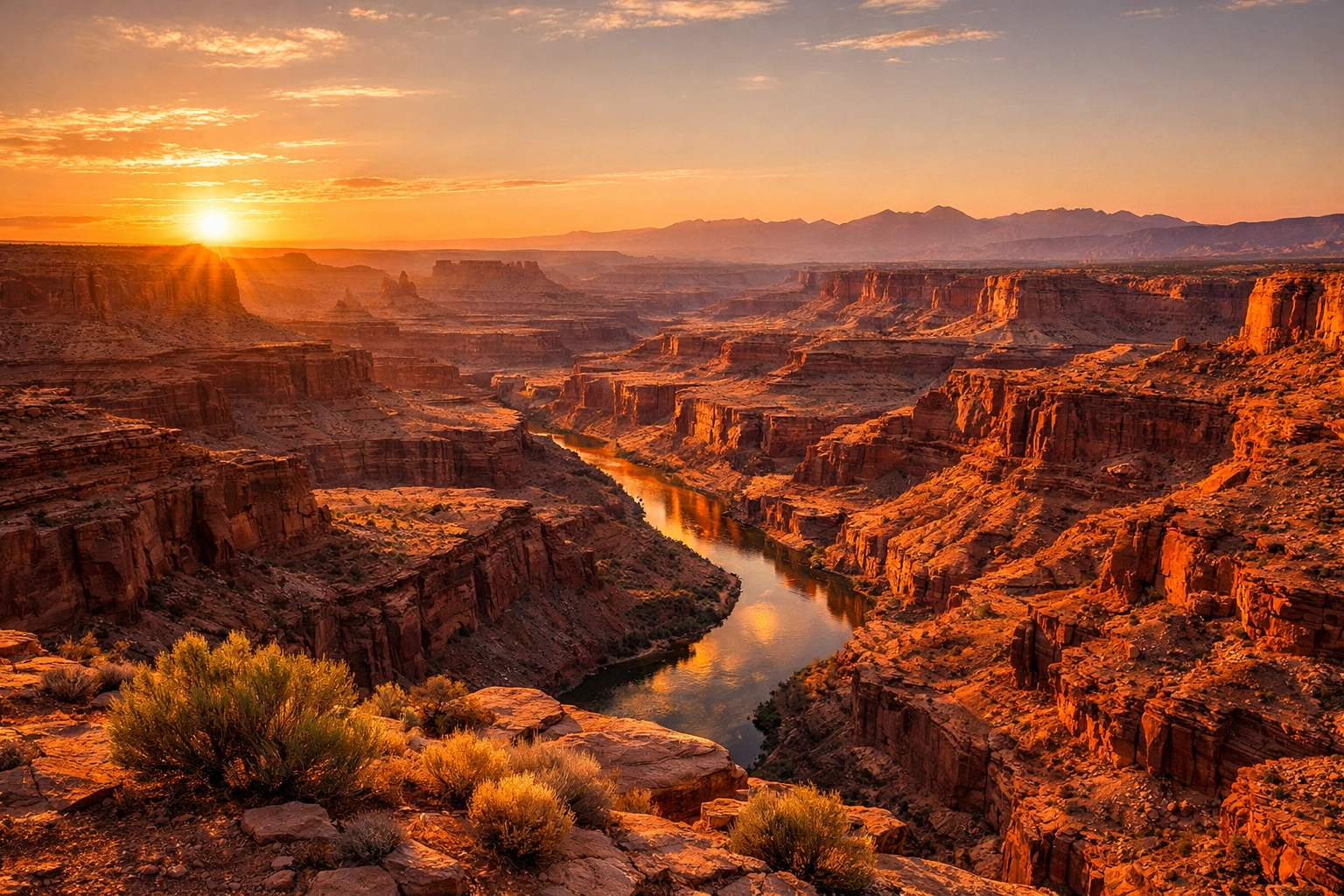
Alt text: A stunning wide-angle landscape shot of a canyon at sunrise, illustrating landscape photography tips and high-resolution sensor capabilities.
Photography News: What's New in 2026?
The biggest photography news this year has been the integration of "Generative AI" directly into the camera's firmware. We aren't talking about "fake" images, but rather AI that helps with real-time noise reduction and "Pre-Burst" modes that capture images before you even fully press the shutter button.
Sony’s latest firmware updates have focused on "Cloud-to-Camera" integration, allowing you to upload your shots to a server the second you take them. Canon has focused on "Computational Raw" files, which combine multiple exposures in-camera to give you insane dynamic range without the need for a tripod. You can keep up with more of these updates on the Edin Chavez Blog.
Photography for Beginners: Which Should You Buy First?
If you’re just starting and learning how to use manual mode camera, the choice is less about the specs and more about the learning curve.
- Go Canon if: You want a camera that feels natural and has a "friendly" menu that explains what different settings do. The Canon R10 or R50 are fantastic entry points.
- Go Sony if: You want to save money on lenses in the long run. Buying a used Sony A7 III or a new A6400 gives you access to a world of affordable glass that can grow with you.
For those just starting out, we have a whole library of photography tutorials to help you get past the "Auto" mode.
Portrait and Street Photography
For portrait photography techniques, the lens matters more than the body. Canon’s 85mm f/1.2 is arguably the best portrait lens ever made, but Sony’s 85mm f/1.4 GM II is lighter and faster to focus.
For street photography ideas, Sony’s smaller form factor is a huge advantage. A Sony A7C II with a small prime lens is much less intimidating to people on the street than a chunky Canon R5. If you're looking for a studio space to test out your new gear, Edin Studios offers some of the best rental spaces for creators.
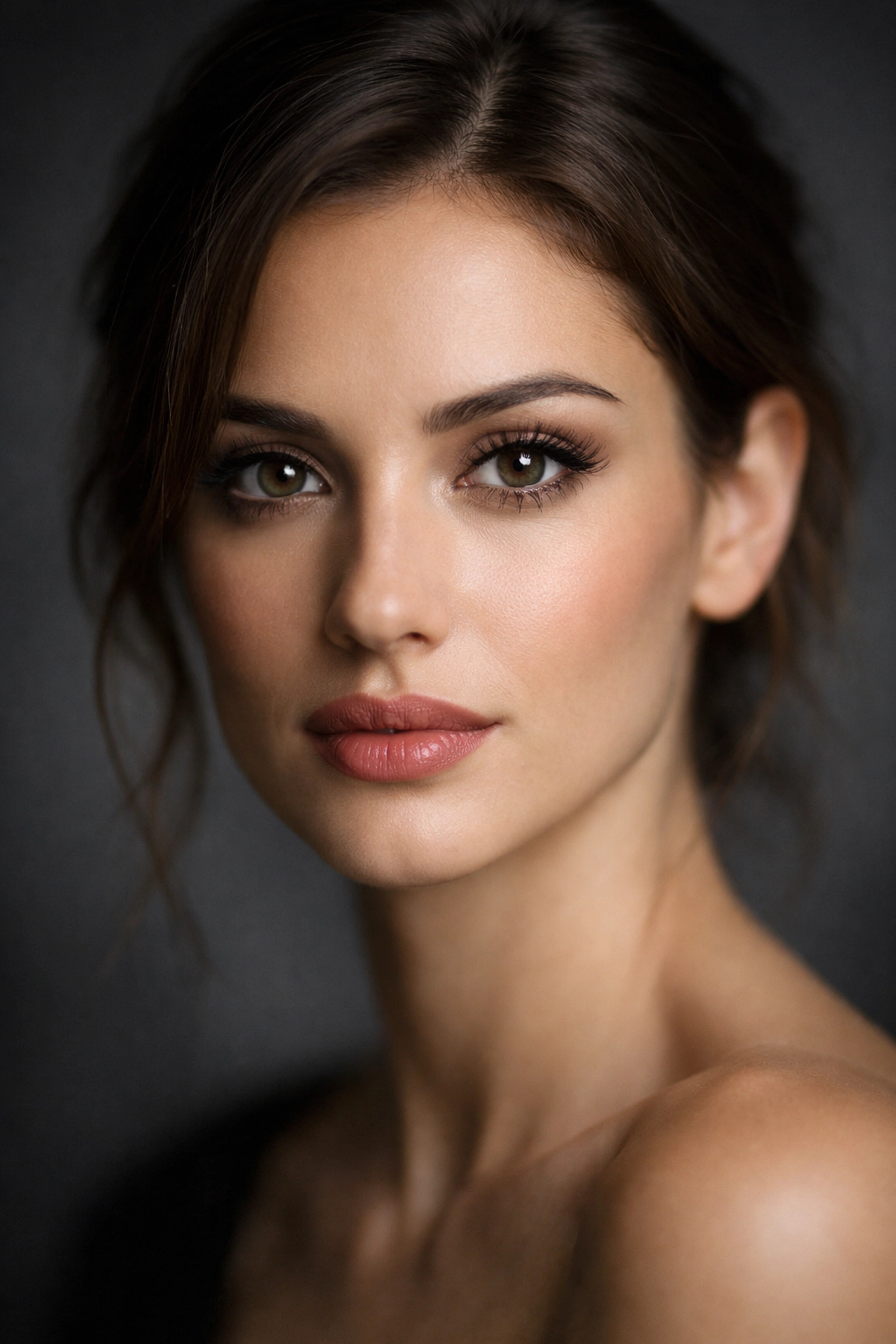
Alt text: A portrait of a model in a studio setting with soft lighting, demonstrating portrait photography techniques and shallow depth of field.
Photo Editing and Post-Processing
No matter which camera you choose, the raw file is just the beginning. The "Sony vs. Canon" debate often ends at the computer screen. Canon files tend to be a bit "warmer" and "redder," while Sony files are "cooler" and "greener."
Most modern photo editing tutorials will show you how to match these colors anyway, but if you want to save time, using AI-powered software like Luminar can automatically correct these color casts with one click.
The Bottom Line: Which is Better for You?
So, who wins in 2026?
Choose Sony if:
- You do a lot of video and need professional cinema features.
- You are on a budget and want access to third-party lenses (Sigma/Tamron).
- You need the absolute best AI tracking for fast-moving subjects.
- You do a lot of low-light or astrophotography.
Choose Canon if:
- You love the "Canon colors" and want great results with minimal editing.
- You prefer a camera with a comfortable, ergonomic grip.
- You need extreme burst rates for sports and wildlife.
- You want the highest-end, "money is no object" lenses.
For a deeper look into the specific models, you can check out our camera comparison insights.
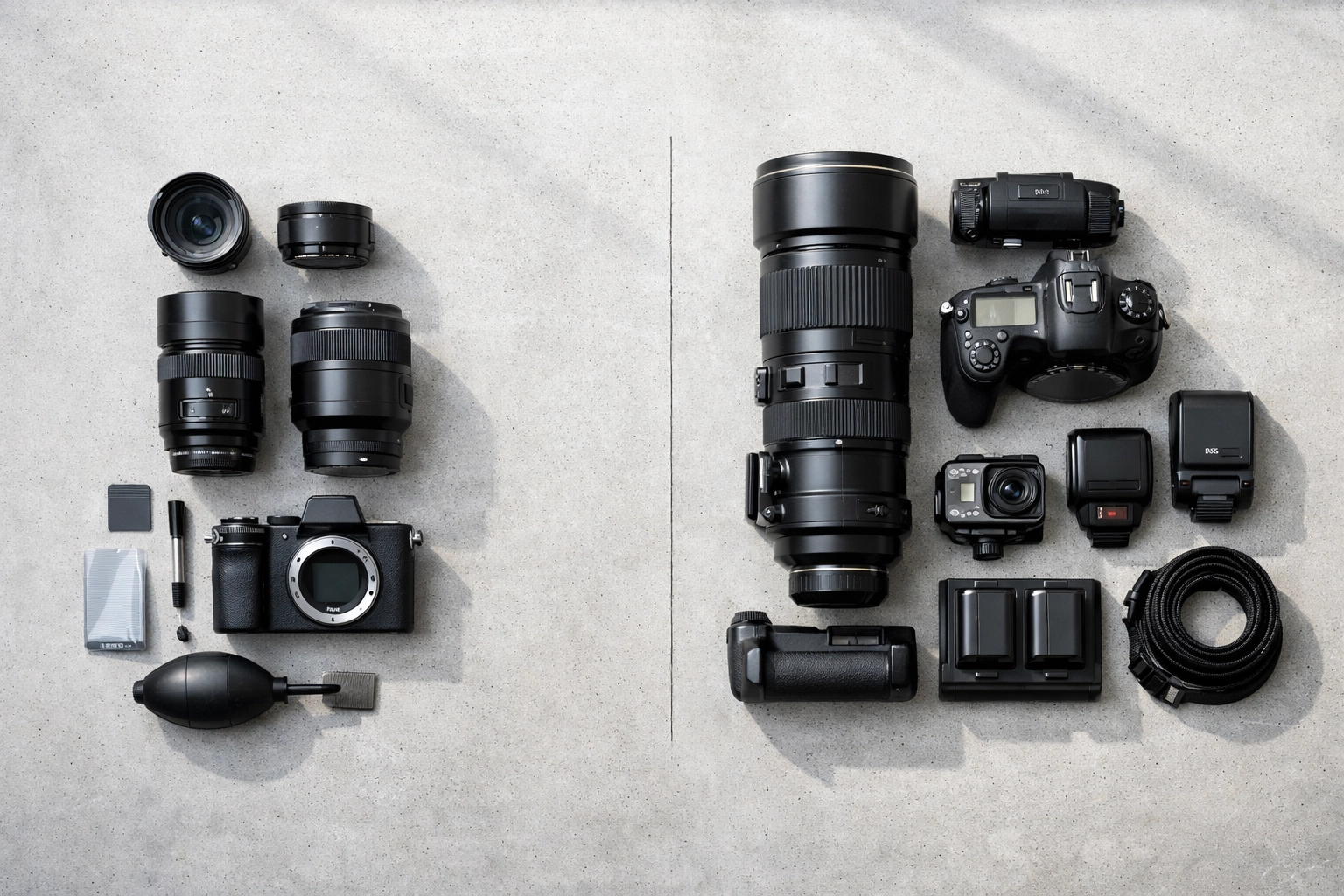
Alt text: An infographic-style layout showing a checklist of Sony pros on one side and Canon pros on the other to help photographers choose the best mirrorless cameras.
At the end of the day, both brands are producing tools that would have seemed like science fiction just ten years ago. The best thing you can do is go to a local shop, hold both, and see which one feels like an extension of your hand.
If you're still undecided, maybe take a break from the gear talk and focus on the art itself. Go explore some canyon and gorge travel photography or try out a new technique. The camera is just a tool: you’re the one who makes the magic happen.
Happy shooting! (And don't forget to shut your aperture every once in a while… or open it wide, we won't judge.)