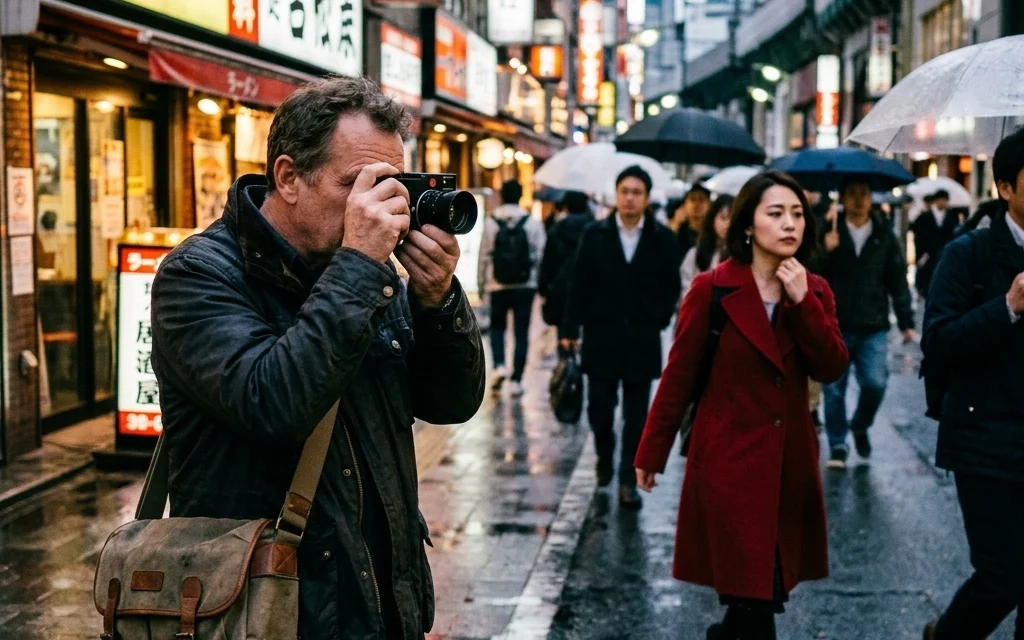
Street photography is the rawest form of visual storytelling. It’s not about perfectly posed models or waiting three hours for the sun to hit a mountain peak at a specific angle (though we love that too: check out our ultimate guide to landscape photography if that's your vibe). Street photography is about the pulse of the city, the "blink-and-you’ll-miss-it" moments, and the beautiful chaos of human existence.
Whether you’re walking through the neon-soaked streets of Tokyo or a quiet cobblestone alley in a small town, street photography allows you to capture life as it happens. But let’s be real: it’s also one of the most intimidating genres to master. You’re dealing with moving subjects, changing light, and the awkwardness of pointing a camera at strangers.
This guide is here to strip away the confusion and give you the tools, settings, and mindset you need to dominate the sidewalk.
What Exactly is Street Photography?
Before we dive into the "how," let’s talk about the "what." Street photography is the art of capturing candid moments in public spaces. It’s about authenticity. While people are often the main focus, street photography doesn't have to include humans. It can be about the environment they leave behind: a discarded umbrella, a shadow hitting a wall, or a lonely storefront.
The goal is to find the extraordinary in the ordinary. You are looking for a story. As the legendary Steve McCurry has shown us throughout his career, a single frame can tell a thousand stories if you capture the right emotion.
The Gear: Less is More
If you show up to a busy city street with a massive rig, a battery grip, and a 400mm lens, you’re going to look like a private investigator or a confused tourist. Neither is great for blending in.
In street photography, stealth is your best friend.
The Best Camera for the Street
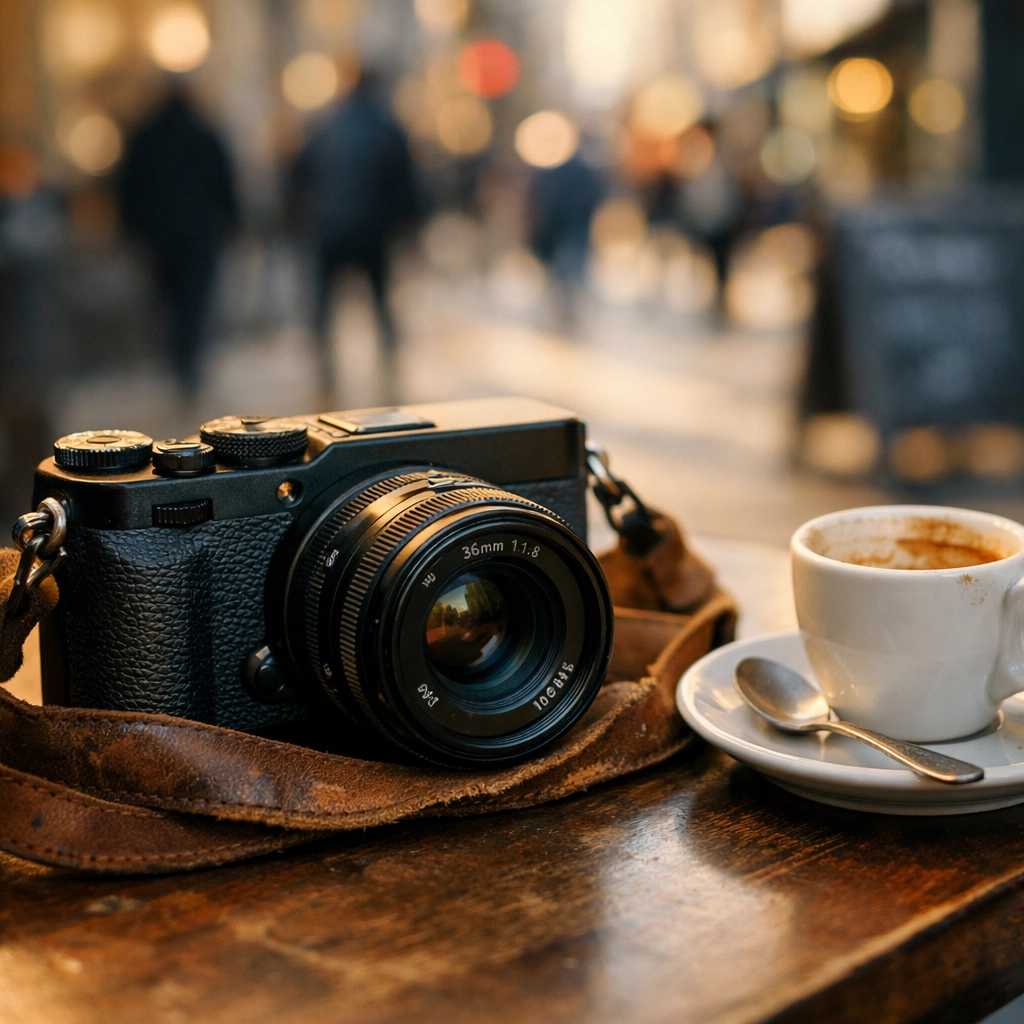
The "best" camera is the one you have with you. Honestly, even a smartphone is a powerful street tool these days. However, if you want more control, look for something compact. Mirrorless cameras are the gold standard here. They are quiet, small, and don't scream "I AM A PHOTOGRAPHER" to everyone within a three-block radius.
Prime Lenses vs. Zooms
Most street photographers swear by prime lenses. Why? Because they’re small and they force you to move your feet.
- 35mm: The classic choice. It’s wide enough to show the environment but tight enough to focus on a subject.
- 50mm: The "nifty fifty." It mimics the human eye and provides great subject separation.
If you really feel like you need some reach, something like the Sigma 50-100mm f1.8 can give you incredible bokeh and compression, but remember that bigger glass makes you more visible. For more gear insights, you can always check out PhotoGuides.org.
Master Your Camera Settings
The street moves fast. If you’re fumbling with your dials, the moment is gone. You need to set your camera up so it does the heavy lifting for you.
Aperture Priority (A or Av)
This is the sweet spot for street photography. Set your aperture and let the camera decide the shutter speed.
- During the day: Aim for f/8 or f/11. This gives you a deep depth of field, meaning more of your scene will be in focus. This is crucial for "zone focusing," where you pre-set your focus distance and just wait for someone to walk into it.
- Low light: Open it up to f/2.8 or wider to let that light in.
Shutter Speed
Movement is the enemy of sharpness (unless you’re doing intentional motion blur). Keep your shutter speed at 1/250s or faster. If you’re capturing someone running or a cyclist, you might need 1/1000s.
Auto ISO
Lighting changes constantly when you turn a corner or a cloud passes over. Set your ISO to "Auto" with a maximum limit (like 6400). This ensures your shutter speed stays fast enough to freeze motion without you having to think about it.
Back-Button Focus
If you haven't switched to back-button focus yet, you're missing out. It separates the shutter release from the focus function, allowing you to lock focus and fire the shutter whenever the "decisive moment" occurs.
Overcoming the Fear of Shooting Strangers
This is the number one hurdle for every beginner. The fear of confrontation is real. You feel like you’re invading someone's privacy or that people will get angry.
Here’s the secret: Most people are too busy with their own lives to notice you.
To build your confidence:
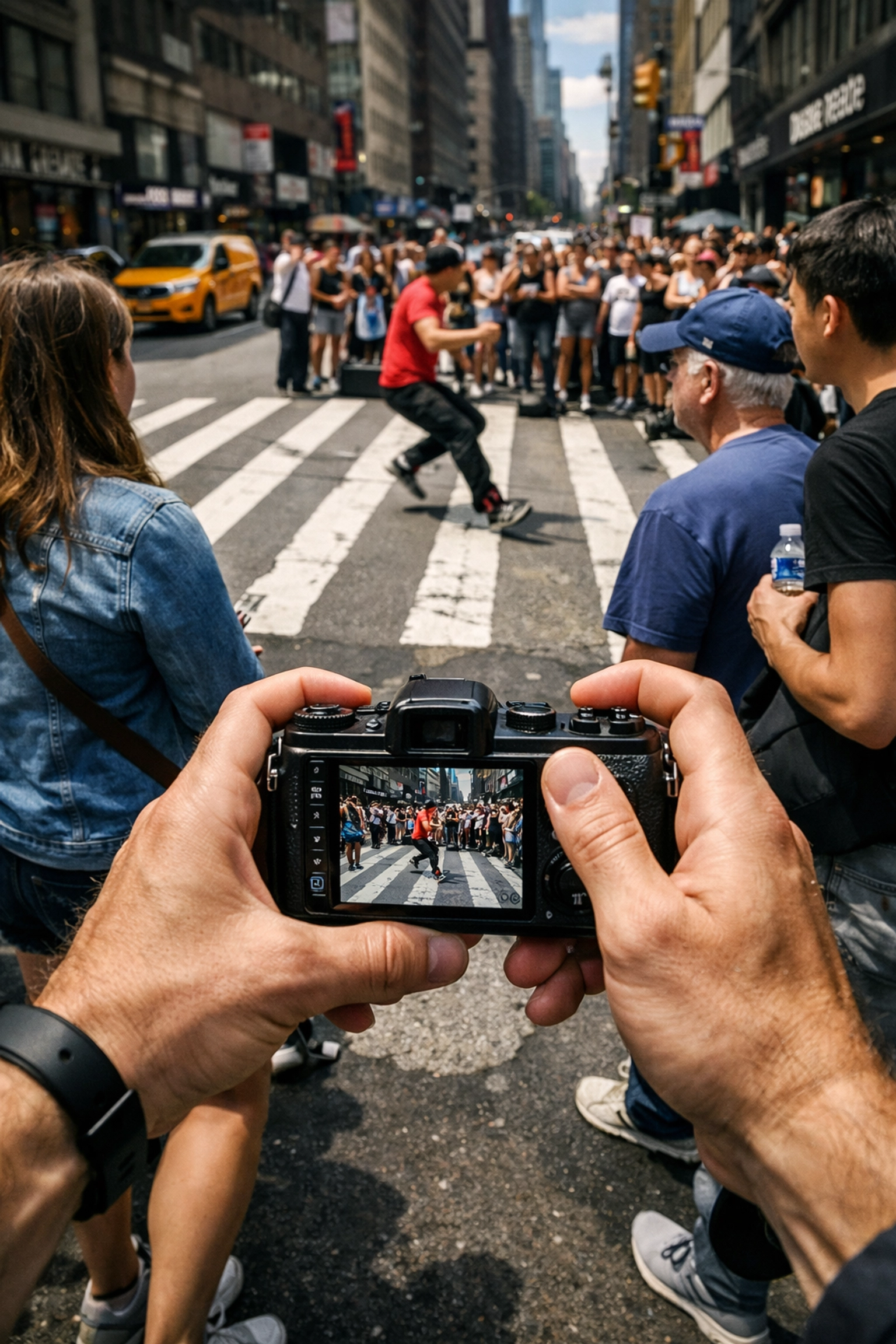
- The "Street Performer" Trick: Find a street performer. Everyone is taking photos of them, so you’ll feel less conspicuous. Once you’re comfortable there, start turning your camera to the crowd watching them.
- The "Stage" Technique: Find a background with great light or a cool mural. Frame your shot, and then just wait. People will walk into your frame. Since you were there first, it feels less like you’re targeting them and more like they are just part of your landscape.
- Smile: If someone catches you taking their photo, don’t look away awkwardly. Smile, nod, or give a "thank you." If they ask what you’re doing, be honest: "I’m a street photographer, and I thought the light looked amazing on you."
If you want to dive deeper into the mindset of a professional, proshoot.io has some great resources on professional etiquette and workflow.
Composition Techniques for the Street
Composition is what separates a snapshot from a photograph. When you’re out there, look for these elements:
Juxtaposition
This is the bread and butter of street photography. Look for two things that don’t belong together or that create a funny or thought-provoking contrast. A businessman standing next to a gritty piece of graffiti, or a child holding a balloon next to a "No Fun Allowed" sign.
Leading Lines
Use the urban environment to lead the viewer’s eye to your subject. Curbs, shadows, building edges, and subway tracks are all perfect leading lines.
Reflections
Puddles are your best friend. After a rainstorm, get low and use the reflections to create a surreal, symmetrical world. Windows also offer a great way to layer images: capturing what's inside the shop and the street life reflected on the glass simultaneously.
Framing
Look for "frames within frames." Doorways, arches, or even the gap between two parked cars can frame your subject and give the image depth.
For some visual inspiration on how to frame different environments, take a look at these pictures from Ireland. The way light and architecture interact in different cultures can really spark your creativity.
Lighting: Chasing the Shadows
In landscape photography, we often want soft, golden hour light. In street photography, harsh midday sun can actually be a gift.
High Contrast
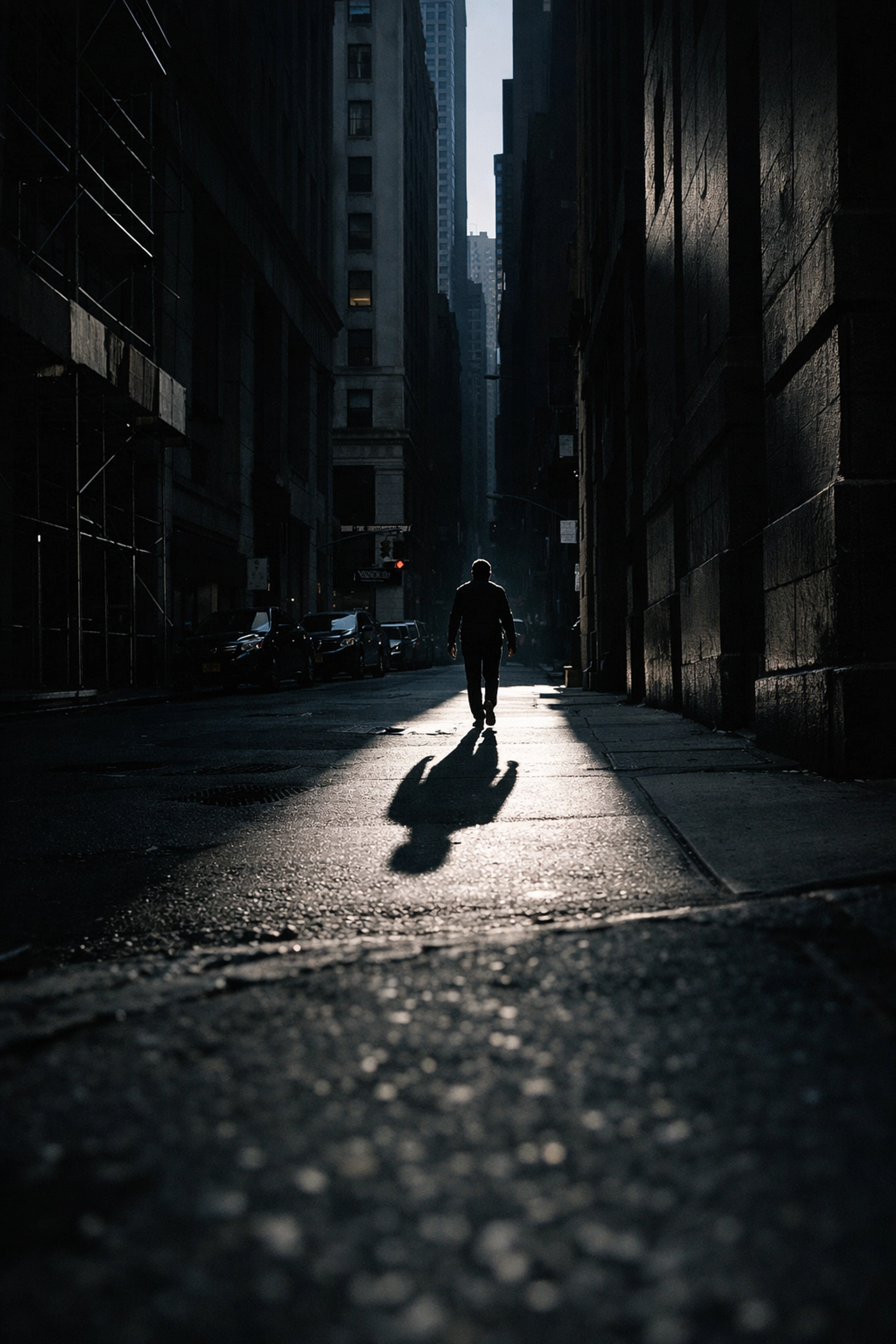
Strong sunlight creates deep, dark shadows. Use this to your advantage. Look for "pockets of light" where the sun hits a small section of the sidewalk between tall buildings. Wait for someone to walk through that spotlight. This creates a dramatic, cinematic look that is perfect for black and white.
Silhouettes
If you find a bright background (like the sun setting at the end of a street), underexpose your shot. This will turn your subjects into black silhouettes, focusing the viewer’s attention on their shape and posture rather than their features.
Post-Processing: Making It Your Own
Once you’ve captured the shot, the work isn't over. Post-processing is where you define your "look."
The Power of Black and White
Street photography and black and white go together like coffee and cameras. Removing color strips away distractions and forces the viewer to focus on the light, the texture, and the emotion. If you want to go for that classic film look, try to make your photo look like an Ansel Adams masterpiece.
Editing Workflow
Don't spend hours on one photo. Street photography is about volume and instinct. Use tools like Luminar to quickly enhance your images with AI-powered tools that bring out the grit and detail of the city.
If you prefer Adobe, make sure you know your Adobe Lightroom most used shortcuts. The faster you can edit, the more time you have to be out on the street.
Nik Collection
Back in the day, Google made the Nik Collection free, and it’s still a staple for many street photographers for its Silver Efex Pro plugin (the best B&W converter in the game). You can read about the history of Google's Nik Collection now free and how it changed the game for enthusiasts.
The Ethics and Legality (The Boring but Important Stuff)
Can you legally take photos of people in public?
In the United States (and many other Western countries), the general rule is that there is no expectation of privacy in a public space. If you can see it from the sidewalk, you can generally photograph it.
However, "legal" doesn't always mean "ethical."
- Don't be a jerk: Don't photograph people in vulnerable situations (like the homeless or people in distress) just for "likes."
- Respect the "No": If someone asks you not to take their photo or asks you to delete one, just do it. It’s not worth the fight.
- Commercial vs. Editorial: You can take a photo of a person and use it in a blog or a book (editorial), but you can't sell that photo to a company for an ad campaign without a signed model release.
For more on the philosophy of being a creative, check out Edin Chavez's personal blog at blog.edinchavez.com.
Developing Your Unique Voice
After a while, you’ll realize that everyone is taking the same photos of people crossing the street. To truly succeed, you need to find your own voice.
Ask yourself: You may be a photographer, but are you an artist?
Being an artist means looking for themes. Maybe you’re drawn to the way people interact with their phones, or maybe you only shoot the way shadows fall on colorful walls. Don't be afraid to experiment. Look at the work of Zac Turgeon or the hyper-lapses of Vienna to see how different perspectives can change a story.
Street photography is a marathon, not a sprint. You will have days where you walk 10 miles and don't get a single good shot. That’s okay. Those are the days you’re training your eye.
Final Thoughts: Just Get Out There
The beauty of street photography is that it’s always changing. The light is never the same twice, and the people you see today will never be in that exact spot again.
If you’re feeling uninspired, read through some of the best photography quotes to get your fire back. Then, put on your most comfortable shoes, grab your camera, and go for a walk.
Don't worry about the gear, the settings, or the "perfect" shot. Just look for the story. As we always say here at Shut Your Aperture, the best way to live like a creative is to simply start creating.
The street is waiting. What are you going to capture today?