
Let’s be honest: landscape photography can sometimes feel a bit "done." You’ve seen the same sunset over the same mountain range a thousand times on Instagram. But this week, the news cycle brought some fresh energy to the table. We’re talking about new tech, new ways of seeing, and some old-school compositional tricks that are making a serious comeback in 2026.
If you’re stuck in a creative rut or just looking for an excuse to pack your gear and head out this weekend, we’ve rounded up the top ten ideas that are buzzing right now. From the way we use AI-powered mirrorless systems to the simple act of looking down instead of up, here is what’s making waves in the world of landscapes.
1. The Rebirth of the Golden Hour (with an AI Twist)
We all know the Golden Hour. It’s that window right after sunrise or just before sunset when the light turns into liquid gold. It’s the bread and butter of landscape photography. But this week, the talk has been about how we’re processing these shots.
In 2026, it’s not just about capturing the light; it’s about how we enhance the atmospheric depth. Modern sensors are better than ever, but the real magic happens when you pair that raw data with intelligent editing. Tools like Luminar have changed the game by allowing photographers to map light pathways more naturally than old-school sliders ever could.
The idea here is to focus on soft, diffused light but use your tech to emphasize the "glow" without making it look like a nuclear explosion. If you’re just starting out and the concept of light still feels a bit like voodoo, check out our Photography 101 guide to get the basics down before you start chasing the sun.
2. Drone Landscapes: Get Vertical
Drones aren't just for real estate videos anymore. This week’s news showcased some incredible top-down landscape shots that look more like abstract paintings than geography. The trend is moving away from the "look at the horizon" drone shot and toward the "look straight down" aesthetic.
By pointing your gimbal at a 90-degree angle toward the earth, you reveal patterns in forests, rivers, and deserts that are completely invisible from the ground. This is where why everyone is talking about AI-powered mirrorless tech really matters, the obstacle avoidance and autonomous flight paths in 2026 drones allow you to focus entirely on the composition while the drone handles the wind and the trees.
3. Tiny Planets and 360-Degree Panoramas
Panoramic photography is growing up. Instead of just a really wide photo of a valley, photographers are using 360-degree tech to create "Tiny Planet" images. These are spherical projections that turn a vast landscape into a small, self-contained world.
It’s a bit kitschy if overdone, but when used correctly, especially in wide-open spaces like salt flats or empty plains, it provides a perspective that traditional lenses simply can’t touch. If you’re looking for more ways to break out of the box, our list of 30 creative street photography ideas actually has some great overlap with how to spot interesting geometry in any environment.
4. The "Micro-Landscape": Coastal Textures
One of the coolest things we saw in the news this week was a shift toward "micro-landscapes." Instead of trying to fit the whole ocean into your frame, photographers are focusing on the textures left behind by the tide.
Think about the ripples in the sand, the way water clings to a jagged rock, or the patterns in a bed of seafoam. This requires a bit of a mindset shift. You have to stop looking at the horizon and start looking at your feet. Using a high-resolution camera helps here because the detail is everything. But does ultra-high resolution really matter in 2026? When you’re shooting textures, yes, it absolutely does.
To get these shots right, you usually need to get comfortable with manual mode. If you’re still a bit shaky on that, our 5 steps to master manual mode will save you a lot of frustration when the tide is coming in and you’re fumbling with buttons.
5. Mountain Perspectives: Stop Shooting the Peak
Everyone wants to stand on the summit and take a photo. But the news this week featured a series of award-winning shots taken from the base of mountains looking up through the trees.
By staying low, you can use wildflowers, streams, or even fellow hikers as foreground interest. It creates a sense of scale that a summit shot often lacks. When you’re at the top, everything looks small. When you’re at the bottom, the mountain looks like a titan. For more tips on how to handle natural light in these high-contrast environments, take a look at our guide on natural light techniques. Even though it's focused on portraits, the principles of light direction and quality apply perfectly to mountain peaks.
6. The Night Sky as a Leading Line
Astrophotography is getting a second wind thanks to the incredible low-light capabilities of the latest mirrorless cameras. The new "idea" making the rounds is using the Milky Way not just as a background, but as a leading line.
Imagine a shot where a winding road or a river leads the viewer's eye directly into the brightest part of the galaxy. It’s about integration. Don’t just take a photo of the stars; take a photo of the earth and the stars working together. If you're struggling with the technical side of night shots, you can find deep-dive tutorials over at PhotoGuides.org.
7. Black and White Landscapes (The Power of Contrast)
In a world of hyper-saturated HDR photos, black and white landscape photography is making a massive comeback. It forces you to look at shape, form, and light rather than just "pretty colors."
The news showcased several minimalist series where the subject was simply the contrast between a dark stormy sky and a bright field of wheat. It’s dramatic, it’s moody, and it’s timeless. If you want to see how this translates into high-end art, check out Edin Fine Art for some inspiration on how monochrome can elevate a simple scene into something museum-worthy.
8. Mirror Images: Perfect Reflections
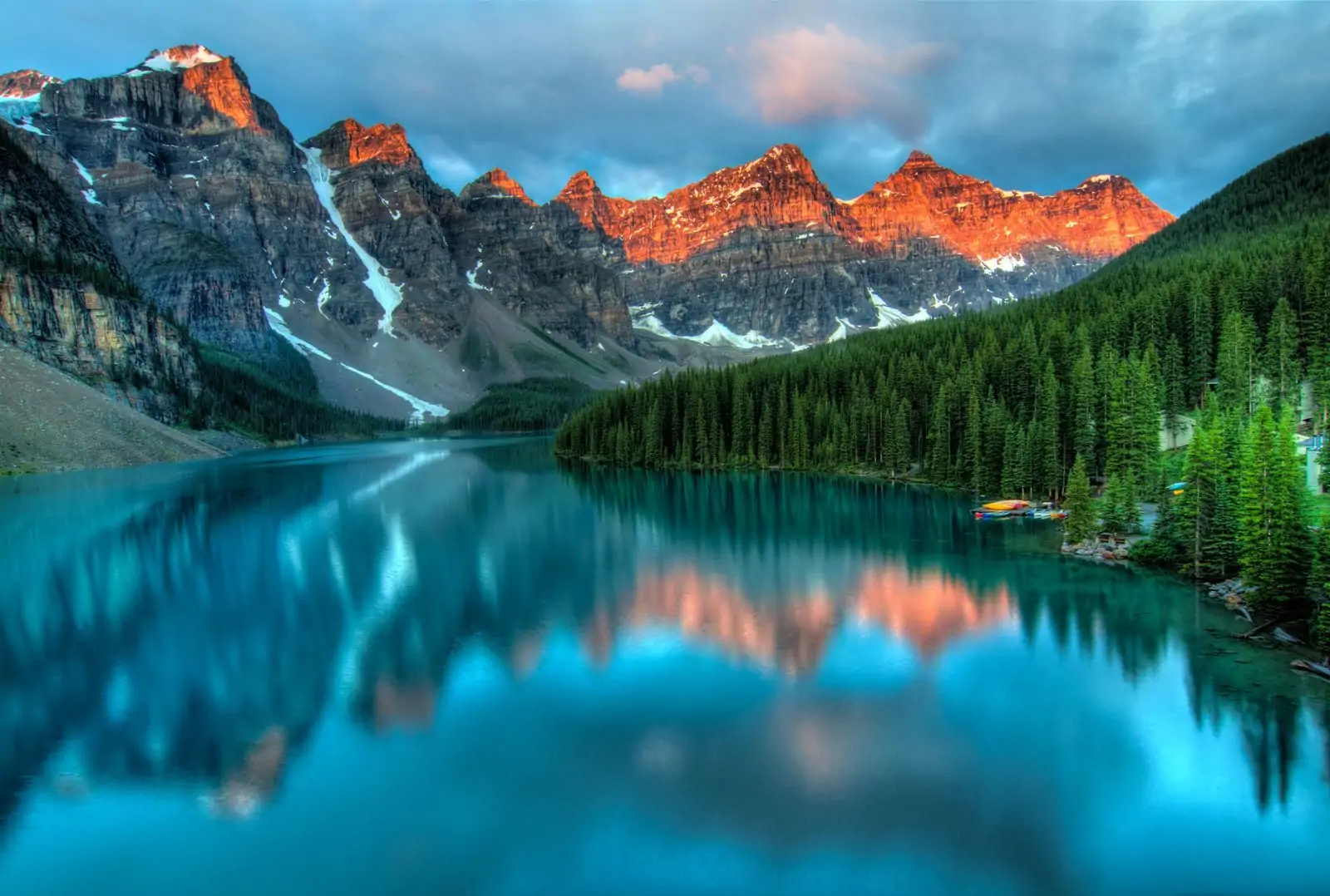
Reflections are a classic, but the "new" way to do it is by seeking out non-traditional surfaces. Most people go to a lake. This week, we saw stunning work using puddles in an urban landscape or even the wet sand on a beach after a wave recedes.
The trick is to get your camera as low as possible, literally millimeters above the water. This creates a perfect symmetrical split that messes with the viewer's head in the best way possible. If you’re worried about getting your gear wet or making technical errors, we have a list of 7 mistakes you’re making with manual mode that might help you stay sharp while you’re out in the elements.
9. Light Painting the Great Outdoors
Light painting used to be reserved for dark alleys and abandoned buildings. Not anymore. Photographers are now taking powerful LED sticks into the wilderness to illuminate specific features of a landscape during a long exposure.
You can "paint" a lonely tree in the middle of a field or highlight the texture of a rock formation while the stars trail overhead. It adds a human element and a touch of surrealism to an otherwise "natural" shot. It’s a bit like being a cinematographer for mother nature. For more ideas on how to blend tech and nature, check out blog.edinchavez.com.
10. Master the "Z-Shape" Composition
If you’ve heard of the Rule of Thirds, you’re off to a good start. But the "Z-shape" is what’s trending among pros this month. The idea is to find elements in the landscape that create a "Z" pattern, carrying the viewer’s eye from the foreground to the midground and finally to the background.
Think of a stream that zig-zags through a valley. It creates a visual journey. It’s more dynamic than a straight line and more engaging than a centered subject. If you want to dive deeper into these kinds of professional secrets, you should definitely check out the resources at Learn Shut Your Aperture.
Why the "News" Matters for Your Photography
You might wonder why we keep an eye on "the news" for photography ideas. It’s because photography isn’t static. The gear changes, the software changes, and the visual language of what people find interesting changes.
For instance, this week’s morning photography news covered some wild updates in AI-assisted focus tracking that can now identify specific types of "scenic points of interest." That’s a game-changer for landscape shooters who want to nail the sharpness on a distant peak while battling wind.
On the flip side, we also see the pitfalls. There’s a lot of talk about how AI is "ruining" photography, but as we discussed in our post on 7 mistakes you’re making with AI photo editing, it’s all about how you use the tool. AI should be your assistant, not the artist.
Putting It All Together
Landscape photography is a marathon, not a sprint. It requires patience, a lot of coffee, and the willingness to fail. You might hike four hours for a shot only to have a cloud ruin the light. That’s part of the deal.
But by incorporating some of these ideas: like looking for Z-shapes or experimenting with drone-based verticality: you give yourself more "outs." You stop relying on just the sunset and start relying on your vision.
If you’re feeling overwhelmed by the technical side of all this, don’t sweat it. We’ve all been there. Whether you’re trying to figure out why everyone is talking about AI photography news or you just want to know how to take a decent photo of your dog in the park, the key is to keep shooting.
For those who want to stay updated without spending hours scrolling, our nightly news breakdown is the easiest way to keep your finger on the pulse while you’re busy actually taking photos.
Go out, get your boots muddy, and remember to shut your aperture every once in a while. The world looks pretty good through a lens, but it looks even better when you’re actually there to see it.