Let’s be honest: keeping up with photography news can feel like a full-time job. One day you’re mastering your mirrorless settings, and the next day, there’s a new AI tool or a lens that supposedly makes your current gear look like a potato. It’s a lot.
But here’s the thing: if you want to stay relevant in this game, you can’t just put your head in the sand. Whether you’re a pro shooting weddings or a hobbyist chasing sunsets, the world of photography is shifting faster than a shutter at 1/8000s. From history-making shots in deep space to AI tools that are literally changing how we see reality, 2026 is already proving to be a wild year for anyone holding a camera.
At Shut Your Aperture, we believe that staying informed isn't just about knowing specs; it’s about finding new ways to tell stories. If you’ve been wondering why photography news matters, look no further. We’re breaking down the biggest headlines and explaining why they actually matter to you.
Shooting the Moon (Literally)
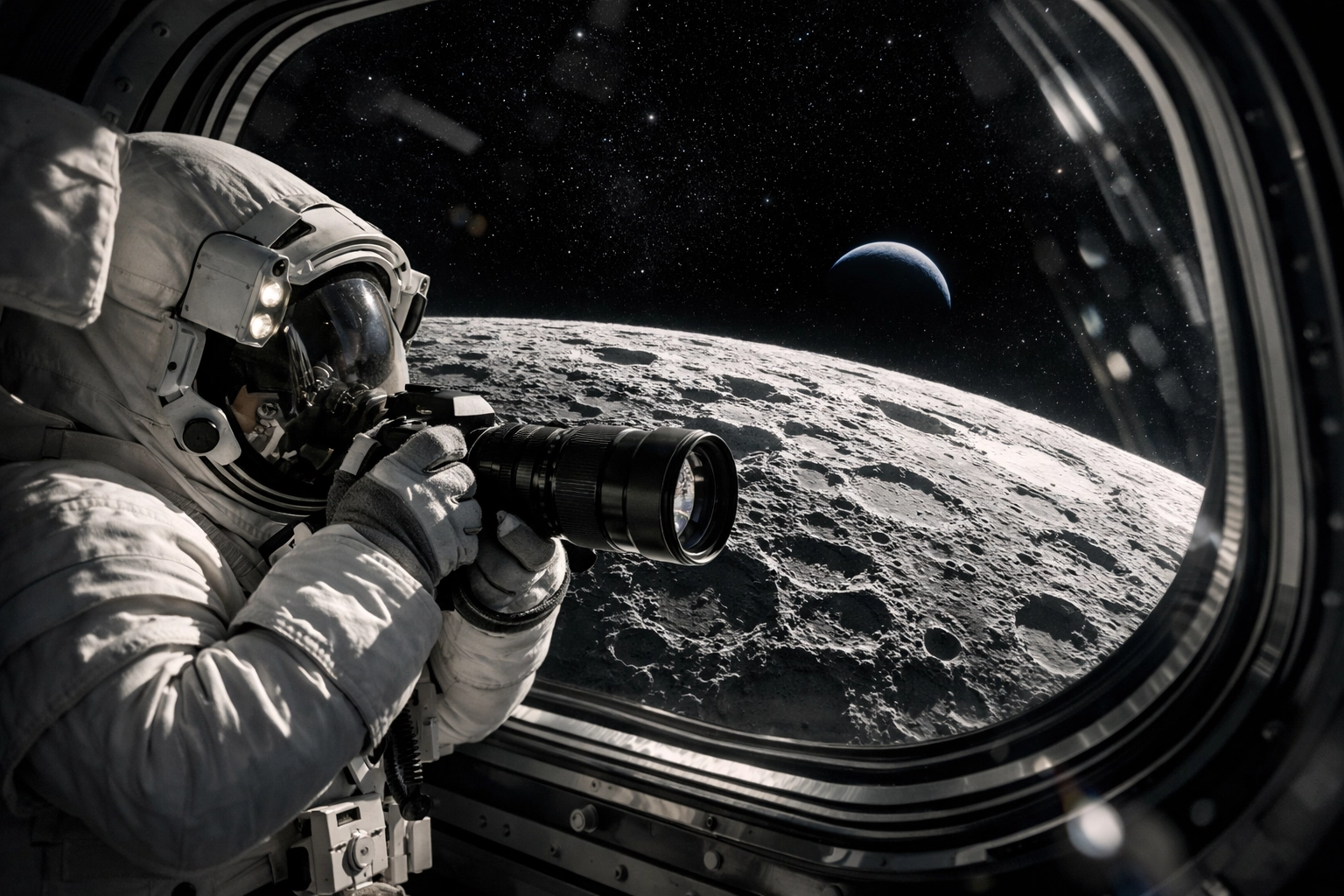
The biggest headline right now isn't happening on Earth. The NASA Artemis II crew has been sending back images that are making even the most seasoned landscape photographers drool. They didn't just take "some photos"; they captured the Moon and the eclipse from perspectives that humans haven't seen in decades.
In fact, the crew broke the record previously held by Apollo 13 for the farthest distance humans have ever been from Earth while taking photographs. Think about that for a second. While we’re worried about whether our sensor has a speck of dust, these guys are managing exposure settings while orbiting another celestial body.
Why does this matter to you? Because it pushes the boundaries of what’s possible. Seeing these shots inspires us to look for hidden gem locations for travel photography and rethink our own compositions. It reminds us that photography is, at its core, about exploration. If they can get a sharp shot of a lunar eclipse from a spacecraft, you can definitely nail that long exposure at your local park.
The AI Elephant in the Room
We can’t talk about news without talking about Artificial Intelligence. It’s everywhere. According to recent surveys, nearly 90% of working photographers are already using AI in their workflows. If you’re not one of them, you’re likely spending way more time in front of a computer than you need to.
Software like Luminar has been leading the charge here. The latest updates to Luminar Neo have introduced AI-based portrait tools that can handle retouching in seconds: things that used to take hours of meticulous masking and cloning. We’re talking about skin enhancement, body sculpting, and lighting adjustments that look completely natural.
A lot of purists get nervous about AI, but look at it this way: AI isn't here to take the photo for you. It’s here to do the boring stuff. It’s about culling 2,000 photos from a wedding in twenty minutes instead of two days. It’s about fixing a sky that didn't cooperate on your trip to discover ethereal landscapes for captivating shots.
If you're still a bit overwhelmed by all this tech, check out our guide on photography for beginners and how to use manual mode. Understanding the basics makes you more confident when you decide to let the AI take over some of the heavy lifting.
Hardware is Getting Weird (In a Good Way)
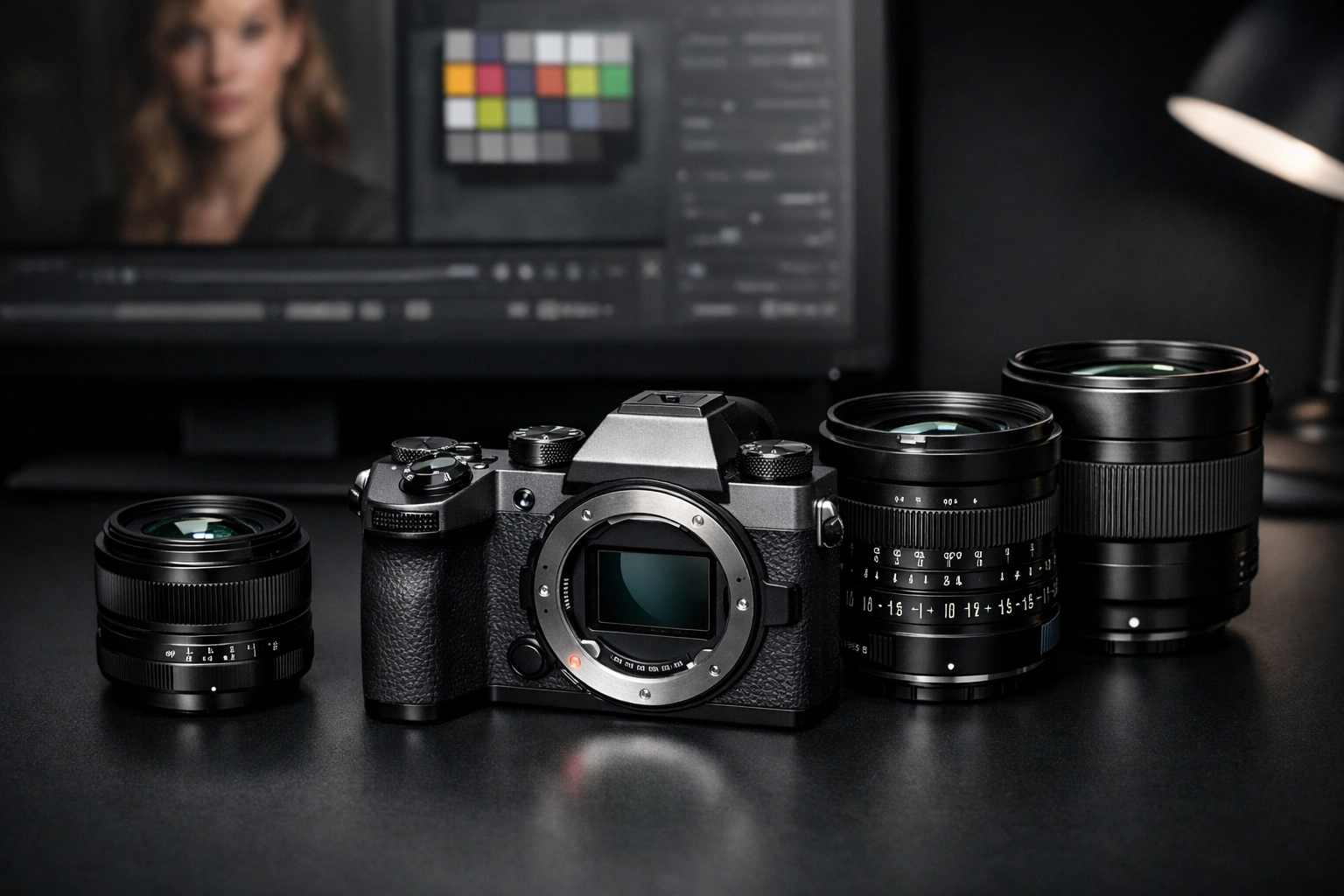
The days of every camera company making the exact same 24-70mm lens are over. The industry is fragmenting into specialized tools. Niche is the new "mainstream."
We’re seeing brands like TTArtisan and Brightin Star release lenses that are specifically designed for character rather than just clinical perfection. The TTArtisan AF 17mm f/1.8 is a great example: it’s fast, compact, and affordable. Then you have the Brightin Star MF 11mm f/2.8 II, which is perfect for those who want to get weird with wide angles.
This shift tells us that photographers are looking for a specific "look" again. We’re moving away from the "perfect" digital image and moving back toward something with soul. Some people are even using rare textures for tangible aesthetic photography to stand out.
At the same time, the pro-end is getting more precise. Eizo recently released the ColorEdge CS3200X monitor. If you’re serious about printing or high-end commercial work, you know that what you see on your screen has to be exactly what’s in the file. Color rendering is the final frontier of the digital workflow, and companies are finally giving it the attention it deserves.
Why Specialized Tools are Winning
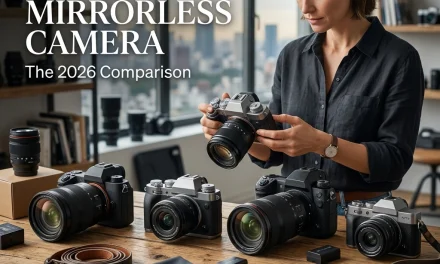
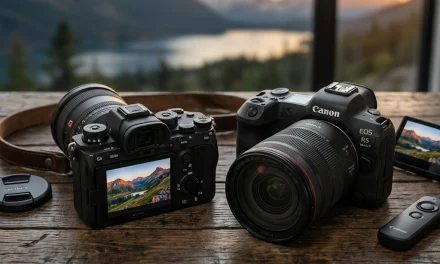
If you’ve been looking at how to choose the best mirrorless camera in 2026, you’ve probably noticed that cameras are becoming less like Swiss Army knives and more like surgical instruments.
Some cameras are built specifically for street photography: small, silent, and unassuming. These are the tools you need if you want to experiment with creative street photography ideas you’ve never thought of. Others are monsters built for video and high-speed action.
The "news" here is that you don't need the most expensive camera that does everything. You need the camera that does the one thing you love. This specialization is making the hobby more accessible and more diverse. It’s also leading to some pretty cool secluded paradises to enhance your photography portfolio being captured because photographers finally have the gear that fits their specific niche.
The Drone Wars and Mobile Tech
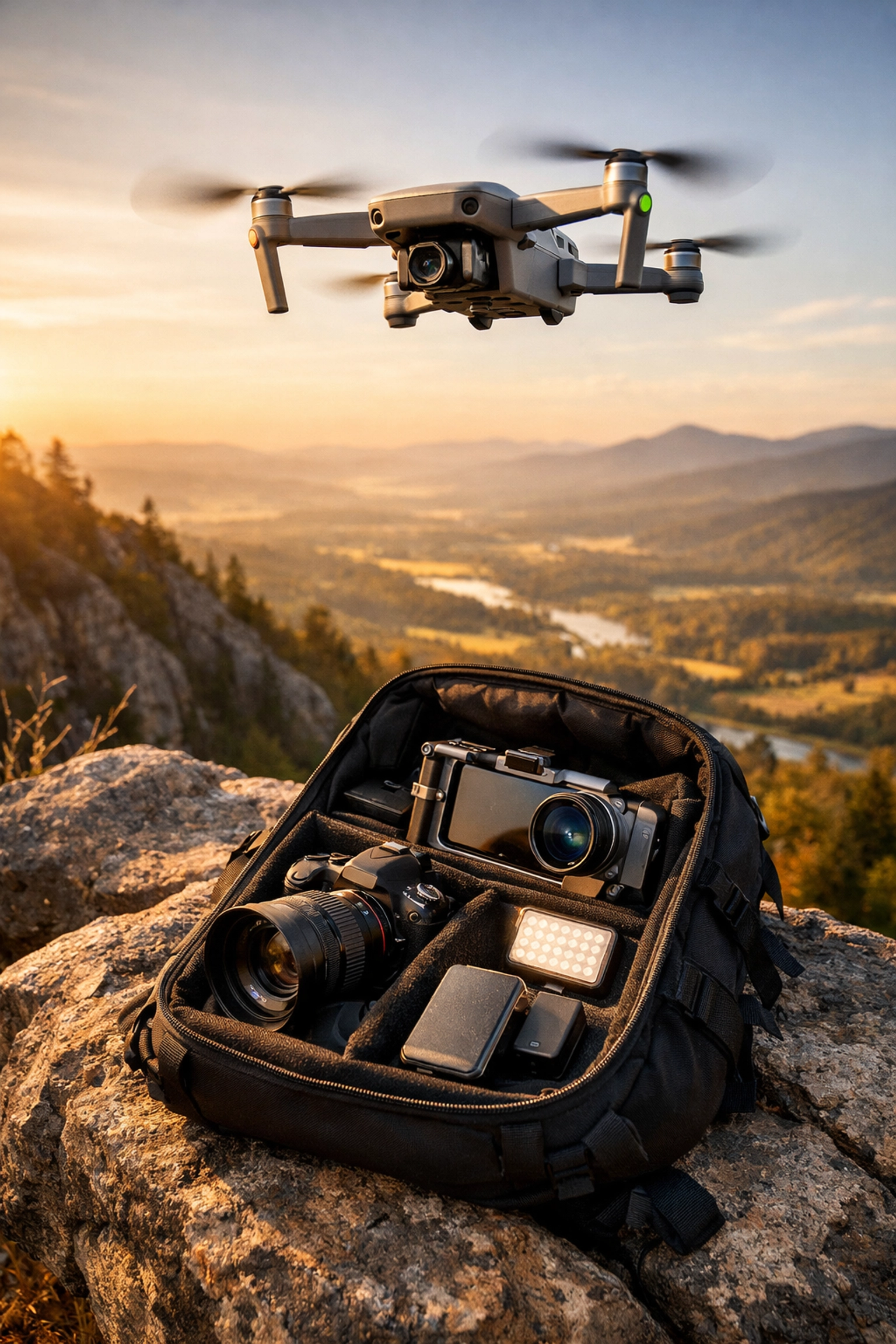
It’s not just about what’s in your hand; it’s about what’s in the air. New drone offerings are challenging the big players, bringing better sensors and longer flight times to smaller bodies. This is a game-changer for landscape and real estate photographers. Being able to get a professional-grade shot from a drone that fits in your jacket pocket was a dream five years ago; now it’s just Tuesday.
On the ground, smartphone photography tools are becoming insanely sophisticated. We’re seeing specialized filters, anamorphic lenses, and external SSDs specifically for mobile creators. For a lot of people, the best camera is the one they have on them, and the industry is finally leaning into that. If you’re looking to improve your skills regardless of what device you’re using, dive into the ultimate guide to photography tutorials.
Why You Should Care About the "News" Cycle
It’s easy to dismiss gear news as "consumerism," but it’s actually about opportunity. When a new firmware update drops, it might give your three-year-old camera better autofocus. When a new software like Luminar releases a feature, it might save you five hours a week.
Staying in the loop helps you:
- Save Money: You won't buy gear that’s about to be replaced.
- Stay Creative: New tech often leads to new techniques.
- Compete: If everyone else is using AI to speed up their work and you’re still doing it manually, you’re going to struggle to keep up in the professional world.
If you’re a pro, look at how these updates can improve your portrait photography techniques. Better software means better skin tones and faster delivery times. Better sensors mean you can shoot in darker venues without fear.
Connecting the Dots
Every piece of news is a breadcrumb leading to where the industry is going. The Artemis II photos show us that the desire for high-quality, impactful imagery is stronger than ever. The rise of AI in Luminar shows us that we’re valuing our time more. The niche lenses from companies like TTArtisan show us that we’re craving individuality.
It’s all connected.
If you want to stay on top of all this without spending hours scrolling through forums, we’ve got you covered. You can get today’s photography and videography news explained in under 3 minutes. It’s the easiest way to stay informed and get back to what actually matters: taking photos.
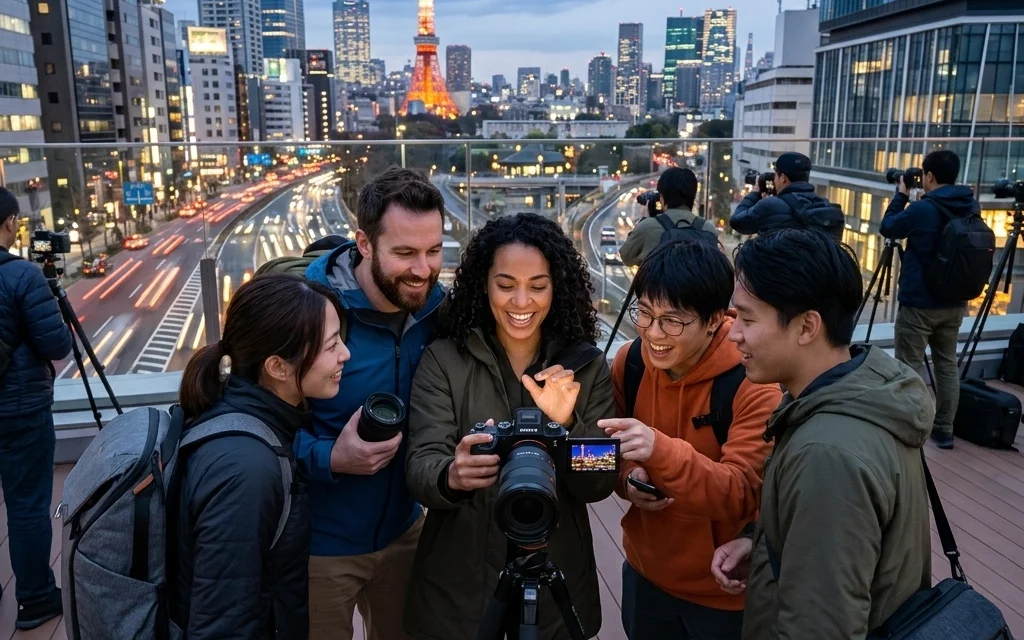
For more inspiration on where to take your gear next, check out some of these lesser-known vistas for enigmatic photos or learn how to unlock secrets to enchanting urban photography.
Photography is changing, but the core of it: the "why" behind every shot: remains the same. We’re just getting better, faster, and more creative tools to help us get there. Don't let the news overwhelm you; let it inspire you. Go out, find some top spots for stunning nature imagery, and see what your camera (and maybe a little AI) can really do.
For more deep dives into the technical side of things, don't forget to visit PhotoGuides.org or see how the pros are doing it at proshoot.io. If you’re looking for fine art inspiration, edinfineart.com is always a great place to start.
The world is waiting to be photographed: now you know exactly what tools to use to do it. Stay curious, stay informed, and most importantly, keep shooting.