It’s Friday, March 27, 2026, and the photography world looks a lot different than it did even two years ago. If you feel like the ground is moving under your feet, it’s because it is. From the way we capture light to the way we process pixels, the industry is undergoing a massive structural transformation.
We aren't just talking about a few new megapixels or a slightly faster frame rate. We are talking about a total realignment of how gear is made, how software thinks for us, and how we, as creators, stay relevant in a market that is moving at the speed of light.
Whether you are a seasoned pro or someone just picking up their first mirrorless body, these shifts matter. They affect your wallet, your workflow, and your ability to land clients. Let’s dive into why everyone is talking about these changes and what you need to do to stay ahead of the curve.
The AI Integration: From "Cool Trick" to Essential Tool
Remember when AI was just a "generate image" prompt that made people have six fingers? Those days are gone. In 2026, AI has moved from experimental pilots to full-scale operational deployment. Research shows that 92% of organizations are increasing their AI investments this year. In the photography world, this means AI isn't just something we play with; it's something we rely on.
We are seeing a massive surge in AI-driven post-processing software. Leading the pack is Luminar. Tools like Luminar have evolved to handle the heavy lifting of mask selection, sky replacement, and even skin retouching with a level of nuance that used to take hours of manual labor.
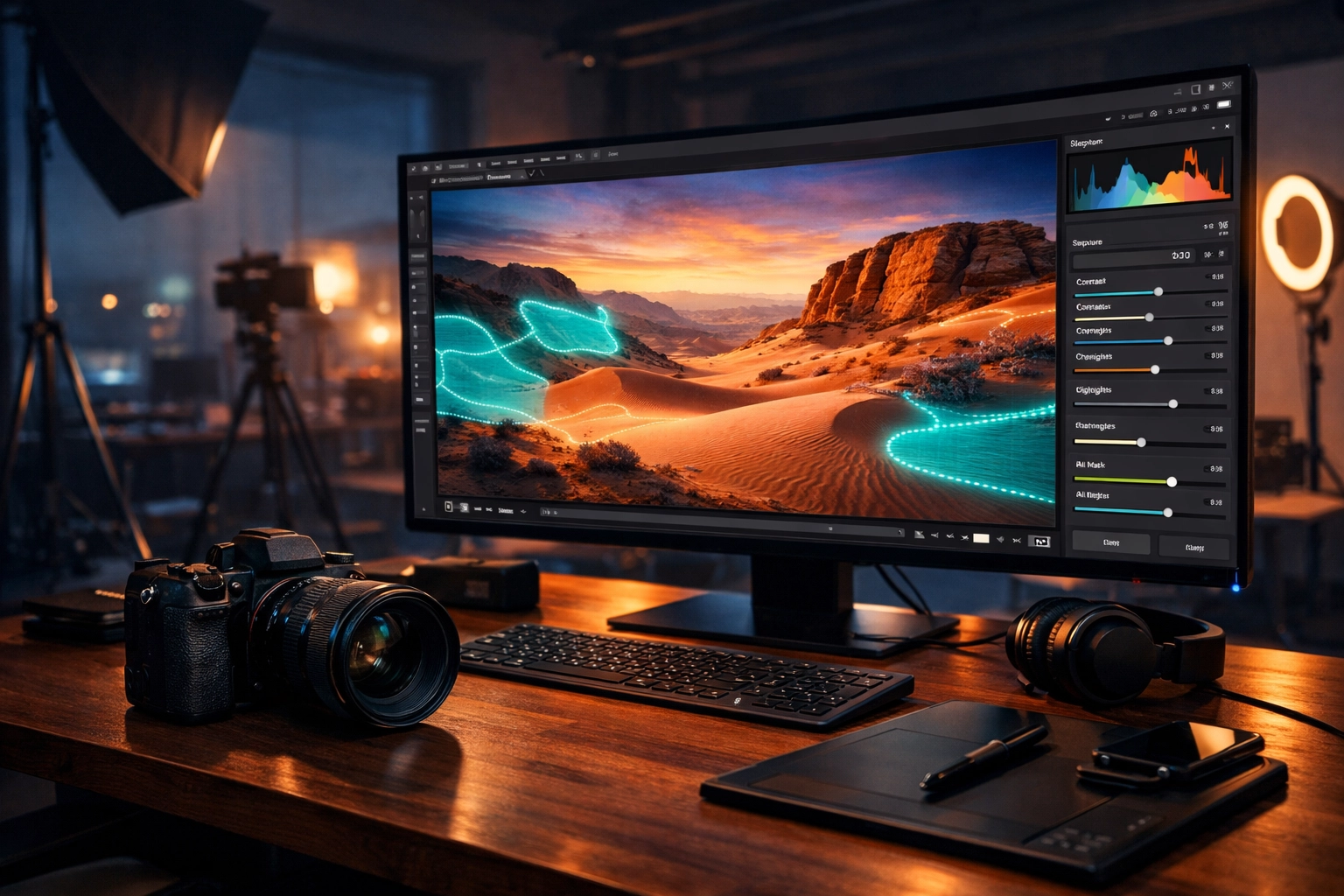
Alt text: A professional photographer using advanced AI software to edit high-resolution landscape images on a large monitor in a modern studio.
The shift toward AI isn't just about saving time; it's about expanding what is possible. We are seeing more photographers embrace ethereal imagery to elevate their real estate listings, using computational photography to blend exposures in ways that mimic the human eye better than any traditional HDR ever could. If you aren't integrating these tools into your workflow, you’re essentially bringing a knife to a laser-gun fight.
The Reshoring of Hardware: Why Your Next Camera Might Be Made Closer to Home
For decades, the "Made in…" tag on our cameras was predictable. But supply chain realignment is changing the map. Driven by over $1.2 trillion in planned investments, electronics manufacturing is moving back to regional hubs. This is a big deal for us because it means fewer delays and more stable pricing for high-end gear.
The semiconductor industry is expected to grow by over 200% thanks to recent federal investments. What does this mean for your camera? Better chips. Faster processing. More efficient power management. The "brain" of your camera is getting a massive upgrade because the manufacturing tech is finally catching up to our creative demands.
We are seeing brands like Sony and Canon focus more on "mission-critical" components. Whether you’re shooting a wedding or a corporate event, the reliability of your gear is hitting new peaks. This stability allows us to focus less on "Will my camera overheat?" and more on "How can I make this shot iconic?"
Real Estate Photography: The New Gold Standard
If there is one niche feeling the heat of these industry shifts, it’s real estate. The question used to be, "Is photography essential for real estate marketing?" Today, that's like asking if a house needs a roof. The answer is a resounding yes, but the type of photography has changed.
We are seeing a huge trend toward aerial photography to elevate real estate. Drones aren't a luxury anymore; they are a standard requirement. Buyers in 2026 expect to see the neighborhood, the property lines, and the rooftop before they even step foot inside.
Furthermore, shot composition's impact on buyer attraction has become a science. It's no longer just about wide-angle lenses that make rooms look like bowling alleys. It's about vistas and perspectives that manipulate perception in an honest, artistic way. We are seeing a shift where cinematic techniques transform property showcases, turning a simple listing into a short film that tells a story of luxury and lifestyle.

Alt text: A high-end real estate drone shot capturing a luxury modern mansion at sunset with perfect lighting and composition.
The Peter Lik Influence: Landscape Photography in the Modern Era
While technology changes, the masters still teach us a lot. We’ve spent a lot of time looking at lessons in landscape photography from Peter Lik. His ability to capture light and his iconic works through the years continue to inspire new trends.
The impact of Peter Lik on photography trends is visible in how we approach luminosity in real estate photography. It’s all about the "glow." Whether you are shooting the Antelope Canyon or a high-end kitchen, the techniques behind Peter Lik’s landscape photography are being adapted for commercial use everywhere.
If you’re looking for stunning landscape photography tips inspired by Peter Lik, you’ll notice a recurring theme: patience and the creative process. Even in 2026, with all our AI and fast sensors, Peter Lik’s creative process revealed that the most important piece of gear is still the person standing behind the tripod.
Software Updates: More Than Just Bug Fixes
Software is the new glass. While we still love a sharp prime lens, the software is where the magic happens. We’ve already mentioned Luminar, but the broader industry is moving toward a subscription-to-value model.
Update cycles have shortened. Instead of waiting a year for a new version, we are getting "feature drops" every month. This keeps our tools sharp and our workflows modern. If you want to keep up with the latest in pro setups, you need to be looking at platforms like ProShoot.io, which are helping photographers bridge the gap between technical skill and business savvy.
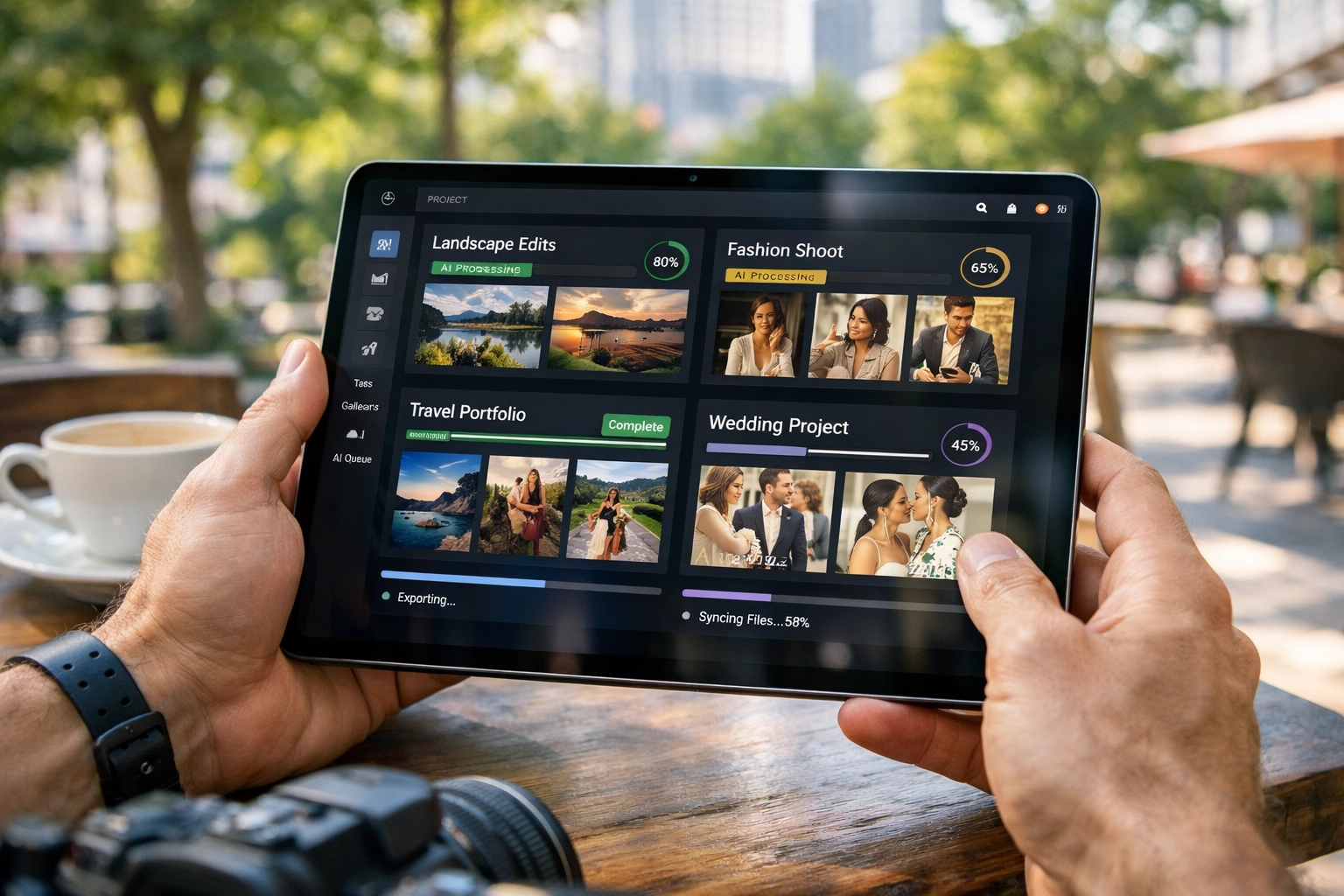
Alt text: A sleek digital interface showing a photography workflow management app with AI-powered editing features and cloud storage integration.
Mastering the Basics in a High-Tech World
With all these shifts, it’s easy to get overwhelmed. That’s why we always go back to the 10 essential tips for mastering photography. No matter how much AI we throw at a file, the basics of light, composition, and distinctive elements of real estate photography remain the same.
The industry is optimistic. About 73% of business leaders expect to increase revenue in 2026. For photographers, this means there is more work than ever, but it requires a more diverse skill set. You can't just be a "photographer" anymore. You have to be a tech-savvy creator who understands data, AI, and marketing.
Staying Ahead: The Strategy for 2026
How do you survive and thrive during these shifts?
- Invest in Your Digital Toolkit: If you haven't tried Luminar yet, you are missing out on the most intuitive AI editing tools available today.
- Go Niche but Go Deep: Whether it's high-end luxury dining or industrial real estate, find a niche and use the latest tech (like aerial drones) to dominate it.
- Learn from the Best: Keep an eye on what’s happening at PhotoGuides.org and blog.edinchavez.com for real-world insights and gear reviews.
- Network Digitally: The community at ProShoot.io is a great place to see how other pros are handling the shift toward automation and reshoring impacts.
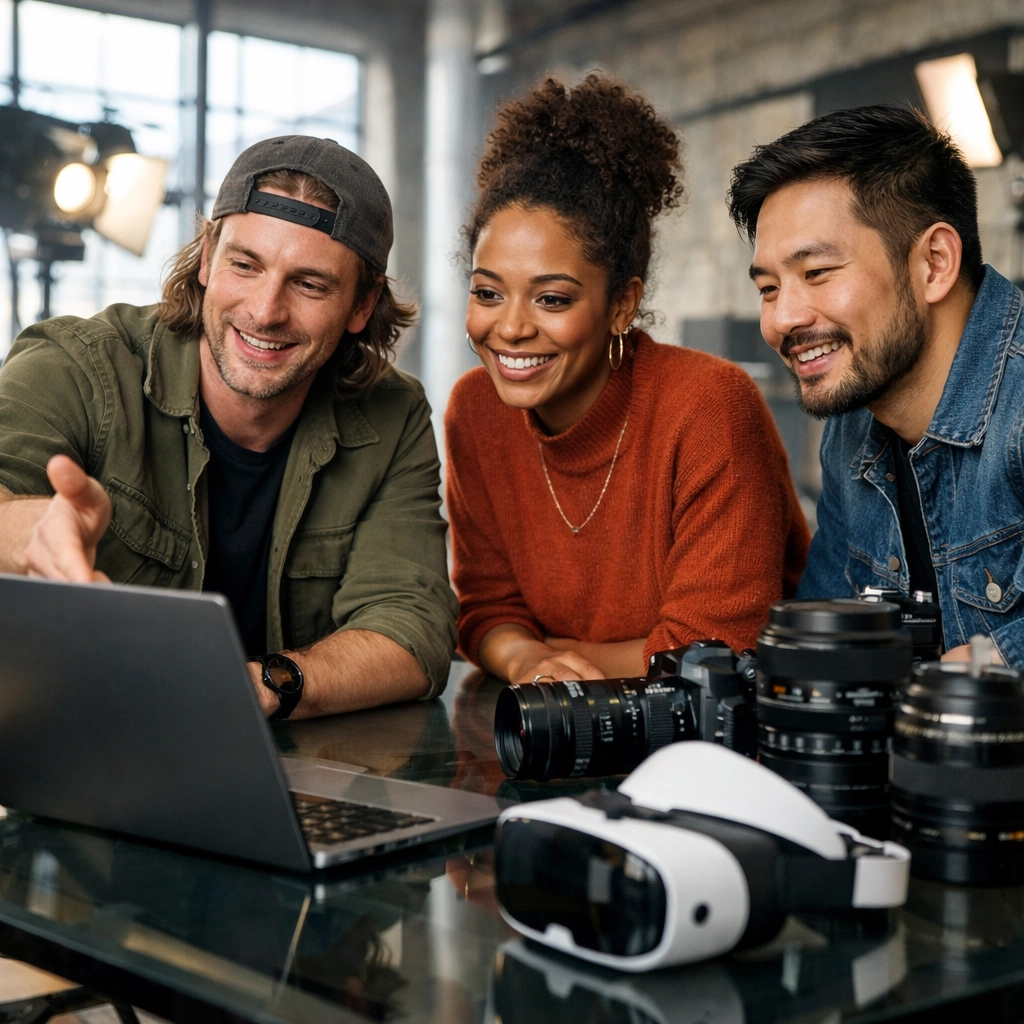
Alt text: A group of diverse photographers and videographers collaborating in a high-tech creative workspace with cameras and VR headsets.
The Bottom Line
The industry shifts of 2026 aren't something to fear; they are something to leverage. The convergence of AI adoption and supply chain realignment is making professional-grade results more accessible to those willing to learn the new rules of the game.
We are seeing a world where Peter Lik’s photographs are inspiring art lovers worldwide more than ever because the technology allows us to print larger, cleaner, and more vibrantly than ever before. Whether you are traveling to Peter Lik’s favorite locations for adventure or shooting a local condo, the tools at your disposal are unprecedented.
Don't wait for the shifts to pass you by. Embrace the AI, understand the manufacturing changes, and keep refining your craft. The future of photography is bright, literally: and it’s waiting for you to hit the shutter.
Check out more insights over at Edin Fine Art or see what we’re building at Edin Studios to stay on the pulse of this wild industry. And remember, keep your eyes open and your aperture ready. The best shot of your career is likely just one "shift" away.