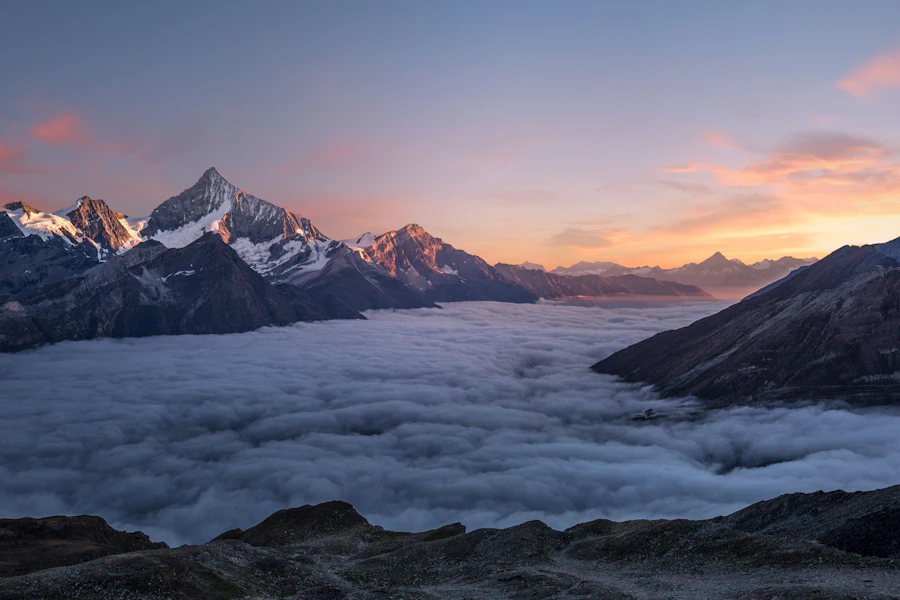

There is something visceral about standing on the edge of a canyon or watching the sun dip below the horizon of a jagged mountain range. It’s quiet, it’s grand, and for a split second, you feel like you’re the only person on the planet. Naturally, you want to capture that feeling. You want to bottle up that epic scale and take it home.
But then you look at your screen and… well, it looks like a flat, boring postcard from 1994.
We’ve all been there. Landscape photography isn’t just about being in a pretty place; it’s about translating the three-dimensional grandeur of nature into a two-dimensional frame that actually makes people feel something. Whether you’re a beginner struggling with blurry shots or an enthusiast looking to level up your portfolio, this guide is your roadmap. We’re going to cover everything from the gear you actually need to the composition tricks that will make your photos pop.
1. The Mindset: Patience is Your Best Lens
Before we talk about f-stops and focal lengths, let’s talk about your brain. The biggest mistake most new landscape photographers make isn't technical: it's mental. They treat photography like a scavenger hunt. They run from one viewpoint to the next, snapping a "safety shot" and moving on.
Real landscape photography is a game of waiting. It’s about arriving an hour before the light gets good and staying an hour after everyone else has gone home to dinner. You have to be willing to sit in the cold, swat at mosquitoes, and potentially walk away with nothing if the clouds don't play ball. If you can't enjoy the process of being outdoors without a camera, you'll burn out quickly.
2. The Gear: Do You Really Need That $3,000 Lens?
Spoiler: No. But you do need a few specific things to make life easier. While you can shoot landscapes on an iPhone (and people do it brilliantly), a dedicated setup gives you the control needed for those "wall-art" quality images.
The Camera
You want something with a decent sensor and the ability to shoot in RAW. Why RAW? Because it captures all the data your sensor sees, giving you the latitude to fix shadows and highlights later in Luminar without the image falling apart. If you're looking for a new body, check out our guide on the best camera for landscape photography in 2026 to see what fits your budget.
Lenses: Wide vs. Telephoto
Most people think "landscape" and immediately reach for a 16mm wide-angle lens. Wide lenses are great for making a scene feel huge, but they also push everything away from you. That massive mountain? It looks like a pebble in a wide-angle shot.
Don't sleep on telephoto lenses (70-200mm). They allow you to "compress" the scene, making distant peaks look massive and layering the landscape in a way that feels intimate and powerful.
The Most Important Piece: The Tripod
If you are serious about landscape photography, you need a tripod. Period.
Landscape photography often happens in the "fringes" of the day: sunrise, sunset, and twilight. There isn't enough light to hand-hold your camera at a low ISO without getting blurry shots. A sturdy tripod allows you to use slow shutter speeds to capture that silky water or streaky cloud effect. If you're on the hunt for one, dive into our camera tripods guide to understand the difference between aluminum and carbon fiber.
3. Mastering the Settings
Landscape photography is one of the few genres where you have time to think. Your subject isn't running away (unless you're shooting a storm), so get out of Auto mode.
The "Golden Rule" Settings
For 90% of landscapes, your starting point should be:
- ISO: 100 (Keep it low to avoid grain/noise).
- Aperture: f/8 to f/11. This is usually the "sweet spot" for most lenses, providing enough depth of field to keep the foreground and background sharp without hitting "diffraction" (where the image actually gets softer because the hole is too small).
- Shutter Speed: Whatever it takes to get a good exposure. This is why you have the tripod!
If you're still confused about why your shots aren't coming out right, we break down the 7 mistakes you’re making with manual mode over on the main blog.
4. Composition: Building a Story
Composition is how you lead the viewer’s eye through the frame. Without it, you just have a bunch of "stuff" in a box.
Foreground Interest
This is the "secret sauce" of pro landscapes. Find something interesting to put right in front of your camera: a rock, a patch of flowers, a piece of driftwood. This gives the viewer a "place to stand" and creates a sense of depth.
Leading Lines
Use natural elements like rivers, paths, or even the shadows of a dune to point toward your main subject. It’s like drawing an arrow that says, "Look here!"
The Rule of Thirds
Don't just stick the horizon in the middle. If the sky is epic, put the horizon on the bottom third line. If the foreground is the star, put the horizon on the top third. It’s a simple trick, but it instantly makes your photos feel more balanced. For more in-depth theory, PhotoGuides.org has some killer breakdowns on classical art principles applied to photography.
5. Chasing the Light
You can have the best composition in the world, but if the light is flat and gray, the photo will be boring.
- Golden Hour: The hour after sunrise and before sunset. The light is warm, soft, and creates long shadows that reveal the texture of the land.
- Blue Hour: The 20-30 minutes before sunrise or after sunset. Everything takes on a cool, moody blue tone. It’s perfect for cityscapes or minimalist mountain shots.
- Weather is your friend: Clear blue skies are actually the worst for landscape photography. You want drama. You want clouds, fog, and storms. Some of the best photos are taken right as a storm is clearing. If it starts raining, don't pack up; get your rain cover out.
6. Advanced Techniques: Moving Beyond the Single Shot
Once you’ve mastered the basics, you might find that a single click of the shutter can't capture what your eyes see. This is where technical workflows come in.
Long Exposure
Want that "dreamy" water look? You need a Neutral Density (ND) filter. Think of it as sunglasses for your lens. It blocks out light so you can keep the shutter open for 10, 20, or even 60 seconds.
Focus Stacking
Sometimes f/11 isn't enough. If you have a flower two inches from your lens and a mountain five miles away, you can't get them both sharp in one shot. Focus stacking involves taking 3-5 photos at different focus points and merging them later. It sounds like a lot of work, but the results are tack-sharp from front to back.
Astrophotography
Landscape photography doesn't stop when the sun goes down. In fact, that's when the "star" of the show comes out (pun intended). Shooting the Milky Way requires a wide-aperture lens (f/2.8 or faster) and a high ISO. It’s a steep learning curve, but seeing the galaxy on your camera screen for the first time is a religious experience.
7. The Power of Post-Processing
Let’s get one thing straight: Editing isn't "cheating." Every pro photographer in history: from Ansel Adams to the guys you follow on Instagram: edits their work. Your camera sensor is a piece of hardware; it doesn't have an "artistic vision." That's your job.
I personally recommend using Luminar for landscape edits. It has AI-driven tools that can specifically target skies, enhance foliage, and add "atmosphere" (like mist or sun rays) in a way that looks natural rather than "Photoshopped." If you find yourself spending hours masking trees in other programs, give it a shot: it’s a massive time-saver.
A typical landscape workflow looks like this:
- Correct Exposure: Bring back the highlights in the sky and lift the shadows in the rocks.
- White Balance: Does the scene feel too cold? Warm it up to match that golden hour vibe.
- Local Adjustments: Use brushes to make the main subject slightly brighter than the rest of the frame. The human eye is naturally drawn to the brightest part of an image.
- Sharpening: Just enough to make the details pop, but not so much that it looks "crunchy."
If you want to see how a pro handles a file from start to finish, Edin has some great walkthroughs over at blog.edinchavez.com.
8. Ethics and Safety: Don't Be "That" Person
This is the "boring" part that is actually the most important. As landscape photographers, we are ambassadors for the outdoors.
- Leave No Trace: Stay on the trails. Don't trample wildflowers for a "better angle." If a spot is closed for restoration, respect it.
- Geotagging: Think twice before tagging a specific "secret" location on social media. Over-tourism can destroy fragile ecosystems in a matter of months.
- Safety: The ocean doesn't care about your tripod. The mountains don't care about your gear. Check tide charts, watch for "sneaker waves," and always tell someone where you’re going if you’re hiking solo.
9. How to Keep Improving
The best way to get better at landscape photography isn't by buying more gear; it's by looking at more art. Study the masters. Look at Edin Fine Art to see how light and scale are used in large-format prints. Ask yourself: "Where is the light coming from? Why did the photographer choose this angle?"
And most importantly, keep shooting. Your first 10,000 photos are your worst. Don't get discouraged if your local park doesn't look like Zion National Park. Practice your compositions on the trees in your backyard so that when you do get to Zion, you aren't fumbling with your settings.
If you’re looking for a structured way to level up your skills without the fluff, we’ve put together a ton of resources over at Shut Your Aperture Learn. It’s designed to cut through the noise and get you shooting better photos immediately.
Landscape photography is a journey, not a destination. It’s an excuse to get outside, breathe some fresh air, and see the world in a way most people never do. So, grab your tripod, check the weather, and go chase some light. You’ve got this.