
Types of Cameras
DSLRs, mirrorless cameras, compact cameras, bridge cameras, and action cameras each serve unique purposes suited for different needs.
- DSLRs: Feature interchangeable lenses and a mirror mechanism for an optical viewfinder. Cater to both photography enthusiasts and professionals, offering high image quality and better low-light performance. Examples include the entry-level Nikon D3500 and high-end Canon 5D Mark IV. Durable but can be bulky.
- Mirrorless cameras: Lack the mirror mechanism, making them lighter and more compact. Offer rapid autofocus and electronic viewfinders. Models like the Sony A7 III provide excellent low-light performance and 4K video capabilities.
- Compact cameras: Also known as point-and-shoots, designed for simplicity and portability. Ideal for casual photography but have fixed lenses and smaller sensors. The Canon PowerShot G7 X Mark III is popular among vloggers and social media enthusiasts.
- Bridge cameras: Combine features of DSLRs and compact cameras, offering long zoom lenses and manual controls. The Panasonic FZ1000 is an example, providing a large sensor and 4K video recording in a portable body.
- Action cameras: Compact, rugged, and typically waterproof, designed mainly for video recording in extreme conditions. The GoPro Hero 11 Black offers high frame rates and effective stabilization but lacks manual controls and interchangeable lenses.
Image Quality Considerations
Sensor size significantly affects image quality. Larger sensors, like full-frame sensors found in higher-end DSLRs and mirrorless cameras, capture more light, resulting in better image quality, especially in poor lighting conditions. They offer rich detail, excellent dynamic range, and superior depth of field control but come at a premium price and with larger bodies.
APS-C sensors, found in mid-range cameras, balance size, cost, and performance. They deliver good image quality and low-light performance while extending the apparent focal length of lenses.
Micro Four Thirds (MFT) sensors are smaller, offering less depth of field control and somewhat reduced low-light performance. However, they allow for lighter, more portable camera bodies and lenses.
Key Image Quality Factors:
- Megapixels: Determine image resolution. Higher counts allow for larger prints and more cropping flexibility but can slow down processing and fill storage quickly.
- ISO performance: Measures a camera's sensitivity to light. Excellent high-ISO performance allows shooting at higher ISOs with minimal noise, ideal for low-light or fast-action photography.
- Dynamic range: The camera's ability to capture details in both shadows and highlights, crucial for overall image quality, especially in high-contrast scenes.
Lens Options
The choice between fixed and interchangeable lenses significantly impacts photography experience.
| Fixed-lens Cameras | Interchangeable-lens Cameras |
|---|---|
| Offer simplicity and convenience | Provide flexibility and creative control |
| Well-suited for travel photography and everyday use | Adapt to various shooting scenarios |
| Limit versatility | Extensive lens selections cater to different needs and budgets |
Lens types for interchangeable-lens systems:
- Prime lenses with large apertures excel in low-light conditions and produce beautiful bokeh.
- Zoom lenses offer versatility by covering multiple focal lengths.
- Macro lenses allow for close-up photography, capturing intricate details.
The choice between fixed and interchangeable lenses depends on your photographic goals and preferences. Fixed-lens cameras suit casual photographers focusing on simplicity and portability. Interchangeable lens systems offer versatility for adapting to specific photographic genres and conditions.
 Save
SaveErgonomics and Portability
Ergonomics and portability directly influence usability and overall shooting experience. Consider how a camera feels in your hands, button placement and accessibility, and ease of carrying.
"A well-designed grip that conforms to hand shape provides comfort during long shooting sessions."
Logically arranged buttons and dials enable quick adjustments without taking your eye off the viewfinder. Tilting or fully articulating screens add flexibility for composing shots from various angles. This feature is particularly useful for both photography and videography.
Portability considerations:
- Crucial for travel and street photographers
- Mirrorless cameras are often lighter and more compact than DSLRs
- Consider the combined weight of camera and lenses
- Weather sealing impacts both portability and durability
Viewfinder type affects ergonomics and user experience. Optical viewfinders offer a clear, real-time view but add bulk. Electronic viewfinders provide real-time exposure previews and additional information overlays.
Choose a camera that feels intuitive and comfortable, with easy-to-reach controls and a weight that suits your mobility needs. Balancing ergonomic considerations with performance requirements ensures a more practical photography experience.
 Save
SavePhoto by theshutterclap on Unsplash
Camera Performance
Autofocus speed is crucial for capturing fast-moving subjects. Advanced systems like those in the Sony A7 IV use phase and contrast detection for quick focus. Features like eye autofocus and animal detection help capture sharp images in action scenarios.
Frames per second (fps) affects your ability to capture decisive moments. Entry-level DSLRs offer around 5 fps, while advanced models like the Nikon Z9 can reach 20 fps or more. Higher fps ensures you don't miss critical moments in sports or wildlife photography.
Operational speed includes startup time, shot-to-shot speed, and menu responsiveness. Faster processors support quicker image processing, enabling rapid continuous shooting and swift image review. This efficiency is beneficial during fast-paced shoots.
Buffer depth determines how long a camera can sustain high burst rates. A larger buffer, like in the Sony A9 II, allows for prolonged high-speed shooting without slowdowns.
Focus tracking maintains sharpness on moving subjects. Advanced systems like those in the Canon EOS-1D X Mark III use AI-based detection to follow subjects accurately across the frame.
For video, higher frame rates like 60 fps or 120 fps enable smooth slow-motion playback. Cameras like the Panasonic GH5 offer high frame rates alongside features like in-body stabilization.
Consider the camera's performance in various lighting conditions. High ISO performance and dynamic range determine how well the camera captures detail in both shadows and highlights.
 Save
SaveAdditional Features
- 4K video recording: Offers four times the detail of Full HD, resulting in sharper footage. Beneficial for videographers and hybrid shooters.
- In-body image stabilization (IBIS): Compensates for small hand movements, allowing for sharper images and smoother video without a tripod. The Olympus OM-D E-M1 Mark III provides up to 7.5 stops of shake reduction.
- Wireless connectivity: Enables seamless transfer of images to devices without cables. Some cameras, like the Canon EOS M50 Mark II, offer remote shooting via smartphone apps.
- Touchscreen interfaces: Allow for intuitive interaction with settings and menus. They facilitate easy focusing by letting users tap to select focus points.
- Built-in intervalometers: Automate the process of capturing time-lapse videos. Cameras like the Nikon D850 come equipped with this tool.
- Dual memory card slots: Offer increased storage capacity and the ability to create instant backups. Particularly useful for high-volume shoots.
- Weather sealing: Protects internal components from dust, moisture, and extreme temperatures, extending the camera's usability in various conditions.
- Advanced shooting modes and filters: Such as multiple exposure and HDR, provide new avenues for creative expression without extensive post-processing.
- High-resolution electronic viewfinders (EVFs): Offer a clear, detailed view of your scene, aiding in accurate composition and exposure adjustment.
- Computational photography features: Some cameras now include features like Night Mode and in-camera HDR, expanding creative possibilities.
Budgeting for Accessories
When budgeting for accessories, consider:
- Lenses: Start with a kit lens and add specialized lenses as needed. A 50mm prime is often a good second lens.
- Memory cards: Opt for high-speed cards to ensure quick writing speeds. Have multiple cards on hand.
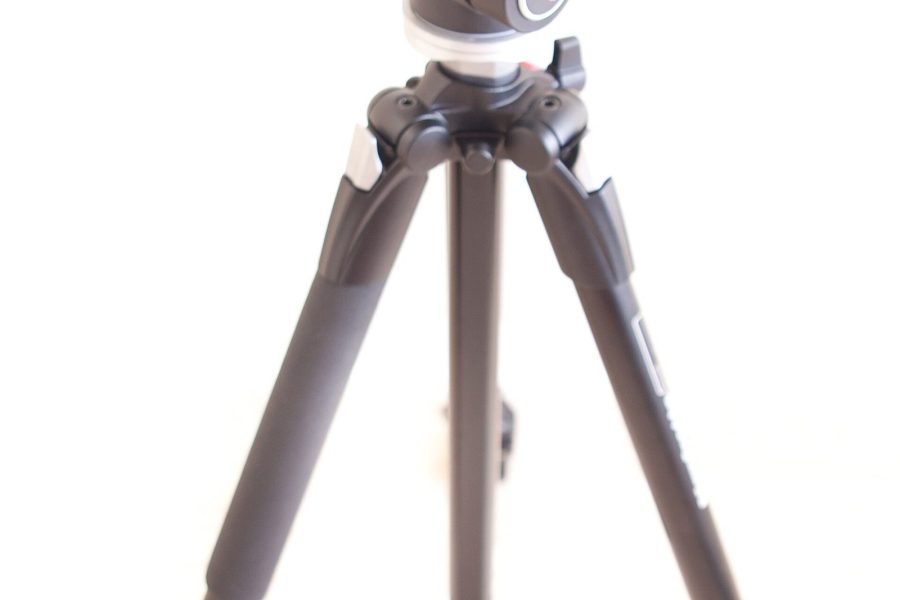
- Tripods: Look for a sturdy yet portable option. The maximum load capacity should be double your heaviest camera and lens combination.
- Lighting equipment: External flashes, softboxes, or LED panels can dramatically improve your photography, especially for portraits and studio work.
- Camera bags: Choose based on your typical shooting scenarios. Backpacks offer more space, while shoulder bags provide quick access.
- Filters: Neutral Density (ND) filters and polarizers help control light and reflections.
- Cleaning kits: Essential for maintaining image quality and prolonging equipment life.
- Post-processing software: Consider options like Adobe Lightroom or free alternatives like GIMP.
- Specialized accessories: These might include underwater housings, remote shutter releases, or battery grips.
To manage your budget effectively, start with essentials like memory cards and a tripod. Research trusted brands and consider bundles for better value. Allocate funds for future expansions as your skills and needs evolve.
"Invest in good glass; the lens often matters more than the camera body."1
 Save
SaveChoosing Between New and Used
Selecting new or used cameras requires evaluating factors like budget, warranty preferences, and desired features.
New cameras offer the latest technology, manufacturer warranties, and bundled deals. For example, a new Sony A7 IV incorporates recent innovations in image quality, autofocus, and video capabilities. However, new cameras often come at a premium price.
Used cameras can be an attractive alternative if budget is a concern. High-quality used cameras can be found at a fraction of the cost of new models. For instance, a well-maintained used Nikon D750 can provide excellent performance while being more affordable than the latest models.
When considering used cameras:
- Inspect the equipment thoroughly
- Check for signs of wear and shutter count
- Purchase from reputable sources that offer warranties
Buying used also offers the opportunity to afford higher-end models that might be out of reach when new. For example, a professional-grade camera like the Canon 5D Mark IV might be attainable used at a price comparable to a new mid-range model.
The market for used lenses is also extensive, offering significant savings on high-quality optics like the Nikon 70-200mm f/2.8 or Canon EF 24-70mm f/2.8L II USM.
The decision between new and used cameras depends on individual priorities. If having the latest technology and a manufacturer's warranty is crucial, investing in new equipment is preferable. However, if budget is a significant factor, purchasing used cameras can offer great value and enable you to acquire higher-grade gear.
Evaluating Brand Ecosystems
Assessing brand ecosystems is important when making a long-term investment in photography equipment. Each brand offers unique advantages in lens availability, reliability, and future-proofing potential.
Lens Availability:
Canon, Nikon, and Sony have extensive lens lineups ranging from budget-friendly options to high-end professional-grade lenses.
- Canon: EF and RF lens mounts offer versatile options for both DSLR and mirrorless systems.
- Nikon: F-mount lenses are compatible with their newer Z-mount mirrorless cameras via adapters.
- Sony: Quickly expanded E-mount lens catalog and collaborates with third-party manufacturers.
Smaller ecosystems like Fujifilm and Olympus offer specialized selections suited to their specific sensor sizes and user bases. Fujifilm's X-mount lenses cater well to street and portrait photographers, while Olympus focuses on compact lenses ideal for travel photography.
Brand Reliability:
- Canon and Nikon: Established reputations for building durable, reliable cameras.
- Sony: Quickly built a reputation for reliability with its Alpha series.
- Fujifilm: Known for its retro design and solid build quality.
Future-proofing:
Consider the brand's roadmap for future developments:
- Canon and Nikon have invested significantly in mirrorless technology.
- Sony's aggressive innovation cycle positions it well for future advancements.
- Fujifilm and Olympus continue to innovate within their niche markets.
Evaluating brand ecosystems involves assessing lens availability and quality, brand reliability, and commitment to future innovations. Understanding these factors will guide you in making an informed decision that aligns with your photography goals.
 Save
SaveChoosing the right camera involves understanding various factors, from sensor size to lens options. By carefully considering these elements, you can select a camera that aligns with your specific needs and enhances your photography experience.