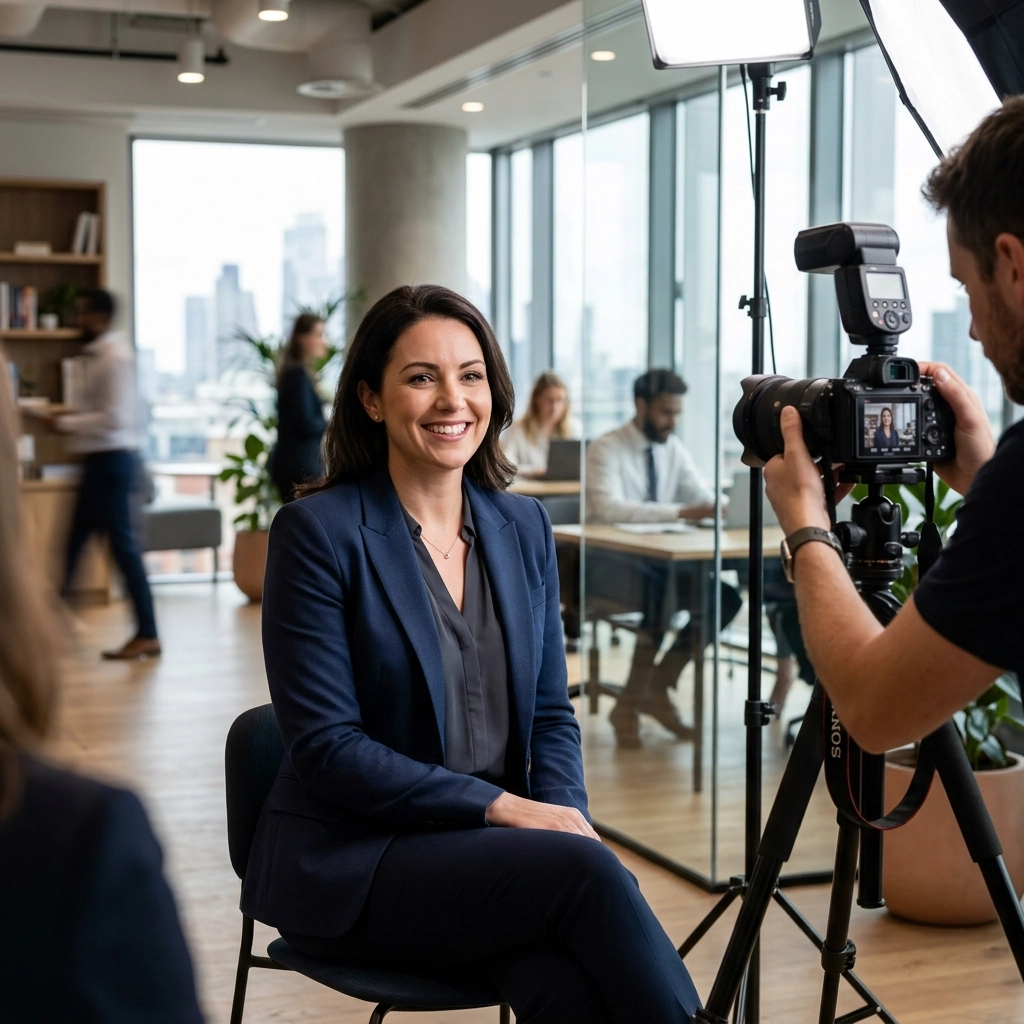
Let’s be real for a second: your corporate headshot is your digital handshake. In 2026, before anyone meets you in person, they’ve already scanned your LinkedIn, checked your "About Me" page, and probably judged your professional competence based on a single JPEG. If that JPEG is a grainy photo of you at a 2014 New Year's Eve party with your arm around a cropped-out ghost, we need to talk.
At Shut Your Aperture, we see it all. We see the great, the good, and the "why-did-you-upload-this?" As a photographer, I can tell you that a bad headshot isn't just a missed opportunity; it’s a branding disaster. But don't sweat it, fixing these mistakes is easier than learning how to use manual mode on a camera (though if you want to learn that, you should check out our guide on how to use manual mode without getting overwhelmed).
Here are the 7 most common mistakes people make with their corporate headshots and, more importantly, exactly how to fix them.
1. The "Ghost of 2012" (Using an Outdated Photo)
We’ve all seen it. You hop on a Zoom call with "Dave" from accounting, and the guy on the screen looks absolutely nothing like the guy in the profile picture. Dave’s profile picture has a full head of dark hair and no glasses. The Dave on the screen is rocking a salt-and-pepper beard and a shiny dome.
Using an outdated photo is the fastest way to lose trust. It feels deceptive, even if it’s just a result of laziness. A professional headshot should represent who you are today. If you’ve changed your hairstyle, aged five years, or had a significant style shift, it’s time for a refresh.
The Fix: Schedule a professional session every two years. If you’re in a fast-moving industry like tech or media, make it every year. When you’re researching how to prepare for a headshot session, the first step is simply acknowledging that the current version of you is the one people want to hire.
2. The "Bathroom Mirror Special" (Poor Lighting)
Lighting is the difference between looking like a CEO and looking like a suspect on a true-crime documentary. One of the biggest mistakes is relying on overhead office lights or, worse, a selfie in a dimly lit room. Harsh shadows under the eyes (the "raccoon" look) or a weird yellow tint from fluorescent bulbs can kill the vibe instantly.
Finding the best lighting for executive portraits is a science. You want light that is soft, directional, and flattering. Usually, this involves a large light source (like a window or a softbox) angled slightly to one side to create depth without creating deep shadows.
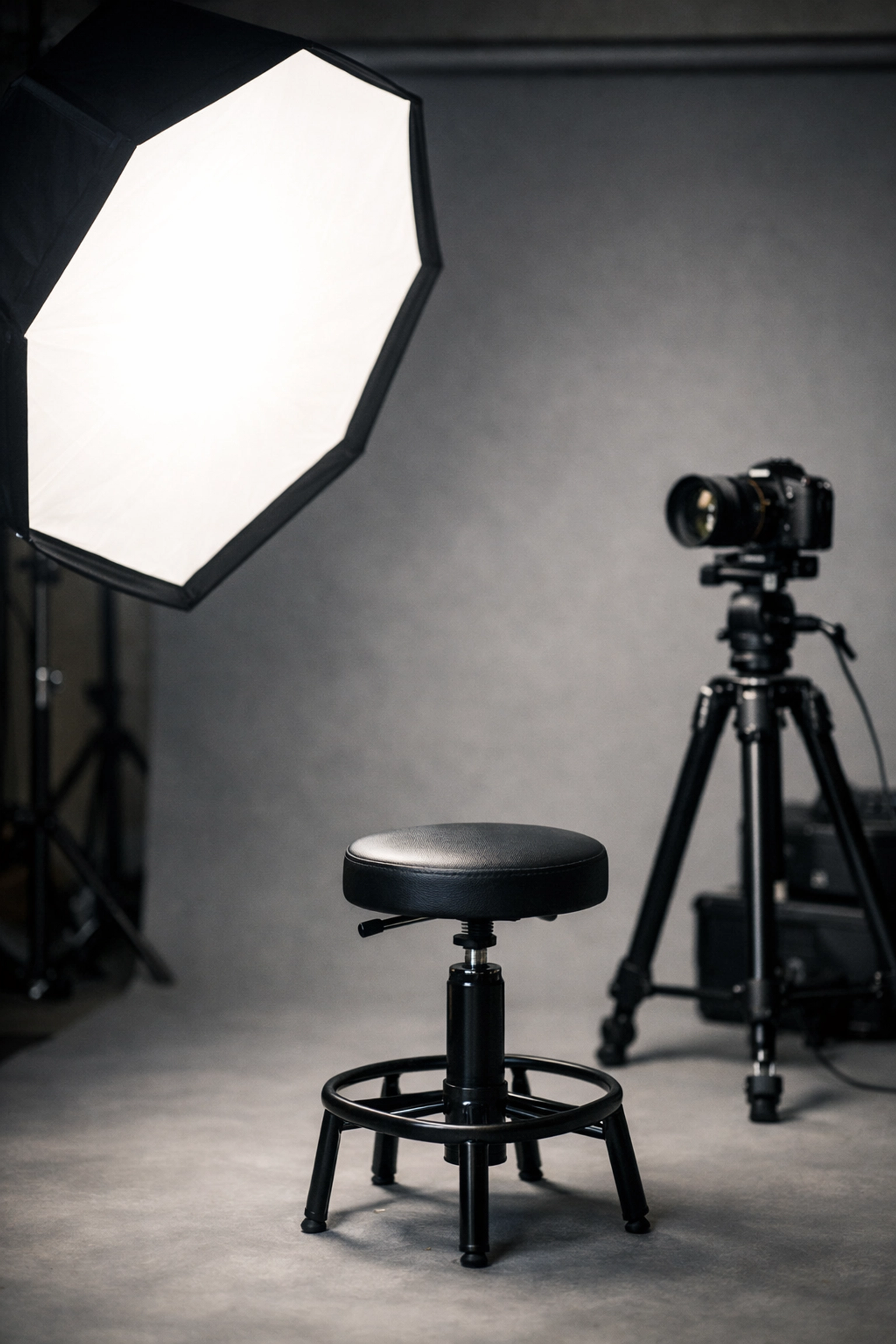
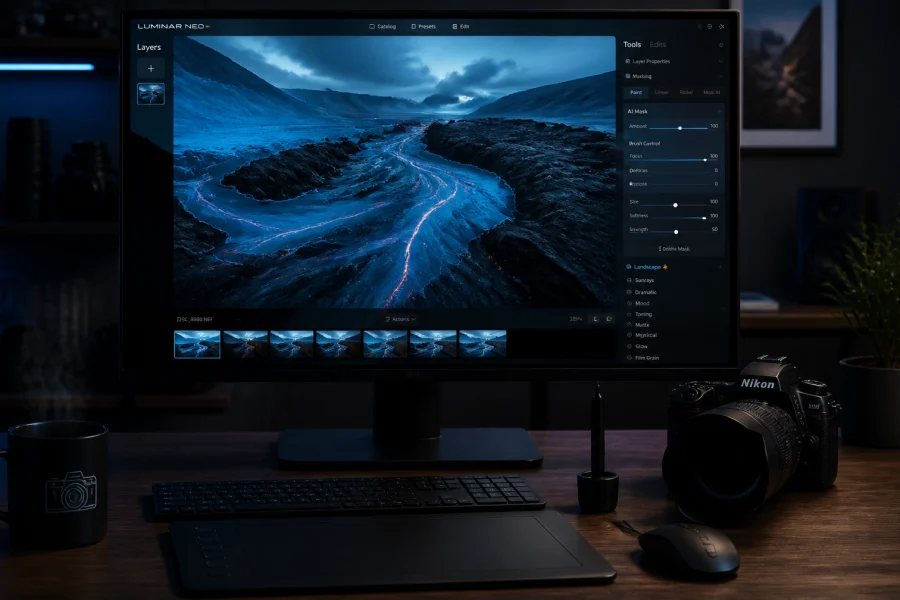
The Fix: If you’re DIY-ing it (though we really suggest you don't), find a large window with indirect sunlight. If you’re hiring a pro, ask about their lighting setup. A great photographer will know how to block out light contamination from overhead office fixtures to ensure your skin tone looks natural. If you end up with some weird color casts, you can always use a tool like Luminar to balance the whites and fix the skin tones in post-production.
3. Dressing for the Wrong Decade (or Occupation)
Your wardrobe sets the tone. A common mistake is wearing busy patterns that "vibrate" on camera or clothes that don't fit right. If your suit jacket is two sizes too big, you look like a kid playing dress-up. If it’s too small, you look uncomfortable.
Another issue is a mismatch in brand tone. If you work at a creative startup but show up in a three-piece suit and a power tie, you look out of touch. Conversely, if you’re a high-stakes lawyer and your headshot features a Hawaiian shirt… well, good luck with that.
The Fix: Stick to solid colors. Navy, charcoal, and forest green are timeless and look great on almost everyone. Avoid "loud" patterns that distract from your face. When looking for professional corporate headshot tips, we always suggest bringing at least three outfits: one formal, one "business casual," and one that feels uniquely you. If you’re stuck, check out some professional headshot inspiration to see what the leaders in your industry are wearing.
4. The Dreaded "Arm-in-the-Frame" Crop
We get it. You were at your sister’s wedding, the lighting was perfect, your hair was on point, and you looked amazing. So, you cropped yourself out of the group photo and uploaded it as your professional headshot.
The problem? Everyone can tell. There’s usually a stray hand on your shoulder, or the angle is slightly off because you were leaning into the person next to you. It looks amateur and signals that you aren't willing to invest in your own professional image.
The Fix: Stop cropping and start shooting. A dedicated headshot session allows the photographer to focus on your angles, your expression, and your brand. If you’ve spent money on event photography gear for your own business events, you know that purpose-built shots always win over "happy accidents."
5. Busy or Inconsistent Backgrounds
If you’re taking headshots for a whole team, nothing looks worse than a "Meet the Team" page where everyone is on a different background. One guy is in a park, one woman is against a white wall, and another person is in a dark hallway. It looks disjointed.
For individuals, a busy background can be a major distraction. You want the viewer’s eye to go straight to your eyes, not to the weirdly shaped plant growing out of your head in the background.

The Fix: For teams, create a visual style guide. Decide on a background, whether it’s a classic grey, a blurred office environment (bokeh), or a solid white. If you’ve already taken the photo and hate the background, you can learn some sky replacement or background tricks in Photoshop to clean things up, but it’s always better to get it right in the camera. For the best results, visit Perfect Corporate Headshots to see how a consistent background strategy can elevate a brand's look.
6. Overdoing (or Underdoing) the Polish
There’s a fine line between "camera-ready" and "stage-makeup." In an attempt to look their best, some people go overboard with heavy foundation or dramatic hair styling that doesn't look like them in real life. On the flip side, some people show up to a shoot having just rolled out of bed, thinking the camera won't pick up the details.
News flash: Modern mirrorless cameras pick up everything. Every stray hair, every bit of dry skin, and every smudge of mascara.
The Fix: Aim for "you on your best day." For makeup, go slightly heavier than your daily wear (as cameras tend to "eat" about 20% of your makeup), but keep the colors natural. For hair, stick to a style you actually wear. If you’re using a professional photographer, they might have a stylist on hand, use them! And if you're worried about the technical side of the shot, keep up with the latest photography news to see how new sensors handle skin tones.
7. Skipping the Professional Retouch
Thinking that "natural" means "straight out of the camera" is a mistake. Even the most beautiful person on the planet benefits from a little bit of retouching. We aren't talking about making you look like a plastic doll; we’re talking about removing a temporary blemish, softening some distracting under-eye circles, or whitening teeth just a notch.
Many people skip this step because they’re afraid of looking "fake," but batch editing or no editing can leave you looking washed out or highlight imperfections that aren't usually noticeable in person.
The Fix: Individual retouching is a must. A good editor will use tools like Luminar or Photoshop to enhance your best features while keeping your "character lines" intact. If you want to learn how to do some of this yourself, check out our beginner's guide to mastering your workflow.
Why You Should Care (The ROI of a Great Headshot)
You might be thinking, "It’s just a photo, is it really worth all this effort?"
Yes.
In a world where we are increasingly digital-first, your image is your currency. A high-quality headshot signals that you are professional, detail-oriented, and serious about your career. It gives you the confidence to reach out to high-value leads and apply for those executive roles.
When you follow these professional corporate headshot tips, you’re not just getting a new profile picture; you’re investing in an asset that works for you 24/7. Whether you are using a new mirrorless camera yourself or hiring a pro, the goal is the same: clarity and connection.
How to Prepare for a Headshot Session: A Quick Checklist
Before you head into your next shoot, run through this quick list to make sure you’ve avoided the big mistakes:
- Update: Is your current photo more than 2 years old? (If yes, book the shoot).
- Clothing: Are you wearing solid colors that fit well?
- Grooming: Are you styled like "you on your best day"?
- Lighting: Have you discussed the best lighting for executive portraits with your photographer?
- Retouching: Is individual retouching included in your package?
If you can check all those boxes, you’re already ahead of 90% of the people on LinkedIn.
Final Thoughts on Your Professional Image
Don't let a bad photo hold you back. We spend so much time perfecting our resumes, our portfolios, and our pitch decks, yet we often ignore the one thing people see first. Fixing these 7 mistakes will instantly elevate your professional brand.
If you’re ready to take your image to the next level and want to see what a world-class headshot looks like, head over to Perfect Corporate Headshots. They specialize in making sure you look like the absolute best version of yourself: no "floating arms" or "ghost of 2012" included.
And if you’re looking to dive deeper into the world of photography and editing, stay tuned here at Shut Your Aperture. From mastering Photoshop brushes to understanding the latest camera tech, we’ve got everything you need to keep your visual game strong.

Remember, your headshot is an investment, not an expense. Treat it like one, and the results will speak for themselves. Now, go delete that cropped wedding photo( you’re better than that!)
Skylum’s Aperty is purpose-built for portrait retouching with AI skin, eye and detail enhancement. Luminar Neo’s Portrait AI complements it for full-body and editorial work. Tagged as affiliate per FTC.