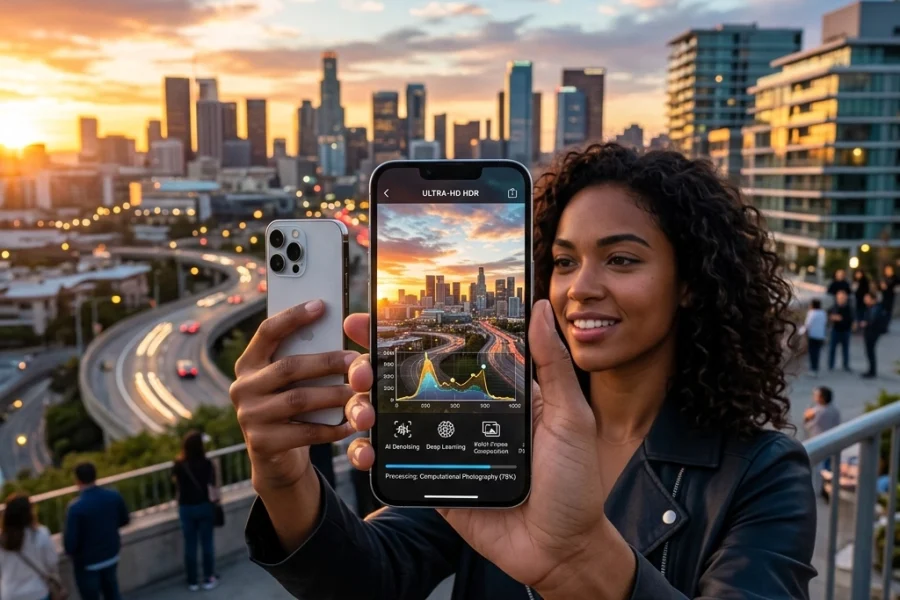
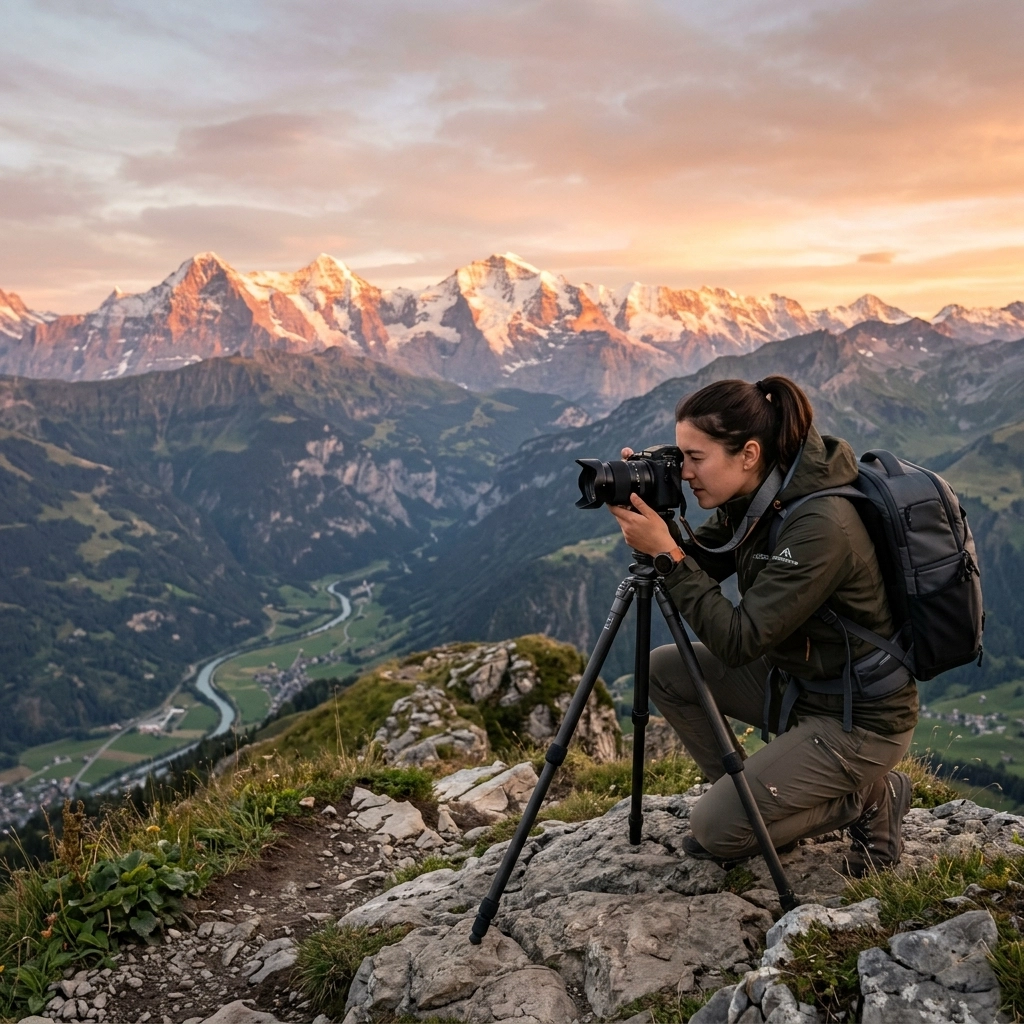
Look, photography isn't what it used to be. It’s better, faster, and arguably a bit weirder than it was five years ago. We’re sitting here in 2026, and the tech in our pockets and bags is more powerful than anything we dreamed of back in the early 2010s. But here’s the thing: despite the AI autofocus and the crazy dynamic range, the fundamentals haven't changed. A crappy photo with 100 megapixels is still just a high-resolution crappy photo.
If you want to succeed this year, you need to bridge the gap between "I have a cool camera" and "I know how to make art." That’s where photography tutorials come in. But don't just go watching random YouTube clips while you eat your lunch. You need a roadmap.
This guide is that roadmap. We’re going to cover everything from the exposure triangle to the latest AI-powered mirrorless tech, ensuring you’re not just taking pictures, but making them.
The Foundation: Why You Still Need to Master the Basics
Before you go buying the latest $4,000 body, you need to understand how light works. Light is the only thing we’re actually capturing. If you don't respect it, it won't respect you.
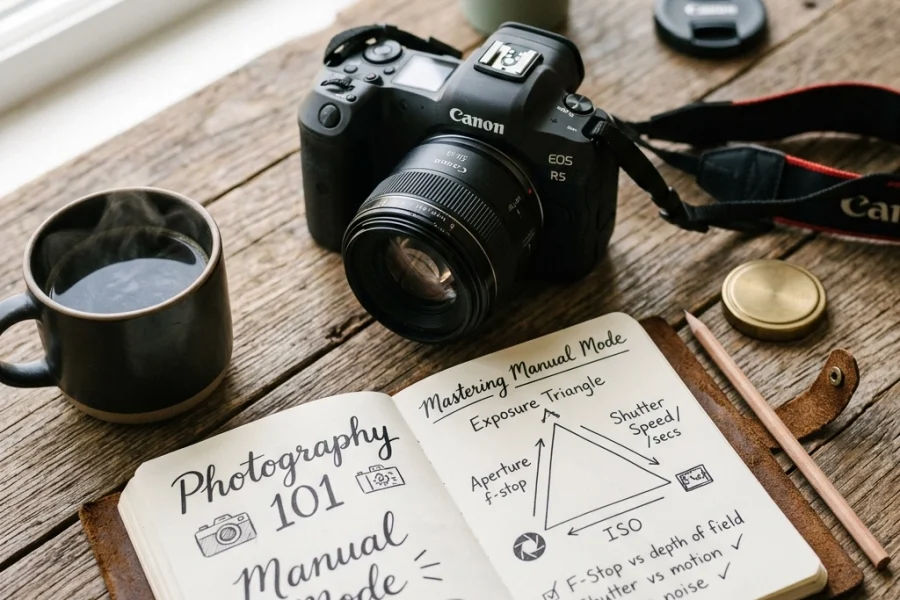
The first stop for anyone serious about this is a solid photography 101 guide. You need to learn the "big three": Aperture, Shutter Speed, and ISO. This is the Exposure Triangle. Think of it like a three-legged stool; if one leg is too short, the whole thing falls over.
Aperture: Your Creative Eye
Aperture is all about the opening in your lens. It controls two things: how much light gets in and your depth of field. If you want those blurry backgrounds (bokeh) that make portraits pop, you need a wide aperture (a low f-number like f/1.8). If you’re shooting landscapes and want everything from the pebble at your feet to the mountain in the distance to be sharp, you need a narrow aperture (a high f-number like f/11).
Shutter Speed: The Time Keeper
This is how long your sensor is exposed to light. Fast shutter speeds (1/1000 sec) freeze motion. Slow shutter speeds (1/15 sec or longer) create motion blur. This is how people get those silky-looking waterfalls or light trails in the city.
ISO: The Sensitivity Dial
ISO is your camera's sensitivity to light. In 2026, cameras are insanely good at high ISOs, but the rule still stands: keep it as low as possible for the cleanest image. High ISO introduces noise (grain), though modern tools like Luminar have gotten scary-good at cleaning that up in post.

Mastering Manual Mode (Stop Fearing Your Camera)
If you are still shooting in "Auto" (the little green icon), you are letting a computer make all your creative decisions. It’s like buying a Ferrari and only driving it in school zones.
You need to master manual mode. It’s intimidating at first, sure. You’ll probably take a bunch of black photos or completely blown-out white ones. That’s fine. That’s how you learn. Manual mode gives you the keys to the kingdom. It allows you to decide exactly how the motion is captured and how much of the scene is in focus.
There are common mistakes people make in manual mode, like forgetting to check the light meter or not adjusting ISO when moving from sun to shade. Once you nail this, you’ll never go back to Auto. If you want a structured way to learn this, check out our comprehensive courses.
Gear in 2026: Mirrorless and AI Integration
We can't talk about photography tutorials this year without talking about gear. We’ve moved past the "DSLR vs. Mirrorless" debate: mirrorless won. Now, the conversation is about how much AI is tucked inside your camera body.
Mirrorless cameras for your 2026 kit are now coming with dedicated AI chips. These aren't just for choosing settings; they are for real-time subject recognition. Whether you’re shooting a bird in flight, a car on a track, or a model’s eye, the autofocus systems now are basically magic.
There’s been a lot of buzz lately about AI-powered mirrorless tech. It helps with everything from noise reduction in-camera to predicting where a subject will move next. If you’re a pro, this isn’t "cheating": it’s an efficiency tool. It lets you focus on composition and timing while the camera handles the technical heavy lifting of staying in focus.

Composition: The Secret Sauce
You can have a $10,000 Nikon Z9 or a Sony A1, but if your composition is boring, your photo is boring. Photography tutorials often skip the "art" side to focus on the "spec" side, but that’s a mistake.
The rule of thirds is your starting point, but don't stop there. Look for leading lines, natural frames (like shooting through a window or tree branches), and symmetry.
If you’re feeling stuck, try some creative street photography ideas. Street photography is one of the best ways to train your eye because you can't control the environment. You have to react to it. It forces you to see patterns in chaos.
Niche Tutorials: Finding Your Specialization
Once you’ve got the basics down, it’s time to specialize. Different genres require different mindsets.
Landscape Photography
Landscape photography is about patience and planning. It’s about being in the right place at 5:00 AM when the light hits just right. Most people fail here because they don't understand their gear or they settle for mediocre light. Avoid these landscape photography mistakes and you’ll start seeing a massive shift in your portfolio. You can also find more pro-level tips over at PhotoGuides.org.
Portraiture and Headshots
Portraits are about connection. You need to know how to work with natural light to flatter your subject. If you’re looking to get into the corporate world, professional corporate headshots are a huge market. It’s not just about the camera; it’s about posing and making people feel comfortable in front of the lens.
Real Estate Photography
This is where the Nikon Zf has been making waves lately. If you’re using that specific body, there are certain Nikon Zf settings for real estate that will make your workflow much faster. Real estate is about wide angles, straight lines, and perfect exposure (often using HDR techniques).

The Post-Processing Revolution
Taking the photo is only half the battle. In 2026, post-processing is where the "look" of your brand is created. Whether you’re a fan of the clean, natural look or something more cinematic, you need to master your software.
Luminar is a powerhouse here, especially with its AI sky replacement and skin enhancement tools. It can save you hours of tedious masking. However, with great power comes great responsibility. It is very easy to over-edit.
We see it all the time: skies that are too blue, skin that looks like plastic, and HDR that hurts the eyes. There are specific mistakes to fix with AI photo editing. The goal of editing should be to enhance what’s there, not to fake a photo that didn't happen: unless you’re going for digital art, in which case, go wild.
Staying Informed: Photography News Matters
The industry moves fast. One day a new lens is announced that changes the way we shoot low light, and the next, a firmware update gives your "old" camera brand-new features.
Staying on top of the biggest photography news stories is part of being a professional (or a dedicated hobbyist). Understanding why AI photography news matters will help you decide when to upgrade your gear and when to stick with what you have.
I always tell people to check out blog.edinchavez.com for a more personal take on how these industry shifts affect working photographers. It’s one thing to read a spec sheet; it’s another to hear how a lens performs on a three-week shoot in the Himalayas.

Why You Should Invest in Education
You can spend years "guessing" and trying to figure it out on your own. Or, you can follow a proven path. The most successful photographers I know never stop being students. They are always looking at new tutorials and trying new techniques.
Whether you want to sell your work as fine art or just take better photos of your family, the investment in your own knowledge will always pay higher dividends than a new piece of glass.
Tips for Success This Year:
- Shoot Every Day: Even if it’s just with your phone. Practice seeing light.
- Critique Your Own Work: Be ruthless. Why is this photo bad? Why is this one good?
- Learn One New Skill a Month: This month, master long exposures. Next month, master off-camera flash.
- Print Your Work: Seeing your photos on paper changes everything. It exposes flaws that a small screen hides.
The world doesn't need more people taking the exact same photos of the exact same landmarks. It needs your unique perspective. Tutorials give you the tools to express that perspective clearly.
If you’re ready to take the next step, dive into our Photography 101 guide and start building your foundation. The tech will keep changing, but the soul of a great image is timeless. Go out there and find yours.