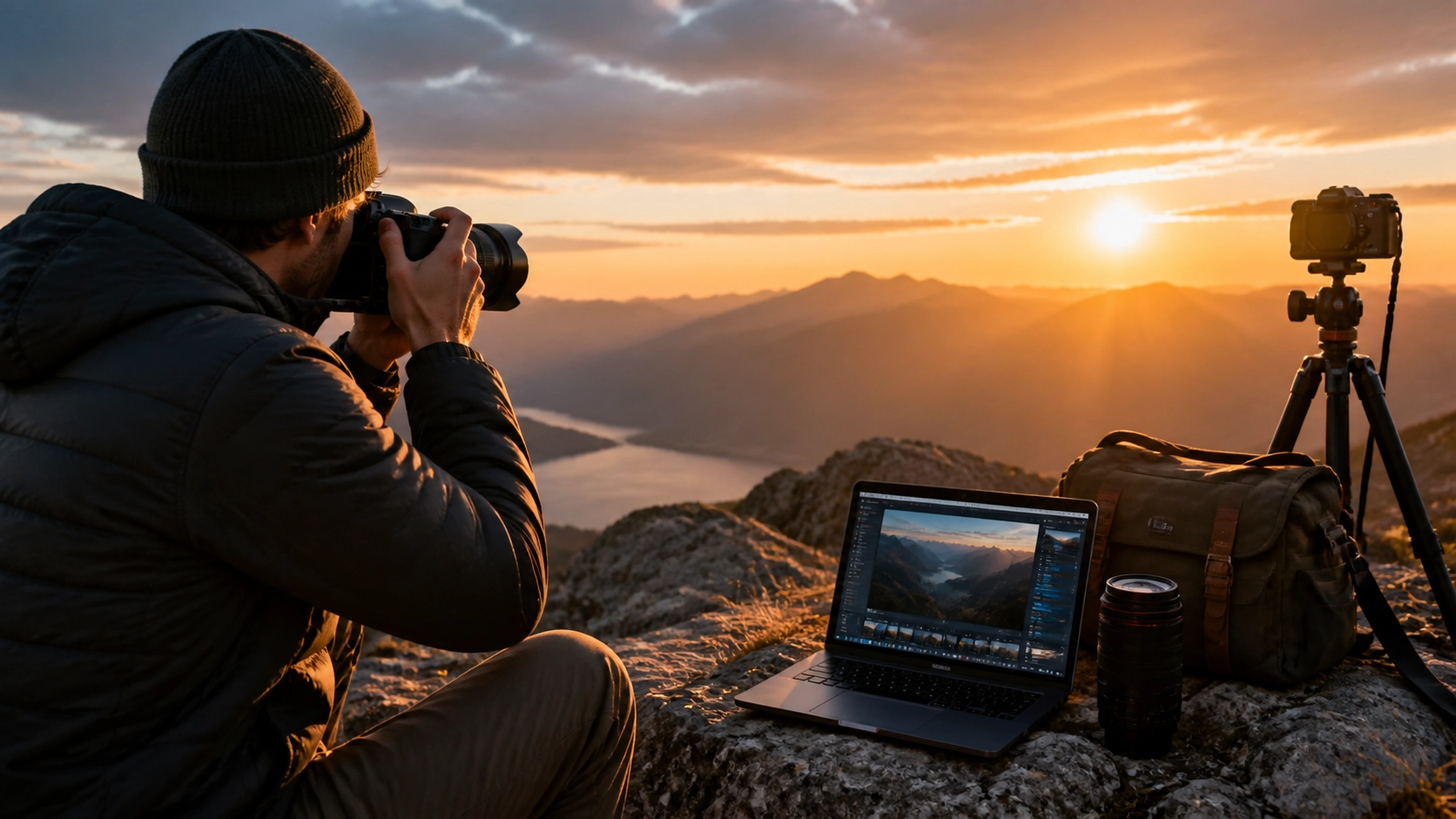
Photography is a moving target. Just when you think you’ve mastered the exposure triangle or finally figured out how to make your subjects look natural, a new firmware update drops, a new sensor technology emerges, or AI decides it can "enhance" your photos into a different dimension. It’s a lot to keep up with.
Whether you are holding a high-end mirrorless rig or just trying to get the best out of your smartphone, the goal is always the same: capturing a moment that tells a story. At Shut Your Aperture, we live for this. This guide is your 2026 roadmap to the latest tutorials, industry news, and those "aha!" tricks that actually make a difference in your final shot.
The State of Gear in 2026: Canon vs. Sony and Beyond
If you’ve been hanging around camera shops or lurking in forums lately, you know the debate between the big players hasn’t cooled down. In fact, the competition has pushed camera tech to places we only dreamed of a few years ago.
For those looking to upgrade this year, the big question remains: Canon EOS R5 vs Sony A7R V: which should you buy in 2026?. Sony continues to dominate with its "smart" autofocus that can track a bird’s eye through a thicket of branches, while Canon’s color science and ergonomics still feel like home to many professionals.
But it’s not just about the heavy hitters. We’re seeing a massive surge in specialized gear. The micro four-thirds market, for instance, is thriving because people realized they don't always want to carry a five-pound brick around their neck. The OM System has become a cult favorite for niche photographers who need speed and portability.

Mastering Your Settings: A Genre-By-Genre Guide
Having the best camera in the world won’t save you if your settings are a mess. We see it all the time: someone buys a flagship camera and shoots in "Auto" for a year. Don't be that person. You need to tailor your camera’s brain to the specific environment you're standing in.
If you’re rocking the OM System OM-1 Mark II, you’ve got a beast of a machine, but it requires a bit of tuning to really sing. Depending on what you're shooting today, here are the settings you should be looking at:
- Wildlife: Speed is everything. You need to nail those OM System OM-1 Mark II settings for wildlife photography to ensure you aren't just coming home with blurry brown blobs that used to be deer.
- Sports: Similar to wildlife but with more predictable patterns. Check out the settings for sports photography to lock onto athletes with surgical precision.
- Real Estate: This is all about dynamic range and wide angles. You want your OM System OM-1 Mark II settings for real estate photography to capture the light in the windows without blowing out the highlights.
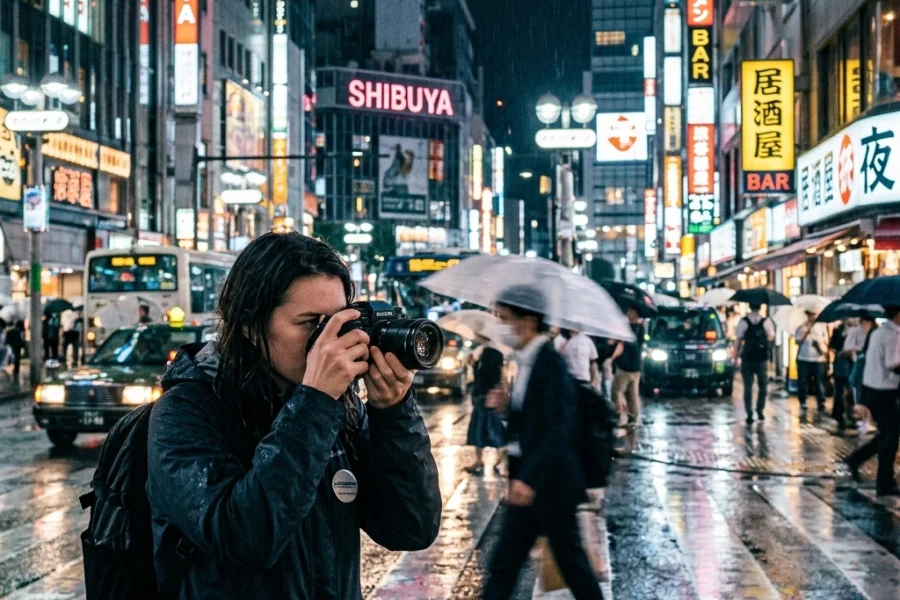
- Street: You need to be a ghost. Use the settings for street photography to stay fast and unobtrusive.
If you are just starting out and want to build a solid foundation, check out the ultimate guide to portrait photography techniques. It covers everything from posing to light placement, which are the real "secrets" to great photos.
Why You Should Stop Ignoring Your Phone Camera
Let’s be real: the best camera is the one you actually have with you. In 2026, smartphone photography has bridged the gap so much that even pros are using them for B-roll and quick social content. But if you want to step up from a phone to something slightly more "pro" without the bulk, the Sony ZV-E10 II has become the go-to for many vloggers and hobbyists.
Whether you’re shooting product photography for your side hustle or trying to capture sports from the sidelines, these compact mirrorless cameras offer features that phones still struggle with, namely, real optical bokeh and better low-light performance.
7 Mistakes You Are Probably Making (And How to Fix Them)
We all make mistakes. Edin Chavez often says that the best way to learn is to fail, but it's a lot faster if you learn from someone else's failures. Landscape photography is a prime example of where things go wrong for beginners.
Most people think you just find a pretty mountain and click the shutter. Wrong. You’re likely forgetting about foreground interest, or you’re shooting at the wrong time of day, or you’re over-processing your skies. We’ve rounded up the 7 mistakes you’re making with landscape photography and how to fix them. Read it, apply it, and stop coming home with flat, boring shots.
For more technical deep dives, I always recommend checking out PhotoGuides.org. They have some of the most consistent and clear technical advice on the web.

The News: Staying Up to Date Without the Noise
The photography world moves fast. Every morning, there's a new "leak" about a lens or a "game-changing" software update. It can be exhausting. That’s why we created a way to digest all the fluff.
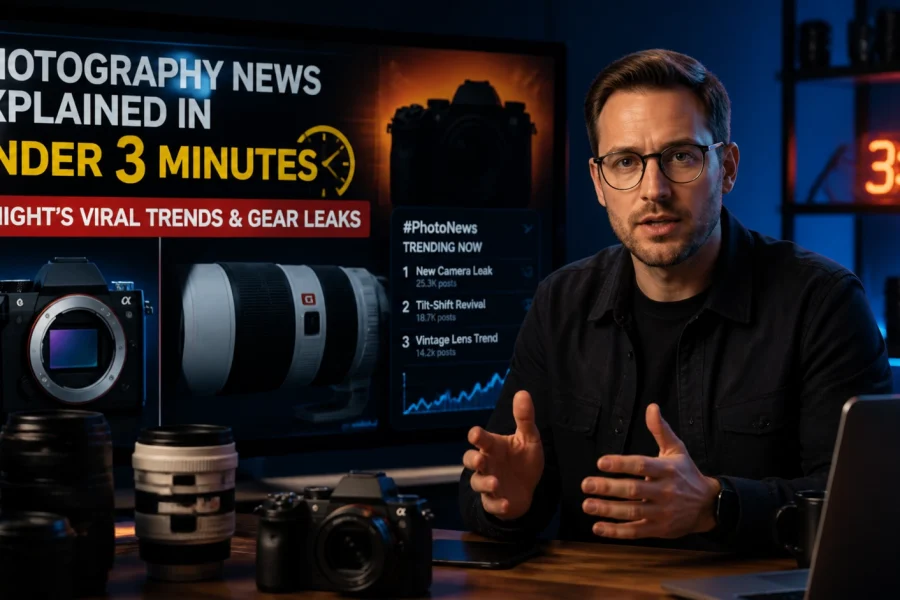
If you don't have an hour to scroll through forums, you can get tonight's photography and videography news explained in under 3 minutes. It’s the "just the facts" version of what’s happening in the industry. It helps you stay informed without falling down a rabbit hole of gear acquisition syndrome.
Sometimes, the news isn't just about gear; it's about technique. We frequently find gems in the morning updates that can shift your entire workflow. For instance, looking for better techniques? Here are 10 things you should know from this morning’s photography news.
The AI Editing Revolution
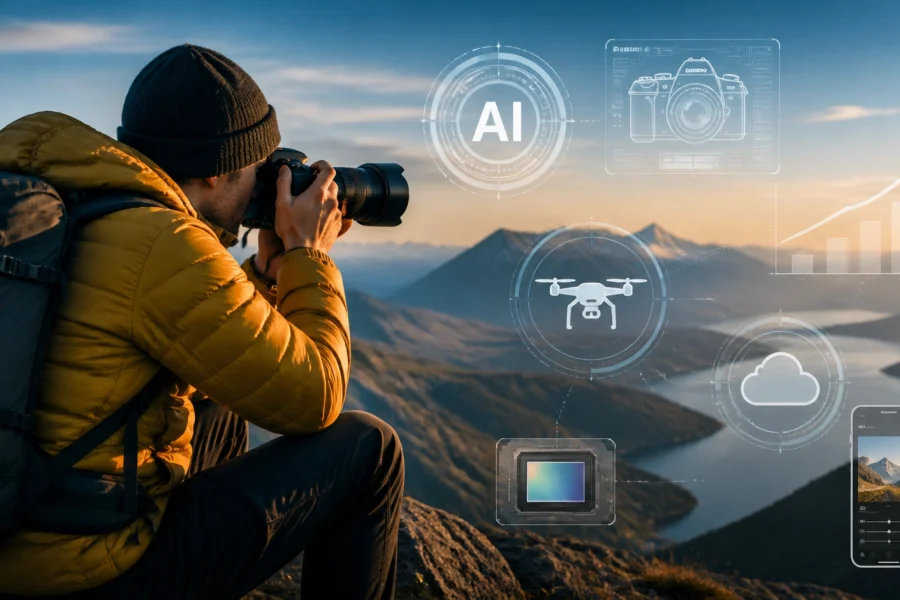
We can't talk about photography in 2026 without talking about editing. The days of spending six hours meticulously clicking a mouse to remove a stray hair are largely over. AI has moved from a gimmick to a legitimate tool in every professional's arsenal.
One of the big players here is Skylum. If you haven't tried Luminar, you are missing out on some of the most intuitive AI masking and sky replacement tools on the market. Luminar allows you to focus on the creative side of the edit rather than the technical drudgery.
However, a word of caution: don't let the AI do the thinking for you. Use tools like Luminar to enhance what you've already captured, not to create a scene that never existed (unless you're into digital art, in which case, go nuts!). If you want to dive deeper into how to integrate these tools into a consistent style, check out blog.edinchavez.com for some behind-the-scenes looks at professional workflows.
Lighting: The Final Frontier
If you master light, you master photography. It’s that simple. Most beginners worry about megapixels, while the pros are worrying about the direction and quality of the light hitting the sensor.
Natural Light vs. Artificial Light
In 2026, the trend has shifted back toward "authentic" natural light. The "heavy flash" look is being replaced by soft, window-lit portraits and moody, ambient street shots. But natural light is tricky because you can't control the sun. You have to learn how to manipulate it with reflectors and diffusers.
If you're looking for inspiration on how to use light to create fine art, you absolutely have to see the work on www.edinfineart.com. Seeing how light interacts with the landscape can change the way you look at a scene before you even pull your camera out of the bag.

A Practical 4-Week Learning Plan
To truly improve, you need more than just a list of tips, you need a plan. Here is a simple 28-day challenge to elevate your skills:
Week 1: Composition Mastery
Forget your settings for a minute. Put your camera on "Auto" (yes, I said it) and focus entirely on the frame. Look for leading lines, negative space, and the rule of thirds. Take 50 photos a day. By day 7, you’ll start seeing shapes rather than objects.
Week 2: Manual Mode Deep-Dive
Now, switch to Manual. Spend this week understanding how your shutter speed affects motion and how your aperture changes the depth of field. If you find yourself struggling, head over to https://learn.shutyouraperture.com/ for some structured lessons that break this down into plain English.
Week 3: The Magic of Light
Shoot only during the Golden Hour (the hour after sunrise and the hour before sunset). Pay attention to how the long shadows create texture. Then, try shooting in harsh midday sun and figure out how to make it work (hint: find shade or use a polarizer).
Week 4: The Post-Processing Workflow
Take your best shots from the last three weeks and bring them into your editor. Use Luminar to bring out the details in the shadows or to balance the exposure of your skies. The goal here isn't to change the photo, but to make it look like how you remembered the scene.
How to Stay Inspired
It is easy to get burnt out when you feel like you aren't making progress. This is why community matters. Follow the work of others, join local photo walks, and keep your feed filled with stuff that makes you want to get out and shoot.
We work closely with Sonny, our Social Media Manager, to ensure that the tips we share on Instagram and TikTok align with these deep-dive tutorials. If you see something cool on our social channels, there’s a high chance there’s a detailed blog post here explaining exactly how we did it.
Photography isn't about being perfect; it's about being present. Don't get so caught up in the news and the gear that you forget to actually push the button. The "latest" tip will always be the same: go outside, find something beautiful (or ugly, or interesting), and capture it.
If you ever feel stuck, remember that even the pros started with a kit lens and a lot of blurry photos. Keep shooting, keep learning, and keep shutting your aperture.

Why Continuous Learning is Your Only Edge
The moment you think you know everything about photography is the moment your work starts to get stale. The industry changes. Styles change. The way people consume images changes.
Ten years ago, vertical photography was considered a sin. Today, if you aren't shooting vertical, you're missing out on 90% of the audience on mobile. Being a "good" photographer in 2026 means being an adaptable photographer.
We are constantly updating our resources to reflect these shifts. From the way we handle wedding photography to how we approach portraiture, the goal is to remain relevant without losing the soul of the craft.
Stay curious. Whether it’s a new tutorial on Luminar or a breaking news story about a new sensor, every bit of information is a tool in your bag. Use them wisely, and don't forget to enjoy the process.
For those who want to take it to the next level and get some real skin in the game, our structured courses at https://learn.shutyouraperture.com/ are designed to get you results without the fluff. We won't waste your time with 40 hours of theory; we give you the settings, the techniques, and the confidence to go out and get the shot.
Keep your batteries charged and your lenses clean. See you out there.