
Photography isn't just about clicking a button anymore; it’s about keeping your head above a literal tidal wave of gear releases, software updates, and industry shifts. If you blink, you’re shooting on "vintage" tech. If you look away for a weekend, AI has probably figured out how to replace your entire retouching workflow. Staying on top of photography news isn't a hobby: it’s a survival tactic for anyone serious about the craft. Whether you are a weekend warrior or a full-time pro, understanding the "why" behind the latest headlines is how you stay relevant.
Why Keeping Up With Photography News is Your Secret Weapon
In the early days, you could buy a camera and use it for a decade without feeling like you were missing out. Those days are dead. Today, the industry moves at the speed of silicon. A firmware update can literally turn a mediocre camera into a professional powerhouse overnight. A new software release from a company like Luminar can save you three hours of tedious masking work on a single wedding gallery.
When you follow photography news, you aren't just looking at shiny new toys. You are looking for efficiency. You are looking for competitive advantages. If everyone else is still struggling with manual object removal and you’ve jumped on the generative AI train, you’re winning. If you know that a major sensor breakthrough is coming in six months, you might hold off on that $4,000 purchase and save your cash for something better. News is knowledge, and in this industry, knowledge is profit.
The Hardware Shakeup: Recent Hits and Misses
The gear world has been on fire lately. We’ve seen a massive push toward compact, powerful bodies that don't sacrifice image quality. People are tired of carrying around heavy backpacks that cause permanent back damage. They want small, they want fast, and they want it to look good.
The Return of the Premium Compact: Leica D-Lux 8
Leica recently dropped the D-Lux 8, and the internet did exactly what you’d expect: it argued about the price point. But here’s the reality: there is a massive market for "carry-everywhere" cameras that actually feel like cameras. The D-Lux 8 continues that tradition of bringing Leica's legendary color science and tactile experience to a body that fits in a jacket pocket. It’s for the photographer who is tired of their smartphone’s over-processed look but doesn't want to lug a full-frame rig to dinner.
Fujifilm’s Masterclass: The X-T50 and GFX 100S II
Fujifilm is currently the king of "vibes," but they backed it up with some serious hardware. The X-T50 is the perfect example of trickle-down technology. You get much of the soul of the flagship X-T5, including that glorious 40MP sensor, but in a body that’s easier on the wallet and the shoulder.
And for the medium-format crowd? The GFX 100S II is a monster. It’s taking 100-megapixel-class technology and shoving it into a body that isn't much bigger than a standard DSLR. This is a game-changer for landscape and studio photographers who need that extreme dynamic range and resolution without the traditional medium-format bulk. If you're serious about your prints, check out some of the landscape and drone presets we’ve developed to see how much detail these sensors can actually hold.

The AI Revolution: It’s Not a Trend, It’s the New Normal
If you still think AI is a "cheat code" or a passing fad, I’ve got some bad news for you: the train has left the station, and it’s traveling at Mach 5. The latest news in software is dominated by one thing: Generative AI.
Adobe has been making waves with their Firefly integration in Photoshop and the new generative removal tools in Lightroom. You can now delete a stray tourist from a landscape shot with the click of a button, and the software doesn't just "clone" the grass; it imagines what should be there. It’s terrifyingly good.
But it’s not just Adobe. Companies like Luminar have been pioneers in this space for years. Their focus on making complex edits simple: like AI-driven sky replacement or skin retouching: has forced the industry giants to catch up. For a deep dive into how to integrate these tools into your workflow without losing your artistic soul, head over to PhotoGuides.org.
The "Is It Still Photography?" Debate
This is the hottest topic in photography news right now. When an AI can generate a background, fix your lighting, and even change the expression on a subject's face, where does the photographer end and the algorithm begin? My take? Use the tools, don't let the tools use you. If AI saves you ten hours of editing, that’s ten hours you can spend actually out in the world shooting. That’s a win.
Industry Trends: What’s Actually Happening on the Ground
Beyond the gear, the way we shoot is changing. Here are three major trends that have been dominating the headlines lately.
1. The Street Photography Surge
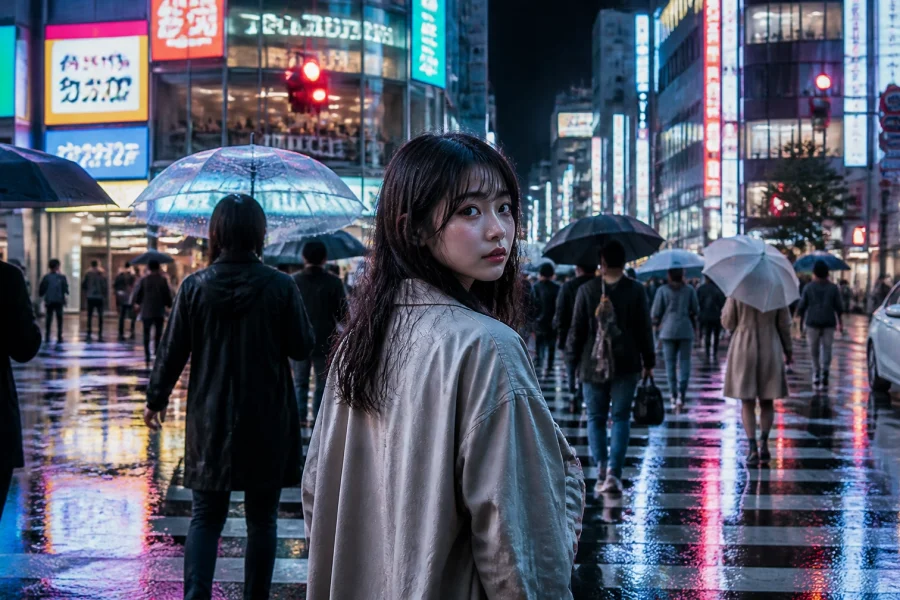
According to recent data from platforms like Flickr, street photography has seen a massive 30% surge in interest. People are moving away from overly posed, "perfect" Instagram shots and gravitating toward raw, candid urban storytelling. This is why cameras like the Fujifilm X-T50 and the Ricoh GR series are constantly sold out. We’re seeing a return to the "Decisive Moment" philosophy. If you're looking to up your game in this niche, our street photography Lightroom presets are a great place to start.
2. Video-First Mirrorless Bodies
The line between photographer and videographer has been blurred into oblivion. Every new camera release is now judged as much by its 4K internal recording and log profiles as it is by its megapixels. The Panasonic Lumix S9 is a perfect example: a camera designed specifically for creators who need high-quality video in a tiny package. If you’re torn between brands, you might find our comparison of the Panasonic Lumix S5 II vs Sony A7 IV particularly helpful for navigating this hybrid world.
3. The Global Aurora Event
In 2024, the world got a massive reminder of why we love photography: the incredible geomagnetic storm that sent the Northern Lights as far south as the UK and the southern US. This wasn't just a news story; it was a global community event. Millions of people were out with tripods, sharing tips on long exposures and ISO settings. It proved that despite all the tech, we are still driven by the desire to capture a moment of pure, natural wonder. For those who want to master these tricky lighting conditions, our ultimate guide to photography tutorials covers exactly how to handle manual mode in the dark.

How to Filter the Noise (And Not Go Broke)
The biggest problem with photography news is "GAS": Gear Acquisition Syndrome. Every time a new camera is announced, you’re told that your current one is basically a paperweight. Don't fall for it. Here is how I process the news without losing my mind:
- Look for Workflow Wins, Not Spec Wins: Does the new feature actually save you time? If a new camera has 10% better autofocus but you shoot architecture on a tripod, who cares? But if a software update like Luminar cuts your editing time in half, that’s worth paying attention to.
- Focus on Glass: Cameras come and go, but lenses are forever (mostly). News about a new 500mm super-telephoto lens for a medium format system is huge because it opens up entirely new genres of photography for those users. If you want to learn more about the technical side of lenses, check out blog.edinchavez.com.
- Education over Equipment: You can have a $50,000 Phase One system, but if you don't understand light, your photos will still suck. Always prioritize learning. If you're struggling with the basics, we’ve got a massive library of resources at https://learn.shutyouraperture.com/ that will do more for your photos than any new sensor ever could.
Staying Ahead of the Curve: Where to Get Your Daily Dose
You don't need to spend hours every day reading every single rumor site. Pick a few reliable sources and stick with them.
- YouTube Creators: Look for those who do long-term reviews, not just "first impressions."
- Industry Journals: Magazines and digital publications often have deeper dives into the why of the industry.
- Community Hubs: Sites like PhotoGuides.org are great for seeing how real photographers are using the new tech in the field.
If you’re just starting out and the news feels overwhelming, don't worry. Start with our guide on how to fix common manual mode mistakes. Once you master the basics, the news becomes much easier to parse because you’ll know exactly which "breakthroughs" actually matter to your style.

Deep Dive: The Canon EOS R1 and the Future of Pro Bodies
We can't talk about photography news without mentioning the elephant in the room: the development announcement of the Canon EOS R1. For years, Canon fans have been waiting for the "1" series to make its mirrorless debut. While specs are still being guarded like state secrets, the R1 represents the pinnacle of what’s possible.
We’re talking about autofocus that can predict where a soccer player is going to move before they even do it. We’re talking about burst rates that make film cameras look like stone tools. The news of the R1 isn't just about Canon; it’s a shot across the bow to Sony and Nikon. It keeps the competition fierce, which ultimately benefits us: the consumers. When the big three fight for dominance, we get better tech at lower prices.
The Role of Art in a Tech-Obsessed World
It’s easy to get lost in the megapixels and the frame rates, but let’s not forget why we’re here. We are artists. The news should inspire you to create, not just to consume. If you see a news story about a photographer winning a major award with a 10-year-old camera, let that be a lesson. Tech is a tool, not a talent.
I often spend time browsing www.edinfineart.com to remind myself of what the end goal is: creating something beautiful that stands the test of time. Whether you’re using the latest Luminar AI tools or a vintage film camera, the goal remains the same: tell a story.
Final Thoughts: Your Roadmap to Success
To succeed in photography today, you need to be a polymath. You need to be a part-time tech expert, a part-time software engineer, and a full-time artist. Photography news is the bridge between those worlds. It keeps you informed so you can make smart decisions with your money and your time.
Don't let the pace of the industry intimidate you. Embrace it. Use the AI tools to your advantage. Experiment with the new compact bodies. And most importantly, keep learning. If you’re looking for a structured way to improve, definitely check out https://learn.shutyouraperture.com/. We’ve built it to be the ultimate resource for aspiring photographers who want to cut through the noise and get straight to the results.
Stay curious, stay informed, and go take some photos. The world is changing fast: make sure you're the one capturing it.

Related Reading for Aspiring Pros
If you enjoyed this deep dive into the industry, you might find these specific guides useful for your journey:
- The Art of Landscape Photography – Master the techniques that news-making landscape pros use.
- Zion Photography Guide – A practical application of gear and technique in one of the world's most beautiful locations.
- Complete B&W Lightroom Video Course – Learn how to edit like a pro, news or no news.