A mirrorless camera beginner guide should help you make a few good decisions with the body you own, not promise that every mirrorless camera is smaller, faster or easier than every DSLR. Start with focus, exposure and one repeatable subject. The exact buttons and menu names belong to your model’s manual.
Mirrorless camera beginner guide: a first-week plan
Day one: find focus and exposure
Learn how to choose the focus area and where your camera shows shutter speed, aperture and ISO. Photograph a still object in window light, then a person who is moving. Review the eyes or the detail you meant to make sharp. Electronic viewfinders and rear screens can preview some exposure changes, but displays, flash and preview settings can change what you see.
Day two: control motion
Take a frame of a moving subject at a faster shutter and one at a slower shutter. With other settings fixed, the faster exposure admits less light. If a photo gets dark, look at aperture, ISO and available light rather than assuming a high shutter speed is free. Nikon’s exposure basics and our shutter-speed guide explain the trade-off.
Day three: choose depth of field
Make a portrait at a wide aperture (low f-number) and another at a narrower aperture. Compare both the face and the background. A wide opening lets in more light but can leave part of a group out of focus. See our aperture guide.
Day four: test the camera’s help, not its hype
Try face or eye autofocus with more than one person in the frame. Check whether stabilization is in the body, the lens or neither. Some features change by shooting mode, so read the manufacturer manual and confirm the saved file, not just the screen preview.
Day five: review and repeat
Choose two photographs and write down what changed. Keep originals until you have more than one safe copy. Practice with the camera you have before buying an accessory based on a generic recommendation.
Mirrorless means the imaging sensor supplies the electronic view; it does not guarantee a particular size or burst speed. A short, model-aware practice routine will do more than memorizing a list of settings.
Gear for keeping the first-week comparison
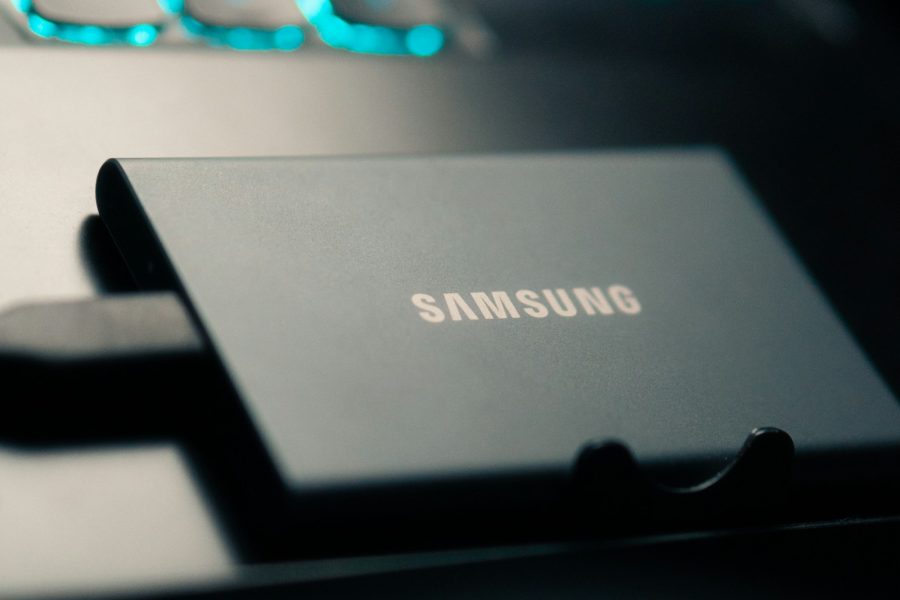
Your first-week practice files are worth keeping. A Samsung T7 Shield 1TB portable SSD is one option for a working copy so you can compare focus, motion and depth decisions later. Check capacity, computer ports and cables before buying. Open copied files to verify them and keep another backup separate. Practice with the camera you own; another drive is useful only when it fills a real gap in your file routine. Compare the current retailer specifications; no hands-on test, price or stock promise is being made here.
Compare Samsung T7 Shield 1TB on Amazon | Check Samsung T7 Shield 1TB at B&H
Affiliate disclosure: We may earn a commission from qualifying purchases through these gear links at no extra cost to you. As an Amazon Associate, Shut Your Aperture earns from qualifying purchases.