The world of photography is shifting beneath our feet. As we stand here in March 2026, the air feels different, doesn't it? The digital landscape that once obsessed over every pixel and every clinical line has begun to breathe again. We are witnessing a renaissance: a return to the heart of the image. For years, we chased the dragon of technical perfection, but the latest photography news suggests a collective exhale. We are finally moving back toward what actually matters: the soul.
Staying informed isn't just about knowing which sensor has the highest megapixel count anymore. It’s about understanding the cultural currents that dictate how we see the world. If you want to remain relevant in this ever-evolving medium, you must understand why the latest photography news will change the way you shoot in 2026. It isn't just noise; it is the roadmap for your creative journey.
Authentic Artistry: Emotion Over Perfection
The most profound shift we’ve seen this year is the intrinsic move toward emotion over technical precision. Dear hobbyists, the era of the "perfectly sharp" but soulless portrait is fading into the mist. Today, the industry is placing a reverence on the "memory already lived": those candid, messy, and deeply human moments that a tripod and a timer could never truly capture.
I have tried every lighting setup known to man, from complex six-point arrays to the most expensive strobes, but nothing compares to the raw power of a single tear caught in a sliver of natural light. Light is our paintbrush, and the environment is our canvas, but the subject is the heartbeat of the frame. The latest trends show that viewers are tired of the "Instagram face" and the over-processed gloss of the early 2020s. They crave the ephemeral beauty of a genuine laugh or a stoic gaze that tells a thousand stories.
When you are out there shooting, I want you to stop worrying about whether your focus is "tack sharp" on the eyelashes. Instead, ask yourself: Does this feel real? This pivot toward documentary-style work is changing everything from wedding photography to high-end fashion. We are no longer just capturing how people look; we are capturing how they feel.

Analog Awakening: The Rebellion Against the Algorithmic
In a world increasingly dominated by artificial intelligence, there is a fierce, beautiful rebellion taking place: the surge of analog photography. This isn’t just a retro fad or a hipster obsession; it is a search for something tangible in a digital void. Film photography offers an authenticity that AI simply cannot replicate because film is alive. It has grain, it has "errors," and it has a soul.
We are seeing a massive spike in the use of actual film cameras and early-2000s compact point-and-shoots. Why? Because these tools force us to be present. When you only have 36 frames, every shutter click is a prayer. The latest camera gear news matters because it shows us that even the major manufacturers are taking note, releasing "modern vintage" bodies that prioritize tactile dials over touchscreens.
Venture forth and experiment with film if you haven't already. The way the sun dances across a piece of Kodak Portra is vastly different from how a digital sensor interprets those photons. There is a certain "ethereal" quality to film that reminds us of our own mortality: the idea that a moment, once captured, is gone forever. This analog aesthetic is also bleeding into digital editing, where we see a move toward motion blur, light leaks, and unpolished finishes.
Raw and Radical: Direct Flash and Distorted Frames
If you had told me five years ago that direct flash would be the "look" of 2026, I might have laughed. We spent decades trying to soften light, using massive softboxes and umbrellas to create that "creamy" transition from light to shadow. But the news is out: raw is in.
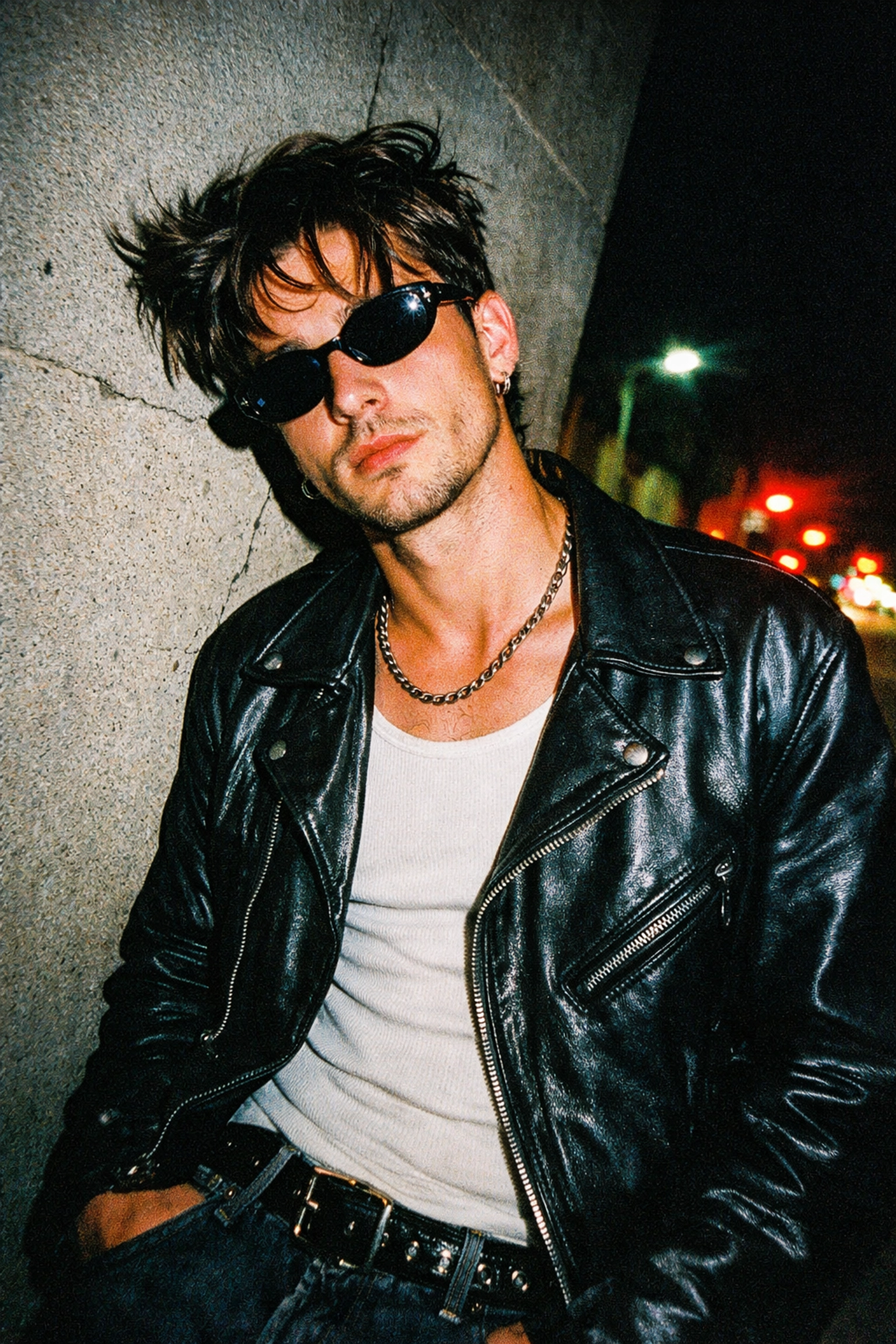
Direct flash photography has transitioned from a "rookie mistake" to a "creative powerhouse." It creates high-contrast, vivid images with hard shadows that inject a sense of immediacy and life back into the frame. It feels like a snapshot of a moment that wasn't supposed to be seen. Similarly, we are seeing a massive trend in using distorted wide-angle lenses for portraiture. Instead of the flattering compression of an 85mm lens, photographers are getting close and personal with 24mm or even 16mm glass, letting the lines curve and the spatial relationships warp.
It’s bold. It’s aggressive. And it works. It breaks the "rules" of traditional portrait photography techniques, but that’s the point. To stand out in 2026, you have to be willing to let the environment whisper its own chaos into your shots.
Sophisticated Software: The AI Assistant as an Unsung Hero
While there is a rebellion against AI-generated imagery, there is a massive embrace of AI as a behind-the-scenes tool. Let’s get down to brass tacks: culling three thousand photos from a wedding is a soul-crushing task. This is where the machine becomes our most loyal servant.
Modern software, specifically tools like Luminar, has revolutionized the post-production workflow. By leveraging AI to handle the tedious tasks: like sky replacement, skin masking, or background removal: we are freed to spend more time on the creative narrative. AI isn't here to take your job; it's here to give you your life back.
Now that we’ve delved into the philosophy of the image, it’s time to get down to the tools that make it happen. When you’re looking at your editing suite, don’t view it as a way to "fix" a bad photo. View it as a way to enhance the story you’ve already told. Using Luminar allows you to maintain that "organic" feel while using advanced algorithms to polish the edges. It’s about balance. We want the texture of reality with the efficiency of the future.
Gear Evolution: Mirrorless Mastery and Manual Mindsets
The debate of DSLR vs. Mirrorless is largely settled in 2026, but the way we use these mirrorless wonders is changing. The latest gear reviews show that manufacturers are focusing less on "more megapixels" and more on "better ergonomics" and "faster autofocus."
However, just because your camera can do everything for you doesn't mean it should. I have always maintained that to truly master your craft, you must understand the fundamentals. Even with the most advanced AI-driven autofocus in the world, knowing how to handle manual mode is still the mark of a true artist. It gives you the ultimate control over the exposure, allowing you to decide exactly how the light "paints" your sensor.
When you are looking for new equipment, don't just chase the newest model. Look for the "game-changers" that fit your specific style. Check out our guide on how to choose the best mirrorless cameras to see which gear aligns with these 2026 trends. Sometimes, an older "stoic" body with a specific character is better than a brand-new, sterile one.
Personal Branding: The Identity Behind the Lens
In 2026, the photographer is just as important as the photograph. The industry has moved toward identity-driven portraiture and personal branding. Clients and fans want to know who is behind the lens. They want to see your vision, your struggle, and your unique way of interpreting the world.
Developing a distinctive visual voice is no longer optional. It is the only way to survive the sea of content. This means your "PHOTO SERIES" shouldn't just be a collection of pretty pictures; it should be a manifesto. Whether you are capturing the "TRAVEL" vibes of a remote village or the "TUTORIALS" of a studio setup, your personality must shine through.
I’ve spent years building my brand at blog.edinchavez.com and www.proshoot.io, and the one thing I’ve learned is that people connect with people, not pixels. Your gear is merely an extension of your eye. Use it to tell your story, not someone else's.
Practical Steps to Adapt to 2026 Trends
Now that we’ve explored the "why," let’s talk about the "how." How do you take these abstract concepts and turn them into concrete steps for your next shoot?
- Embrace the Imperfect: During your next session, purposely take a few shots that are "technically wrong." Try a slower shutter speed to get some motion blur. Use a direct flash. See how it feels.
- Focus on Narrative: Before you press the shutter, ask yourself what the story is. If the photo doesn't have a "verb": an action or an emotion: it might just be a snapshot.
- Simplify Your Kit: Sometimes, having too many options kills creativity. Try going out with just one camera and one prime lens. Force yourself to move your body to get the shot.
- Integrate AI Wisely: Use tools like Luminar to speed up your workflow, but don't let the software make all the creative decisions for you. Maintain your "human" touch in every edit.
- Stay Informed: Keep an eye on today's morning news. The world moves fast, and staying updated on both photography and videography trends will give you a competitive edge.
The Spiritual Reward of the Craft
At the end of the day, photography is more than just a profession or a hobby; it is a way of life. It is a method of pausing time, of holding onto the "ephemeral" beauty of our existence before it slips through our fingers. The trends of 2026: the move toward authenticity, the return to analog, the clever use of AI: are all just different ways of helping us get closer to the truth.
There is a profound emotional reward in capturing a moment that feels "right." It’s that split second where the light, the subject, and the emotion align in a perfect, silent symphony. When you find that, the gear doesn't matter. The news doesn't matter. Only the image remains.
Seize these moments! Don't wait for the "perfect" conditions, because perfection is a lie. The beauty of 2026 is that we are finally allowed to be real again. So, grab your camera, venture forth, and show us how you see the world.
Drop me a line below if you have any questions about these trends or if you've discovered a new technique that’s changing the way you shoot. I’m always eager to hear from my fellow enthusiasts. Let’s keep pushing the boundaries of what this art form can be.
Categories: News, PHOTO SERIES, TUTORIALS, TRAVEL
Tags: News, PHOTO SERIES, TUTORIALS, TRAVEL