Welcome to the evening edition of the news. If you’ve been out shooting all day and haven't checked your feed, buckle up. The photography world is currently in a state of absolute chaos over a decision coming out of the Pentagon that feels more like a scene from a dystopian movie than reality.
We’re diving into why your favorite photojournalists are being locked out of the room, the viral gear trends hitting the streets, and why "unflattering" is the new forbidden word in D.C.
The Pentagon vs. The Lens: Why Photojournalists Are Being Barred
In a move that has sent shockwaves through the National Press Photographers Association (NPPA), the Pentagon has officially started barring photojournalists from Defense Secretary Pete Hegseth's briefings. Why? Because apparently, he didn't like the way he looked in the photos.
This isn't a joke. Following a joint military strike on Iran earlier this month, major news organizations like the Associated Press, Reuters, and Getty Images published photos of Hegseth during briefings. His staff reportedly deemed these images "unflattering" and decided the best solution wasn't better lighting: it was a total ban.
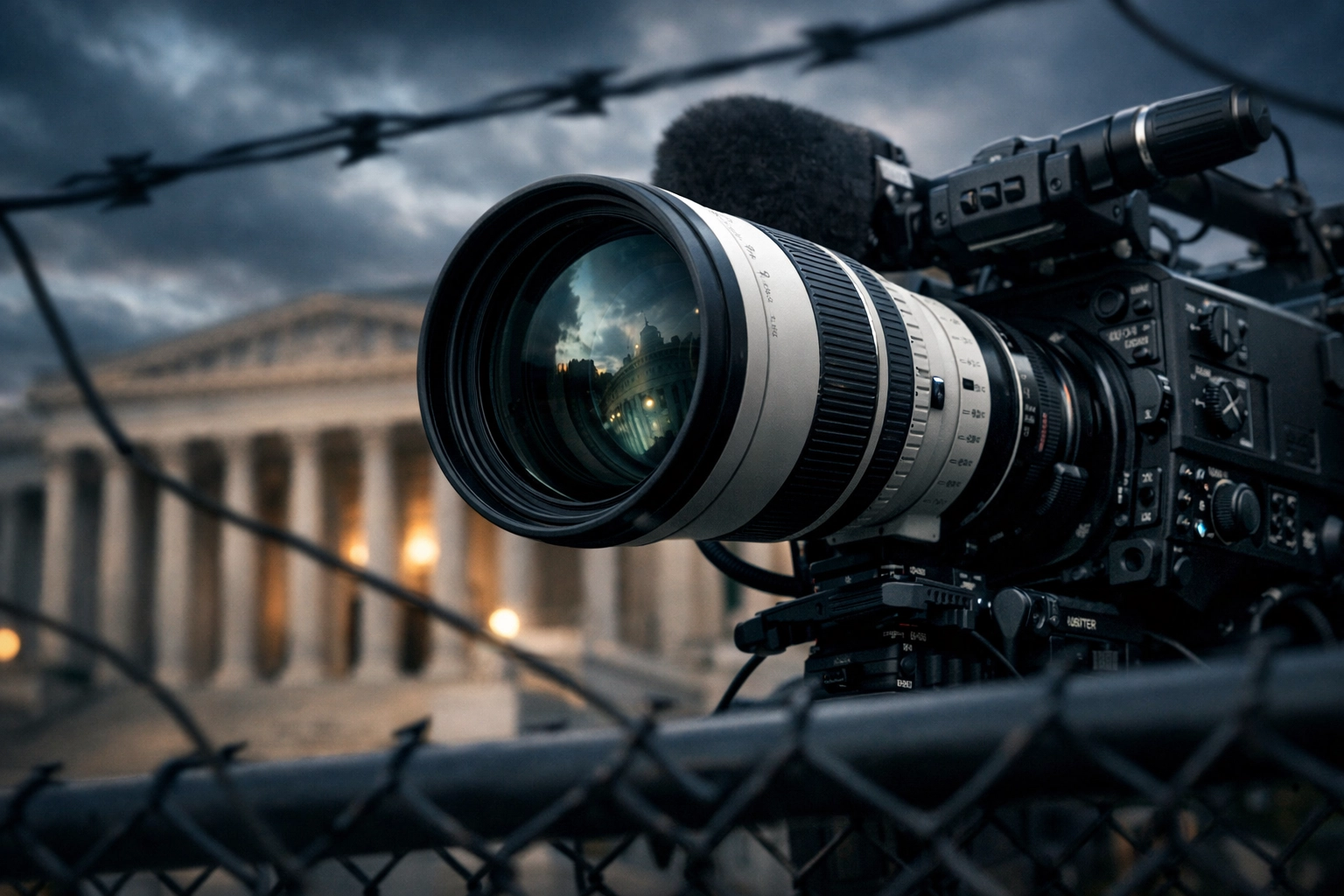
Alt text: A professional camera lens focused on a distant government building, symbolizing the tension between the press and the state.
This is a massive industry shift. When the government starts picking and choosing which photographers get access based on vanity, we lose the "journalism" part of photojournalism. Currently, only the Defense Department’s own photographers are allowed in, which means every image you see of the Secretary is essentially a PR handout.
For those of us who believe in the raw, unedited truth of a moment, this is a dangerous precedent. If you're just starting out and want to understand how to capture the truth without the fluff, check out our Manual Mode 101 guide to make sure your technical skills are sharp enough to catch the moments that matter, even when the subjects are difficult.
The Viral Reaction: Is "Unflattering" the New Authentic?
Social media is currently exploding with the #UnflatteringTruth trend. Photographers around the world are posting their most "unflattering" but honest portraits to protest the Pentagon's decision.
The reality is that news photography isn't supposed to be a glamour shoot. It’s about documentation. When we look back at history, we don't look for the most airbrushed version of events; we look for the sweat, the tension, and the grit. This viral movement is a reminder that our job as photographers is to show the world as it is, not as a press secretary wants it to look.
If you’re looking to improve your storytelling, you might want to look into using rare textures for tangible aesthetic photography. It's all about adding that layer of realism that makes a photo feel alive.
Gear Check: What Photojournalists are Using to Fight Back
In the wake of these restrictions, there’s been a massive surge in interest for gear that allows for high-speed, low-light, and discreet shooting. If you're being pushed to the back of the room, you need the right glass.
The Nikon Z9 and the Sony A9 III are currently the kings of the press pool. Their ability to capture silent, high-resolution frames in near-darkness is exactly what’s needed when access is limited. We recently broke down the latest gear in our post on how to choose the best mirrorless cameras.
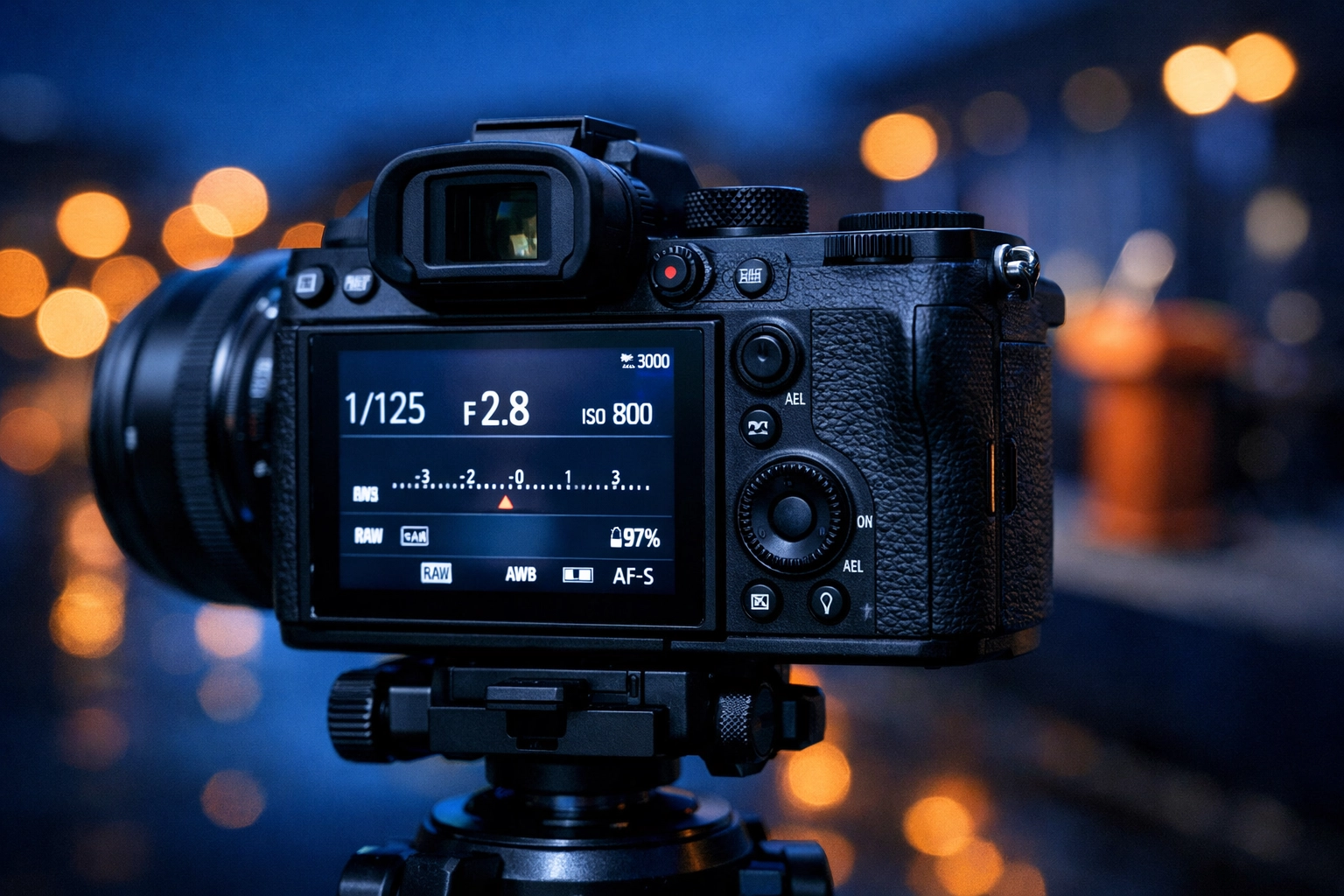
Alt text: A high-end mirrorless camera on a tripod during a low-light evening shoot, representing the tools used by modern journalists.
But gear isn't just about the body; it's about the workflow. When you're filing photos from a protest or a briefing, you don't have time to mess around with complex sliders. That’s where Luminar comes in. Their AI-driven tools can help fix a "badly lit" shot in seconds without losing the journalistic integrity of the image. It’s about making the photo usable, not making the subject look like a movie star.
The Ethics of the Edit: AI vs. Reality
As the Pentagon moves toward "internal-only" photography, the industry is bracing for a wave of AI-enhanced government imagery. If a human photographer isn't there to witness the scene, how do we know the released photo hasn't been "cleaned up" by a generative AI tool?
This shift is why sites like www.proshoot.io and PhotoGuides.org are becoming essential resources for the community. We need to stay educated on the difference between an "enhanced" photo and a "manipulated" one.
At Shut Your Aperture, we always advocate for the truth. Whether you’re shooting for a major news outlet or just capturing memories on a travel trip, the goal should be to capture the essence of the moment.
Quick Tips for Better Documentary Portraits
If you find yourself in a situation where you need to shoot fast and capture a subject who might not be "cooperating" with the lens, here are three quick tips:
- Embrace the Shadows: Sometimes the most "unflattering" light is the most dramatic. Use it to tell a story of tension or power.
- Go Wide: If they won't let you get close, show the environment. The context of a room often says more than a close-up of a face.
- Shoot Through the Crowd: Use the silhouettes of other journalists or bystanders to create a sense of being there. It adds an "observer" feel to your work.
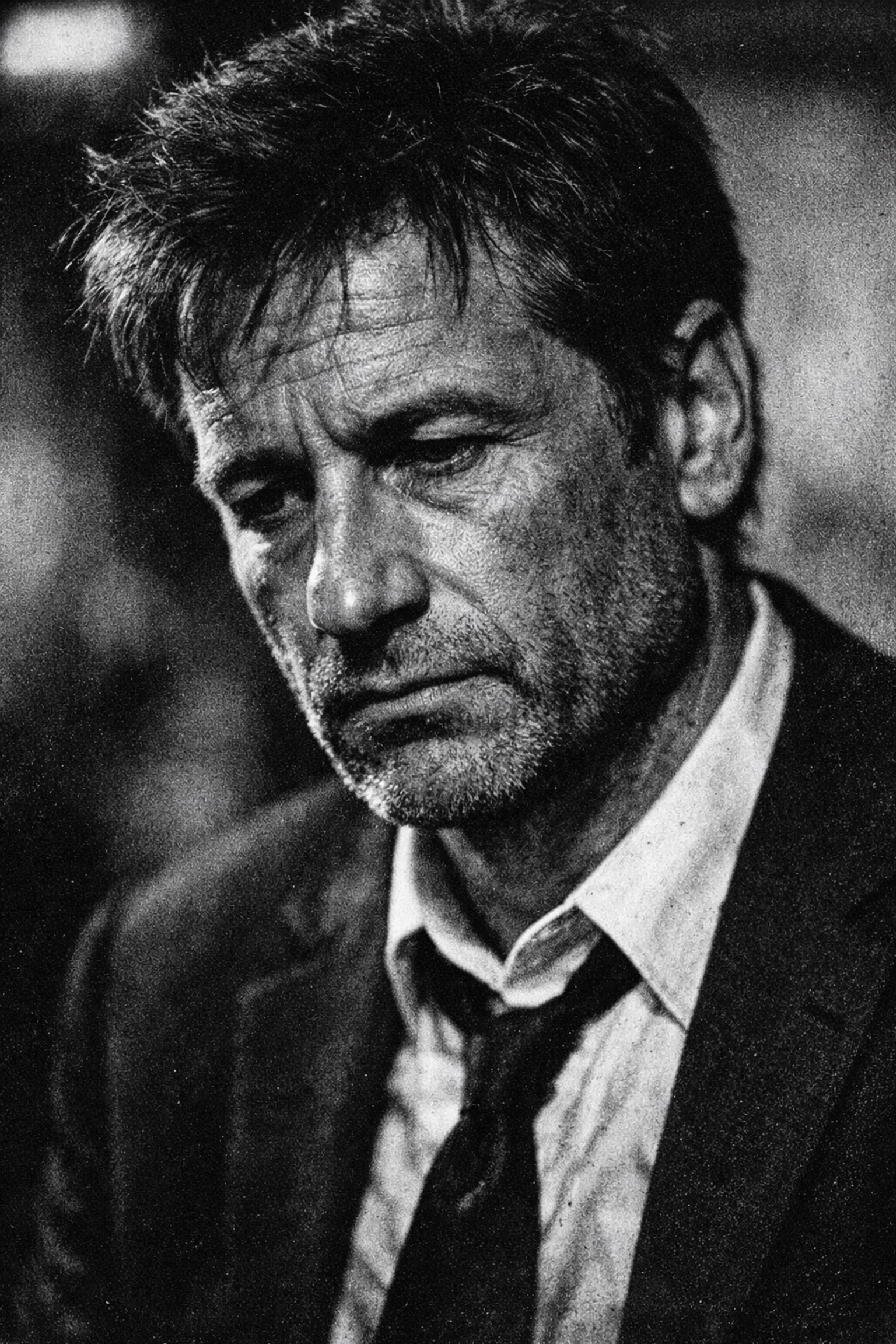
Alt text: A black and white candid portrait of a man in a suit, showing shadows and lines that create a moody, journalistic feel.
For more on how to succeed in the high-stakes world of modern media, check out the ultimate guide to today’s morning news, which covers the videography side of these industry shifts.
Why This Matters to You
You might think, "I'm not a White House photographer, why should I care?"
You should care because photography is a language. When any organization: whether it's a government or a corporation: starts trying to "edit" reality by controlling the photographers, they are trying to change the language we use to communicate.
Whether you are browsing blog.edinchavez.com for inspiration or looking at fine art on www.edinfineart.com, you are consuming a photographer's vision. That vision needs to be protected.
The Evening Wrap-Up
As we head into the weekend, the drama at the Pentagon isn't slowing down. News organizations are reportedly planning a joint legal filing to regain access, and the #UnflatteringTruth movement is only getting bigger.
If you’re out shooting this weekend, don’t worry about making everything look "perfect." Focus on making it look real. Use tools like Luminar to enhance your vision, but never lose the heart of what you saw through the viewfinder.
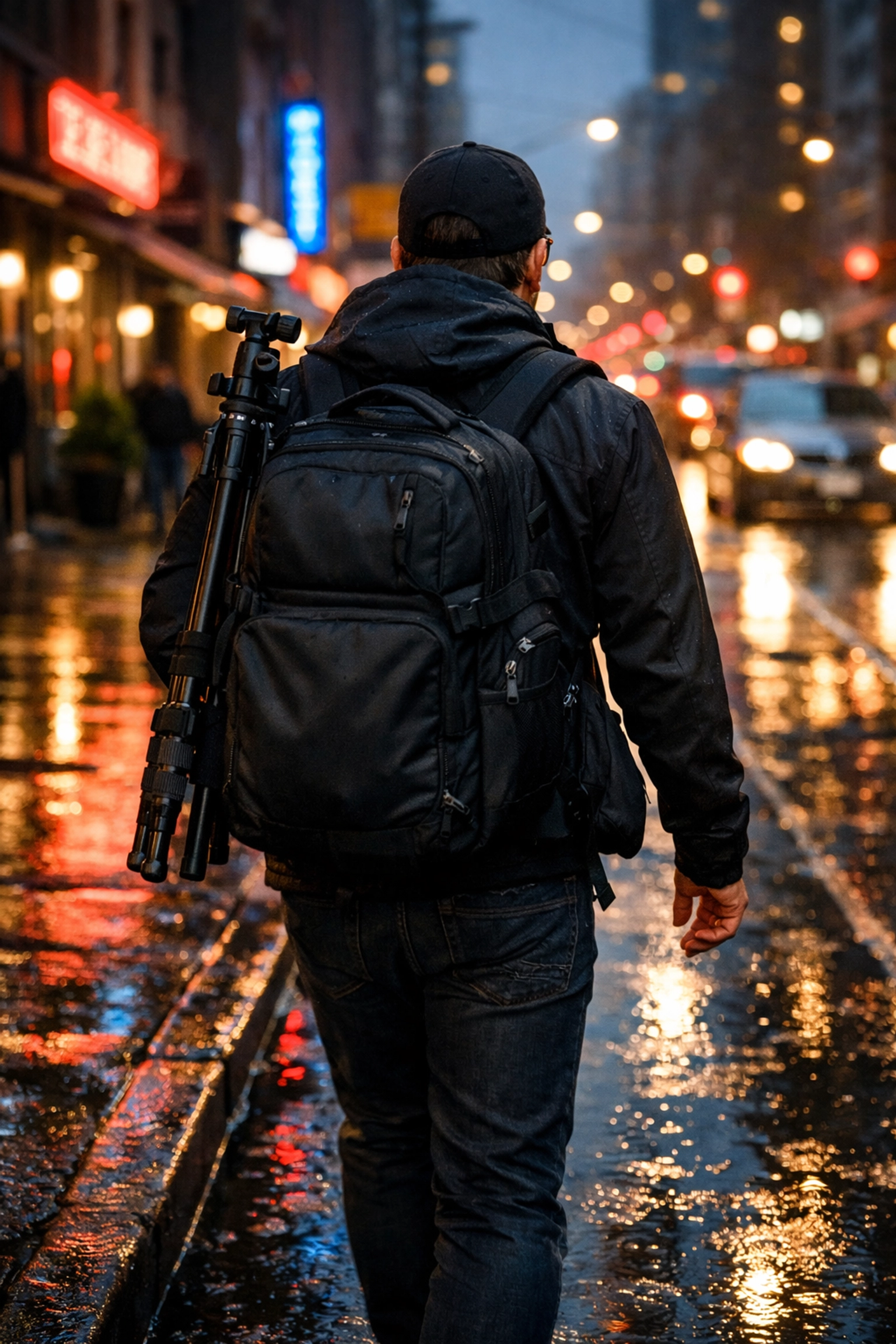
Alt text: A photographer walking through a city street at sunset, carrying a camera bag and tripod, symbolizing the persistence of the craft.
Photography is about the courage to see things as they are. Sometimes that’s pretty, sometimes it’s "unflattering," but it’s always worth capturing.
Stay tuned for our next update, and in the meantime, keep your shutter clicking. If you're looking for more technical deep dives, don't forget to visit www.edinstudios.com for a look at how professional setups are evolving in 2026.
Categories: News, PHOTO SERIES, TUTORIALS, TRAVEL
Tags: News, PHOTO SERIES, TUTORIALS, TRAVEL