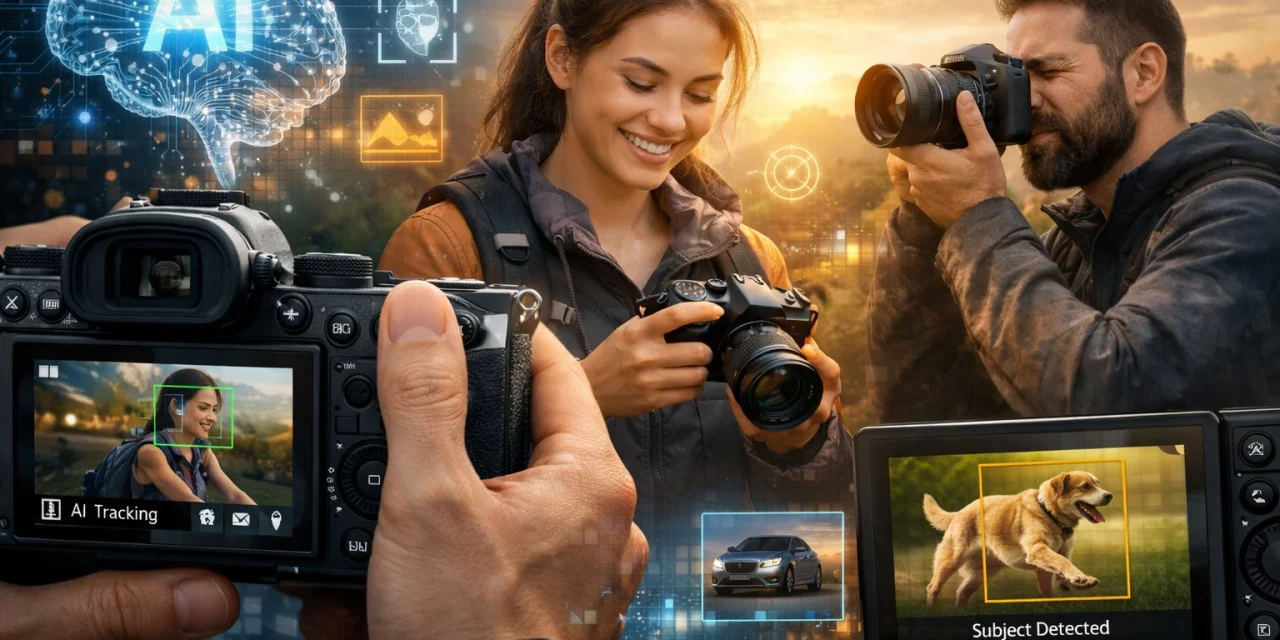
Let’s be real for a second: the world of photography moves fast. Just when you think you’ve mastered your gear and understood your sensor's limits, a new wave of tech comes along and flips the script. Right now, that script is being rewritten by Artificial Intelligence.
We aren't just talking about a few fancy filters or a slightly better face-detect mode. We are talking about a fundamental shift in how mirrorless cameras think, see, and react. If you’ve been hanging out in any photography circles lately, you’ve probably heard people whispering (or shouting) about AI-powered mirrorless features.
But why is everyone so obsessed? And more importantly, why should you care? At Shut Your Aperture, we keep our fingers on the pulse of today’s photography news, and it’s clear: AI isn't coming, it’s already here, and it’s changing the way we shoot everything.
The Death of the "Missed Shot"
We’ve all been there. You’re out in the field, the light is perfect, a rare bird takes flight or a bride starts her walk down the aisle, and… your camera hunts for focus. By the time it locks on, the moment is gone. It’s heartbreaking.
AI-powered mirrorless systems are effectively killing that problem. Traditional autofocus relied on contrast or phase detection, which basically meant the camera was looking for edges and differences in light. Modern AI systems, like those found in the latest Sony, Canon, and Nikon bodies, use "Deep Learning" to understand what they are looking at.
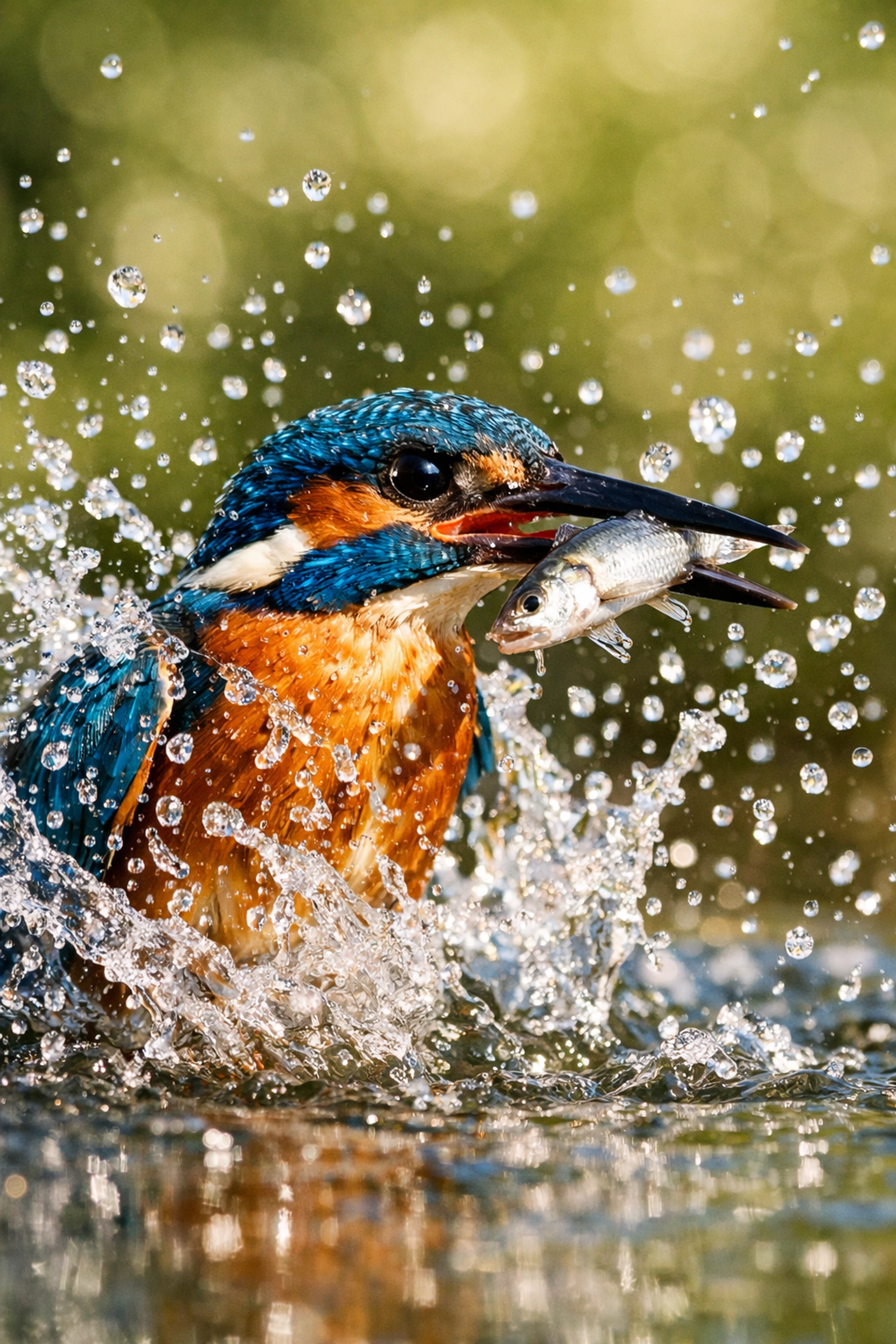
When your camera knows it’s looking at a bird, it doesn’t just look for a dark shape against a blue sky. It identifies the eye, the beak, and the wing structure. If the bird turns around, the AI realizes it’s still a bird and maintains focus on the back of the head until the eye reappears. This level of predictive tracking is, frankly, approaching magic. For sports and wildlife photographers, this is the difference between a portfolio-defining shot and a blurry mess.
Why the Technology Matters Right Now
The buzz isn't just marketing fluff. AI is now embedded across the entire imaging pipeline. It starts the moment light hits the sensor and continues until you’re sitting at your desk using Luminar to polish the final file.
1. Subject Recognition on Steroids
We’ve had "Face Detection" for years, but the new AI engines take it to another level. They can now recognize humans, animals, birds, insects, cars, trains, and even airplanes. Some systems are even programmed to recognize the specific helmets of racing drivers or the eyes of a cat hidden in tall grass.
This matters because it frees you up to focus on composition. Instead of fighting with your focus points, you can think about the story you’re trying to tell. If you’re looking for the fastest way to get better at landscape photography, ironically, it might be letting your camera handle the technical heavy lifting so you can focus on the art.
2. Predictive Motion Trajectories
It’s one thing to see a subject; it’s another to know where it’s going to be in 0.01 seconds. AI algorithms analyze movement patterns in real-time. If a soccer player suddenly changes direction, the camera anticipates the shift based on thousands of hours of sports data it was trained on. This isn't just "tracking"; it’s anticipation.
3. Scene Analysis for Exposure
AI is also taking over how cameras meter a scene. Instead of just looking at the average brightness, the camera identifies the scene type, say, a sunset over a rugged coastline. It knows that you probably want to preserve the highlights in the sky while keeping some detail in the shadows. For those exploring top spots for majestic sunset photography, this feature is a lifesaver.

Computational Photography: Narrowing the Gap
One of the most exciting things about AI integration is how it's democratizing high-end image quality. Historically, if you wanted that "pro" look, you needed a massive full-frame sensor and expensive glass.
However, computational photography, the same tech that makes your smartphone photos look surprisingly good, is finding its way into mirrorless cameras. AI-enhanced smaller sensors are now delivering results that rival larger formats. By using multi-frame noise reduction and AI-driven sharpening, entry-level cameras are producing cleaner images in low light than ever before.
This means you don't necessarily need a $6,000 setup to get professional results. If you’re just starting out, check out this ultimate guide to photography tutorials to see how the landscape is shifting in 2026.
Is Manual Mode Dead?
Whenever we talk about AI, someone inevitably asks: "Does this mean I don't need to learn how to use my camera anymore?"
The short answer: No.
The long answer: Absolutely not.
Think of AI as a highly skilled assistant. It can hold the focus and get the exposure in the ballpark, but it doesn't have your "eye." It doesn't know why you're taking the photo. It doesn't understand the emotional weight of a shadow or the intentional blur of a moving subject.
To really master your craft, you still need to understand the fundamentals. We always recommend starting with a Manual Mode 101 guide. Once you know the rules, you can use the AI to help you break them effectively. Even if you're using the latest AI-powered gear, understanding how light works is what separates a "lucky shot" from a professional portfolio. For more in-depth technical advice, I often point people toward PhotoGuides.org.
The Workflow Revolution
The impact of AI doesn't stop once you click the shutter. The integration between the camera's hardware and your editing software has never been tighter.
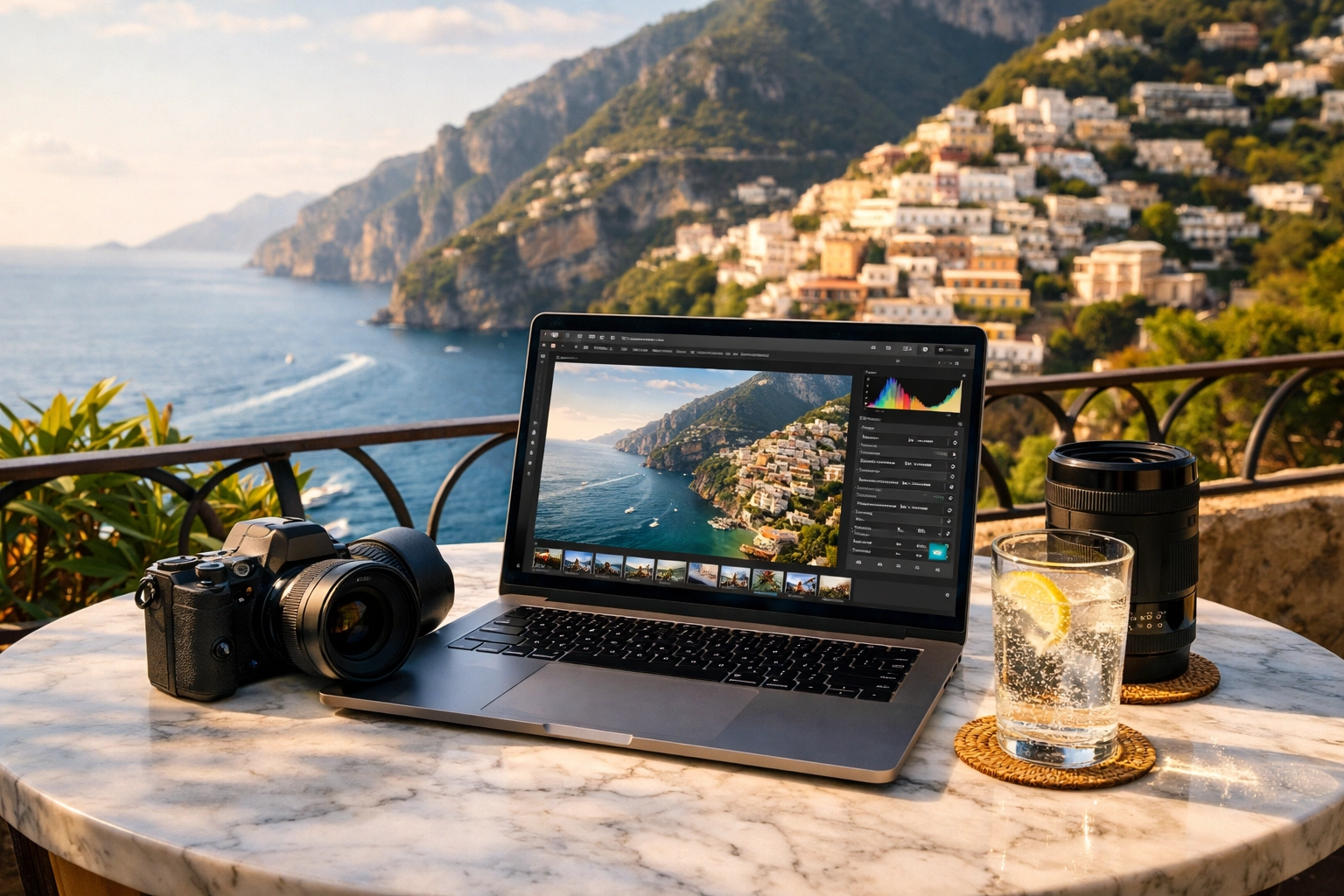
Many cameras now embed AI-generated metadata that tells your editing software exactly what the subject was. When you import your photos into a program like Luminar, the software can automatically mask the sky or enhance the skin tones based on what the camera "saw." This cuts down editing time by hours.
If you're a travel photographer jumping between hidden gem locations and picturesque coastal escapes, you’d rather spend your time shooting than sitting behind a laptop. AI makes that possible.
Why the Pros are Embracing the Change
There was a time when professional photographers looked down on "auto" features. There was a certain pride in doing everything manually. But that's changing. Even the most seasoned pros: the ones whose work you see at edinfineart.com: are realizing that these tools aren't "cheating"; they are performance enhancers.
In a high-pressure environment, like a wedding or a professional sports event, you can't afford to miss a moment. If the AI can guarantee that 99% of your shots are in sharp focus, why wouldn't you use it? It allows pros to push the boundaries of what's possible, capturing water photography with incredible precision or finding ethereal landscapes in conditions that were previously too difficult to shoot.
10 Things You Should Know About AI Features
If you're looking for the latest photography trends, here are the key takeaways regarding AI:
- Eye-AF for Everything: It’s not just for people anymore. Birds, cats, dogs, and even fish are now trackable.
- Auto-Object Tracking: You can "lock" onto a car or a person, and the camera will follow them regardless of where they move in the frame.
- AI Noise Reduction: In-camera processing can now clean up high-ISO shots without losing detail.
- Auto-Framing: Some cameras can now "crop" in digitally and track a subject to keep it perfectly centered in a video.
- Scene Recognition: The camera adjusts color science based on the environment (e.g., making forest greens pop or keeping skin tones natural under neon lights).
- Predictive Buffer: Some cameras start recording images the moment you half-press the shutter, so you can "go back in time" if you were a millisecond late.
- Smart Culling: AI can help you sort through thousands of images to find the ones where the subject's eyes are open and in focus.
- Generative Fill (Coming Soon): We are starting to see the beginnings of in-camera generative AI to help with small distractions.
- Enhanced Dynamic Range: AI-driven HDR merges multiple exposures in real-time with zero ghosting.
- Voice Control: AI assistants are starting to appear in-camera, allowing you to change settings via voice commands.
Where to Put These Features to the Test
So you've got the tech: where do you use it? The best way to understand the power of AI-powered mirrorless cameras is to put them in challenging environments.
Go find some lesser-known vistas for enigmatic photos or try to unlock secrets to enchanting urban photography. In the chaos of a busy city or the unpredictable light of a secluded paradise, you’ll see the AI work its magic.
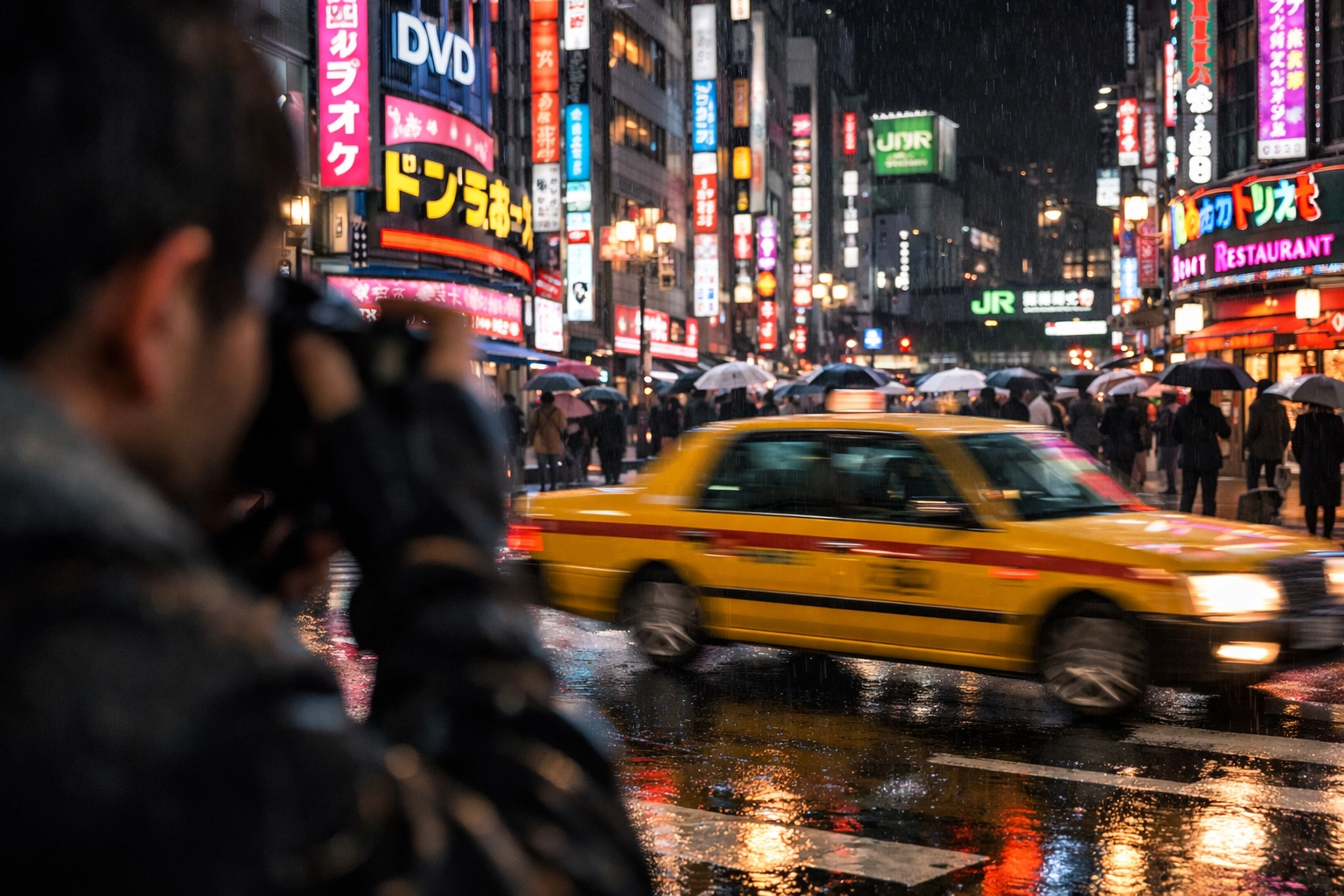
If you're looking for inspiration on what to shoot next, check out some of the work over at edinstudios.com or explore proshoot.io for professional-grade insights.
The Bottom Line
Everyone is talking about AI-powered mirrorless features because they represent the most significant jump in camera technology since the move from film to digital. It’s not about replacing the photographer; it’s about empowering them.
By removing the technical barriers that have plagued photographers for decades, these features allow us to get back to what really matters: capturing the beauty of the world. Whether you're chasing stunning nature imagery or looking for rare textures for tangible aesthetic photography, AI is the tool that’s going to help you get there.
If you haven't explored what the latest firmware or camera bodies can do, now is the time. The gap between what you can imagine and what you can capture is getting smaller every day. Don't get left behind in the "manual-only" past: embrace the future of imaging. Your portfolio will thank you.
For more updates on how this technology is evolving, keep an eye on Shut Your Aperture. We’ll keep bringing you the news, the tutorials, and the inspiration you need to stay ahead of the curve. And remember, while the camera does the thinking, you do the seeing. Happy shooting!