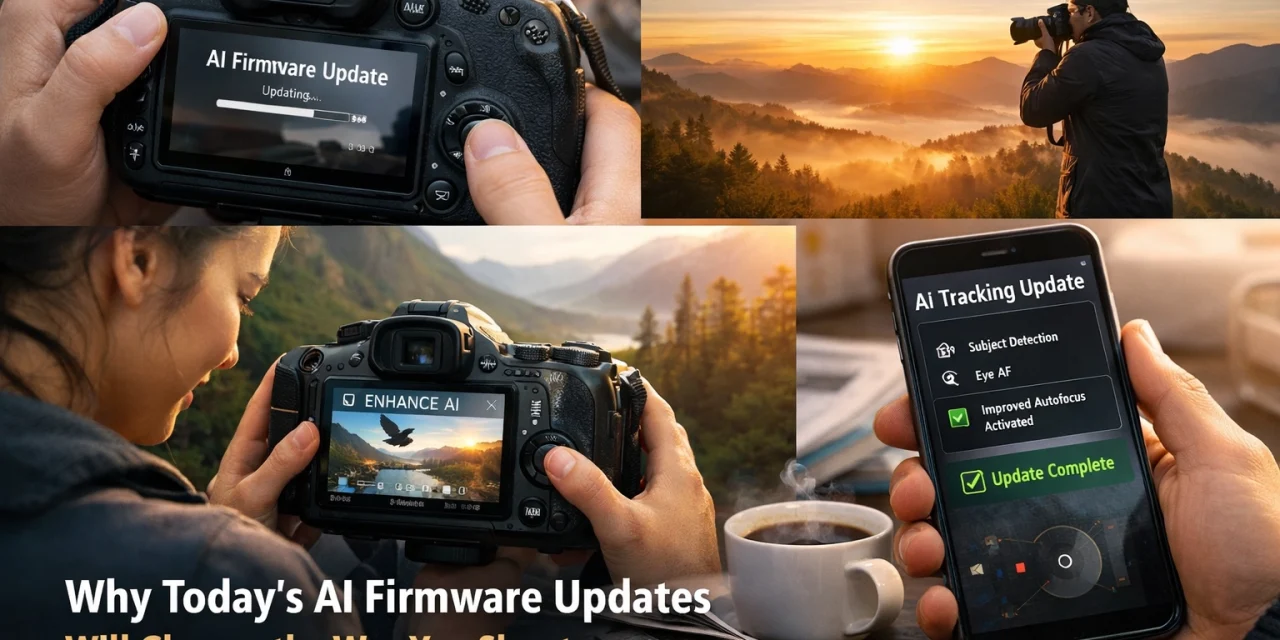
It’s Tuesday, March 17, 2026, and if you haven’t checked your camera’s support page yet this morning, you might be shooting with a "dinosaur" by lunchtime. We are officially in the era of the "software-defined camera," and today’s massive wave of AI firmware updates is proof that the hardware in your hands is just the beginning of the story.
In the past, a firmware update meant a few bug fixes and maybe a slightly faster menu. Today? We’re seeing updates that effectively give your camera a brain transplant. Sony, Canon, and Nikon have all dropped significant patches this morning that lean heavily into real-time subject recognition and computational processing. If you’ve been wondering does new camera gear really matter in 2026, these updates suggest that the "gear" is becoming as much about the code as it is about the glass.
The 1.2GB Brain Transplant: Real-Time Autofocus Evolution
The headlines today are dominated by the size and scope of these updates. We’re seeing firmware files hitting the 1.2GB mark. For context, that’s larger than some entire operating systems from a decade ago. What’s inside? Deep algorithmic improvements to autofocus (AF) systems.
The new AI-driven AF systems have reached a level of reliability that feels almost like cheating. We are moving beyond simple "face detection." The latest updates introduce granular eye-tracking that can stay locked even if the subject turns their back or moves behind an object momentarily. For wildlife and sports photographers, this is the difference between a "keeper" and a blurry mess.
But it’s not just for the pros. If you’re just starting out and learning how to choose the best mirrorless camera for 2026, these firmware updates mean that even mid-range models are inheriting "pro-level" tracking capabilities.

SEO Alt Text: A digital mirrorless camera screen showing advanced AI autofocus tracking points locked onto a fast-moving athlete’s eye in a crowded stadium.
Semantic Editing: Talking to Your Camera
The most "sci-fi" update announced this morning involves real-time semantic editing. Imagine standing on a ridge, looking at a sunset, and telling your camera, "Make the background more blurry" or "Bring out the orange in those clouds."
While we’ve seen this in smartphones for years, today’s firmware updates are bringing this level of computational photography to full-frame sensors. These cameras are now capable of identifying specific parts of a scene: sky, grass, skin, clothing: and applying adjustments before you even press the shutter. This is a fundamental shift from capturing light to intelligently processing data at the hardware level.
For those interested in the artistic side of things, like the techniques behind Peter Lik’s landscape photography, this technology allows for a level of precision in the field that used to require hours of post-processing. You can now manipulate the luminosity of specific zones in real-time, much like how the role of luminosity in real-estate photography dictates the mood of a listing.
Workflow Automation: Saving Your Sanity
Let’s be honest: nobody likes culling 3,000 photos after a wedding. Today’s industry news highlights how the software ecosystem: tools like Lightroom, Aftershoot, and Luminar: is integrating directly with these new camera firmware versions.
The goal is a seamless "capture-to-cloud" workflow where the camera pre-tags "good" shots based on focus accuracy and composition metrics. By the time you get home, the heavy lifting is done. High-volume photographers can now process thousands of images in minutes rather than days. This is where mastering photography 10 essential tips really comes into play; the tech handles the chores, so you can focus on the storytelling in photography.
New Gear Spotlight: The RewindPix Arrival
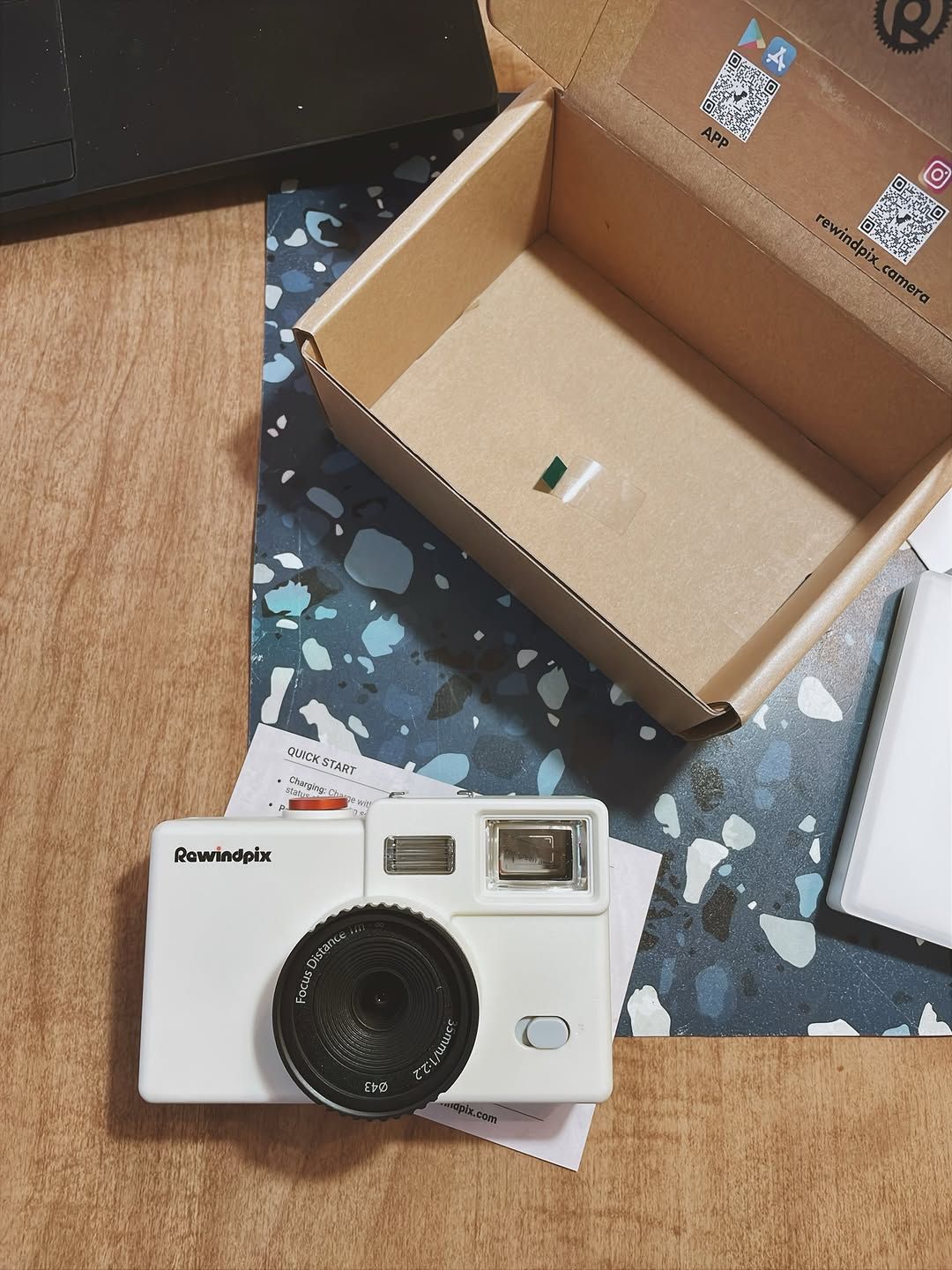
While the giants are focusing on AI, there’s a counter-movement happening in the "fun" segment of the market. We just got our hands on the new RewindPix camera. It’s a compact, point-and-shoot beast that prioritizes tactile feel and simplicity over complex menus.
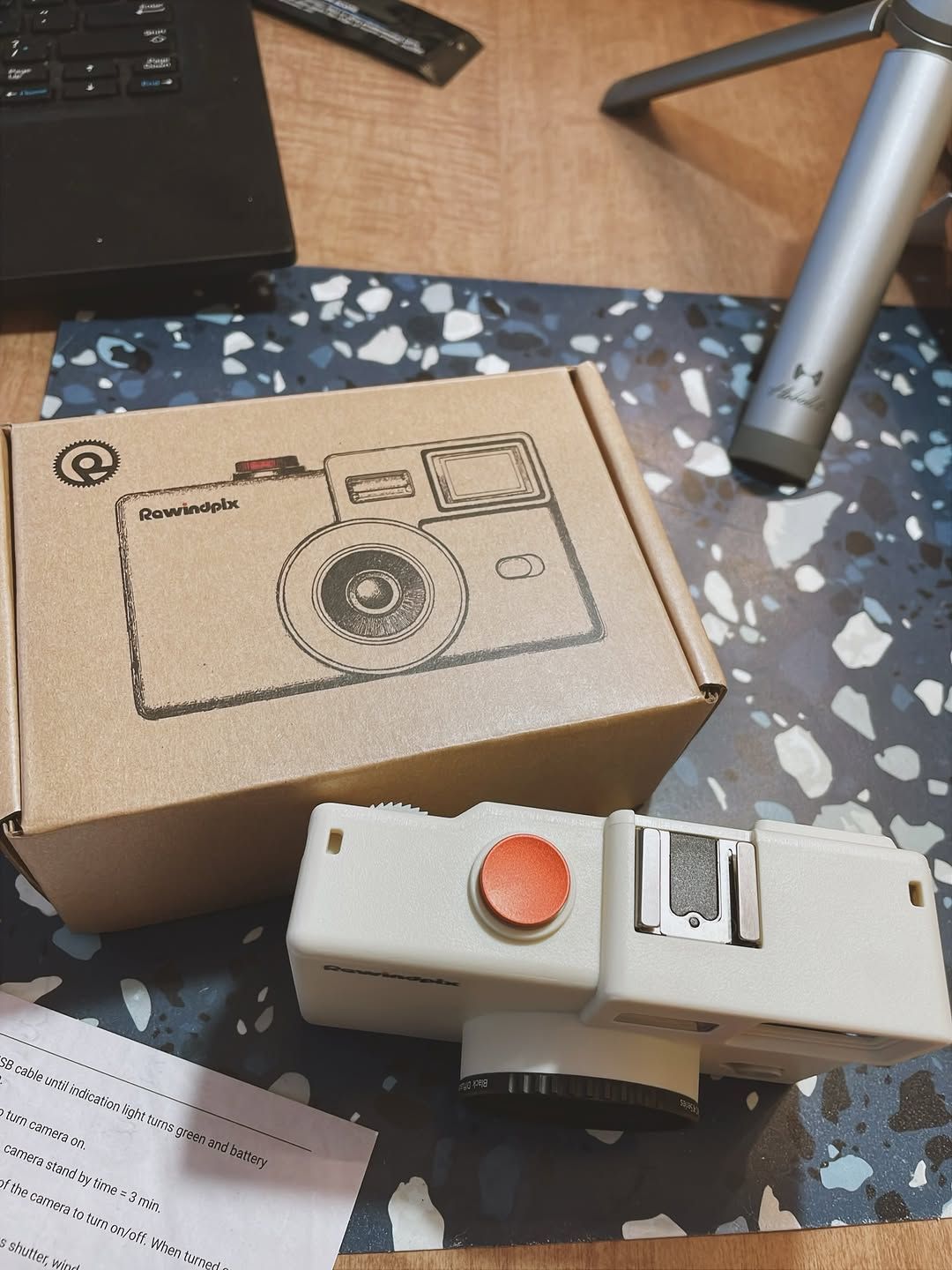
It’s a refreshing change of pace. Sometimes, you don't want a 1.2GB firmware update; you just want a red shutter button and a lens that makes things look nostalgic. If you're looking for more gear insights or professional services, head over to ProShoot.io to see what the community is talking about.
Why Real Estate Photographers Should Care
If you’re in the business of selling homes, today’s news is particularly relevant. The new firmware updates include enhanced "HDR Intelligence." For those shooting interiors, this means the camera can better balance the bright light coming through a window with the shadows of a living room without that "fake" HDR look.
We’ve long discussed how photography is essential for real estate marketing, but the tools are making it easier to produce ethereal imagery that actually sells. When you combine these AI updates with aerial photography for real estate, you’re providing a perspective that was impossible just a few years ago.
The way shot compositions impact buyer attraction hasn't changed, but the effort required to get that perfect shot has plummeted. You can now use cinematic techniques to transform property showcases with much less gear than before.
The "Peter Lik" Effect in the AI Era
Whenever we talk about major shifts in photography trends, we have to look at the icons. The impact of Peter Lik on photography trends is still felt today, especially in how we perceive high-end, large-format landscapes. Lik’s work often focused on vistas and perspectives that felt larger than life.
With today’s firmware updates, the average photographer can now access the dynamic range and clarity that used to be the exclusive domain of those with $50,000 camera systems. Whether you are studying Peter Lik’s iconic works or trying to avoid the 7 mistakes you’re making with landscape photography, the AI is there to act as a digital assistant, ensuring your technical execution matches your creative vision.

SEO Alt Text: A wide landscape photograph of a desert canyon at sunset, showing incredible dynamic range and detail, inspired by Peter Lik’s style.
Industry Trends: Is the Hardware Race Over?
For years, we obsessed over megapixels. Then we obsessed over ISO performance. Now, the battleground has shifted to the NPU (Neural Processing Unit). Today’s morning news suggests that manufacturers are prioritizing on-board AI chips over sensor resolution increases.
This is great news for your wallet. It means the camera you bought last year might actually get better over time through software, rather than becoming obsolete. It’s a strategy we’ve seen at Edin Studios and something we champion at PhotoGuides.org. We want tools that grow with us.
The Tactical Side of the News
If you’re planning to update your firmware today, here are a few quick tips:
- Battery check: Never start a 1GB+ update with a half-dead battery.
- Backup your settings: Most major updates will reset your custom buttons. Save your profile to an SD card first.
- Check compatibility: Ensure your lenses are also up to date. Many modern mirrorless lenses require their own firmware patches to play nice with the new AI tracking.
Creative Freedom or "Cheating"?
There is always a debate when AI steps into the frame. Is it still "photography" if the camera decides how to track the eye or how to balance the sky?
At Shut Your Aperture, we believe the best technology is the kind that disappears. If a firmware update allows you to stop worrying about your focus points and start worrying about the emotion of the scene, it’s a win. Whether you're capturing luxury dining in the world's most exclusive restaurants or a quiet moment in a local park, the goal is the same: a compelling visual.
You can find more inspiration on this at Edin Fine Art or read more about Edin's personal journey at blog.edinchavez.com.
Final Morning Thoughts
Today’s updates are a reminder that the world of photography is moving faster than ever. From the distinctive elements of real estate photography to the cutting edge of AI-driven autofocus, the barrier between a "good" shot and a "great" shot is getting thinner.
Stay tuned for our full breakdown of the Sony v4.0 and Canon v2.5 updates later this week. We’ll be taking them out into the field to see if the "real-time semantic editing" actually lives up to the hype.
Until then, grab your camera, check for updates, and go shoot something incredible.


SEO Alt Text: An overhead shot of a modern photography workspace featuring multiple cameras, a high-end laptop with editing software, and a coffee mug, representing a professional morning news workflow.