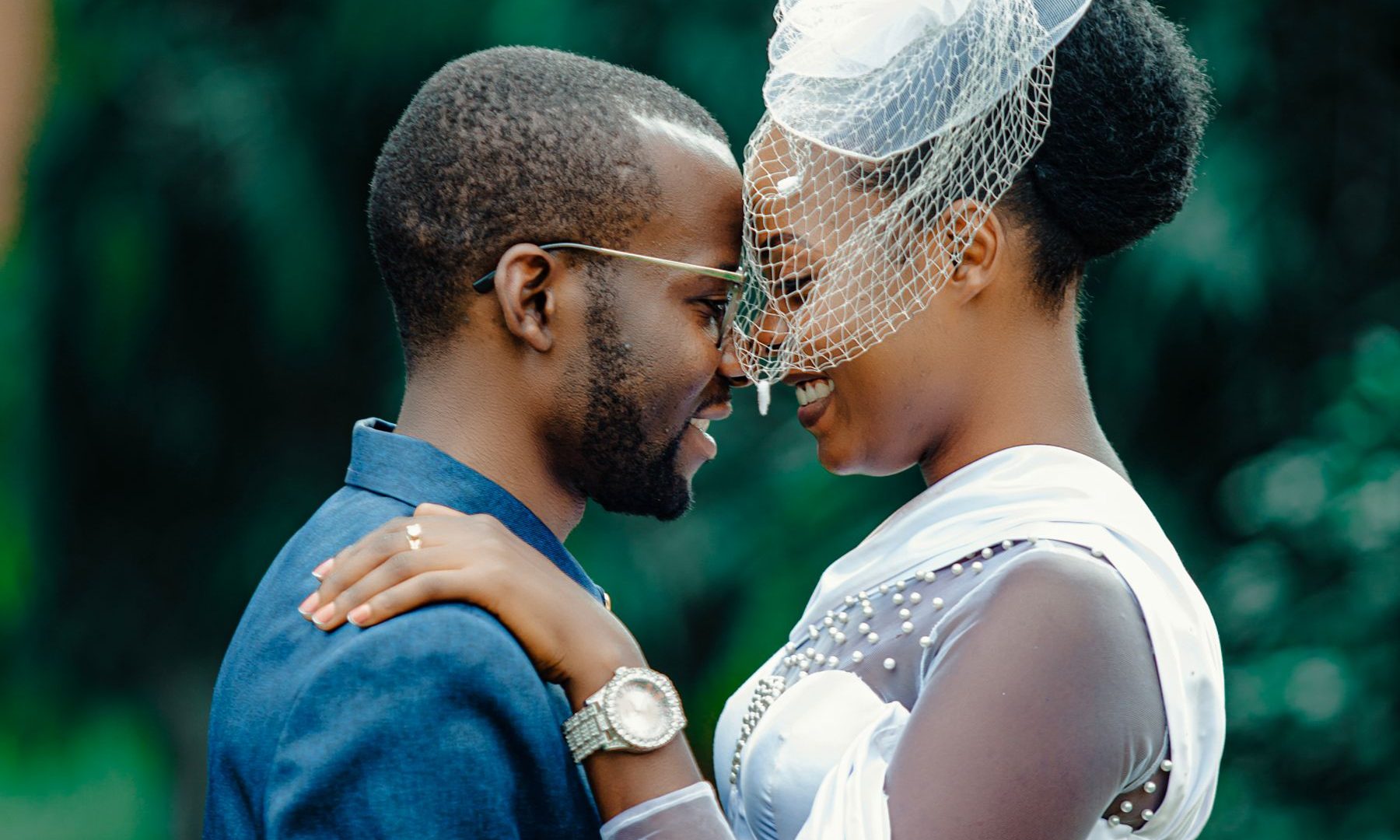
Wedding photography poses should help people feel comfortable, connected, and recognizable. They should not make a couple look like two strangers following a complicated exercise. Start with a simple arrangement, find useful light, and give the couple something easy to do. Then watch what happens between your instructions.
You do not need a hundred memorized poses. You need a small set of reliable starting positions and the judgment to adapt them to the people, clothing, location, and time in front of you. This guide builds a short sequence around standing, facing each other, walking, and sitting, with practical tips for hands, expression, framing, and comfort.
Ask before you direct
A portrait session begins with a conversation, not a pose. Ask how the couple wants the photographs to feel. They may want quiet images, playful movement, a formal portrait, or a mix. Ask about physical limitations, clothing concerns, and anything they would rather avoid. Do not assume that every couple wants to kiss for the camera.
Use names and neutral instructions rather than assigning fixed roles. Either person can turn toward the light, hold a bouquet, lean closer, or initiate a gesture. Their relationship should define the interaction. A pose copied from another wedding may need to change completely to suit this couple.
Explain that you will start simply and make small adjustments. People often worry about getting a pose wrong. Give them a clear instruction they can actually follow, then reassure them when the arrangement works. Avoid talking constantly. A little space lets them relax into the photograph.
Ask permission before touching a person, moving clothing, or handling an accessory. If something needs adjusting, describe the change so they can do it themselves when practical. A comfortable session is built from these small choices, not from a photographer announcing that everyone should relax.
Find the light and background before arranging the couple
A good pose cannot rescue a distracting background or badly chosen light by itself. Look at the scene before calling the couple into position. Find a background that gives their faces and clothing enough separation. Check for bright objects, signs, branches, and lines that appear to grow out of someone’s head.
Soft light can be an easy starting point, but “shade” is not automatically good light. Look at the direction and color of the light reaching the faces. Open shade facing a bright area can behave differently from deep shade beside a colored wall. Make a quick test and inspect skin tones, shadows, and catchlights.
Move your camera before asking the couple to move repeatedly. A step to one side may remove a distracting object. A different camera height may simplify the horizon. A longer focal length may isolate the people without bringing them closer to an awkward or unsafe part of the location.
Keep the session within the agreed time. Prepare a second nearby position if the first becomes busy or uncomfortable. Do not make the couple walk a long distance in wedding clothing because you failed to scout a usable background.
Pose 1: stand side by side with a simple connection
This is a useful starting point for a clear portrait. Ask the couple to stand close enough that they feel connected, with comfortable footing and no forced lean. They can hold hands, link arms if they want, or rest a hand gently on the other person’s arm. Let the connection look like something they would naturally do.
Make one photograph with both looking toward the camera. Then ask them to look at each other without changing everything else. That small change creates a different mood while keeping the arrangement easy. You can make a wider environmental image, a medium portrait, and a closer view without putting them through a new pose each time.
Watch shoulders and hands. A grip that feels fine may look tense. Ask for a softer hold if needed, and give hands a clear place to rest. Do not tell people to “do something natural” when they are already unsure. An understandable action is more helpful.
Check that both faces are visible and important details are not hidden. If one person is farther from the camera, choose focus and aperture for the actual distance between faces. Do not assume the widest aperture will keep both people sharp.
Pose 2: face each other without forcing intimacy
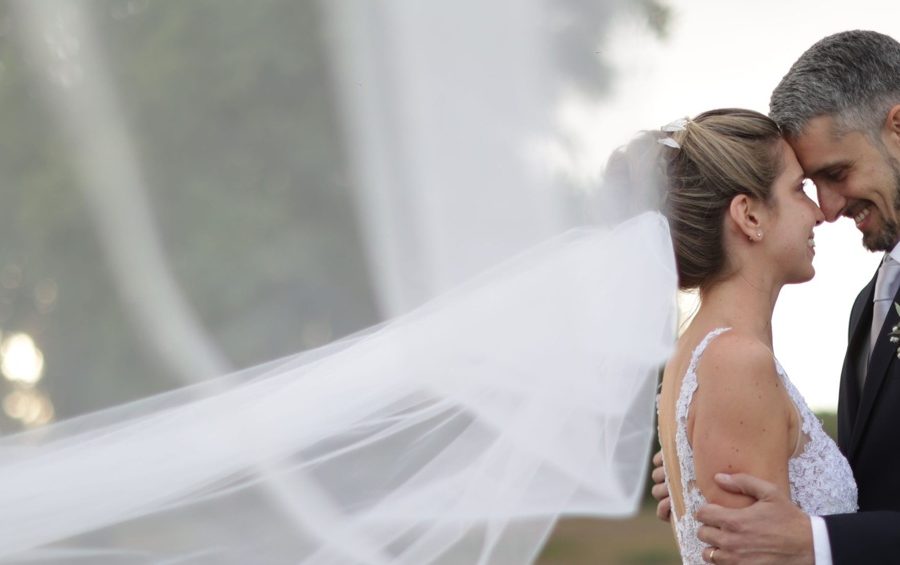
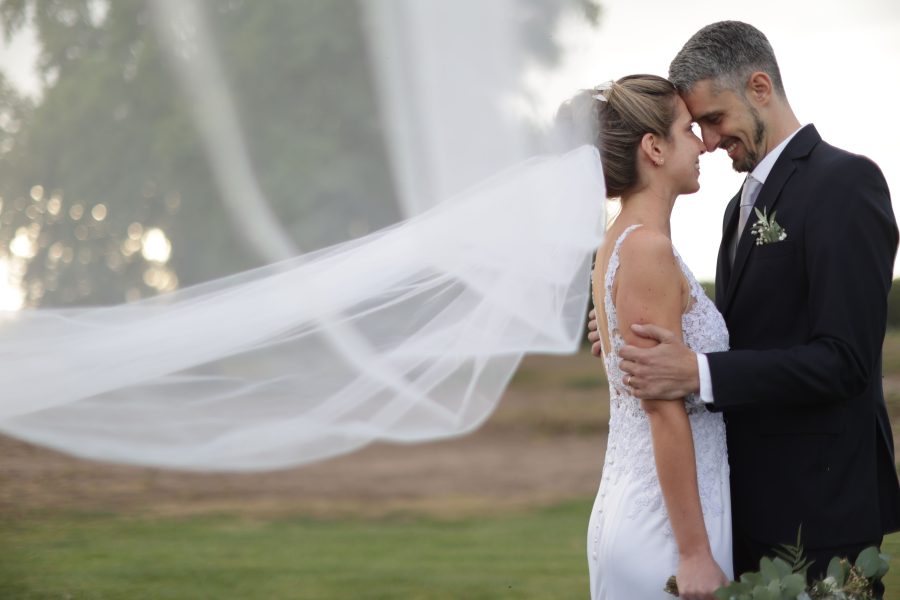
Ask the couple to turn toward each other and settle into a comfortable distance. They can hold hands or rest their hands where they prefer. Keep the first instruction simple: look at each other, take a breath, and stay there for a moment. You do not need to invent a dramatic story for the photograph.

Work around the arrangement. From one angle you may see both profiles; from another, one face becomes more visible. Check whether noses, foreheads, or hands overlap in a distracting way. A tiny change in camera position can solve more than a long list of directions.
If they want a closer gesture, invite rather than demand it. They might bring their foreheads nearer, share a brief hug, or speak quietly to each other. Do not prescribe a kiss as the required final step. Keep photographing the expression before and after a gesture rather than only the gesture itself.
People do not need to look intensely romantic in every frame. A smile, a quiet expression, or a laugh can each be right. Let the couple’s actual interaction tell you which image to keep. The most convincing photograph may be less dramatic than the reference image you had in mind.
Pose 3: walk together at a comfortable pace
Walking gives people a task and can loosen a stiff session. Choose a short, clear route with a safe surface. Check the clothing and footwear before suggesting movement. Steps, uneven ground, traffic, wet surfaces, and a long dress can make a seemingly simple walk inappropriate.

Ask them to walk together slowly and look at each other if that feels comfortable. Holding hands may help, but it is optional. Keep the route brief so you can repeat it once without exhausting them. Do not ask for a running photograph unless they actively want that and the situation safely supports it.
Use a shutter speed that fits the movement and your focal length. Focus mode and subject tracking need to be familiar before the session. Check a few frames for sharp faces, then stay attentive rather than reviewing every photograph while the couple waits.
Movement creates awkward frames as well as good ones. Hands swing, feet cross, and expressions change. Take a short sequence and select carefully. Do not confuse a large burst with thoughtful coverage. You still need a clean background, useful light, and a moment worth keeping.
Photograph from a position that leaves room for them to approach without collision. Do not walk backward through an unfamiliar area while staring through the viewfinder. If a safe shooting position limits the frame, accept that limit or choose another route.
Pose 4: use a seated arrangement when it suits the couple
Sitting can change the pace and offer a welcome break. Use a clean, stable seat with enough room for the arrangement. Check whether the couple can sit and stand comfortably in their clothing. A low ledge is not automatically a useful prop, and a delicate chair should not become a platform for balancing.

Start with comfortable posture and a simple connection. They might sit beside each other, turn slightly inward, or use a different arrangement they already find natural. Keep hands clear and avoid pressing clothing into an awkward shape. A small adjustment can improve the image without making the seat uncomfortable.
Choose camera height deliberately. Looking down slightly can simplify the scene; a lower angle may emphasize clothing or the surroundings. Neither choice is universally flattering. Make the photograph that suits the people and the story rather than applying a body-shape rule.
If one person remains standing or sits higher, check the distance between faces and the way the pose distributes attention. Avoid an arrangement that feels like one person is a prop for the other. Ask how it feels before refining it.
Pose 5: a relaxed hand connection indoors
A quiet indoor portrait can be built around an ordinary gesture: holding hands, resting an arm comfortably, or sitting together without performing for the camera. The arrangement does not have to be symmetrical. What matters is that the people feel connected and their faces remain readable.

Window light can give you direction, but check both faces. One person may block the light reaching the other. Turn the arrangement slightly or choose another camera position before reaching for more equipment. Avoid letting a bright window dominate the frame unless that contrast is part of the image you intend.
Ask for one small action, then wait. They can look at each other, settle a hand, or simply pause. If the expression becomes stiff, take the pressure off instead of demanding a bigger smile. A short conversation or a break can help more than another command.
Keep indoor backgrounds simple. Lamps, mirrors, clutter, and wall art can compete with the couple. You may not be able to move them, but you can often frame more carefully. Make a clean portrait before trying a complicated reflection or a dramatic angle.
Hands, clothing, and expression: adjust one thing at a time
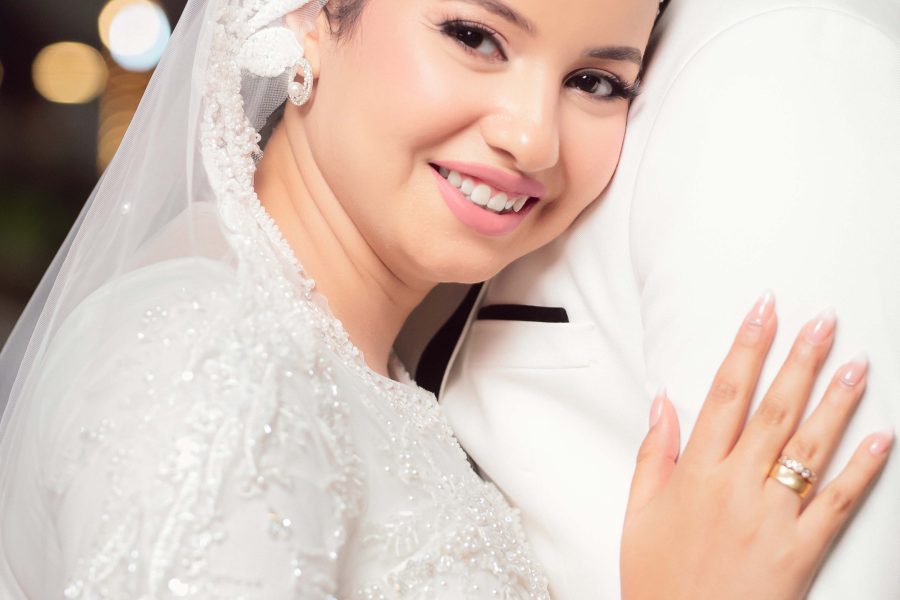
Hands look tense when people have no clear task. Give them a comfortable place to rest or a gentle connection to maintain. Watch for tight fingers, an awkward wrist, or an accessory held so high that it hides a face. Use small, specific directions rather than telling somebody that their hands look wrong.
Let clothing settle naturally before exposing. Check that a jacket, veil, bouquet, or train is not obscuring the feature you want to show. Ask before moving it. Wind can add motion, but it can also cover a face or make the couple uncomfortable. Change the setup instead of insisting that they endure it.
Expression is a collaboration. You can create space for a laugh, but you cannot guarantee genuine emotion by demanding it. Avoid embarrassing prompts, sexual jokes, or comments that assume you know their private relationship. Simple conversation is enough.
When something works, do not keep correcting it until it disappears. Make the photograph, change your framing, and move on. Over-directing can turn a good interaction into a tired performance.
Leave lifts, dips, and risky movement out of the default plan
The original article suggested lifting a partner as a romantic pose. That is not a sensible default. Strength, balance, mobility, footwear, clothing, and the surface all matter, and you may not know enough about them. There is no photograph that requires somebody to carry another person.
If a couple proposes a special movement, discuss it without pressure and use a safer alternative whenever the conditions are uncertain. A close embrace or a small turn can give a similar sense of connection without a lift. Do not encourage movement near an edge, road, water, or unstable surface.
Consent can change during the session. A couple may agree to an idea, then decide it feels awkward or uncomfortable. Stop without making them explain. Your job is to adapt the photograph, not persuade them to finish a pose they no longer want.
A short portrait sequence beats endless variations
For a limited wedding-day window, make a clear standing portrait, a facing-each-other variation, and one moving or seated option if appropriate. Change framing within each arrangement. This gives you variety without asking the couple to perform a completely new pose every thirty seconds.
Keep an eye on the agreed finishing time. Tell the couple when you have the important photographs and give them the choice to return to the event. More images are not automatically better service. A calm, focused session can produce a stronger result than a long session full of marginal variations.
Review focus and exposure at useful moments, but do not turn the session into constant screen checking. Prepare your camera before calling them into position. If a setup is not working, simplify it rather than making the couple wait through a technical experiment.
A simple light-control option
The Impact 42-inch 5-in-1 collapsible reflector with handles is one option for controlled portrait sessions. Compare the surfaces and size with your workflow. Use a capable helper when needed, avoid blocking paths, and do not wrestle a large reflector in unsafe wind. Better positioning in available light may be all the session needs.
Affiliate links may earn us a commission at no extra cost to you. Check current prices and availability.
Practice direction before the wedding
Practice giving simple instructions with willing subjects before you are responsible for a wedding-day portrait session. Notice which directions are easy to understand and which create confusion. Learn to adjust light, hands, and framing while keeping the atmosphere comfortable.
The Academy’s Wedding Photography course includes couple portraits alongside preparation, ceremony coverage, and reception work. It helps connect a portrait sequence to the rest of the day, so you can make confident decisions without losing the schedule or the people. Use that preparation to build your own small set of reliable starting points.
Wedding posing questions
What wedding pose should I start with?
Start with a comfortable side-by-side arrangement and a simple connection such as holding hands. Make a clear portrait, then change where the couple looks or how you frame it before introducing another pose.
How do I make wedding poses look natural?
Give short, understandable directions, change one thing at a time, and leave room for the couple to interact. Do not force expressions or gestures they do not want.
Should every couple kiss or embrace for portraits?
No. Ask about their preferences and use gestures they are comfortable with. A quiet look, a hand connection, or a formal portrait can be just as appropriate.
Are lifts and dips essential wedding poses?
No. They are not a sensible default. Consider comfort, consent, mobility, clothing, footwear, and the surface. Use a safer alternative whenever the conditions are uncertain.
How many poses do I need in a short session?
A few adaptable starting positions can be enough. Make a standing portrait, a facing-each-other variation, and a moving or seated option when appropriate, with different framing inside the agreed time.
Photo sourcing: licensed Pexels images.