Let’s be honest: in 2026, your face is your logo. Whether it’s LinkedIn, a corporate "About Us" page, or a high-stakes speaking engagement, people are judging you based on a 400×400 pixel square before they ever hear you speak. For photographers, this is a goldmine. Headshot photography is one of the most consistent, high-margin niches in the industry. But it’s not just about pointing a lens at someone and saying "cheese."
To succeed as a professional, you need to master the technical gear, the psychology of posing, and the nuances of professional corporate headshot tips that make your clients look like the best versions of themselves. This isn't just a portrait; it's a branding tool.
In this guide, we are going to dive deep into everything you need to dominate this niche. From the best lighting for executive portraits to the workflow that keeps your business profitable, consider this your roadmap to becoming the go-to headshot pro.
The Foundation: Gear for the Modern Headshot Pro
You don’t need a closet full of gear to shoot incredible headshots, but you do need the right gear. If you’ve spent any time reading our thoughts on whether ultra-high resolution really matters in 2026, you know that while megapixels are great, they aren’t the whole story.
1. The Camera
A full-frame mirrorless or DSLR is the industry standard. Why? Because you want that shallow depth of field and the dynamic range to capture skin tones accurately. You don’t need the most expensive camera on the market, but you do need something that handles autofocus quickly. Eye-tracking AF is a lifesaver in headshot photography.
2. The Lens (The Real Secret)
If you are shooting headshots with a 35mm lens, please stop. Wide-angle lenses distort features: they make noses look bigger and faces look wider. The "sweet spot" for headshots is between 85mm and 105mm.
- 85mm f/1.8 or f/1.4: This is the gold standard. It provides a beautiful compression that is flattering to almost every face shape.
- 50mm: This works if you are in a tight space, but be careful of getting too close to the subject.
- 70-200mm f/2.8: A versatile beast that allows you to stand further back, making the client feel less "invaded."
3. Lighting is Everything
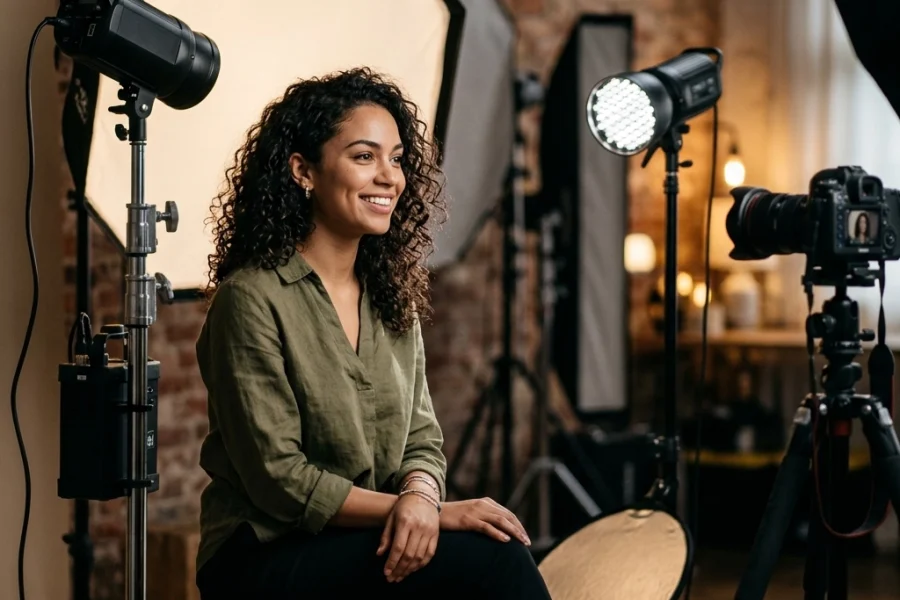
You can have a $10,000 camera, but if your lighting is flat or harsh, the photo will look amateur. When considering the best lighting for executive portraits, you want soft, directional light that defines the jawline and creates a "catchlight" in the eyes.

Alt text: A professional photography studio setup with a large octabox and a reflector for high-end corporate headshots.
Best Lighting for Executive Portraits: Pro Setups
Lighting for headshots is about control. You aren't just trying to "get an exposure"; you are trying to sculpt a face.
The Clamshell Setup
This is the most popular setup for a reason. You place a large softbox (like an octabox) directly in front of and slightly above the subject, angled down. Then, you place a reflector or a smaller light below the chin. This fills in shadows under the eyes and neck, creating a clean, "beauty" look that corporate executives love. It’s simple, effective, and very repeatable.
Rembrandt Lighting
For a more dramatic, "power" look, move your key light to the side at a 45-degree angle. This creates the classic "Rembrandt triangle" on the opposite cheek. This is great for creative professionals or executives who want a moodier, more authoritative vibe.
The Background Light
Don't let your subject blend into the wall. Using a small speedlight or a dedicated strobe on the background helps create separation. Even if you are shooting on a simple gray backdrop, a slight gradient behind the head adds a level of depth that screams "professional." If you're looking for more inspiration on how light changes everything, check out our guide on landscape composition: the principles of light and shadow are surprisingly similar.
How to Prepare for a Headshot Session (Client Guide)
Your job starts long before the shutter clicks. A nervous client looks stiff, and a stiff photo is a bad photo. You need to educate your clients on how to prepare for a headshot session.
Wardrobe Advice
Tell them to avoid busy patterns. Stripes and loud prints distract from the face. Solid colors are king. For men, a well-tailored suit jacket is essential. For women, a neckline that isn't too distracting is key. I always tell my clients to bring 2-3 options.
Grooming
Remind them to stay hydrated the week before. Dehydrated skin looks dull. Also, suggest they don't get a brand-new haircut the day before the shoot: give it a few days to settle.
The Mindset
Most people hate having their photo taken. Seriously. They would rather go to the dentist. Your job is to be the "Chief Energy Officer." Talk to them. Tell jokes. Tell them exactly what to do with their hands (even though hands aren't in the shot, the tension shows in the shoulders). If you want to see how we handle different photography styles, take a look at our ultimate guide to landscape photography: it's all about preparation.

Alt text: A professional male executive wearing a navy blue suit, smiling confidently for a corporate headshot.
Professional Corporate Headshot Tips: The Technical Details
Once the client is in front of the lens, you need to move fast. Here are some of the most important technical professional corporate headshot tips to keep in mind:
- Aperture Matters: In landscape photography, we often stop down to f/11. In headshots, don't go too wide. If you shoot at f/1.2, one eye might be in focus while the other is blurry. I find the "sweet spot" is usually between f/4 and f/5.6 for studio work. It keeps the whole face sharp but lets the background melt away.
- Shutter Speed: Keep it fast. Even if you are on a tripod, people move. A shutter speed of 1/200s or faster ensures zero motion blur.
- Focus on the Eyes: Specifically, the eye closest to the camera. If the eyes aren't sharp, the photo is a bin-job.
- The "Chin Out and Down" Move: This is the most important posing tip. Ask your client to bring their chin toward the camera and then slightly down. It feels ridiculous to them, but it instantly eliminates the "double chin" effect and defines the jawline.
For more advanced training on these techniques, make sure to visit https://learn.shutyouraperture.com/ where we break down these setups in video format.
Posing and Psychology: Getting the Real Smile
A "fake" smile is easy to spot. The eyes don't crinkle. To get a real expression, you have to distract the client from the fact that they are being photographed.
Ask them about their favorite vacation or what they did over the weekend. Capture the moments between the poses. Often, the best shot is the one where they just finished laughing at a joke and their face is relaxed.
The "Squinch"
Coined by Peter Hurley, the "squinch" is a slight narrowing of the eyes. It conveys confidence and self-assurance. Wide-open eyes can look like a deer in headlights. A subtle lift of the lower eyelids makes the subject look like they know exactly what they’re doing.

Alt text: A side-by-side comparison of a standard headshot vs. a headshot using the "chin out" and "squinch" techniques.
Post-Processing: The Finishing Touches
In the age of AI, retouching has changed. We aren't spending three hours on one face anymore. If you check out our latest post on AI photo editing tools and techniques in 2026, you’ll see how much the landscape has shifted.
Using Luminar for Headshots
One of the best tools for headshot photographers right now is Luminar. Their AI skin enhancement tools are incredible. You can remove blemishes, smooth skin texture, and brighten eyes in seconds without making the person look like a plastic doll.
The key to professional retouching is subtlety.
- Remove temporary blemishes (pimples, scratches).
- Leave permanent features (moles, character lines).
- Soften under-eye circles, but don't erase them completely, or the face loses its structure.
If you want to see some of the best examples of high-end retouching in the corporate world, visit Perfect Corporate Headshots. They set the bar for what a modern executive image should look like.

Alt text: A close-up of a photo editing software interface showing skin retouching and eye enhancement on a professional portrait.
Building Your Headshot Photography Business
Knowing how to take the photo is only half the battle. You need to know how to sell it.
1. The Portfolio
Your portfolio shouldn't have 100 photos. It should have 10 perfect photos. Show variety: high-key (white background), low-key (dark background), and lifestyle (in an office setting). If you're looking for more ways to build a cohesive look, check out PhotoGuides.org for some great industry standards.
2. Pricing
Don't charge by the hour. Charge by the "session" or by the "look." A standard headshot session might include two outfit changes and two retouched images. Additional images should be an upsell. This encourages clients to buy more once they see how great they look.
3. Corporate Gigs
The real money is in team headshots. When a company needs headshots for 50 employees, that’s a massive payday. You’ll need a mobile studio setup that you can bring to their office. Consistency is key here: the CEO’s headshot needs to look exactly like the intern’s in terms of lighting and background.
4. Marketing
Instagram is fine, but LinkedIn is where your clients live. Share your work there. Talk about the importance of a professional image. Share your professional corporate headshot tips to position yourself as an expert. For more tips on marketing your photography, check out Edin’s blog.

Alt text: A photographer on location in a modern corporate office setting up a portable backdrop for a team photo session.
Common Mistakes to Avoid
Even pros mess up sometimes. Avoid these common pitfalls to keep your reputation intact:
- Over-retouching: If the client's spouse doesn't recognize them, you went too far. Stop using the "blur" tool and start using frequency separation or AI tools like Luminar that preserve texture.
- Wrong Height: Shooting from too high makes the client look small and submissive. Shooting from too low makes them look intimidating (and shows off their nostrils). Shoot from eye level or just slightly above.
- Ignoring the Hair: Flyaway hairs are a nightmare to edit later. Keep a bottle of hairspray or a comb in your kit. A quick fix in person saves ten minutes in Photoshop.
- Poor Communication: If you aren't talking, your client is thinking about how much they hate their nose. Keep the conversation flowing.
If you've ever struggled with mistakes in golden hour photography, you know that technical errors are usually the easiest to fix once you recognize them. Headshot photography is no different.
The Future of Headshots in 2026
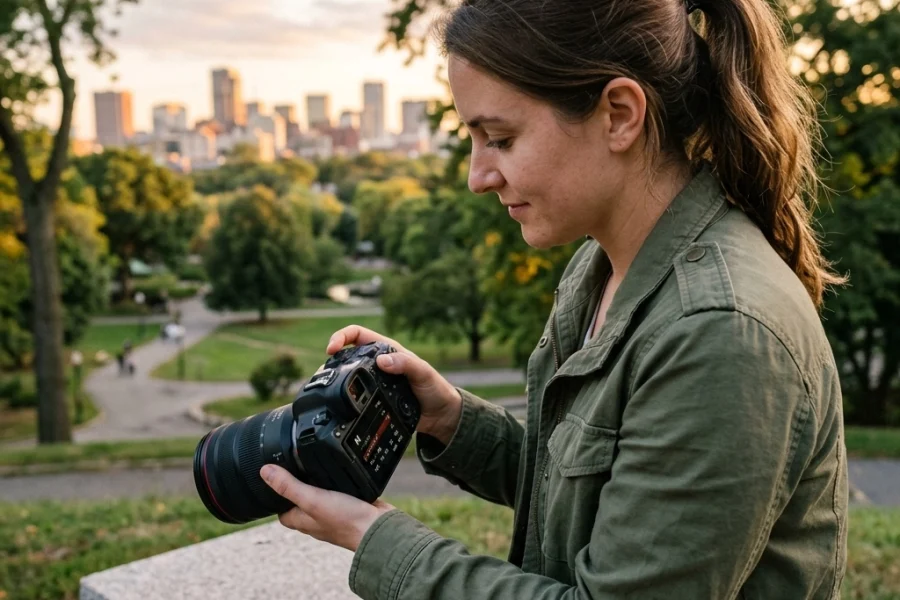
We are seeing a shift toward "lifestyle" headshots. While the classic gray background will always have a place, many professionals want photos that feel more authentic. They want to be seen in their environment: sitting in a modern cafe, standing in a sleek lobby, or in front of a blurred city skyline.
This requires you to master natural light and blending it with your strobes. It’s more work, but it also allows you to charge premium prices.
Final Thoughts
Becoming a professional headshot photographer is about more than just owning a camera. it's about being a director, a psychologist, and a lighting technician all at once. By mastering the best lighting for executive portraits, guiding your clients on how to prepare for a headshot session, and applying the professional corporate headshot tips we’ve discussed, you’ll be well on your way to dominating this market.
Remember, every person who sits in your chair is trusting you with their professional identity. Take that seriously, deliver consistent results, and your business will grow faster than you can keep up with.
For more tutorials and deep dives into the world of professional photography, head over to https://learn.shutyouraperture.com/ and start leveling up your skills today. And if you’re looking for fine art inspiration to clear your head between corporate gigs, check out Edin Fine Art.
Now, go out there and shut your aperture (at about f/5.6, of course).