Let’s be real for a second: you can have a $10,000 camera and the sharpest lens on the planet, but if the light sucks, your photo is going to suck. Period. You could be standing in front of the most majestic mountain range in the world, but if you’re shooting under flat, gray, boring light, you’re just taking a high-resolution picture of a big pile of dirt.

Landscape photography isn't about capturing "things." It’s about capturing light hitting things. Once you flip that switch in your brain, everything changes. Mastering natural light is the single biggest "level up" you can achieve in your photography journey. It’s what separates the snapshots from the fine art pieces you see hanging in galleries or on Edin Fine Art.

In this guide, we’re going to break down everything you need to know about natural light: how to find it, how to read it, and how to use it to create epic landscape shots.

The Foundation: Why Light Is Your Best Friend (And Worst Enemy)

Light is the soul of a photograph. It dictates the mood, the texture, the depth, and the color of your scene. In landscape photography, we don’t have the luxury of a studio where we can move a softbox or change the intensity of a bulb. We are at the mercy of the sun and the atmosphere.

That might sound frustrating, but it’s actually the best part. It turns every shoot into a puzzle and every successful shot into a victory. To master this, you need to understand the three pillars of natural light: Quality, Direction, and Color.

If you’re still figuring out how to handle your gear while chasing this light, check out our Photography 101 guide to get the basics down first.

1. Quality of Light: Soft vs. Hard

Think of the quality of light as the "texture" of the sun.

Hard Light occurs when the sun is a small, direct point in the sky. This usually happens around midday when there are no clouds. It creates harsh, dark shadows and bright, blown-out highlights. Most beginners hate hard light because it’s difficult to manage, but it can be great for emphasizing rugged textures in rocks or creating high-contrast black-and-white images.

Soft Light happens when something: like clouds or mist: diffuses the sun. Think of a giant softbox in the sky. The shadows become gentle, the colors become more saturated, and the whole scene feels more inviting. This is why many landscape photographers pray for a bit of cloud cover.

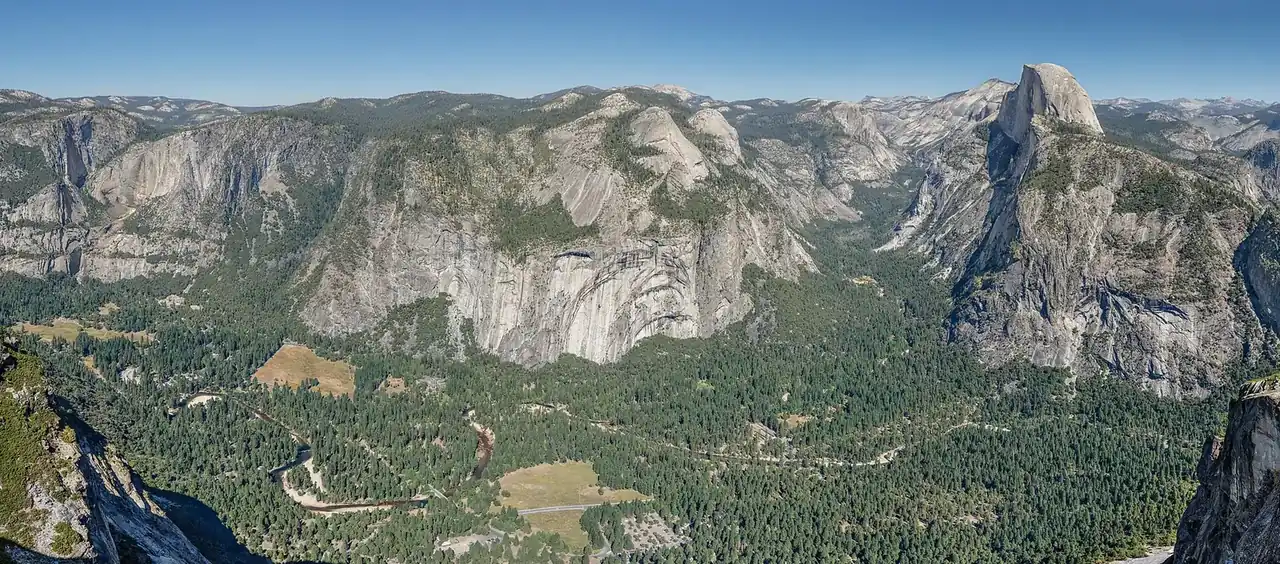
Landscape photography 101 showing the difference between harsh sun and soft cloud light on a mountain.

2. Direction of Light: Where is the Sun?

Where the sun is positioned relative to your camera changes everything.

  • Front Lighting: The sun is behind you, shining directly onto your subject. This is the easiest to expose for, but it often looks "flat" because it eliminates shadows. If there are no shadows, there’s no depth.
  • Side Lighting: The sun is hitting your scene from the left or right. This is the holy grail for landscapes. It creates long shadows that reveal the contours of hills, the texture of trees, and the depth of canyons. It makes a 2D photo feel 3D.
  • Backlighting: The sun is in front of you, behind your subject. This is high-risk, high-reward. It can create stunning silhouettes, rim lighting around trees, or a beautiful glow in the fog. But watch out for lens flare: unless that’s the vibe you’re going for.

Timing is Everything: The Photographer’s Clock

In the world of landscape photography, the "standard" work day is reversed. We work while the world sleeps and sleep while the world works. If you want the best light, you have to be there when the magic happens.

The Golden Hour

This is the hour just after sunrise and the hour just before sunset. The sun is low on the horizon, the light is incredibly soft, and everything is bathed in a warm, golden glow. This is when the most "epic" shots happen. The shadows are long and dramatic, and the colors are vibrant.

If you want to dive deeper into why your shots might still be missing the mark during these times, read about these 7 landscape photography mistakes.

The Blue Hour

Don’t pack your gear up as soon as the sun goes down! The Blue Hour occurs roughly 20-40 minutes before sunrise and after sunset. The sun is below the horizon, but its light is still hitting the upper atmosphere, creating a deep, cool blue tone. This is a fantastic time for moody landscapes or scenes that include city lights, as the blue sky balances perfectly with the warm artificial lights.

The "Ugly" Midday Light

Most people think a bright, sunny day is the best time for photos. For landscape photographers, it’s usually the worst. The sun is directly overhead, creating short, ugly shadows and washing out colors. However, with AI-powered mirrorless tech, modern cameras are getting better at handling this high dynamic range. Still, if you’re shooting at noon, maybe focus on forest interiors or black-and-white architecture.

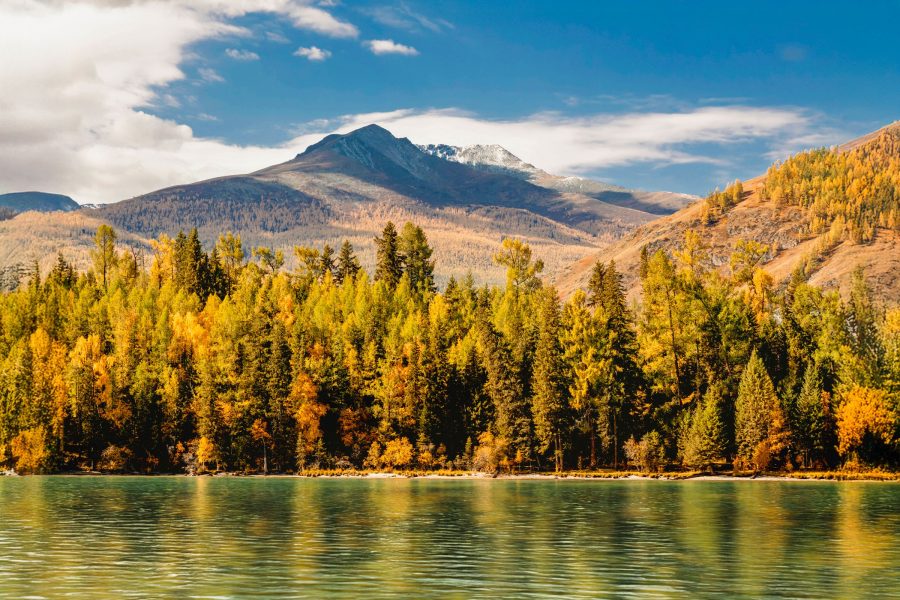
Mastering natural light during the golden hour at an alpine lake for landscape photography 101 students.

Weather: Your Secret Weapon

Beginners often stay home when the weather looks "bad." Professionals check their gear and head out the door. Some of the most incredible natural light happens during or just after a storm.

  • Overcast Skies: These act as a giant diffuser. This is the perfect time for shooting waterfalls, forests, and macro details. Without the harsh sun, colors like green and red really pop.
  • Stormy Skies: Drama! Dark, heavy clouds contrasted with a single break of sunlight hitting a mountain peak is the ultimate landscape "trophy" shot.
  • Fog and Mist: Fog is the ultimate tool for simplifying a scene. It hides distracting backgrounds and creates a sense of mystery. It also catches light in a way that creates incredible atmospheric depth.

To learn more about how to handle these conditions and more, check out PhotoGuides.org for some excellent field resources.

Mastering the Technical Side: Exposure and Dynamic Range

Natural light is beautiful, but it can be a nightmare for your camera’s sensor. The human eye can see a huge range of brightness, from the dark shadows under a rock to the bright clouds in the sky. Your camera can’t.

The Histogram is Your New Best Friend

Don't trust the screen on the back of your camera; it lies to you, especially in bright sunlight. Use the histogram. It’s a little graph that shows the distribution of tones in your image.

  • If the graph is smashed against the right side, your highlights are "blown out" (pure white with no detail).
  • If it’s smashed against the left, your shadows are "clipped" (pure black).
    Your goal is to keep the "mountain" of the graph within the edges.

Bracketing for Epic Shots

When the light is too intense for a single exposure (like a sunset where the sky is bright and the ground is dark), use bracketing. This is where you take three or more photos at different exposures: one for the sky, one for the mid-tones, and one for the shadows. You can then blend them later in post-processing. If you're still working on this, check out our guide on how to master manual mode.

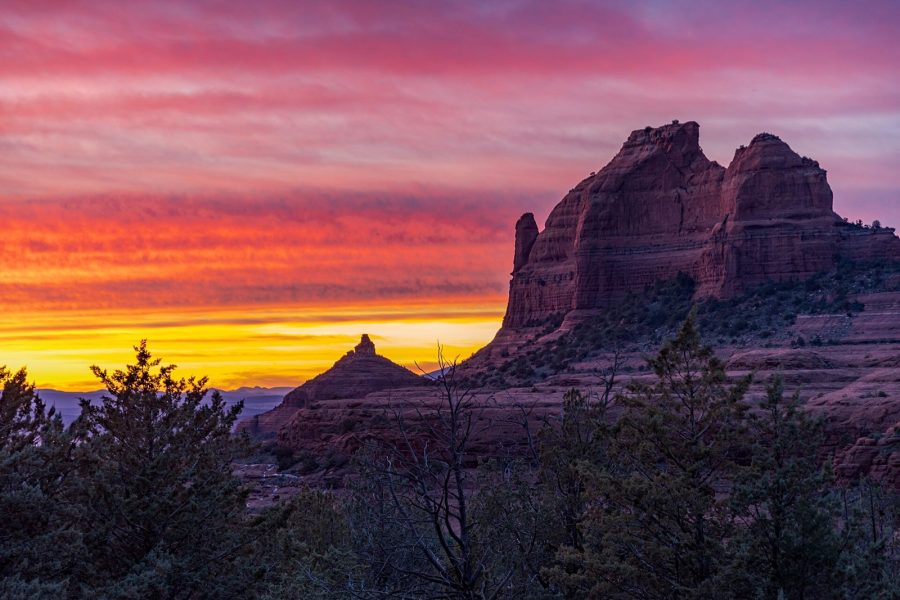
Using natural light to capture high dynamic range in a desert canyon for landscape photography 101.

Post-Processing: Bringing the Light to Life

Raw files are flat by design. They are meant to be edited. When you’ve captured that beautiful natural light, you need to polish it to make it shine.

One of the most powerful tools for this today is Luminar. Its AI tools are specifically designed to enhance natural light. For example, the "Relight AI" feature can help you balance the lighting in a scene without it looking "Photoshopped." You can also use "Sunrays" to enhance a golden hour glow that was already there.

But be careful: don't overdo it. There’s a fine line between a beautiful landscape and something that looks like a neon fever dream. If you want to avoid common pitfalls, see our article on 7 mistakes you’re making with AI photo editing.

Gear That Helps You Capture Light

While we said gear isn't everything, certain tools make mastering natural light a lot easier.

  1. A Sturdy Tripod: When the light gets low (golden/blue hour), your shutter speed gets long. You cannot hand-hold a 2-second exposure. If you want sharp shots, get a tripod.
  2. Circular Polarizer (CPL): This is like sunglasses for your lens. It cuts through glare on water and makes the colors in the sky and foliage much more saturated. It’s one of the few effects you can't truly replicate in Luminar.
  3. Neutral Density (ND) Filters: These allow you to take long exposures even when it’s bright out. Want those silky smooth waterfalls or streaky clouds? You need an ND filter.
  4. Graduated ND Filters: These are dark on top and clear on the bottom, helping you darken the sky without affecting the foreground.

For a deeper look at what to pack, check out our comparison on the best mirrorless cameras for 2026.

Mirrorless camera gear setup in a mountain stream for a landscape photography 101 tutorial.

Scouting and Planning: Don’t Leave It to Chance

The best landscape photographers don't just "get lucky." They plan. They use apps like PhotoPills or The Photographer’s Ephemeris to see exactly where the sun will rise and set at a specific location.

Before you even leave your house, you should know:

  • What time is sunrise/sunset?
  • What direction will the light be coming from?
  • Will the sun be blocked by a mountain?
  • What’s the cloud cover forecast?

If you want to really master these techniques, you should check out the tutorials over at Shut Your Aperture Learn.

Learning to See Light: A Simple Exercise

If you're at home right now, look around. Where is the light coming from? How does it hit the furniture? Is it soft or hard?

Go to a local park and watch a single tree for an hour before sunset. Notice how the colors change from yellow to orange to red to blue. Notice how the shadows crawl across the grass. This "active seeing" is more important than any technical setting on your camera.

For more inspiration on how to see light in different contexts, read our Portrait Photography 101 guide. The principles are surprisingly similar.

Beautiful natural light and sunbeams hitting a lone tree during a landscape photography 101 shoot.

Final Thoughts: The Infinite Chase

Landscape photography is a lifelong pursuit of light. You will have days where you wake up at 3 AM, hike 5 miles in the dark, and get nothing but a gray, flat sky. It happens. But those days make the "fire in the sky" mornings even more special.

Don't be afraid to experiment. Take the "wrong" photo. Shoot directly into the sun. Go out in the rain. The more you interact with natural light, the more you’ll understand its language.

And remember, capturing the image is only half the battle. How you process that light in tools like Luminar determines the final emotional impact of your work. For more tips on the 2026 camera landscape and how AI is changing the game, stay tuned to our latest photography news.

Now, quit reading and go check the weather forecast. There’s a golden hour coming, and that mountain isn't going to photograph itself. For more deep dives into the craft, you can always visit Edin’s Blog.

Related Reading