Updated October 2026
A corporate event photographer should give your team photographs it can actually use: clear speakers, engaged attendees, strong branding, the room, the details, and the moments that explain what happened. A beautiful frame matters, but a corporate gallery has a job to do. It may support a press release, a sponsor recap, internal communications, recruiting, or the next event campaign.
Edin Studios is a national corporate event photography company, with coverage available across the United States. Miami is part of the story, not the boundary. If your conference is in New York, your trade show is in Las Vegas, or your team is planning a multi-city program, start with the actual cities, dates, and coverage needs. Visit Edin Studios for the current portfolio and nationwide location information.
I want the brief to be specific before anyone walks into the room with a camera. The event schedule, people, image use, approval process, and deadlines should not be guesses. This guide shows how to hire and plan corporate coverage across one event or several markets. It is a planning guide, not a quote or a promise of availability on a particular date. Send your event details through the Edin Studios inquiry form for a scope that fits your program.
Define what your corporate event photographs need to do
Begin with the audience for the finished images. A marketing team may need social assets immediately after a keynote. A communications team may need a small press-ready selection with accurate names. A sponsor team may need proof of visibility and engagement. An internal team may care more about participation, recognition, and people connecting than a dramatic stage photograph.
Turn those needs into priorities. Identify required speakers, awards, sponsor placements, executive groups, and branding. Tell the photographer which moments cannot be missed and which are optional. A vague request for lots of photos leaves important decisions to chance. A useful brief tells the coverage team what success looks like without trying to script every expression in the room.
Specify formats too. A horizontal website banner and a vertical social post may need different compositions. Ask for space around subjects when designers will place text or make several crops. If an image will go to press, tell the photographer what file size and naming information your communications team needs. Practical output requirements belong in the plan, not a surprise email after delivery.
Choose a national photography partner around consistency
National coverage means coordinating different cities, venues, and schedules without losing the visual direction of the brand. A multi-city program needs a shared brief, a common shot list, and a clear way to deliver files. The rooms will not look identical, but the gallery should still feel like one campaign rather than several unrelated events.
Ask how the team will maintain consistent editing, framing priorities, and naming across locations. Decide who owns the brief and who can approve a change. A national program can become confusing when local contacts give different instructions without telling the central marketing team. One point of accountability and a short, usable plan reduce that problem.
Review relevant work rather than hiring from a single hero photograph. Look at a complete conference, trade show, panel, or corporate reception gallery. Check the quieter frames as well as the dramatic ones. Can you see faces clearly? Are the colors consistent? Is the event identity present without overpowering every photograph? Good coverage stays useful after the strongest image is removed.
Give each city a real schedule and scope
List the cities, venue names, dates, local time zones, coverage hours, and room names for every stop. A national itinerary should not rely on a message that says Thursday afternoon without a city or time zone. Include arrival requirements, credential collection, parking or loading access, and the contact who can answer questions on site.
Separate travel time from coverage time. If a program moves between venues or includes an off-site reception, allow enough time for the team to move safely and set up. A ballroom address is not always the correct loading entrance. Share the practical route and building instructions, especially when security, elevators, or large convention floors add time.
Confirm each market and date through the actual quote. A national service footprint is not a guarantee that any crew is available tomorrow in every city. Ask what the scope includes, how staffing is arranged, and which travel or access requirements apply. The Edin Studios locations page is a starting point for planning, not a substitute for the event agreement.
Build one master brief and a local addendum
The master brief should carry the brand standards: image use, crop needs, editing direction, required sponsor coverage, naming rules, and delivery priorities. The local addendum should carry the facts that change at each stop: venue, schedule, rooms, contact, access rules, and essential people. That keeps the program consistent without pretending every event is the same.
Include the names and reference photographs of essential people when appropriate. A job title does not help a photographer identify a new executive in a room of hundreds. Keep that working information private and send only what the team needs. Do not put confidential phone numbers, attendee lists, or internal agendas into a public planning document.
Mark concurrent sessions clearly. One photographer cannot fully cover two rooms at the same moment. Set priorities or arrange enough coverage for the required sessions. Make the decision before the event rather than after discovering that a sponsor presentation and an executive award happened together. The same applies to a headshot station that needs to stay open while stage coverage continues.
Plan conference and keynote coverage
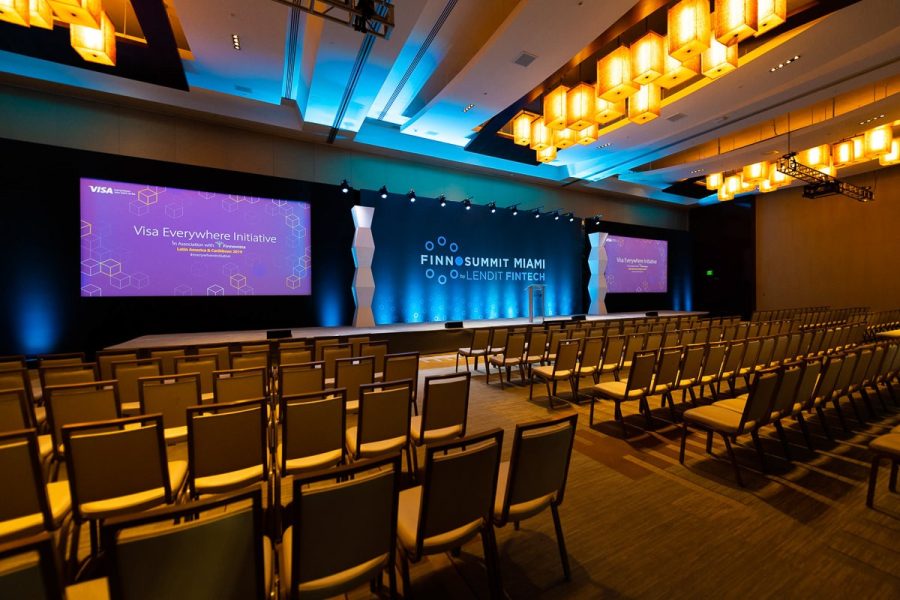
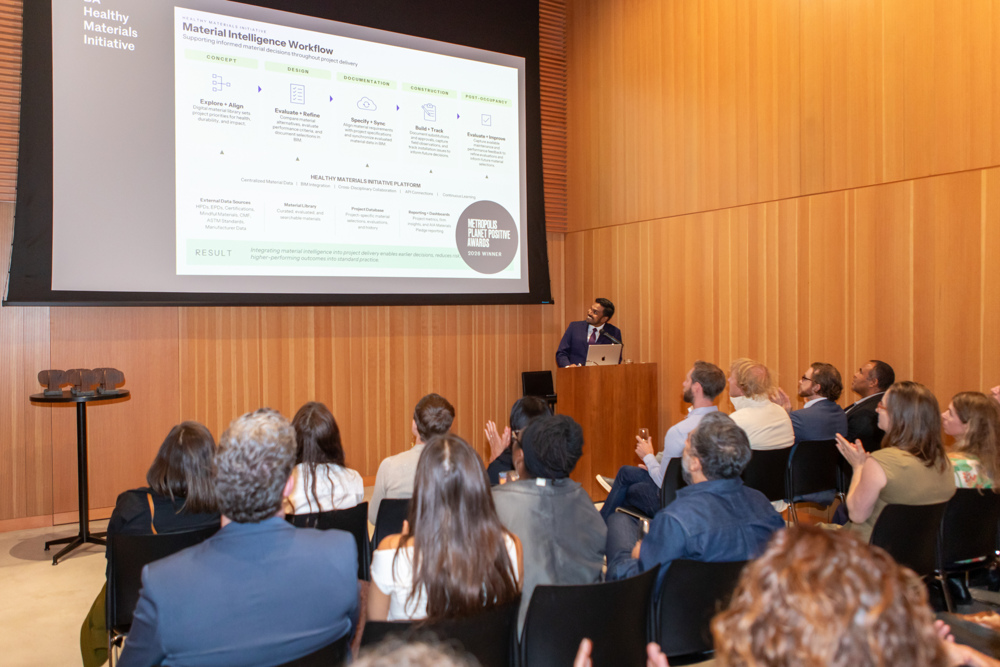
Give the photographer the run of show and any restrictions on movement. A keynote may need a clean speaker portrait, a wider frame showing the stage and branding, and audience reactions. If the speaker is only on stage briefly, those priorities need to be clear. Watch for microphones, lecterns, and screen text that can interfere with a useful composition.
Coordinate with production before the event begins. The lighting for a rehearsal may not match the lighting during the speech. Ask where photographers can stand, whether flash is permitted, and whether there are moments when movement is restricted. A coverage plan should respect the speaker and audience rather than turning photography into a distraction.
Screens and LED lights can create difficult exposure and shutter behavior. Test the actual setup and check files closely for banding, color problems, and clipped faces. Do not assume one camera setting works for the whole program. A still group, a moving presenter, and a dim reception need different decisions. Technical preparation protects moments that cannot be repeated.
Show trade shows and brand activations as participation
A trade show gallery needs more than an empty booth photograph. Capture the booth or activation cleanly when the schedule allows, then show people using it: demonstrations, conversations, presentations, and details that explain the product or experience. Confirm the sponsor priorities and the parts of the activation that must appear in the recap.
Keep branding readable where it matters, but do not force a logo into every frame. The photograph should show a real interaction. A close detail may work beside a wider image that explains the space. Build variety so the design team can make a useful story rather than choosing among twenty nearly identical photographs of the same counter.
Avoid exposing sensitive screens, documents, or badges. Ask the organizer about restricted products, embargoes, demonstrations, and competitors. Corporate work can contain information that is not ready for public release even when the event itself is open. A clear restriction list gives the photographer a way to work without guessing what can be shown.
Prepare executive groups and headshot stations
Schedule executive groups with a named coordinator who can gather people. Give the photographer the required combinations and allow time to arrange faces clearly. A hallway with a distracting sign may be convenient but unsuitable for a photograph that will be used for months. Identify a workable space and confirm access before the group arrives.
An on-site headshot station has its own workflow. It needs space, power where relevant, a background plan, a queue, and a way to connect files to the right person without publishing private data. Do not treat it as an effortless add-on to stage coverage. Discuss staffing and timing if both services must run at once. Edin Studios lists corporate headshot photography separately so you can include the right needs in your inquiry.
Keep the visual direction consistent across a national team. Decide whether the portraits should use the same crop, background, lighting style, and file dimensions at each location. Ask how older portraits will match new ones if the program runs over time. That conversation is more useful than requesting professional headshots without defining the style.
Confirm permissions, credentials, and privacy
Ask the venue and organizer about photography access, credentials, insurance documentation, flash, equipment placement, and restricted areas. Requirements vary by venue and event. Do not assume an indoor booking covers a separate commercial photograph on a nearby public street or park. Public-location rules and private venue rules are different checks.
Make attendee notice and privacy part of the event plan. The organizer should decide how photography is communicated and how opt-outs or restricted people are handled. Share that process with the photographer. For sensitive gatherings, discuss image access and approval before publishing. A public gallery is a delivery choice, not a default that fits every corporate event.
Agree on portfolio use, sponsor sharing, press distribution, and internal access in writing. Having photographs delivered does not answer every question about where they can be used. A company may need approval before a speaker photograph is released or a partner logo appears in an advertisement. Give those decisions an owner and a clear path so the gallery does not stall after the event.
Make backup planning part of the brief
Events do not pause because a battery is empty or a card fails. Ask about equipment redundancy and file protection at a level that fits the job. For photographers, prepare spare batteries, usable cards, backup camera options, and a tested transfer process. Confirm what happens if an essential piece of equipment becomes unavailable.
After capture, protect the files before formatting cards. Check transfers, keep more than one copy where practical, and distinguish working files from delivery exports. A copied folder is not a verified backup until the files can be opened and the set is complete. For national programs, agree on who holds the source files and the retention period rather than assuming every local team keeps them forever.
Agree on previews, full delivery, and approvals
A marketing team may need a quick selection while the event is still fresh. A full gallery may need more editing and organization. Separate those deliverables in the agreement: how many preview images, which priorities they cover, when they arrive, and when the complete set follows. Do not use fast turnaround as a substitute for an actual deadline.
For multiple cities, use a shared naming system and folder structure. Decide whether delivery is grouped by day, session, venue, or campaign. Include any caption or identification requirements before capture. A large national gallery becomes hard to use when every file is unnamed and all sessions are mixed together. Organization is part of the deliverable.
Check the exported images at the intended sizes and uses. The web version, press file, and print file may have different requirements. Confirm that the gallery works for the approved audience and that access is appropriate. Assign one person to collect revision requests so the photographer does not receive conflicting feedback from several departments.
Request a quote that can become a clear agreement
Send the city or cities, dates, venue, coverage hours, approximate attendance, schedule, simultaneous sessions, and essential deliverables. Include whether you need headshots, video, or more than one photographer. Identify the event contact and the person approving the scope. The more concrete the request, the less time everyone spends trying to interpret it.
Review the quoted coverage, staffing, delivery, usage, payment, cancellation, overtime, travel, and change terms. Compare like for like when choosing a provider. A lower headline number may describe fewer hours, fewer deliverables, or a different staffing plan. This article does not set rates or promise a booking. Get the terms for your actual event through the Edin Studios inquiry form.
You can review the Edin Studios portfolio and national services and its public client gallery collection to see real coverage. Use relevant examples to discuss the type of event you are planning. The next step is a brief and a confirmed scope, not guessing that another company’s event package fits yours.
Build the skills behind dependable event coverage
For photographers, reliable corporate coverage starts with exposure, composition, lighting decisions, and editing discipline. The Shut Your Aperture Academy offers guided photography learning to help build those foundations. Choose from the current catalog for your goals and practice in changing light before accepting responsibility for an event that cannot be repeated.
The strongest corporate gallery is clear, consistent, and useful. It shows the people, the purpose, and the details without making the viewer work to understand the event. Plan carefully, keep the brief readable, and check the finished files. That approach matters whether the job is one conference or a national series with several cities on the calendar.
Frequently asked questions
Does Edin Studios offer corporate event photography nationwide?
Yes. Edin Studios is a national corporate event photography company with US coverage. Send the cities, dates, venues, and scope to confirm availability and the terms for your program.
What should I include when requesting corporate event photography?
Include cities, dates, venues, coverage hours, attendance, schedule, essential people, simultaneous sessions, deliverables, and intended image use. Add headshot or video needs where relevant.
Can one photographer cover a keynote and a headshot station at the same time?
Not fully if both require continuous attention. Set priorities or arrange enough coverage for concurrent services and rooms.
How should a multi-city corporate gallery stay consistent?
Use a shared brand brief, coverage priorities, editing direction, file naming, delivery structure, and one clear approval process, with local venue and schedule details for each stop.
How quickly will corporate event photographs be delivered?
Confirm the preview and full-gallery deadlines in the event agreement. Timing depends on scope and the agreed service; this guide does not promise a deadline for a specific booking.
Photography from the public Edin Studios client gallery collection. National service information checked against Edin Studios; final availability, price, delivery, and usage terms belong to the event agreement.