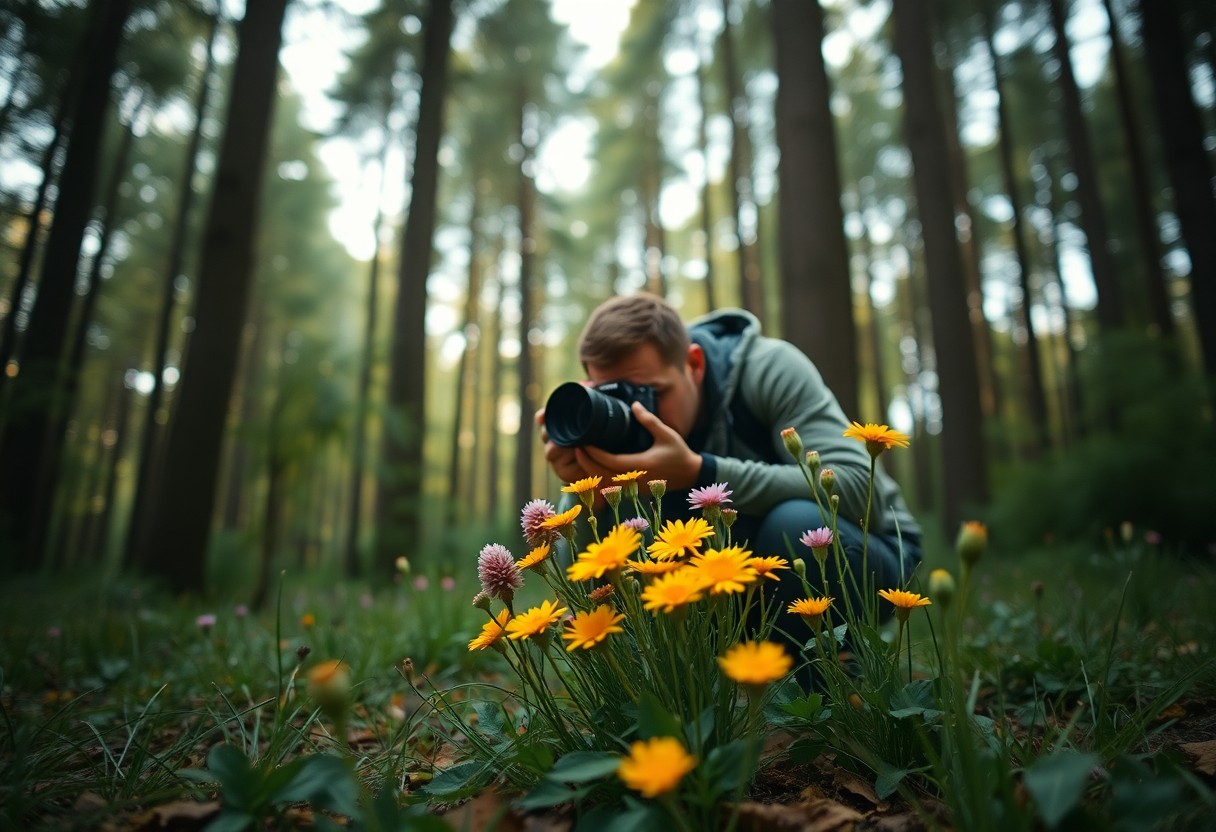
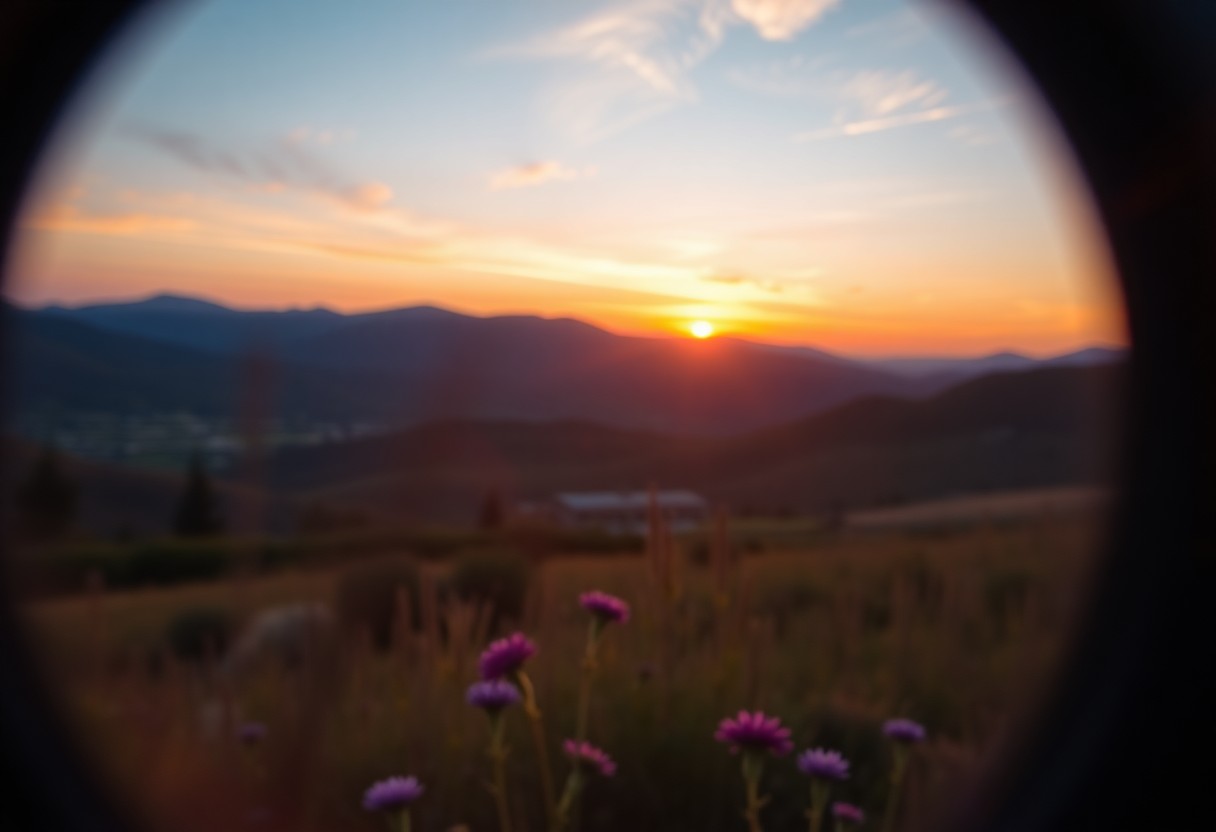
There’s a wealth of knowledge waiting to elevate your photography skills from amateur to professional. It doesn’t matter if you’re just starting out or looking to refine your techniques; these timeless tips will help you take stunning images that resonate with your audience. By understanding the fundamentals of composition, lighting, and equipment, you can transform your approach and capture the beauty you see through your lens. Let’s research into these vital strategies that will enhance your photography journey and produce impressive results.
Understanding Your Camera
To truly elevate your photography skills, it’s imperative to understand the ins and outs of your camera. Familiarizing yourself with its features, buttons, and functionalities equips you to capture stunning images consistently. Invest time in reading your camera’s manual and experimenting with different settings to appreciate what each option has to offer. Learning how your specific model operates will not only boost your confidence but also enhance your creativity and effectiveness as a photographer.
Manual Mode Mastery
Before you can capture breathtaking images, mastering manual mode is pivotal. Transitioning from automatic settings to manual gives you complete control over exposure, aperture, and ISO, allowing you to create images that reflect your artistic vision. As you practice adjusting these settings, you’ll gain a deeper understanding of their relationships and how they affect the overall outcome of your shots.
Essential Camera Settings
Essential camera settings include shutter speed, aperture, and ISO. These elements work together to define your exposure and help achieve the desired effect in your images. By learning how to balance these settings, you’ll be better equipped to navigate varying lighting conditions and create visually striking photos.
Mode dial settings also play an important role in your photography toolkit. Experimenting with options like aperture priority, shutter priority, or even manual mode allows you to customize your approach based on the shooting environment. Understanding when to adjust these settings can drastically improve your results, giving you the flexibility to adapt and produce compelling images in any scenario.
Light and Composition
If you want to elevate your photography, mastering light and composition is crucial. Understanding how light interacts with your subject can dramatically enhance your images, while employing compositional techniques will help you create visually striking photographs that captivate your audience. Pay attention to how you can manipulate light and structure your scenes for the best impact.
Natural Light Techniques
Above all, natural light can become your best friend in photography. Utilizing morning and late afternoon sunlight—often referred to as golden hours—softens shadows and enriches colors, adding warmth to your images. Positioning your subject strategically can yield breathtaking results, allowing you to harness the beauty of the environment without artificial lighting.
Rule of Thirds and Golden Ratio
Any compelling composition is grounded in established guidelines like the Rule of Thirds and the Golden Ratio. These techniques help you to frame your subject effectively, creating a balanced and engaging image that draws the viewer’s eye.
Ratio principles guide you in placing your subject off-center, which can give your composition a dynamic feel. The Rule of Thirds divides your frame into a grid of nine equal parts, where key elements should align along the intersecting lines to create balance. The Golden Ratio, on the other hand, is a more intricate spiral that leads the viewer’s gaze through the image, enhancing visual interest. By implementing these techniques, your photos will not only look professional but also evoke emotion in those who view them.

Technical Foundations
All budding photographers must grasp the technical foundations of photography to elevate their skills from amateur to pro. Understanding the key elements such as exposure, focus, and depth of field will allow you to control the outcome of your images and unleash your creative vision. Mastering these components ensures that your photographs not only capture moments but also convey the emotions and stories behind them.
Exposure Triangle
For every photograph, you need to understand the exposure triangle, which consists of aperture, shutter speed, and ISO. These three elements work together to determine the amount of light that reaches your camera’s sensor, thereby affecting the overall brightness and quality of your images. Adjusting one component influences the others, so developing a balanced approach can significantly enhance your photographic outcomes.
Focus and Depth of Field
Any great image hinges on sharp focus and an understanding of depth of field. Using focus strategically allows you to draw the viewer’s attention to your main subject, while depth of field determines how much of your scene appears sharp or blurred. This control over clarity enables you to create beautiful compositions and effectively convey your intended message.
Foundations of focus and depth of field directly influence the storytelling aspect of your photography. When you choose a shallow depth of field, backgrounds fade into a soft blur, emphasizing your subject and creating an intimate feel. Conversely, using a deeper depth of field keeps more elements in focus, making it ideal for landscapes and intricate scenes. Learning how to manipulate focus and depth of field empowers you to capture stunning images that resonate with your audience.

Advanced Shooting Techniques
Unlike basic photography techniques, advanced shooting methods can elevate your images to a professional level. Mastering these techniques will allow you to express your creative vision more effectively. Here are some necessary advanced techniques you should explore:
| Technique | Description |
|---|---|
| Manual Mode | Control exposure settings (shutter speed, aperture, ISO) for desired outcomes. |
| Bracketing | Take multiple shots at different exposure levels to combine for HDR. |
| Focus Stacking | Merge images taken at different focus points for increased sharpness. |
Long Exposure Photography
For stunning long exposure photography, you’ll need to use a tripod and a low ISO setting to keep your image sharp while capturing movement over time. This technique is fantastic for creating smooth water effects or light trails at nighttime, allowing you to showcase creativity in your landscape and cityscape shots.
Motion Capture Methods
Shooting dynamic subjects can convey energy and movement in your images. Using techniques such as panning and varying shutter speeds allows you to capture the essence of motion. This will not only make your photos come alive but also evoke emotions and tell a story.
Exposure settings play a significant role in motion capture methods. By adjusting your shutter speed, you can either freeze the action or create a sense of movement through blur. When panning, keep your shutter speed slower than usual while tracking your subject, resulting in a sharp focal point coupled with a blurred background. This adds depth and interest to your images, making them more engaging to viewers.
Post-Processing Essentials
Now that you’ve captured stunning images, post-processing is your next step to elevate them even further. This crucial phase allows you to refine your work, enhancing elements like exposure, contrast, and sharpness. Embracing post-processing not only polishes your images but also gives you the freedom to express your artistic vision. By mastering post-processing techniques, you can significantly impact how your photographs are perceived.
RAW vs JPEG Workflow
Above all else, understanding the differences between RAW and JPEG formats is key to optimizing your workflow. RAW files retain more image data, providing greater flexibility for adjustments during editing, while JPEGs are smaller and easier to share but limit post-processing options. By shooting in RAW, you ensure that your images have the highest quality possible, making it easier to achieve the results you envision.
Color Correction and Enhancement
With effective color correction and enhancement, you can truly transform your photographs into eye-catching masterpieces. Understanding how to adjust hues, saturation, and brightness will allow you to create a more balanced and captivating image. Utilizing tools like curves, levels, and color grading will further enhance the mood and tone of your work, ensuring your photographs resonate with viewers.
The key to successful color correction lies in understanding your image’s unique needs. Start by assessing the overall color balance and making adjustments to neutralize any unwanted color casts. From there, you can enhance specific hues to draw attention to your focal points, creating a sense of depth and interest. Don’t hesitate to experiment with different techniques and tools, as this will help you develop a personal style while achieving stunning results in your photography.

Building Your Style
Once again, developing your photography style is important for distinguishing yourself in a saturated market. This involves exploring various techniques, subjects, and approaches until you find what resonates with you. Embrace experimentation and let your passion guide you as you evolve your style. Be patient and allow yourself to grow; authenticity often leads to the most stunning images.
Finding Your Niche
Between the myriad of photography genres, finding your niche can transform your work. Focus on areas that ignite your passion, whether it’s landscapes, portraits, or street photography. Assess what excites you and where your skills shine. By honing in on a specific niche, you can build an audience that appreciates your unique vision.
Developing a Signature Look
Your signature look is what makes your images distinct and memorable. This can be achieved through consistent use of specific colors, lighting techniques, or editing styles that reflect your personality. Take the time to explore different methods and figure out which ones best express your artistic vision. Experimentation is key; be open to evolving your style as you grow as a photographer.
Building your signature look is a journey of self-discovery and creativity. Start by examining the elements that resonate with you in other photographers’ work, and identify the aspects you admire most. As you photograph, pay close attention to patterns in your choices and the resulting images; over time, you’ll notice consistent themes emerging. By refining these elements into your process, you’ll cultivate a look that is not only personal but also instantly recognizable to others. The beauty of a signature style is its fluidity—it can evolve while still maintaining its essence, marking your growth as a photographer.
To wrap up
With this in mind, you can elevate your photography skills and transform your images from amateur snapshots to professional-quality works of art. By applying these timeless tips and techniques, you’ll develop a keener eye for composition, master natural and artificial lighting, and ultimately create stunning visuals that tell your unique story. Embrace experimentation, practice regularly, and let your creativity flow, allowing you to capture moments that resonate with both you and your audience.