Best Photography Tours in Big Bend National Park (2026)
Updated
Featured photograph: Photo by Ken Stringer via Pexels (source; Pexels license). (Stock photo, illustrative.)
Big Bend is the national park that photographers whisper about. Eight hundred thousand acres of Chihuahuan Desert where Texas makes its great bend around the Rio Grande, a whole mountain range rising out of the desert floor inside the park boundary, canyons with walls a thousand feet tall, and night skies so dark the park holds a Gold Tier International Dark Sky designation. It is remote in a way that filters out casual visitors, and that is exactly why the shooting is so good.
Here is the honest picture up front: Big Bend’s remoteness means the commercial tour market is small and specialized. You will not find a dozen photo tours competing for your booking the way you would at Yosemite or Zion. What exists is a handful of genuinely interesting guided experiences, a strong self-guided option, and a stargazing tour that pairs perfectly with the park’s famous skies. Neither Edin nor anyone on the ShutYourAperture team has personally taken the tours below; we researched the live listings as of November 2026 and we will tell you exactly what each one does and does not offer a photographer.
Why Big Bend belongs on a photographer’s list
The park covers 801,163 acres, the eighth-largest national park in the lower 48 states. It was established on June 12, 1944, after the State of Texas assembled the land through the 1930s and transferred it to the federal government. Three distinct landscapes stack inside one boundary: the Chihuahuan Desert floor, the forested Chisos Mountains rising above 7,800 feet, and the Rio Grande carving limestone canyons along the Mexican border.
For a photographer, that stacking is the whole story. You can shoot desert floor cactus gardens at dawn, cloud inversions from the Chisos rim by mid-morning, and canyon light on the river by evening, all inside one park day. And then there is the night: the National Park Service notes Big Bend has the least light pollution of any national park unit in the lower 48, which is why the Milky Way here looks like a long exposure even to the naked eye.
The spots your tour should cover
Santa Elena Canyon. The park’s signature frame: the Rio Grande slicing between 1,500-foot limestone walls. Morning light works best, when the sun reaches into the canyon mouth. A short trail crosses Terlingua Creek and climbs switchbacks along the canyon wall.
The Window. The classic Chisos Basin view, a V-shaped pour-off that frames the western desert. This is the sunset spot, and the Window View Trail from the Basin gets you there with minimal effort for maximum composition.
Lost Mine Trail. The park’s most photographed hike, climbing to a ridge panorama over Juniper Canyon and the Sierra del Carmen. Go early; the light and the parking both favor dawn.
Ross Maxwell Scenic Drive. The road itself is the subject: sweeping desert curves, volcanic tuff formations like Mule Ears, and pullouts built for wide-angle frames. It ends at Santa Elena, so it structures a perfect half-day shoot.
Anywhere at night. Pick a road, a pullout, or a desert foreground and point up. The park’s stargazing page is blunt about it: this is one of the outstanding places in North America for night skies.
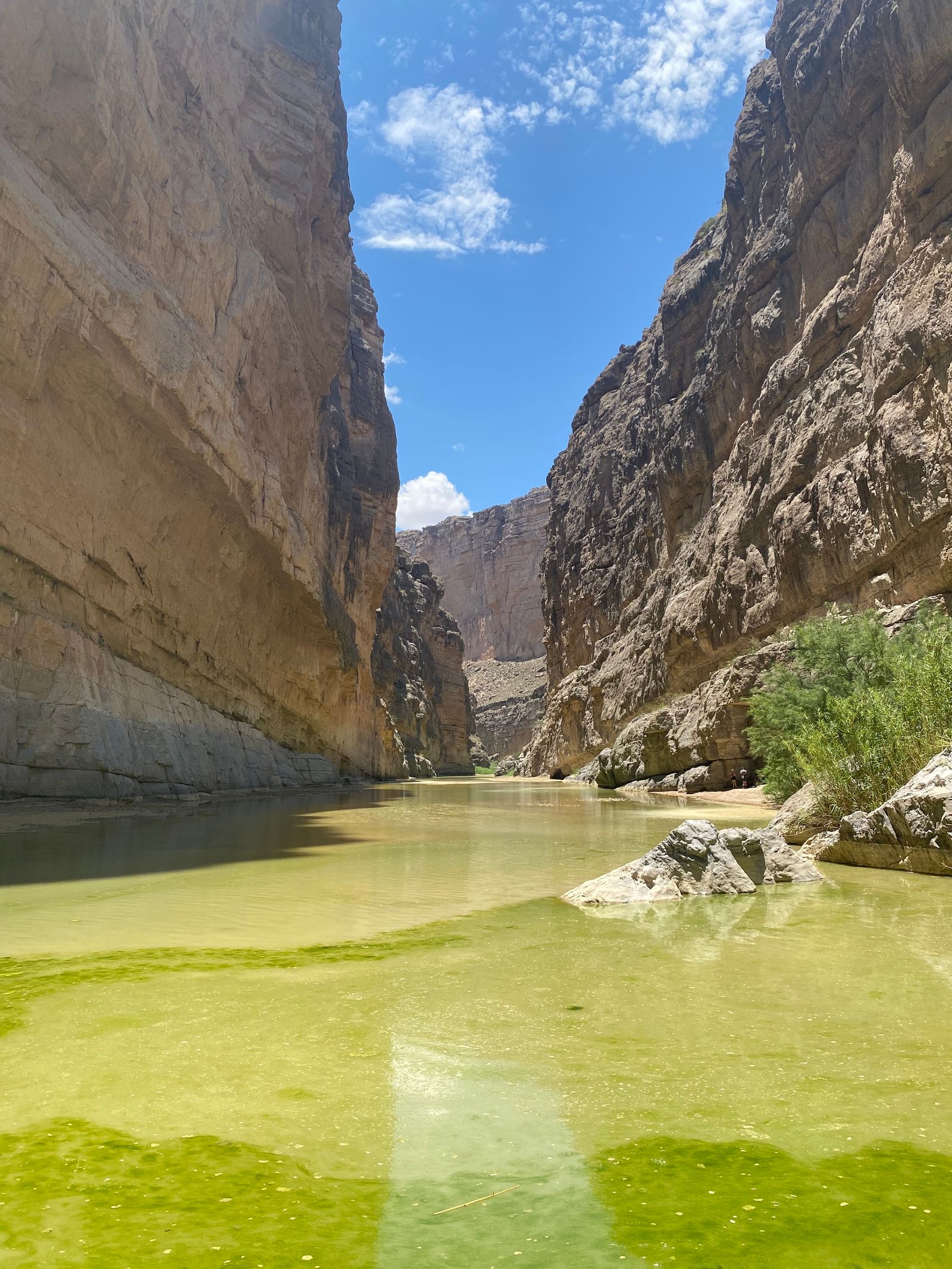
Santa Elena Canyon on the Rio Grande. Photo: Ryan Buonaiuto / Pexels. An illustrative photograph of the site, not a guaranteed stop on any tour below.
A word on pacing: Big Bend rewards slowness more than almost any park in the system. The drive between the Chisos Basin and Santa Elena Canyon is about an hour, and the light at both ends of that drive wants different hours of the day. Photographers who try to sprint the park in one afternoon go home with midday snapshots. Give each region its own morning or evening, and use the harsh midday hours for the long scenic drives, the fossil exhibits, and scouting tomorrow’s position.
What to look for in a Big Bend photography tour
Local knowledge beats group size here. Big Bend’s light is about timing and position: which canyon wall catches morning sun, when the Window frames the sunset, where the river runs calm enough for reflections. A guide who lives in Terlingua or Study Butte knows these rhythms; a generic operator driving in from a distant city does not.
Match the tour to your subject. The market splits cleanly: river and canyon day trips for landscape shooters, stargazing experiences for night shooters, and self-guided audio drives for independent photographers. Decide what you are actually here to shoot before comparing listings.
Logistics are part of the product. The park is a three-hour drive from the nearest commercial airport (Midland), cell service is spotty throughout, and gas, food, and lodging all require planning. A good guided option removes real friction here, more than in most parks.
The best Big Bend photography tours
We compared the current tour market for Big Bend across Viator, GetYourGuide, and Klook, checking live listings as of November 2026. The selection is small but genuinely interesting.
1. The stargazing tour with telescopes
The most photography-relevant listing we found: a private stargazing tour out of Terlingua, just outside the park’s west entrance, run with telescopes under those Gold Tier dark skies. For a night photographer, the value is local siting and sky knowledge: someone who knows which foregrounds work, when the Milky Way core rises in a given season, and how to keep you out in the cold productively. The listing showed free cancellation as of our November 2026 check.
Check availability for the Big Bend Stargazing Tour on GetYourGuide
Who it suits: night photographers and anyone whose main goal is the sky. Pair it with a daytime self-drive and you have the park covered end to end. Note it is a stargazing tour first, not a camera-instruction workshop, so bring your own astro technique or ask the operator what camera support they offer.
2. The Rio Grande canyon day trip
The standout active option: a full-day guided trip combining paddling on the Rio Grande through Hot Springs Canyon with hiking, run by a local outfitter. Shooting from the river gives you canyon perspectives no roadside pullout can match, and the historic hot springs at the trailhead are a subject in themselves. The listing showed free cancellation up to 24 hours before the experience starts (local time) as of our check.
Check availability for the Hot Springs Canyon Full Day on Viator
Who it suits: photographers who want water-level canyon frames and do not mind dry-bagging a camera. Confirm current river conditions with the outfitter before booking; Rio Grande water levels vary and trip formats adjust accordingly.
3. The self-guided audio drive
Big Bend is fundamentally a self-drive park, and the best budget option leans into that: a self-guided driving audio tour that narrates the geology, history, and stops through your phone as you drive the main roads on your own schedule. You keep full control of where to stop and how long to wait for light, which is the photographer’s core requirement. The listing we verified showed free cancellation up to 24 hours before the experience starts (local time) as of our check.
Check availability for the Self-Guided Big Bend Audio Tour on Viator
An honest gap: as of our November 2026 check, Klook’s Big Bend inventory was hotels rather than tours, and we found no dedicated multi-day photography workshop with current bookable dates on the major marketplaces. Specialist Big Bend photo workshops do run in the cooler months through individual photographers and local outfitters; search for current-season offerings and book directly if that is what you want.
Planning your own Big Bend photo trip
When to go. October through April is the season: mild desert days, cold clear nights, and the best light angles. May and June are the hottest months on the desert floor, though the Chisos stay cooler. Summer brings dramatic monsoon clouds for storm light, traded against serious heat and afternoon lightning on the rims.
Entrance fees. Big Bend charges a per-vehicle entrance fee. Check current rates on the NPS Big Bend fees page before you go.
Getting there. There is no close airport. Midland is roughly three hours away, El Paso about five. Most photographers base in Terlingua, Study Butte, or at the Chisos Mountains Lodge inside the park. Fill the tank whenever you pass gas; stations are sparse and the park’s own pumps keep limited hours.
What to bring. A wide-angle for canyon and desert frames, a fast wide lens and sturdy tripod for night work, a mid-telephoto for compressed mountain layers, and a dry bag if you book river time. Temperatures swing 40 degrees between a winter dawn and afternoon, so layer. And bring more memory cards than you think: the night skies alone will fill one.
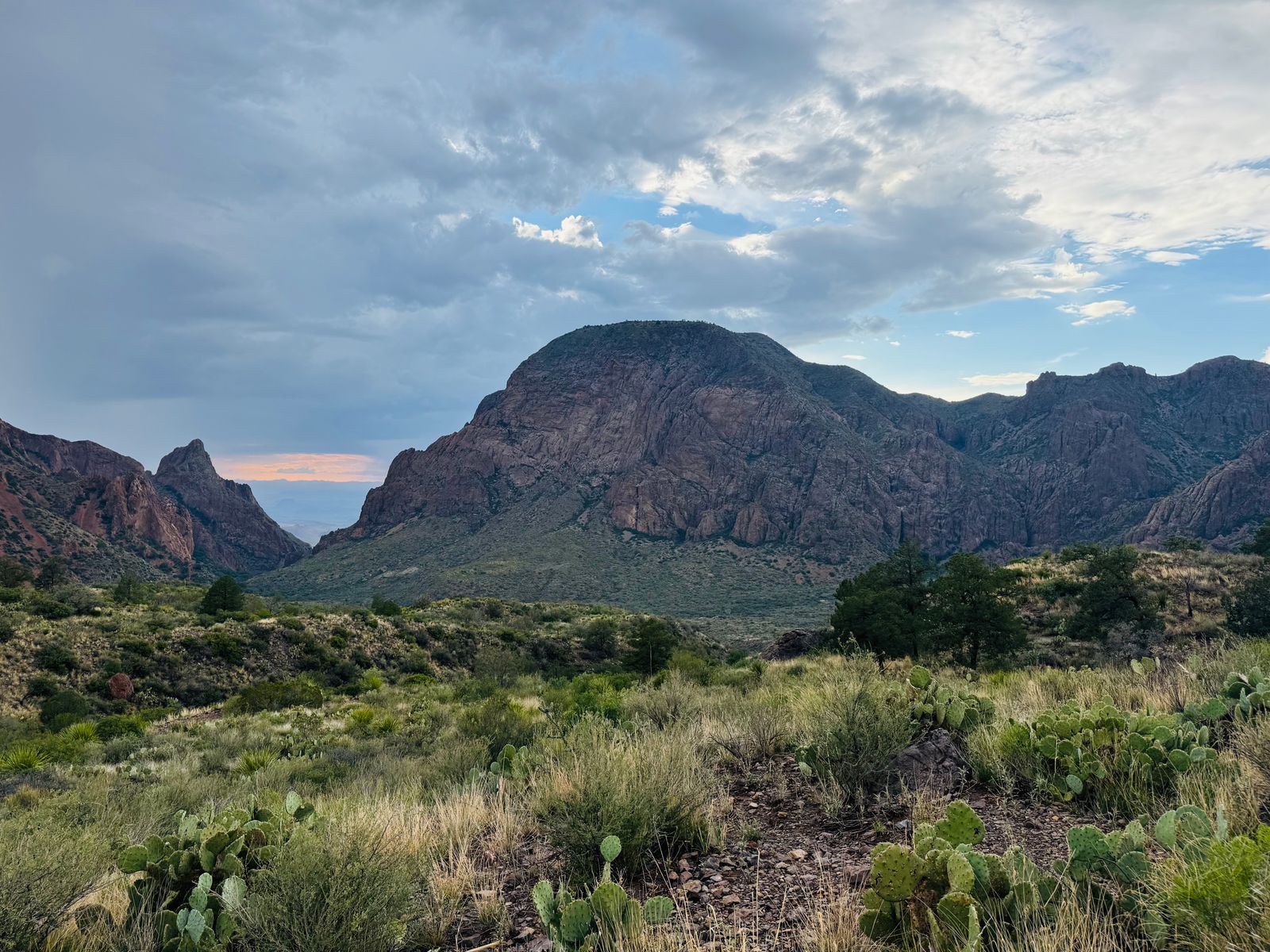
The Chisos Mountains above the desert floor. Photo: EnsearchofYou * / Pexels. An illustrative photograph of the site, not a guaranteed stop on any tour below.
A night-photography note: plan at least one dedicated night session. Pick a foreground in daylight first, return after full dark, and let your eyes adapt for twenty minutes before judging exposures. The Milky Way core is a pre-dawn target in the cooler months; check rise times for your dates. Keep red-light discipline at pullouts, and remember that desert nights are cold even when the day hit 80 degrees.
Is a Big Bend photography tour worth it?
More than in most parks, the answer depends on the specific tour rather than the category. A generic sightseeing bus tour would be a poor trade in a park this easy to drive. But the specialized options here are genuinely specialized: a telescope stargazing night under the darkest skies in the lower 48, and a river day that puts you inside the canyons. Those two earn their cost for the right photographer. For everything else, a rental car, the self-guided audio tour, and two or three dawns of patience will outperform any group itinerary.
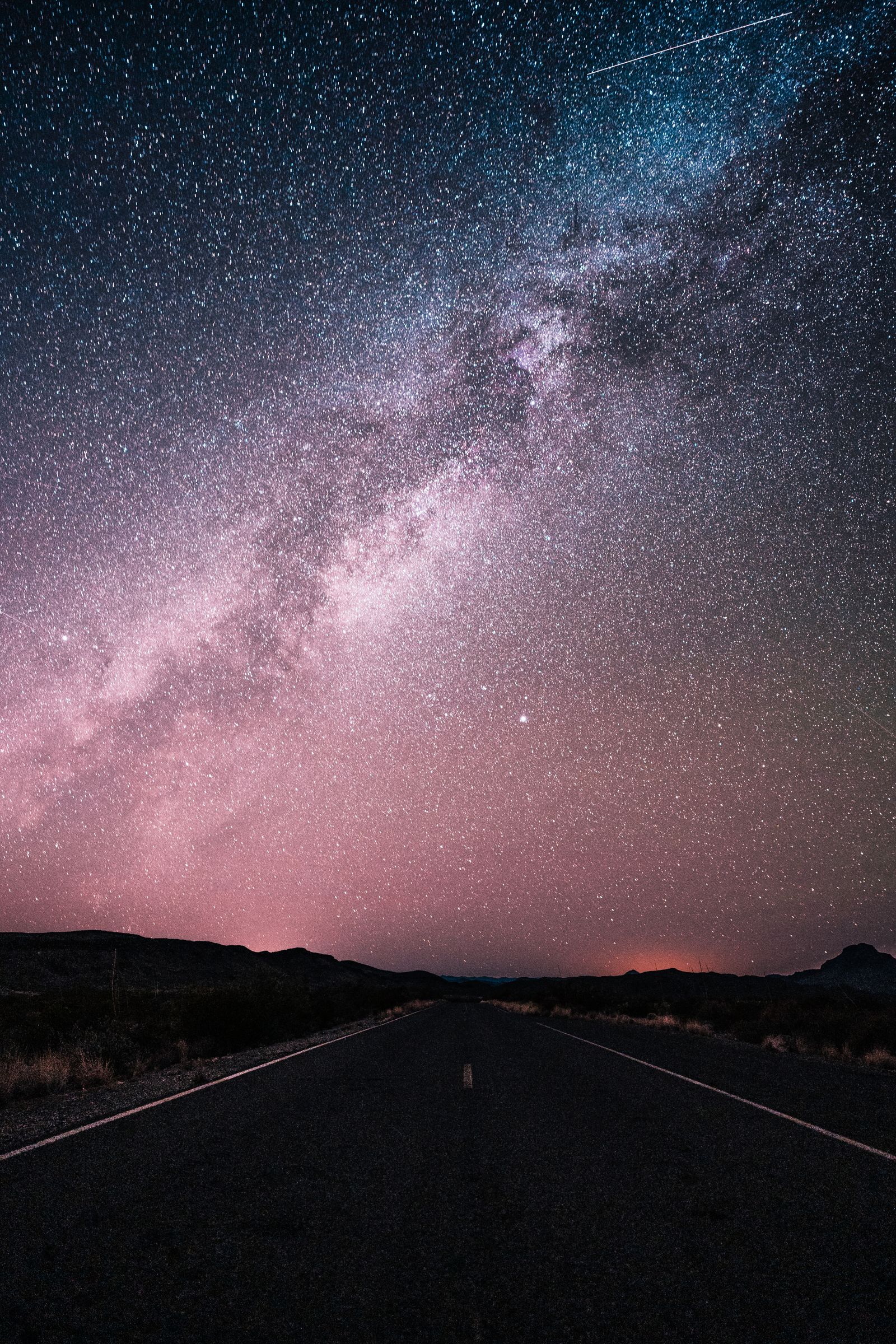
The Milky Way over a Big Bend backroad. Photo: Juan Nino / Pexels. An illustrative photograph of the site, not a guaranteed stop on any tour below.
Frequently asked questions
What is the best time of year to photograph Big Bend?
October through April offers mild days, clear cold nights, and the best light. Summer brings dramatic storm clouds but extreme desert heat, so most photographers visit in the cooler months.
Is Big Bend good for night photography?
It is one of the best night-sky locations in North America, holding a Gold Tier International Dark Sky designation and the least light pollution of any national park unit in the lower 48 states, according to the National Park Service.
Can you photograph Big Bend in one day?
You can cover the highlights in one long day: a Chisos sunrise, Ross Maxwell Scenic Drive, and Santa Elena Canyon by evening. Two or three days let you add night shooting and work the light properly, which is what the park deserves.
Are there guided photography tours in Big Bend?
As of our November 2026 check, the guided market is small and specialized: a private stargazing tour with telescopes out of Terlingua, guided river and canyon day trips, and self-guided audio drives. Dedicated photo workshops run occasionally through individual photographers’ own sites.
Do I need a tour, or can I photograph Big Bend on my own?
On your own works well: the main roads are paved and the major viewpoints are signed. Guided options earn their cost for river access, telescope night skies, and local timing knowledge rather than for general sightseeing.
Affiliate disclosure: Some links in this article are affiliate links. If you book through them, we may earn a commission at no extra cost to you. We only link to tours and marketplaces we have researched. Neither Edin nor the ShutYourAperture team has personally taken these tours; recommendations are based on research, listing details, and traveler reviews as of our check.
Recommended Gear for a National Park Photography Tour
If your tour allows personal camera gear, a small kit can help with changing light and weather. Check the operator’s tripod policy and your camera mount before buying. B&H Photo Video and Amazon options are linked below.
| What & Why | B&H | Amazon |
|---|---|---|
Fujifilm X100VI Compare this option with your current kit. Check compatibility and the product details before buying. | Shop B&H → | Shop Amazon → |
Sony FE 35mm f/1.4 GM (Sony E-mount) Check the camera mount before buying. Choose a focal length that fits the photos you plan to make. | Shop B&H → | Shop Amazon → |
Peak Design Aluminum Travel Tripod Check the load rating, packed size and local tripod rules before buying. | Shop B&H → | Shop Amazon → |
OP/TECH USA 18-inch Rainsleeve Compare this option with your current kit. Check compatibility and the product details before buying. | Shop B&H → | Shop Amazon → |
B&H and Amazon links are affiliate links. We earn a small commission on purchases at no extra cost to you.