Best Photography Tours in Channel Islands National Park (2026)
Updated
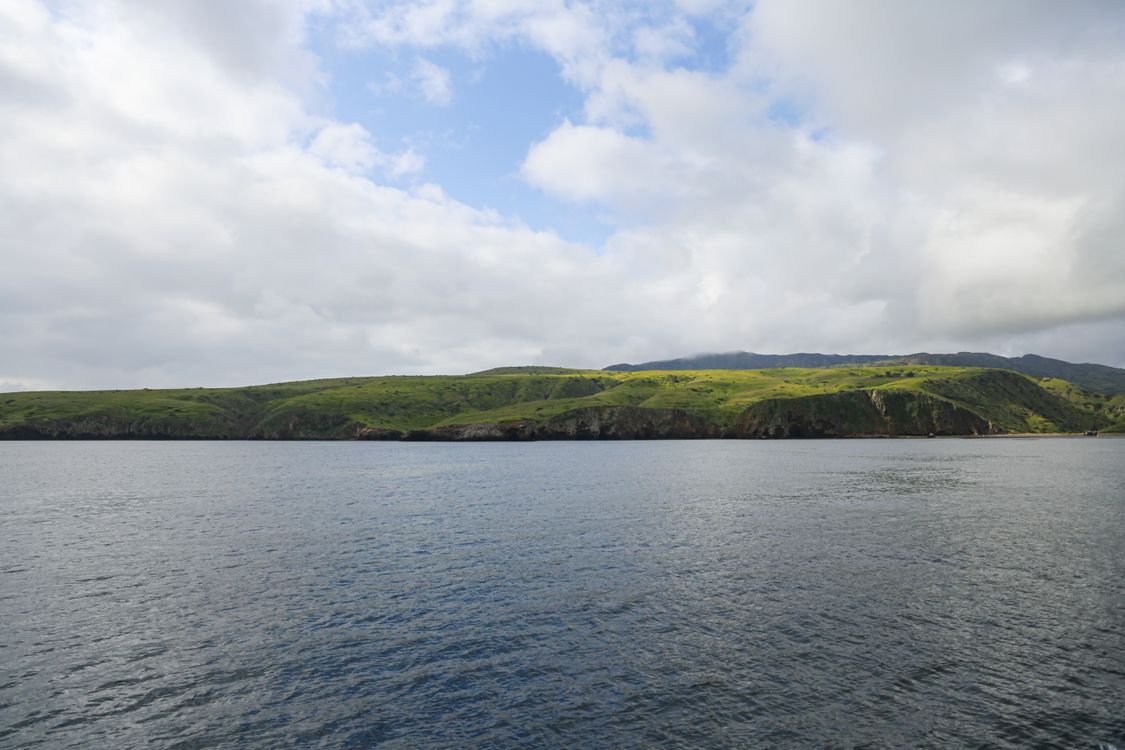
Channel Islands National Park protects five wild islands off the Southern California coast – Anacapa, Santa Cruz, Santa Rosa, San Miguel, and Santa Barbara – along with a mile of ocean around each. Isolation has made them a sanctuary found nowhere else: an endemic island fox, vast pinniped rookeries, giant kelp forests, hundreds of sea caves, and some of the most reliable coastal light in California. There is no entrance fee and there are no crowds to speak of, but there is also no road in: every visit starts with a boat crossing, which is exactly why a good tour matters here more than at almost any other park.
This guide compares the photography tours and guided experiences available for Channel Islands National Park in 2026 – what each includes, who it suits, and how to book – with honest notes where inventory is thin. We re-check availability and details on the booking platforms regularly, and we say so plainly when a category is limited.
 Save
Quick comparison: Channel Islands photography tour options
| Tour | Type | Duration | From | Cancellation |
|---|---|---|---|---|
| From Orange County: Channel Islands Private Day Tour | Private guided day trip | 12 hours | $1,550 per group (up to 3) | Free up to 24 hours before |
| From Los Angeles: Channel Islands National Park Tour | Private guided day trip | 12 hours | $1,550 per group (up to 3) | Free up to 24 hours before |
Prices and details checked on GetYourGuide on November 13, 2026 and can change.
The tours and experiences in detail
1. From Orange County: Channel Islands Private Day Tour
This is the full-service way to shoot the islands in a single day. A private guide collects your group (up to three people) in Orange County, drives you to Ventura Harbor, and escorts you across the Santa Barbara Channel for roughly six hours inside the park. The day is customizable: guided hikes, sea kayaking, or beach time, and the listing specifically mentions seasonal sea kayaking through the volcanic sea caves and kelp forests – the exact access that makes this park photographically special. A live English-speaking guide, photo stops, and hotel pickup are included, and when we checked on November 13, 2026 it was priced from $1,550 per group with free cancellation up to 24 hours before.
For a photographer, the value is logistics removal: no boat bookings to coordinate, no guessing which landing matches the light, and a guide who can flex the itinerary when fog or swell changes the plan.
2. From Los Angeles: Channel Islands National Park Tour
The same private, twelve-hour format staged from Los Angeles: pickup at your location, the scenic ferry ride from Ventura Harbor – the listing calls out dolphin and sea lion spotting on the crossing – and about six hours in the park with sightseeing, a guided walk, and kayaking among the options. When we checked it was also priced from $1,550 per group of up to three, with free cancellation up to 24 hours before the start.
Choose this one over the Orange County departure if your base is LA proper; the on-island time is essentially the same.
An honest note on kayak tours, Viator, and Klook
Sea-cave kayaking is the signature guided experience in this park, and in season several operators run it from Ventura and Oxnard. When we checked on November 13, 2026, Viator listed two Channel Islands kayaking products but both showed as not currently bookable – guided kayaking here is largely a spring-through-fall activity, so check those listings again as your dates approach. Klook returned no results for the park at all. The boat concessionaire Island Packers runs the public crossings year-round plus non-landing wildlife cruises, and local outfitters such as the Santa Barbara Adventure Company and Channel Islands Expeditions run the guided kayak trips themselves; we link only what we can verify as bookable, so those stay as text pointers rather than buttons.
Why photograph the Channel Islands?
The islands are often called the Galapagos of North America, and the comparison is earned. Thousands of years of isolation produced species found nowhere else on Earth, most famously the island fox – a housecat-sized descendant of the mainland gray fox that trots through campgrounds and coastal sage with no fear of people. On San Miguel Island, more than 100,000 seals and sea lions gather at Point Bennett, one of the greatest concentrations of wildlife anywhere, according to the National Park Service.
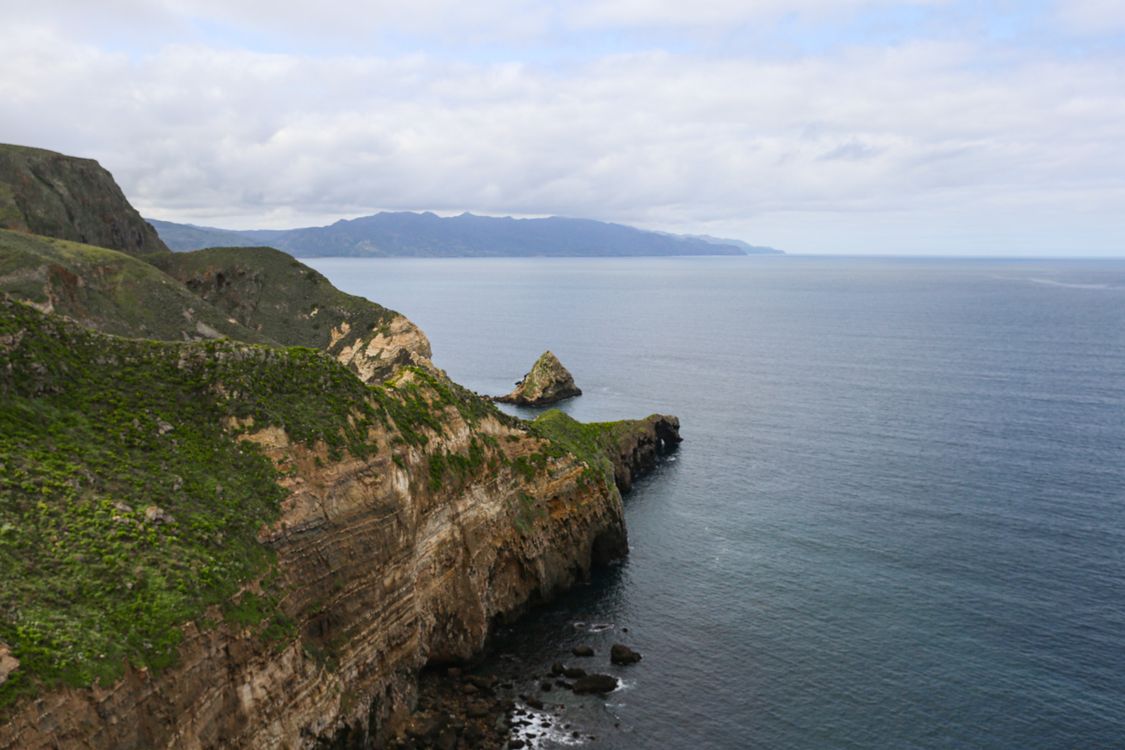
The seascape is the other half of the story. Volcanic and sedimentary shorelines are honeycombed with sea caves – Santa Cruz Island alone has 77 miles of craggy coastline, and the National Park Service manages the eastern 24 percent of the island while The Nature Conservancy stewards the western 76 percent. Below the surface, giant kelp forests sway in some of the clearest water in California. For photographers, the combination is rare: you can shoot intimate wildlife, dramatic cave interiors, and sweeping cliff-top vistas in a single day trip.
Light behaves differently out here. Morning marine layer often softens the crossing and the first hours on the islands – superb for wildlife and misty cliff work – before burning off to crisp, contrasty afternoons. Sunset shoots require an overnight stay or a late boat, so plan deliberately.
 Save
Best photography spots in the park
Whether you join a guided trip or cross on your own, these are the frames that define the Channel Islands portfolio. Guided trips follow their own routes and are not guaranteed to stop at any specific viewpoint – use this list to plan the time around your tour.
Inspiration Point, Anacapa Island
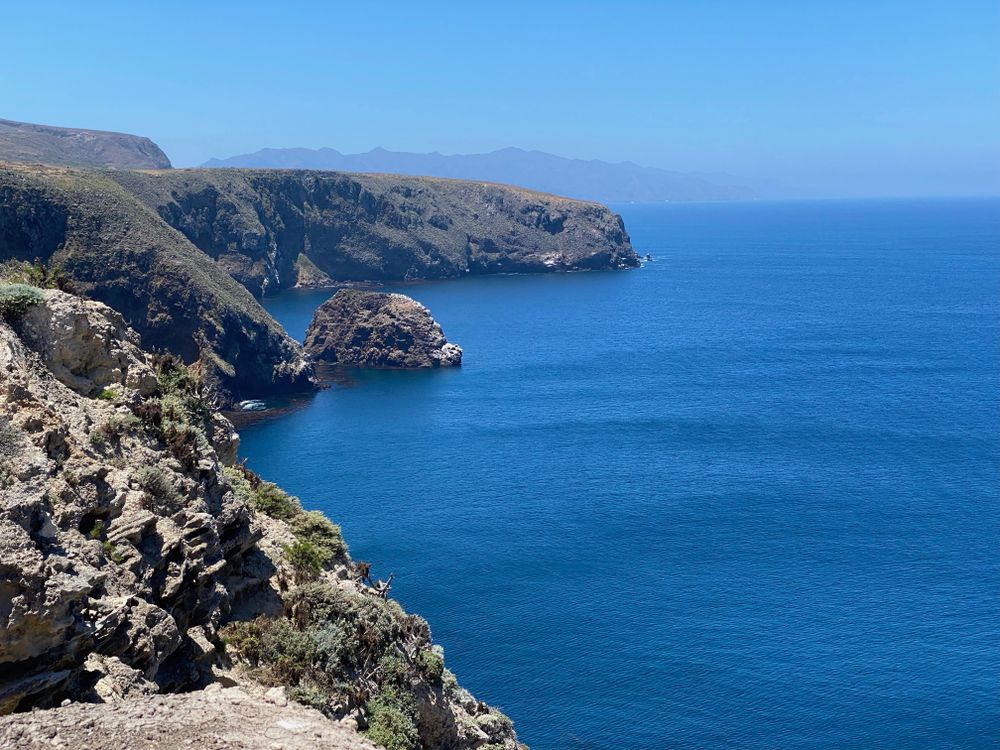
The signature Channel Islands view: Middle and West Anacapa stretching into the Pacific, with Santa Cruz Island on the horizon. The National Park Service calls it one of the most spectacular views in the park, and it earns that in any light. Go wide for the full sweep, or long for layers of headlands in the haze.
Scorpion Anchorage and Cavern Point, Santa Cruz Island
The easiest island to reach and the richest first-day location. Kayak the caves and cliffs around Scorpion Anchorage in the morning, then hike the short trail to Cavern Point for sunset-gold grass and sheer volcanic bluffs. The historic ranch house visitor center adds a human element to the story.
Painted Cave, Santa Cruz Island
Per the National Park Service, Painted Cave is the largest sea cave in California and the fourth-largest in the world by length: 1,227 feet long – more than four football fields – with an entrance 160 feet high and almost 100 feet wide, named for the colors of its rock, lichens, and algae. It is entered by small boat or kayak when conditions allow. Protect your gear from spray, expose for the mouth of the cave, and let the interior fall into silhouette.
Point Bennett, San Miguel Island
The wildlife heavyweight: over 100,000 pinnipeds breeding, pupping, and resting on one beach. It is a serious commitment – a long boat ride and a 16-mile round-trip hike with a ranger – and one of the great wildlife photography days in the national park system. Bring your longest lens and rain covers.
Arch Point, Santa Barbara Island
The smallest and most remote of the visitor islands. After winter rains, giant coreopsis blooms yellow across the terraces, and the natural arch frames seabird traffic against open ocean. Trips here are seasonal and weather-dependent, which keeps it quiet.
 Save
Planning your visit: access, seasons, and what it costs
No entrance fee – but you must book a boat
There is no entrance pass or fee for Channel Islands National Park. The real cost and constraint is transportation: the islands are reachable only by boat (or small plane to Santa Rosa). Public boat transportation runs year-round through the park concessionaire, Island Packers, departing Ventura Harbor and Channel Islands Harbor, and Island Packers also offers non-landing wildlife watching trips. Book crossings well ahead for summer and weekends, and remember there is no transportation on the islands themselves – everything is on foot or by kayak, and bicycles are not allowed.
Seasons
The park is open all year. Spring brings wildflowers and the greenest hillsides; summer and early fall bring the calmest seas and best kayak and snorkel conditions; winter brings gray whale migration and dramatic storm light, with more frequent trip cancellations for weather. The mainland Robert J. Lagomarsino Visitor Center in Ventura is open 8:30 am to 5:00 pm daily except Thanksgiving and December 25.
Services
There is no food, water, or gear for sale on the islands beyond limited water at some campgrounds. Carry everything in and out, pack layers for wind and fog, and assume your phone works only intermittently.
Photography gear notes for the islands
- Weather-sealed body and dry bag – boat spray and kayak decks are constant wet environments.
- Telephoto zoom (100-400mm class) for island foxes, seabirds, and pinnipeds at legal distances.
- Wide-angle (16-35mm) for sea caves, kelp-framed snorkel shots, and cliff-top vistas.
- Polarizer to cut glare and saturate the kelp and cave colors.
- Motion sickness prep – the crossing can be rough, and no one composes well while nauseated.
Where the tours fit in your trip
Because access is boat-only and everything on the islands is on foot, a guided day trip is not a luxury here – it is the difference between an organized shoot and a scramble. Book a private day trip if photography is the point of the visit; self-organize via the Island Packers crossing if you already know the landings you want or you are camping overnight for dawn and dusk light. Either way, build a weather buffer day into the trip if you can.
Wildlife photography ethics on the islands
The island fox’s fearlessness is precisely why restraint matters. Never feed wildlife – a fox that associates people with food loses the wariness that keeps it healthy – and give every animal the space the park asks for. At pinniped rookeries, stay on designated trails and behind closures; a spooked sea lion flush can separate pups from mothers. Long lenses are not just about better frames here – they are how you photograph honestly. Drones are prohibited in the park without a permit.
Staying overnight: camping for dawn and dusk light
Day trips compress your shooting into midday hours, so serious photographers should consider camping. Scorpion Canyon Campground on Santa Cruz Island is the most accessible, a short walk from the landing with water available, and it puts you at Cavern Point for both golden hours plus true night-sky darkness after the last boat leaves. Reserve through the park’s recreation.gov page well ahead – sites sell out for summer weekends – and confirm your Island Packers return before you commit to dates.
Frequently asked questions
How do you get to Channel Islands National Park?
By boat. The park concessionaire Island Packers runs year-round trips from Ventura Harbor and Channel Islands Harbor to the islands, plus non-landing wildlife watching cruises. There is no bridge or ferry for cars, and no transportation on the islands themselves.
Is there an entrance fee for Channel Islands National Park?
No. The park has no entrance fee. Your main cost is the boat crossing and any guided activity you book.
Which island is best for photography?
For a first visit, Anacapa or Santa Cruz. Anacapa delivers Inspiration Point and the classic lighthouse-to-island vistas on a short trip; Santa Cruz adds sea caves, kelp, island foxes, and the Cavern Point hike. San Miguel’s Point Bennett is the ultimate wildlife shoot but demands a full day and a long hike.
Can you kayak the sea caves?
Yes – guided kayak tours run at Scorpion Anchorage on Santa Cruz Island and around Anacapa, entering sea caves when conditions allow. It is the signature guided experience in the park and the one we recommend booking ahead.
When is the best time to visit Channel Islands National Park?
Summer and early fall for the calmest crossings and best water activities; spring for wildflowers; winter for gray whales and storm light. The park is open all year, but boats can cancel for weather in any season, so keep your schedule flexible.
Do I need a tour, or can I explore on my own?
You can hike and photograph on your own once the boat drops you – the islands are walk-in only. A guided kayak or wildlife trip adds access you cannot get on foot: the caves, the kelp beds, and the water-level perspective that defines the park’s best images.
Disclosure: This article contains affiliate links. If you book through them, we may earn a commission at no extra cost to you. Tour availability, prices, and itineraries can change; check the booking page for the latest details. National park information was verified against nps.gov in November 2026.
Recommended Gear for a National Park Photography Tour
If your tour allows personal camera gear, a small kit can help with changing light and weather. Check the operator’s tripod policy and your camera mount before buying. B&H Photo Video and Amazon options are linked below.
| What & Why | B&H | Amazon |
|---|---|---|
Fujifilm X100VI Compare this option with your current kit. Check compatibility and the product details before buying. | Shop B&H → | Shop Amazon → |
Sony FE 35mm f/1.4 GM (Sony E-mount) Check the camera mount before buying. Choose a focal length that fits the photos you plan to make. | Shop B&H → | Shop Amazon → |
Peak Design Aluminum Travel Tripod Check the load rating, packed size and local tripod rules before buying. | Shop B&H → | Shop Amazon → |
OP/TECH USA 18-inch Rainsleeve Compare this option with your current kit. Check compatibility and the product details before buying. | Shop B&H → | Shop Amazon → |
B&H and Amazon links are affiliate links. We earn a small commission on purchases at no extra cost to you.