Best Photography Tours in Gates of the Arctic National Park (2026)
Updated
Gates of the Arctic National Park and Preserve is the end of the line for national park photography. It protects 8.4 million acres of Alaska’s central Brooks Range, every acre of it above the Arctic Circle, and the National Park Service calls it the premier Wilderness park in the system. There are no roads into it, no trails inside it, no campgrounds, no visitor services and no cell signal. What it has instead is six Wild Rivers, a 12,000-year record of people living on this land, caribou moving through northern valleys, and granite mountains that no highway has ever flattened into a viewpoint.
This guide is honest about the tour situation. When we checked on November 23, 2026, Viator, GetYourGuide and Klook did not list a single bookable tour inside Gates of the Arctic. The ways in are small Alaskan air taxis, guides and outfitters in Bettles and Coldfoot, and your own feet. We explain how each works below. There are no affiliate links in this article because there is nothing to link. Confirm every detail with the operator and the park before you commit, because Arctic logistics change with weather and season.
The short version
| Source | Gates of the Arctic inventory when we checked (November 23, 2026) | How to book |
|---|---|---|
| Viator | No in-park listings. Results are Fairbanks Arctic Circle highway drives plus Tromso and other lookalikes | Nothing inside the park to book |
| GetYourGuide | No in-park listings. Results are Tromso, Rovaniemi and Fairbanks highway tours | Nothing inside the park to book |
| Klook | No in-park listings (one Fairbanks aurora tour among unrelated results) | Nothing inside the park to book |
| Authorized air taxis, guides and outfitters (Bettles, Coldfoot, Fairbanks) | Flightseeing, day trips, drop-offs, river trips | Direct with each operator – the NPS publishes the air taxi list |
What we found on the marketplaces
A search for the park name on Viator on November 23, 2026 returned more than 200 results, and the first page was Arctic Circle tours out of Fairbanks, Northern Lights tours and a long run of Norwegian fjord trips from Tromso. Searches for Coldfoot, Bettles and Brooks Range surfaced a Calgary icefield tour, Beatles tours in London and the Katmai bear-viewing flight, which is a different park. GetYourGuide claimed more than 500 results and led with Tromso fjords and Rovaniemi snow hotels. Klook found fifteen results, one of them a Fairbanks aurora tour and the rest scattered across the planet.
The Fairbanks Arctic Circle drives deserve a direct answer, because they are the closest thing a marketplace offers. We opened four of the Viator listings. Each one describes a long day on the Dalton Highway to the Arctic Circle, with pipeline history and a certificate. None of the four mentions Gates of the Arctic or says the tour enters the park. The National Park Service describes the Dalton Highway as running alongside the park’s eastern boundary, which makes it a fine way to see the Brooks Range country from a vehicle, but it is not a visit to the park. If you want that drive anyway, book it for what it is. If you want to stand inside the park, read on.
How people actually visit: air taxis, guides and your own feet
 Save
The National Park Service puts it plainly: Gates of the Arctic has no roads or trails into the park lands, so visitors must fly or hike in. Access starts in Fairbanks. Several small airlines run daily flights to the gateway communities of Bettles and Anaktuvuk Pass, with flag stops at Coldfoot. From there, most visitors use an air taxi, a small aircraft on floats or tundra tires that drops you on a lake or gravel bar and returns on a day you arranged in advance. The park publishes a list of authorized air taxi providers. The list is information, not an endorsement, and we link none of them. Contact operators directly for prices, pilots, flight times and cancellation terms, and expect small Arctic services to be firm about them.
You do not have to be an expedition backpacker. The park notes that local air taxis provide flightseeing trips, day trips and overnight camp-outs at remote locations, aimed at visitors without the time or backcountry skills for a full expedition. Picture a day fishing at an alpine lake, watching caribou in the northern valleys, or picnicking beside a wild river. Air taxis also fly visitors into neighboring Kobuk Valley National Park to see the sand dunes, or into Noatak National Preserve. If you lack wilderness skills, the park recommends contacting an outfitter, guide service or air taxi operator for help rather than going alone.
The cheapest way in is on foot, and it is the hardest. The Dalton Highway runs along the park’s eastern boundary and you can hike in from the road, or from the village of Anaktuvuk Pass. The park is blunt: there are no trails into the park from any location, and river crossings are necessary from both Anaktuvuk Pass and the Dalton. The terrain is dense vegetation, tussocks, boggy ground and frequent stream and river crossings, and experienced hikers consider six miles a good day. Walk in only if you can navigate, ford rivers safely and handle your own emergencies.
The gateways: Bettles, Coldfoot and Anaktuvuk Pass
Bettles. There is no road to this small bush village, so you fly from Fairbanks. It has several air taxis, outfitters and lodges, a tiny store and post office, and a park visitor center. It is the most common launch point for flights into the park.
Coldfoot. You can drive 280 miles north from Fairbanks on the Dalton Highway or fly in on a small commercial carrier. Coldfoot has an air taxi, a motel, a store, a cafe and a post office, plus trails and campsites near town, and two lodges sit in neighboring Wiseman. Visitors can fly into the park from here or hike in from the highway. The Arctic Interagency Visitor Center is in Coldfoot.
Anaktuvuk Pass. A Nunamiut village with no road access. You fly in on a daily flight from Fairbanks and walk into the park from the airstrip. Native land surrounds the airstrip and extends for several miles. Visitors are welcome to cross it, but the park asks you to get permission before camping on it. The village has a Nunamiut history museum, a small store and a post office.
Is Gates of the Arctic worth it for photographers?
If you measure a trip by frames nobody else has, yes. There are no overlooks, no parking lots and no crowds, so every composition is one you found and earned. The subjects are big and clean: Brooks Range ridgelines, tundra ponds that mirror the mountains, braided rivers, caribou in autumn willow, and a sky that can run from midnight sun to aurora depending on the season. The honest trade-offs are real too. Weather grounds small planes, so the park tells visitors to bring a few extra days. Charters are expensive. You will be carrying all your own food, shelter, water treatment and bear protection. This is not a first backcountry trip.
Where the photos are
 Save
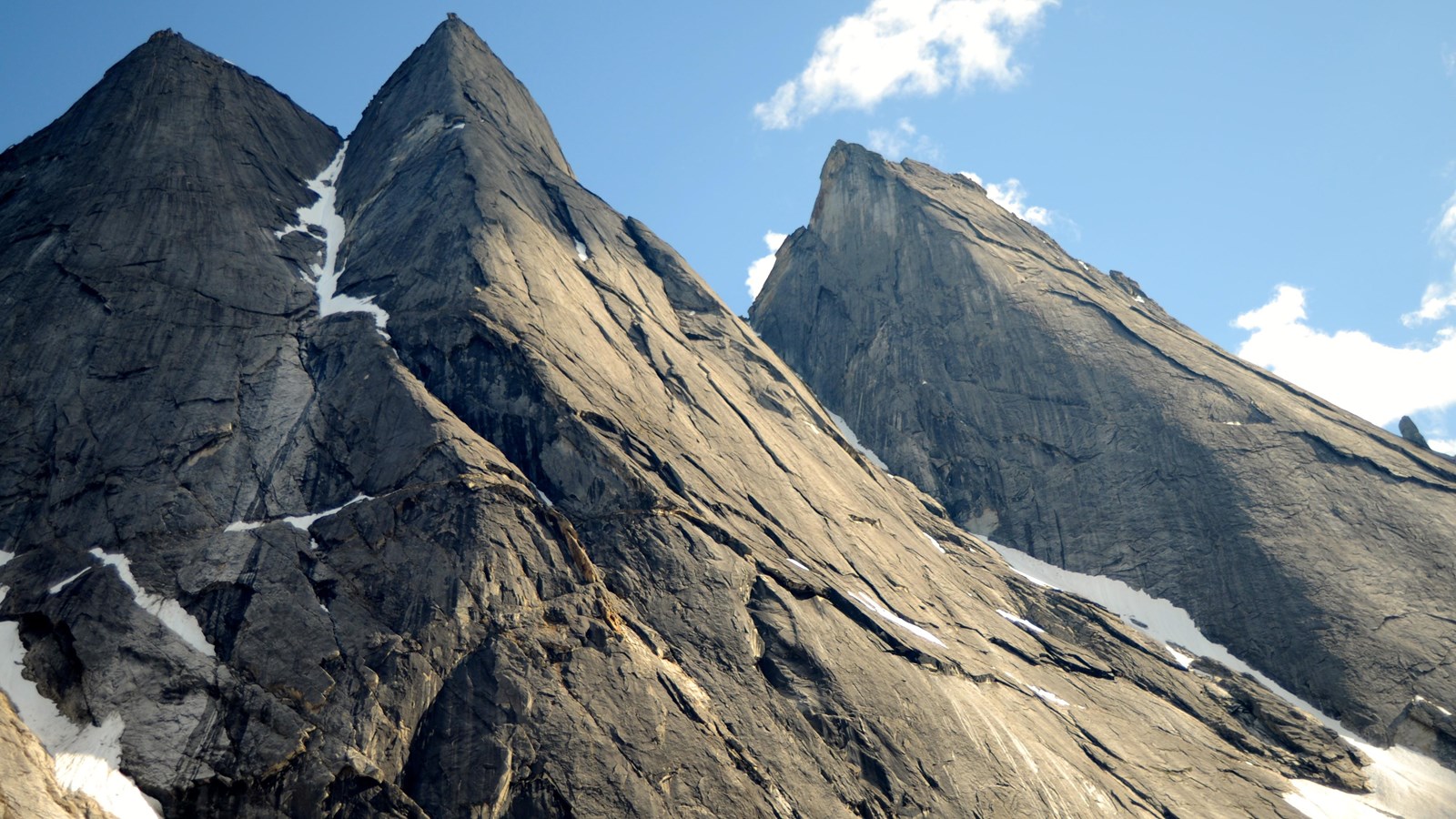
The Brooks Range peaks. Granite spires and long ridgelines are the signature of the park. A wide lens gives the scale, a short telephoto pulls out the rock texture and snow patches, and low sun on a clear day does the rest.
Tundra ponds in fall. The reflection shot – mountains doubled in still water above a carpet of red and gold tundra – is a fall classic here. Calm early mornings give the best mirror.
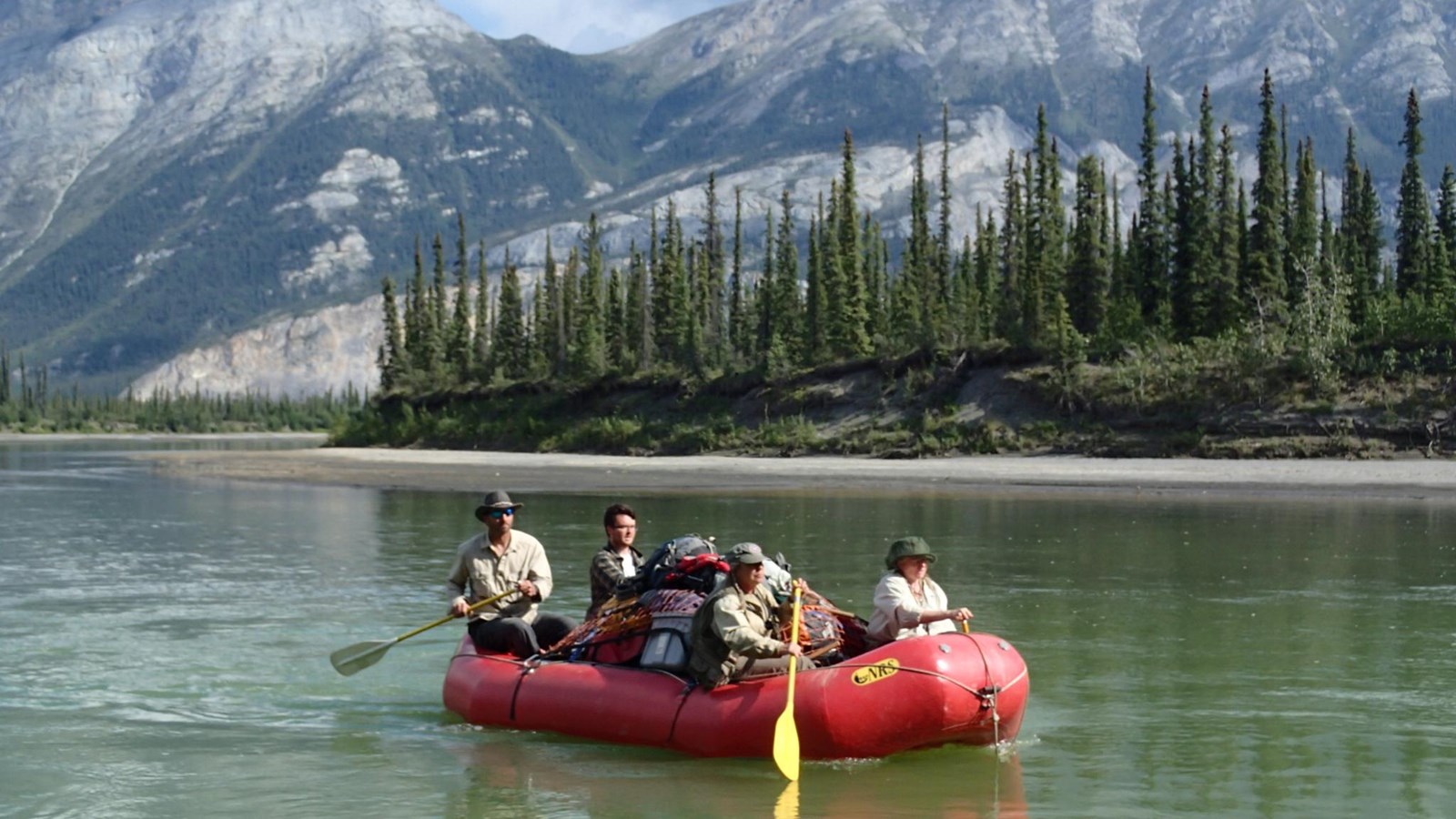
The Wild Rivers. Gates of the Arctic is the headwaters of six Wild Rivers, and floating one gives you a moving vantage with the mountains on both sides. Gravel bars make natural campsites and foregrounds.
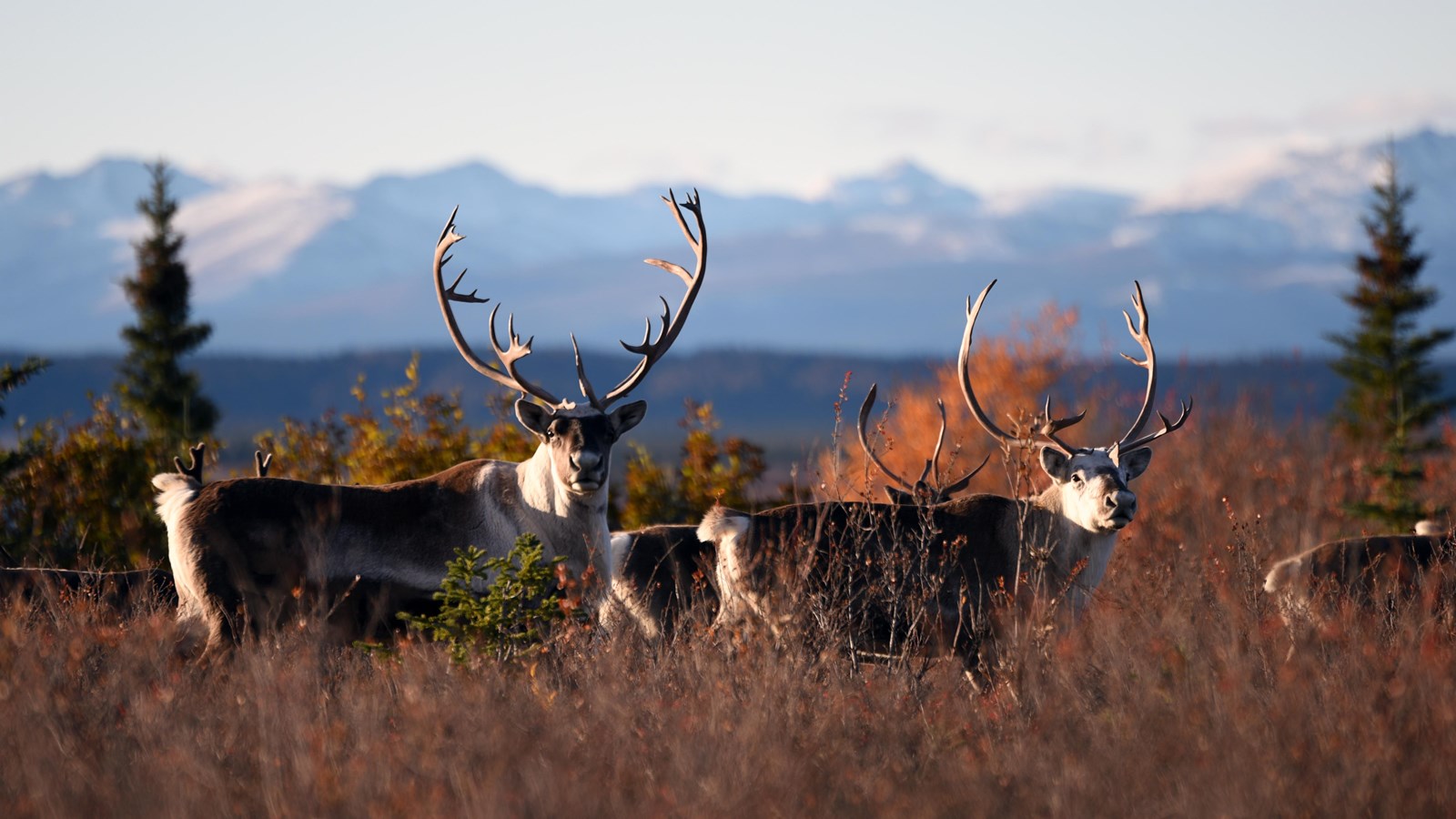
Wildlife. The park’s wildlife includes caribou, brown bears, muskoxen, Dall’s sheep and wolves, plus smaller residents like loons, snowshoe hares and wood frogs. Treat every encounter as a long-lens moment. The park lends bear-resistant food containers at its visitor centers, and you should use one.
The sky. Above the Arctic Circle there is essentially no light pollution. Summer brings round-the-clock light, and fall darkness brings the aurora back.
Seasons, hours and access
The park is open 24 hours a day, year-round, though with no facilities, open just means reachable. Most people visit in summer and fall, when it is warmer and the days are longer, and small airplanes and boats are the main way to travel. Winter visits are possible. When there is enough snow, skis and snowmobiles are allowed, but the park warns that conditions can be extreme and preparation is essential. Whenever you go, the park’s advice is the same: you are on your own. There is no cell service, so carry a satellite messenger and know how to self-extract. Air taxis often cannot fly in bad weather, so build slack into your itinerary on both ends.
 Save
Fees, permits and respect
As of our November 23, 2026 check, the National Park Service fees page says no entrance fees or registration are required to enter the park, and that an entrance pass is not needed. Visitors are asked to stop at a park visitor center for a backcountry orientation covering weather, fire and wildlife alerts, bear safety and Leave No Trace camping. Group size limits exist. If you travel in a group, whether nonprofit, educational, commercial or guided, the park asks you to contact it several months ahead for permit issuance and requirements. Commercial transporters must give their clients the chance to get an orientation from park rangers before entering. The park’s phone number is 907-459-3730. Your real costs are flights, charters, food and gear. Respect Native land along the way, and remember that this park also protects subsistence opportunities for local rural residents.
Photography gear notes
- A wide zoom and a telephoto – wide for ridgelines, ponds and rivers, long for wildlife and compressed mountain layers.
- A polarizer – cuts glare on rivers and ponds and deepens blue skies above the tundra.
- A sturdy tripod – for long exposures at low light and aurora, and heavy enough to survive wind on a gravel bar.
- Weather protection – rain covers for the camera, dry bags for everything, and spare batteries kept warm in a pocket.
- Bear-resistant food storage – the park lends containers at its visitor centers.
- Satellite communication – there is no cell service and no rescue on call, so carry an inReach or equivalent.
Frequently asked questions
Can you book Gates of the Arctic National Park tours on Viator or GetYourGuide?
Not inside the park. When we checked on November 23, 2026, neither Viator, GetYourGuide nor Klook listed a bookable tour inside Gates of the Arctic. Fairbanks Arctic Circle highway drives exist, but the listings we opened do not enter the park. Visits book direct with authorized air taxis, guides and outfitters, and the National Park Service publishes the air taxi list.
Is there an entrance fee for Gates of the Arctic?
No. The National Park Service fees page says no entrance fees or registration are required, though visitors are asked to attend a backcountry orientation and groups should contact the park months ahead about permits. Your real costs are flights, charters and gear.
How do you get to Gates of the Arctic National Park?
Fly from Fairbanks to Bettles or Anaktuvuk Pass, or drive or fly to Coldfoot, then take an air taxi into the park or hike in. There are no roads or trails into the park, and river crossings are needed from both the Dalton Highway and Anaktuvuk Pass.
Can you drive to Gates of the Arctic?
No. The Dalton Highway runs alongside the park’s eastern boundary and you can hike in from the road, but no road enters the park and there are no trails inside it.
When is the best time to visit Gates of the Arctic?
Most visitors come in summer and fall, when it is warmer and days are longer. The park is open year-round and winter trips are possible when there is enough snow for skis and snowmobiles, but conditions can be extreme.
Disclosure: Shut Your Aperture may earn a commission when you book through affiliate links in this series. This article contains no affiliate links, because no major marketplace listed a tour inside Gates of the Arctic National Park when we checked on November 23, 2026 – we add links as inventory appears. Park details come from the National Park Service as of November 23, 2026 and can change – confirm before traveling. We do not run tours or charters and do not guarantee any specific conditions or wildlife sightings.
Recommended Gear for a National Park Photography Tour
If your tour allows personal camera gear, a small kit can help with changing light and weather. Check the operator’s tripod policy and your camera mount before buying. B&H Photo Video and Amazon options are linked below.
| What & Why | B&H | Amazon |
|---|---|---|
Fujifilm X100VI Compare this option with your current kit. Check compatibility and the product details before buying. | Shop B&H → | Shop Amazon → |
Sony FE 35mm f/1.4 GM (Sony E-mount) Check the camera mount before buying. Choose a focal length that fits the photos you plan to make. | Shop B&H → | Shop Amazon → |
Peak Design Aluminum Travel Tripod Check the load rating, packed size and local tripod rules before buying. | Shop B&H → | Shop Amazon → |
OP/TECH USA 18-inch Rainsleeve Compare this option with your current kit. Check compatibility and the product details before buying. | Shop B&H → | Shop Amazon → |
B&H and Amazon links are affiliate links. We earn a small commission on purchases at no extra cost to you.