Best Photography Tours in Lake Clark National Park (2026)
Updated
Lake Clark National Park and Preserve is the Alaska that postcards promise: four million acres where the Aleutian Range drops into Cook Inlet, two active volcanoes on the skyline, turquoise lakes under hanging glaciers, and some of the densest coastal brown bear populations on Earth. There are no roads in. Every visit starts with a small plane or a boat, which keeps the crowds away and makes guided day trips the practical way in for most photographers – especially for the bear viewing on the park’s Cook Inlet coast, the main event here.
This guide covers the tours actually bookable for Lake Clark in 2026. The honest headline: when we checked on November 21, 2026, exactly two marketplace tours covered the park – one on Viator, one on GetYourGuide – both bear-viewing day trips out of Homer, and both with free cancellation. Klook had nothing. Everything else books direct with small Alaskan air services, and we walk through that route too. Confirm every price and term again when you book; small operators change schedules with the season.
The short version
| Tour | Duration | Price | Cancellation | Best for |
|---|---|---|---|---|
| Bear Viewing at Lake Clark National Park from Homer (Viator) | About 8 hours | From $820 per person | Free cancellation up to 24 hours before | Boat-based day at the Chinitna Bay viewing platforms |
| Bear Viewing Tour from Homer (GetYourGuide) | About 5 hours | From $1,365 per person | Free cancellation up to 24 hours before | Bushplane beach landing at Chinitna Bay or Silver Salmon Creek |
| Klook | – | No Lake Clark listings | – | Nothing to book |
| NPS-authorized air taxis and charter boats (direct) | Varies | Book direct | See operator terms | Custom drop-offs, overnight trips, Twin Lakes and the backcountry |
What we found on the marketplaces when we checked
Thin but real. On November 21, 2026, Viator listed exactly one product that names Lake Clark National Park and actually goes into it – the Homer bear-viewing boat trip below. Its search results also push Brooks Falls bear tours, and we want to be blunt about those: Brooks Falls is in Katmai National Park, a completely different park well to the southwest, not a Lake Clark lookalike you can substitute. If a listing says Brooks Falls, you are booking Katmai. GetYourGuide had one genuine Lake Clark product, the bushplane trip below, and Klook’s search returned nothing for the park at all. Both tours we link were verified on their own listing pages: the price is each page’s own booking block, and the cancellation terms are what the listing itself states.
Bear Viewing at Lake Clark National Park from Homer, AK (Viator)
 Save
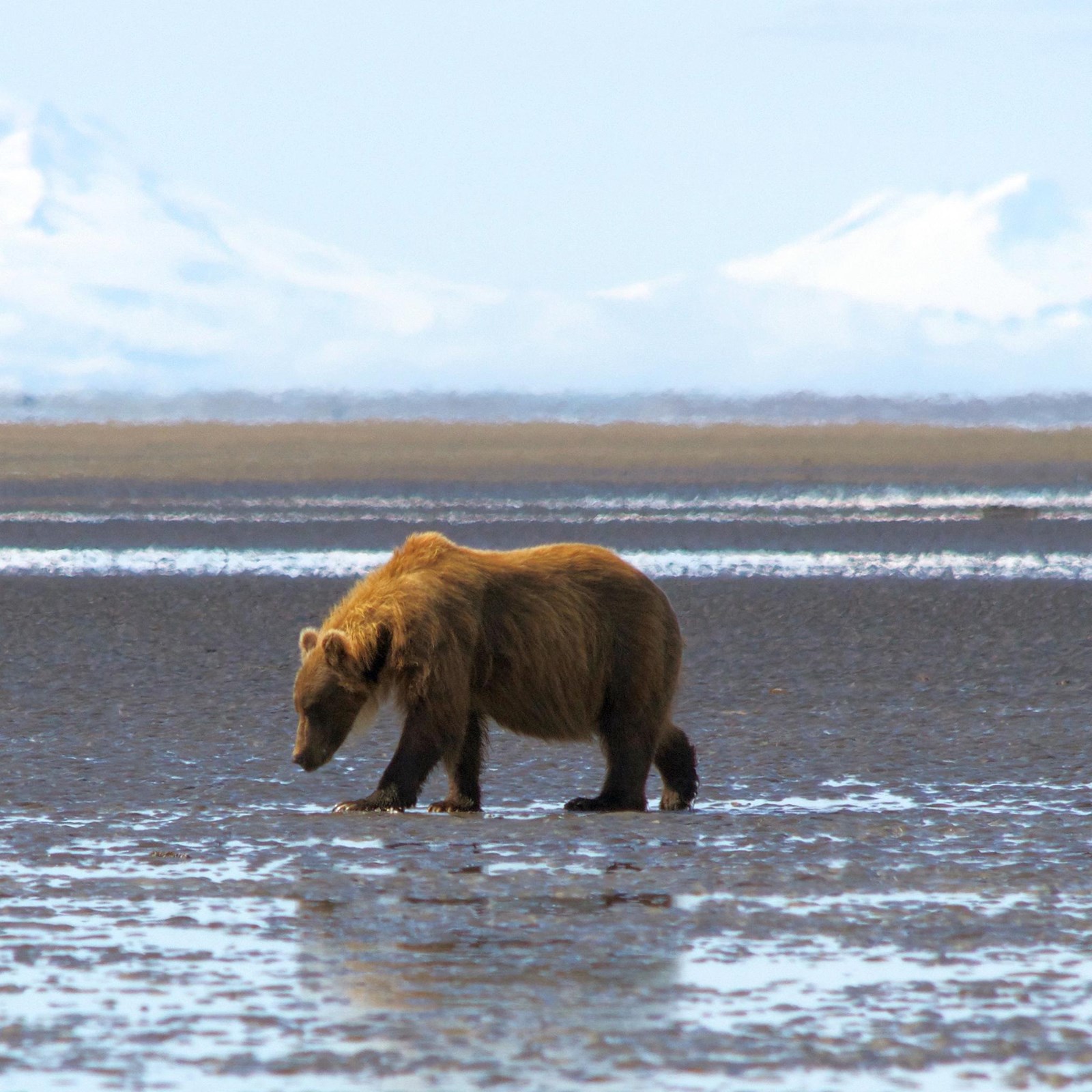
The lower-priced of the two verified options, from $820 per person for roughly eight hours, and the one for photographers who get airsick or want the coast approach: you depart Homer Harbor by boat and cross Cook Inlet – about two hours each way, with sea otters and sometimes orcas on the crossing – then go ashore at Chinitna Bay, where a guide escorts you to established bear-viewing platforms. Chinitna is the park’s marquee bear spot: the National Park Service notes visitors can at times see twenty or more brown bears from a single location there, feeding in the salt marsh and on the tidal flats.
The terms are friendly: free cancellation up to 24 hours before the experience, per the listing, which is rare and welcome at this price in Alaska. The rating on the listing is 4.3 from a small review count, so weigh that accordingly. The trade-off versus flying is time – four of your eight hours are the crossing – but the boat ride is its own wildlife session, and the platform setup at Chinitna gives stable, predictable angles for long lenses.
Bear Viewing Tour from Homer, Alaska (GetYourGuide)
The flying option, from $1,365 per person for about five hours, run by a Homer-based operator. You shuttle to the airstrip, climb into a wheeled bushplane, cross Cook Inlet in about 45 minutes, and land on a remote beach at Chinitna Bay or Silver Salmon Creek – then spend roughly two and a half to three hours on foot with your guide, working beaches and tidal flats where the bears are. Silver Salmon Creek midway down the coast is the other world-class spot on the park’s own list, and being dropped on the beach puts you in the landscape rather than on a platform.
Terms here are also good: free cancellation up to 24 hours in advance, per the listing, with a reserve-now-pay-later option. The listing carries a 4.8 average from 18 reviews. One plain note from the operator’s own page: the pilot-guide gratuity is not included, and it suggests $40 to $200 per person is standard – budget for that on top of the fare. Weight matters on bushplanes; the listing asks for passenger weights at booking, which is normal for Alaska flightseeing.
How most people actually reach Lake Clark: direct air taxis and charters
Beyond those two tours, Lake Clark runs on small aviation, and the National Park Service publishes alphabetized lists of authorized air taxis that serve the park – contact each operator directly for pricing and availability, since the NPS provides the lists as information, not endorsement. Flying is how you reach Port Alsworth (the park’s field headquarters and only trail system), Crescent Lake, Twin Lakes and the Proenneke cabin, and the backcountry lakes. One planning quirk straight from the park service: pick an itinerary that works with one landing gear type. Wheels and floats do not mix on a single trip – the park points out you cannot realistically do Crescent Lake, which needs floats, and Silver Salmon Creek, which needs a beach landing, in the same outing, even though they look close on the map.
The park’s Cook Inlet coast can also be reached by boat: charter services on the Kenai Peninsula run open-ocean crossings when weather and tides permit, including tours that take in portions of the Lake Clark coastline and custom drop-off and pick-up arrangements. These are not regularly scheduled – they are arranged individually with each operator. We link none of these providers directly; search the operator names, book on their own sites, and read the weather and cancellation terms before paying, because policies at small Alaskan air services vary widely and many are firm.
Is Lake Clark worth it for photographers?
Yes – for many photographers it is the better bear park. Katmai gets the fame, but Lake Clark gives you coastal bears in scenery: sedge meadows, tidal flats and mountain backdrops instead of crowded platforms over a river. Add the supporting cast – the twin volcanoes Iliamna and Redoubt, turquoise Crescent Lake, the Proenneke cabin on Twin Lakes, migrating salmon, and almost no other people – and you have a park that shoots like a private assignment. The costs are access (nothing here is cheap or simple), weather risk baked into every flight day, and a short practical season. Build buffer days on both sides of any flight; the park service itself warns that weather delays are likely, not possible.
Where the photos are
 Save
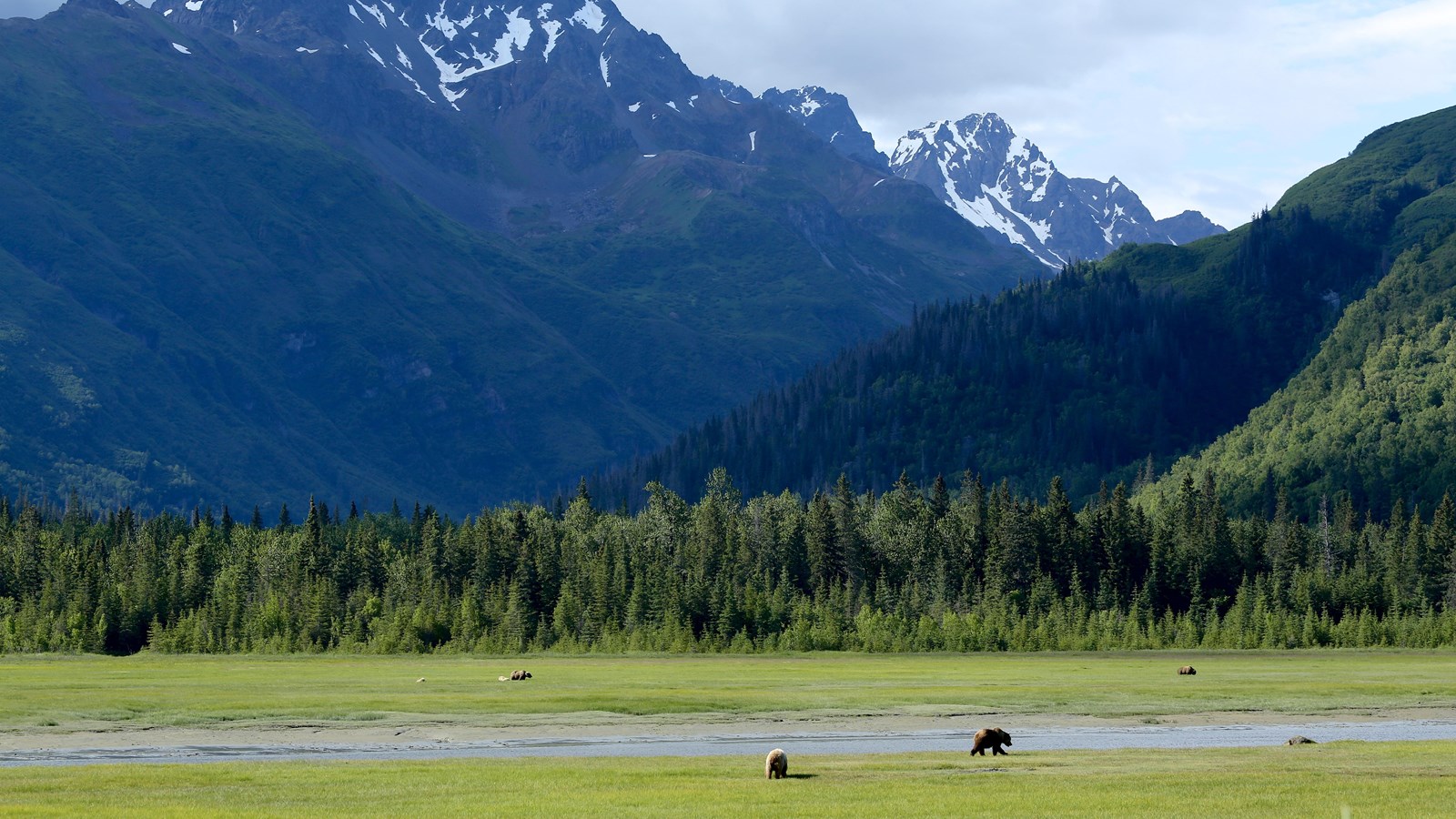
Chinitna Bay. The headliner: up to twenty-plus brown bears in the salt marsh and on the tidal flats, with designated viewing sites that keep both bears and photographers calm. Sedge meadows with grazing bears against the Chigmit Mountains – long lens, morning or evening.
Silver Salmon Creek. Midway down the Cook Inlet coast: world-class bear viewing plus outstanding sport fishing, beach landings by bushplane, and bears working the creek during the salmon run.
Crescent Lake. In the heart of the Chigmit Mountains: a sport fisherman’s dream of a lake where brown and black bears patrol the shorelines during the salmon run. Floatplane access only – this is the quintessential turquoise-lake-and-peaks frame.
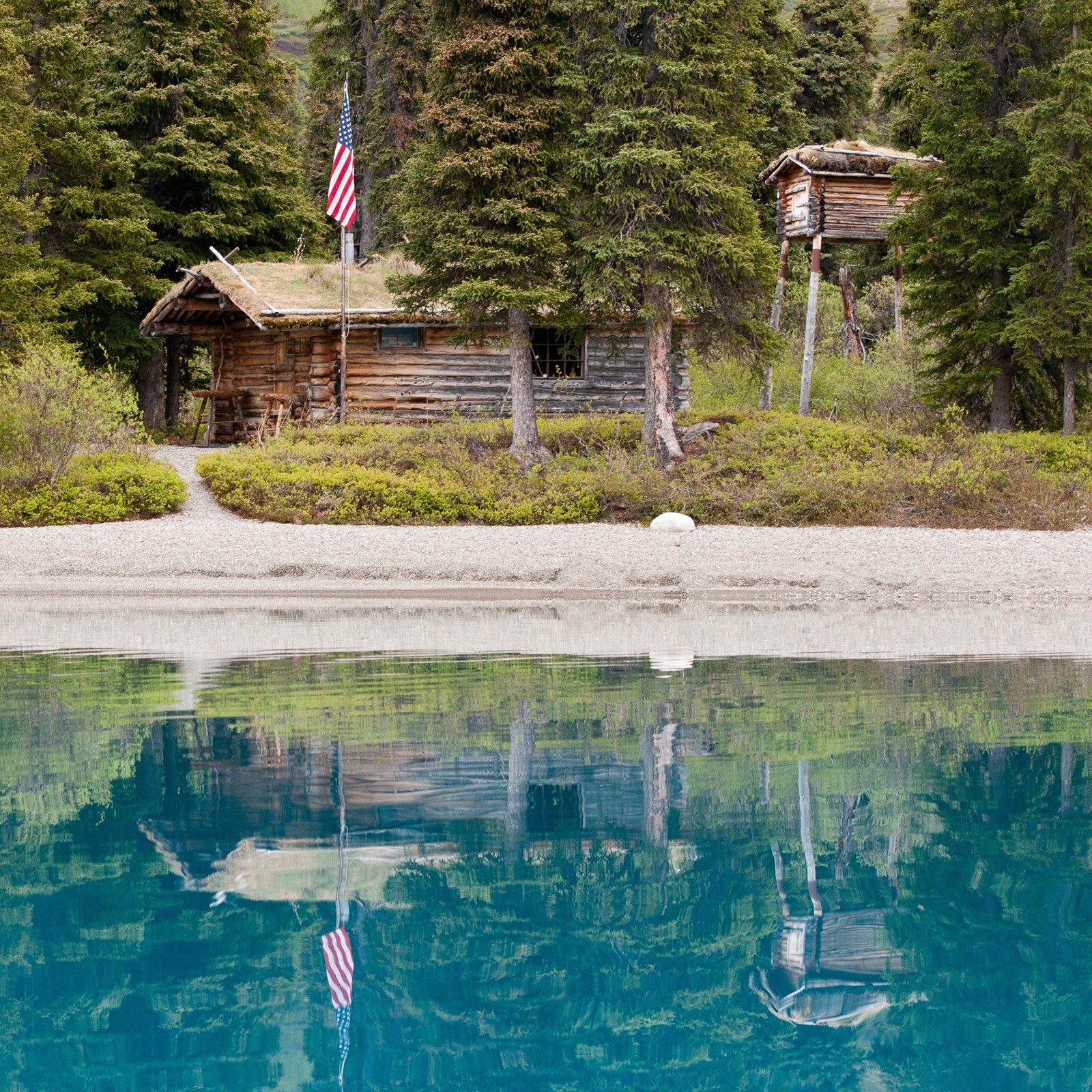
Twin Lakes and the Dick Proenneke cabin. The hand-built log cabin where Proenneke lived alone for thirty years, filming the wilderness footage that became the documentary Alone in the Wilderness. A pilgrimage site for nature photographers, and a gorgeous lake-and-forest scene in its own right. No NPS fee or permit is needed to visit the cabin.
Port Alsworth and the Tanalian Trails. The park’s field headquarters and its only established trail system – hike to Tanalian Falls and up Tanalian Mountain for the elevated shot over Lake Clark itself. The rare Lake Clark location you can work on foot.
The Cook Inlet coastline. Volcanoes across the water, cliffs, beaches and marine life. If you come by boat, the crossing is part of the portfolio.
Turquoise Lake and the backcountry. For the committed: tundra backpacking and base-camping among hanging glaciers, reached by air taxi drop-off. The park offers outstanding tundra hiking with both base-camp and point-to-point options.
Seasons, hours and access
The park and preserve are open 24 hours a day, year-round – some nights are just prettier than others, as the park service puts it. Most visitors arrive between June and October, when the weather is warmer and lodging, transportation and guiding services are actually available. Bear viewing follows the summer salmon runs; winter access is possible by wheeled planes on skis, weather permitting, for the truly committed. Boats, floatplanes and wheeled planes are the primary transport in summer and fall.
Getting there means flying commercially to Anchorage or Homer, then a small plane or boat. The two airstrips in Port Alsworth are privately owned and charge a ramp fee to outside aircraft, so some air taxis decline to fly there – ask before you book. Build slack into everything: the park service advises giving yourself extra days on each side of your travel for weather delays, and encourages passengers to speak up about anything that feels unsafe on a flight. That is standard Alaskan practice, not rudeness.
 Save
Fees and permits
No entrance pass is required for Lake Clark, and the National Park Service charges no fees and requires no permits for any recreational activities in the park – explicitly including backpacking, camping, river running, bear viewing, and visiting Dick Proenneke’s cabin. The one exception: the park’s public use cabins, including the new Priest Rock Cabin eight miles from Port Alsworth, carry fees and require reservations. Your real costs are flights, guiding and lodging.
Bear viewing etiquette, straight from the park service
Lake Clark’s coast works because both species follow rules. Use the designated viewing sites at Chinitna Bay – consistent, predictable human use keeps bears tolerant. Stay out of the sedge meadows (the meadow at Chinitna is legally closed to people, and the bears’ food comes first). Approach visible rather than sneaking, never crowd or displace a bear, give animals multiple routes around you, and if a bear approaches while you fish, cut your line. At Silver Salmon Creek, follow your guide’s lead, or watch where other groups go and where they avoid.
Photography gear notes
- A 400mm to 600mm lens for bears – platforms and beach walks keep working distances long; a 100-400mm or 200-600mm zoom is the practical choice.
- A wide zoom for the scenery – volcanoes, turquoise lakes and tundra want 16-35mm range.
- Rain protection for body and bag – coastal Alaska in season means rain; covers and dry bags are mandatory, especially for beach landings.
- A polarizer – cuts glare on the tidal flats and saturates the lake colors.
- Sturdy waterproof boots – you will walk tidal flats, sedge and beach; expect wet feet otherwise.
Frequently asked questions
Can you book Lake Clark National Park tours on Viator or GetYourGuide?
Yes, exactly one on each when we checked on November 21, 2026: a boat-based bear-viewing day trip from Homer on Viator (from $820 per person) and a bushplane bear-viewing trip from Homer on GetYourGuide (from $1,365 per person). Both listed free cancellation up to 24 hours before. Klook had no Lake Clark inventory.
Is there an entrance fee for Lake Clark?
No. The National Park Service requires no entrance pass and charges no fees or permits for recreation in the park, including bear viewing and visiting the Proenneke cabin. Public use cabins charge fees and need reservations. Your real costs are getting there and guiding.
How do you get to Lake Clark National Park?
By small plane or boat only – there are no roads. Fly commercially to Anchorage or Homer, then an authorized air taxi (wheeled plane, floatplane, or ski plane in winter) or a charter boat across Cook Inlet from the Kenai Peninsula. Match your itinerary to one landing gear type: floats for lake landings, wheels for beaches.
When is the best time for bear viewing at Lake Clark?
Summer, when the salmon run concentrates bears on the coast – the park’s prime spots are Chinitna Bay, Silver Salmon Creek and Crescent Lake. Most visitors come June through October, when transportation and guiding services operate. Book early and keep schedule flexibility for weather.
Are the Brooks Falls bear tours a Lake Clark option?
No. Brooks Falls is in Katmai National Park, a different park southwest of Lake Clark. Marketplace searches for Lake Clark surface Brooks Falls products prominently, so check the park name on the listing before paying. Both parks are outstanding – they are just not the same trip.
Disclosure: Shut Your Aperture may earn a commission when you book through links in this article, at no extra cost to you. Prices, seasons and tour details come from the National Park Service and the operators’ own listings as of November 21, 2026 and can change – confirm before booking. We do not run these tours and do not guarantee any specific stop, wildlife sighting or conditions.
Recommended Gear for a National Park Photography Tour
If your tour allows personal camera gear, a small kit can help with changing light and weather. Check the operator’s tripod policy and your camera mount before buying. B&H Photo Video and Amazon options are linked below.
| What & Why | B&H | Amazon |
|---|---|---|
Fujifilm X100VI Compare this option with your current kit. Check compatibility and the product details before buying. | Shop B&H → | Shop Amazon → |
Sony FE 35mm f/1.4 GM (Sony E-mount) Check the camera mount before buying. Choose a focal length that fits the photos you plan to make. | Shop B&H → | Shop Amazon → |
Peak Design Aluminum Travel Tripod Check the load rating, packed size and local tripod rules before buying. | Shop B&H → | Shop Amazon → |
OP/TECH USA 18-inch Rainsleeve Compare this option with your current kit. Check compatibility and the product details before buying. | Shop B&H → | Shop Amazon → |
B&H and Amazon links are affiliate links. We earn a small commission on purchases at no extra cost to you.