Best Photography Tours in Mount Rainier National Park (2026)
Updated
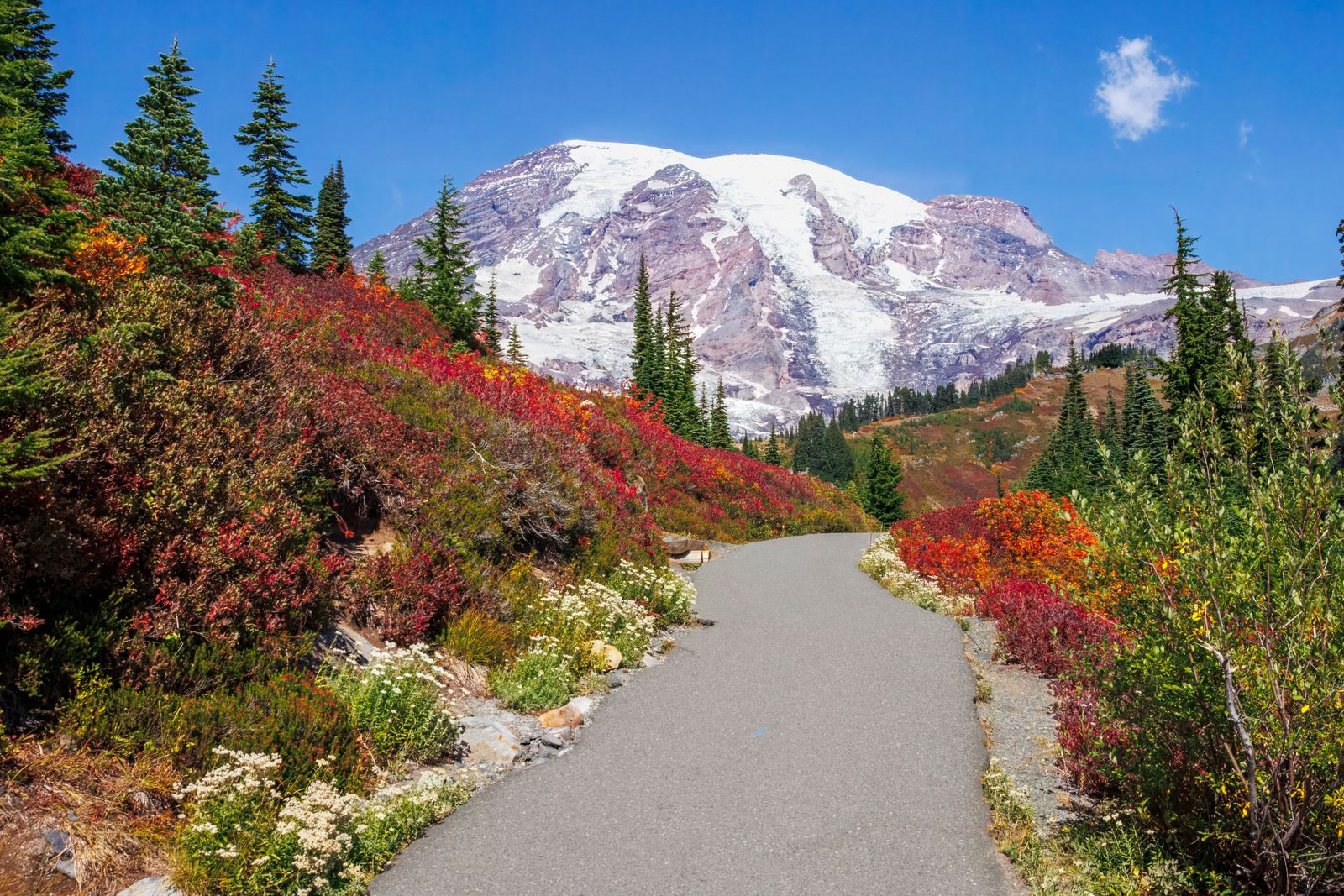
Featured photograph: Photo by William Jacobs via Pexels (source; Pexels license). (Stock photo, illustrative.)
Mount Rainier is the biggest single thing on the Seattle skyline: a 14,410-foot glaciated volcano that fills the frame from a hundred miles away and gets better the closer you stand. The park around it covers 236,381 acres of old-growth forest, subalpine meadow, and moraine valley, and it holds more than 275 miles of maintained trails between the two main visitor hubs at Paradise and Sunrise. Congress made it the nation’s fifth national park on March 2, 1899, and it remains the most glaciated peak in the contiguous United States.
Here is the honest picture before you plan around a guided experience. Unlike many parks we cover in this series, Mount Rainier does have dedicated photography workshops: a small number of multi-day, instructor-led shoots that run fixed dates, mostly in the summer wildflower window. What it does not have is a deep bench of daily, photo-first group tours you can book for any week of the year. Below that workshop tier sits a solid set of sightseeing day tours from Seattle that will put you in position for the light, plus the self-drive option that most working photographers will end up choosing. This guide covers all three tracks honestly, including where a sightseeing tour falls short for serious shooting.
The short answer
If your dates line up with a dedicated photography workshop, that is the only format built around golden hour, and it is worth planning a trip around. If not, a small-group day tour from Seattle handles the two-hour drive and the routing while you scout, and a self-guided day in the car remains the strongest option for dawn and dusk work because no group schedule will hold a Sunrise trailhead at 5 a.m. for you. One piece of good news for planners: the park has announced it will not require timed entry reservations in 2026, so access in 2026 is simpler than recent seasons. The park charges a per-vehicle entrance fee, so check the current rate on the NPS Mount Rainier fees page before you go.
 Save
1. Dedicated photography workshops (multi-day, seasonal)
As of our check, a handful of established landscape photographers run scheduled multi-day workshops inside the park each year, most of them timed to the wildflower bloom that typically peaks from mid-July into August at Paradise and Sunrise. These are small-group, field-based shoots led by working photographers: expect pre-dawn alarm calls, instruction at the tripod, and a group size kept small enough that everyone gets a sightline. Names that came up repeatedly in our research include Chuck Haney, Jim Patterson, Dave Morrow, and a small set of Pacific Northwest specialists such as Stephen Matera, each running date-specific sessions rather than daily departures.
Who it suits: photographers who want instruction, not just transport, and who can plan months ahead around published dates. Who should look elsewhere: anyone traveling outside the summer window or on a fixed week, because these sessions are seasonal and limited. The details: multi-day formats, meeting points in or near the park, and exact itineraries and rates published on each operator’s own site; confirm current dates and terms directly, since small workshops change year to year. We link no single workshop here because availability is date-specific; search the operators above for current sessions.
2. Mt. Rainier National Park Full-Day Nature Tour from Seattle (Viator)
The most-reviewed Seattle departure we found is the “Mt. Rainier National Park Full-Day Nature Tour from Seattle,” a full-day guided run into the park with stops at the classic viewpoints. For a photographer, the value is logistics: someone else drives the two hours each way while you watch the light and learn the layout, which makes this a strong first-day scouting move before you return on your own. The trade-off is the one you would expect: a fixed schedule built for sightseeing, not for holding a meadow at golden hour.
Who it suits: Seattle-based visitors without a car who want a curated first pass through the park. Who should look elsewhere: anyone chasing a specific dawn or dusk shot. The details: full-day guided tour from Seattle; the listing showed free cancellation up to 24 hours before the experience starts (local time) as of our check; confirm the current duration, pickup points, and terms on the Viator page before booking, since operators update both seasonally.
3. Mt. Rainier National Park Full-Day Tour from Seattle (Viator)
A second well-reviewed Viator departure covers similar ground with a slightly different routing style, and as of our check it carried a strong review count for a park day tour. Compare the two itineraries before booking: stop lists shift between Paradise, Longmire, Reflection Lakes, and Christine or Narada Falls depending on season and road conditions, and the stops you get determine the shots you come home with.
Who it suits: travelers who want a heavily reviewed, proven option and are flexible on exact stops. Who should look elsewhere: photographers who need a private vehicle and their own clock. The details: full-day guided tour from Seattle; the listing showed free cancellation up to 24 hours before the experience starts (local time) as of our check; confirm the current route, season dates, and terms on the listing page as of your booking.
 Save
4. Small-group and private options on GetYourGuide
GetYourGuide listed several Seattle-based Mount Rainier departures when we researched this guide, including a full-day small-group tour and a higher-priced “majestic” small-group adventure format that caps group size lower than the bus departures. For photographers, the small-group tier is where guided tours start to make sense: fewer people means faster stops, more say in timing, and a guide who can flex a few minutes for good light. A private full-day tour listing also appears on the platform for parties who want the vehicle to themselves.
Who it suits: couples or small parties who want guide expertise with some schedule flexibility. Who should look elsewhere: solo travelers on a budget, who will do better on the group departures above. The details: small-group and private full-day formats from Seattle; the full-day tour listing showed free cancellation as of our check; confirm group size caps, pickup logistics, and current terms on each GetYourGuide listing before booking.
See small-group options on GetYourGuide
5. Klook: private SUV and day-hike formats
Klook’s Seattle inventory included a private full-day SUV tour of the park, a join-in day tour, and a guided day hike with transport from the city when we checked. The day-hike format is the interesting one for photographers: trading viewpoint-hopping for a single trail with a guide gets you deeper into meadow and moraine country than any road tour will, and the private SUV listing is the closest thing to a custom schedule on a booking platform.
Who it suits: hikers who want trail time with logistics handled, and groups who want a private vehicle. Who should look elsewhere: anyone who wants many short stops in one day. The details: private SUV, join-in, and guided hike formats; confirm current availability, meeting points, and cancellation terms on the Klook listings before booking.
 Save
6. The self-drive option most photographers should choose
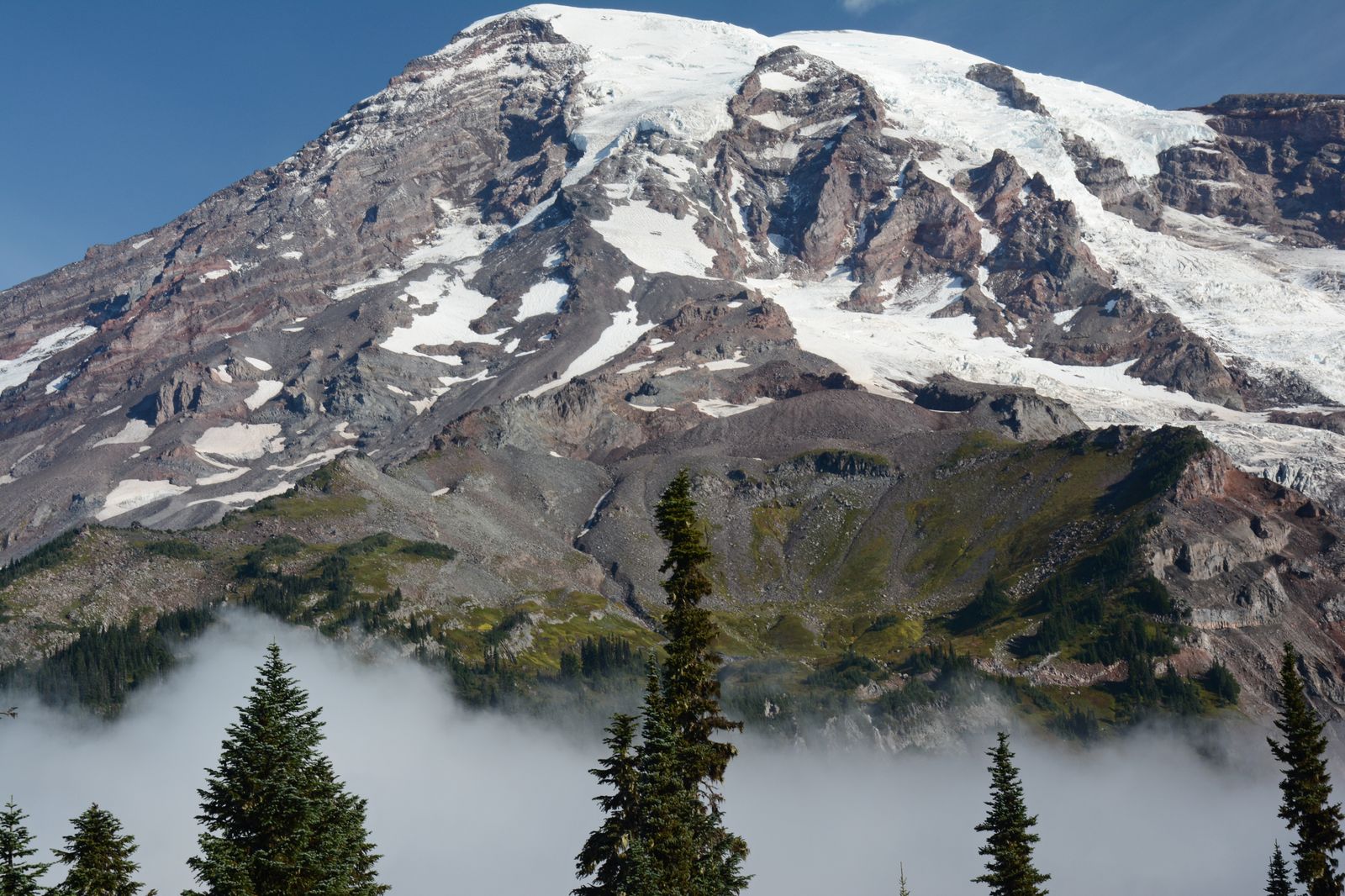
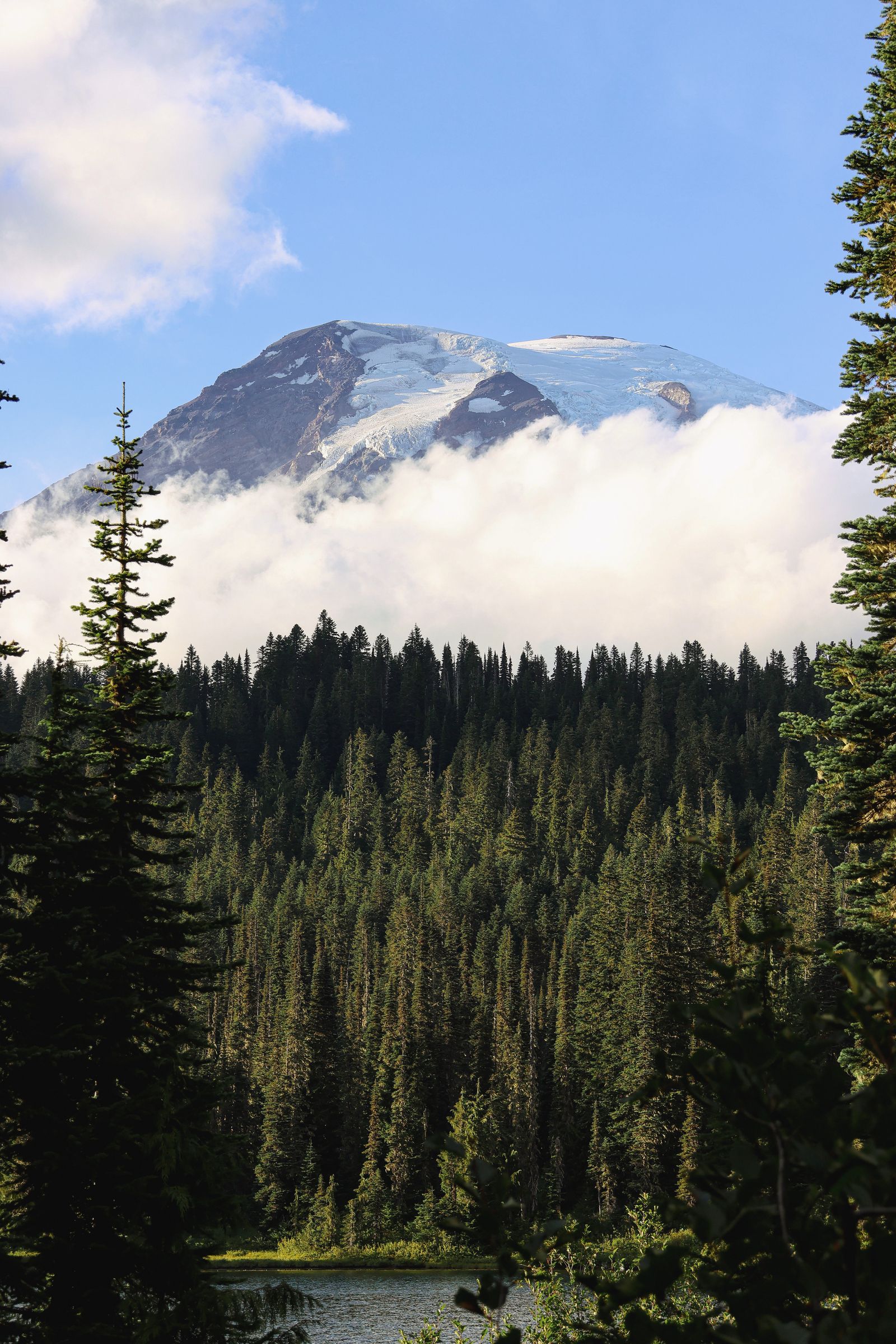
Rainier rewards the photographer who controls the clock, and the drive-yourself plan keeps you fully in control of light and position. Paradise, on the south side, is the sunset play: meadows, the Tatoosh Range in the foreground, and alpenglow on the mountain’s south face. Sunrise, on the northeast side, is the highest point you can drive to in the park and the dawn play, with first light hitting the summit while the valleys stay blue. Reflection Lakes and Tipsoo Lake give you the classic mirror shots when the wind is down, which is most reliably early morning.
Build the day around one hub, not two: the drive between Paradise and Sunrise eats the better part of two hours on winding mountain roads, and trying to shoot both ends of the day at both ends of the park is how you miss the light entirely. Wildflower season is the famous window, with peak bloom typically running from mid-July into August depending on the year’s snowpack, but autumn color on the subalpine brush is an underrated second season, and fresh snow on the mountain photographs well from lower elevations even when the high roads close.
How the options compare for a photographer
Think of the choices as three levels of control. The workshop tier gives you the least logistics to manage and the most instruction, but locks your dates to a published schedule months ahead. The guided day-tour tier gives up timing control for convenience: you will be at the viewpoints in the middle of the day with a group, which is fine for scouting and for travelers who simply want to see the mountain without driving. The self-drive tier is full control and full responsibility: you handle the entrance fee, the road conditions, and the alarm clock, and in exchange you get the only thing that actually makes portfolio images here, which is being at the right meadow when the light arrives.
A practical hybrid we recommend: book one guided day early in a Seattle trip to learn the park’s layout with the driving handled, note which stops you want back, then rent the car for a dawn return. It costs a day, but it converts a sightseeing itinerary into a shot list.
Gear notes for this park
A wide zoom covers most Rainier compositions, from meadow foregrounds to the full summit. A telephoto earns its place at Sunrise, where it compresses the glaciers against the sky, and at Reflection Lakes when the mountain mirrors. A polarizer helps manage glare off snow and water, and a sturdy tripod is mandatory for the dawn and dusk work that makes the trip worth it. Weather moves fast at elevation: carry layers, rain cover for the camera, and a microfiber cloth, and review the park’s current guidance on trail conditions before committing to a pre-dawn hike.
What to know before you book
Set expectations honestly: no sightseeing tour from Seattle will hold a location for sunrise or sunset, because the drive alone takes about two hours each way and group itineraries run midday. Use a guided day tour as a scouting pass, then return under your own power for the light that matters. Check the listing’s own page for current terms as of your booking date, since durations, routes, and cancellation policies change seasonally. And check the park’s current conditions before any trip: mountain weather closes roads and hides the peak with little notice, and the mountain makes its own weather year-round.
Frequently asked questions
Are there dedicated photography tours in Mount Rainier National Park?
Yes, but they are seasonal and date-specific rather than daily. As of our check, a small number of professional landscape photographers run multi-day workshops in the park each year, most timed to the summer wildflower bloom. Below that tier, guided day tours from Seattle are sightseeing tours, not photo-first experiences, though they work well as a scouting pass.
What is the best time of day to photograph Mount Rainier?
Sunrise on the northeast side and sunset on the south side. Sunrise (the area, aptly named) gets first light on the summit, while Paradise delivers alpenglow at the end of the day. Midday light is flat on the mountain, which is exactly when group tours are in the park.
Do I need a reservation to visit Mount Rainier in 2026?
No timed entry reservation is required in 2026, per the park’s February 2026 announcement. The park charges a per-vehicle entrance fee; check the current rate on the NPS fees page. Individual tours and workshops have their own booking requirements.
Can I photograph the wildflowers without a tour?
Yes. The meadows at Paradise and Sunrise are on maintained trails and need no guide. Peak bloom typically runs from mid-July into August depending on the year’s snowpack, so check the park’s current wildflower status page as your trip approaches.
Disclosure: Some links in this article are affiliate links. If you book through them, we may earn a commission at no extra cost to you. We research every tour we feature and only recommend options we believe serve photographers well. Our opinions are our own.
Recommended Gear for a National Park Photography Tour
If your tour allows personal camera gear, a small kit can help with changing light and weather. Check the operator’s tripod policy and your camera mount before buying. B&H Photo Video and Amazon options are linked below.
| What & Why | B&H | Amazon |
|---|---|---|
Fujifilm X100VI Compare this option with your current kit. Check compatibility and the product details before buying. | Shop B&H → | Shop Amazon → |
Sony FE 35mm f/1.4 GM (Sony E-mount) Check the camera mount before buying. Choose a focal length that fits the photos you plan to make. | Shop B&H → | Shop Amazon → |
Peak Design Aluminum Travel Tripod Check the load rating, packed size and local tripod rules before buying. | Shop B&H → | Shop Amazon → |
OP/TECH USA 18-inch Rainsleeve Compare this option with your current kit. Check compatibility and the product details before buying. | Shop B&H → | Shop Amazon → |
B&H and Amazon links are affiliate links. We earn a small commission on purchases at no extra cost to you.