Best Photography Spots in Bryce Canyon National Park: 12 Locations With GPS

Tours & experiences disclosure: This guide includes affiliate links to Viator, the world’s largest tour and experiences marketplace. If you book through these links, ShutYourAperture may earn a small commission at no extra cost to you.

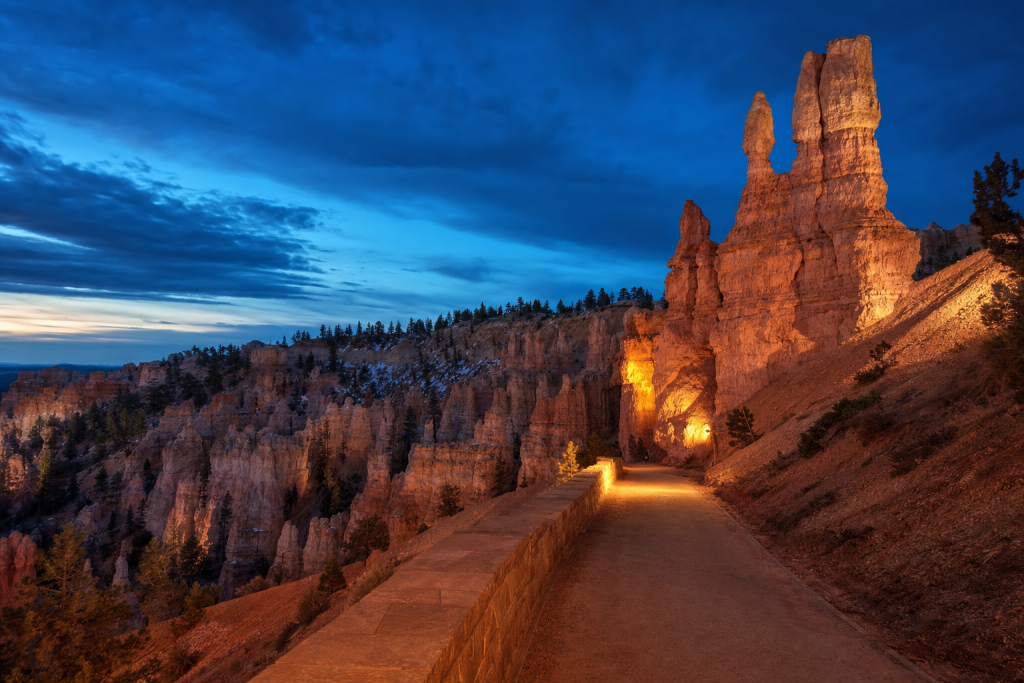
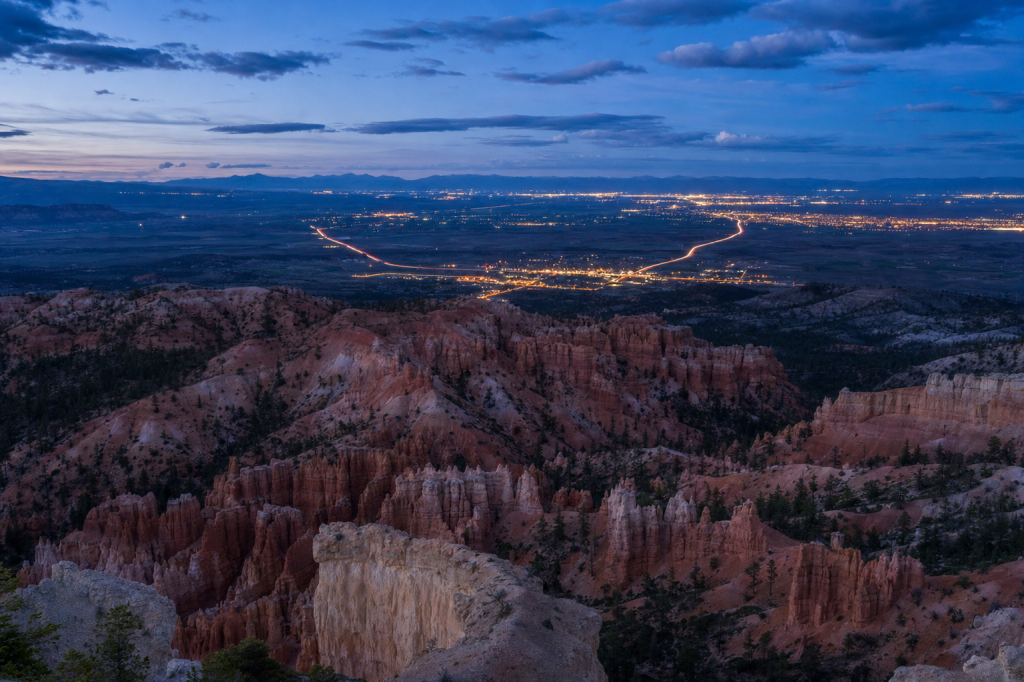
Bryce Canyon National Park — photographer's guide hero imageSave

Editing software disclosure: This guide includes affiliate links to Skylum (Luminar Neo, Aperty, Luminar Mobile). If you buy through these links, ShutYourAperture may earn a commission at no extra cost to you. We only recommend tools we use ourselves.
Skip the planning. Get the Bryce Canyon National Park PDF. All locations, GPS coordinates, golden-hour times, gear tips. Instant download.

Bryce Canyon National Park is one of the most photogenic landscapes in the United States. If you have a camera and the patience to show up before dawn, Bryce Canyon will give you images that last a career — but only if you know where and when to point it.

This is the definitive field guide to the 12 best photography spots in Bryce Canyon National Park, with GPS coordinates you can drop straight into Google Maps, exact camera settings tuned to Bryce Canyon’s unique light, precise timing for every location, and the access notes nobody else bothers to document. It mirrors the intel inside our Bryce Canyon Ultimate Photographer’s Guide ($47 PDF) — a downloadable field guide with full-page hero images, GPS maps, seasonal tables, a safety briefing, and a complete photographer’s packing list. Get the guide →

Planning multiple parks? See also: best photography spots in Zion, Grand Canyon, and the full National Parks Photography Guides hub.

Bryce Canyon Ultimate Photographer’s Guide — $47
12 GPS-mapped locations · Exact camera settings · Multi-season shooting calendar · Free annual updates

Download the PDF guide →

Quick jump to the 12 spots

  1. Sunrise Point
  2. Sunset Point
  3. Inspiration Point
  4. Bryce Point
  5. Rainbow Point
  6. Yovimpa Point
  7. Thor’s Hammer
  8. Wall Street (Navajo Loop)
  9. Queen’s Garden
  10. Natural Bridge
  11. Fairyland Point
  12. Paria View

Before you shoot Bryce Canyon: the essentials

  • Park entrance fee (2026): $35 per vehicle (7-day pass); $30 motorcycle; $20 individual/pedestrian/cyclist; $70 Bryce Canyon annual pass; $80 America the Beautiful annual pass. No cash accepted — credit/debit only. Children under 16 free. Current rates at nps.gov.
  • Best photography seasons: Fall (Sep–Nov) for clear stable skies and warm light; Winter (Dec–Feb) for snow-capped hoodoos and empty viewpoints; Spring (Mar–May) for lingering snow contrast against orange rock; Summer (Jun–Aug) for Milky Way core, wildflowers, and afternoon storm drama (but afternoon lightning risk).
  • Dark sky / Milky Way: International Dark Sky Park since 2019 (International Dark-Sky Association ‘Gold Tier’ designation). Bortle Class 1–2 — among the darkest skies in the contiguous United States. Naked-eye Milky Way visible nearly every moonless night..
  • Drone policy: Drones are completely prohibited on all NPS land under 36 CFR § 1.5. Fines up to $5,000.

The full-resolution version of every map below — plus seasonal calendars, gear matrices per location, sun-angle diagrams, and a complete photographer’s packing checklist — is inside the Bryce Canyon Photographer’s Guide PDF ($47).

1. Sunrise Point

Sunrise Point is the northernmost of the four major Bryce Amphitheater viewpoints and offers the widest panorama of hoodoo fields from rim level. At 8,100 ft, it sits slightly higher than the surrounding ponderosa forest, enabling a near-360° view — meaning both the lit amphitheater and the silhouetted western horizon are capturable without moving. The Queen’s Garden Trail descends directly from here, offering photographers the option to move below the rim into the hoodoo forest for intimate ground-level shots during the same golden-hour session. Named ‘Sunrise Point’ for good reason — no other rim viewpoint delivers the east-facing spectacle as directly.

  • GPS: 37.6299, -112.166
  • Elevation: 8,100 ft
  • Best time of day: Sunrise (premier) — the amphitheater glows from the moment the sun clears the horizon; first light paints hoodoos orange-to-pink from behind the photographer
  • Sun direction: The entire Bryce Amphitheater faces east — sunrise is THE moment. At Sunrise Point, the sun rises directly behind the photographer (to the east/northeast in summer, more east-southeast in winter), illuminating the hoodoos below with warm side-light. The canyon basin fills with color within minutes of first light. Faces north-northeast into the amphitheater, with the widest field of hoodoos of any rim viewpoint. At sunset, the hoodoos lose direct light but the western horizon provides a colorful backdrop; rotate 180° for silhouettes. For Milky Way: face south or southeast along the rim — the galactic core rises in the south-southeast, with hoodoo formations as foreground.
  • Access: Free shuttle Apr–Oct (Stop 13; 0.2-mile walk from stop to viewpoint). Private vehicle access available year-round outside shuttle operating hours. Parking lot at Sunrise Point fills early in summer — arrive before 7 AM or use the shuttle from Bryce Canyon City. Not restricted for oversize vehicles during shuttle hours (must use Shuttle Station or Additional Parking Lot). The Queen’s Garden Trail begins here.
  • Difficulty: Easy — short paved walk from parking/shuttle stop; rim viewpoint is ADA accessible
  • Recommended settings: Sunrise: aperture: f/11, shutter: 1/60s–1/15s, iso: 200, lens: 16-35mm wide or 24-70mm standard, notes: Bracket ±2 EV — sky brightens rapidly while canyon floor stays in shade. Face northeast/east into the amphitheater. Use foreground rim rocks or twisted ponderosa pines as anchors. Grad ND or exposure blending recommended.  ·  Blue Hour: aperture: f/2.8, shutter: 15–25s, iso: 1600, lens: 16-35mm, notes: Pre-dawn: the amphitheater glows faint blue-purple as sky lightens. Wide open aperture for maximum hoodoo foreground detail. Tripod essential.  ·  Milky Way: aperture: f/2.8, shutter: 20s, iso: 3200, lens: 14–24mm, notes: Face south-southeast from the rim; galactic core rises over the hoodoo basin. Use 500 Rule: 500 ÷ focal length = max seconds before star trails. Focus manually using live view zoomed 10x on a bright star. Bortle 1–2 skies mean the core is bright enough at ISO 1600–3200 with a fast lens.  ·  Winter: aperture: f/11, shutter: 1/125s, iso: 100, lens: 24-70mm, notes: Snow-capped hoodoos create orange-on-white contrast. Mid-morning is ideal when snow is illuminated but has not melted. Polarizer reduces snow glare and deepens orange.

Shots to chase:

  • Pre-dawn blue-to-orange gradient: position at the rim 40 minutes before sunrise; shoot the hoodoo basin glowing faint purple-blue as the sky transitions — this 10-minute window is the least photographed and most dramatic
  • Queen’s Garden descent: hike 15–20 minutes down the trail in first light; shoot back up at the rim from inside the hoodoo field for a dramatically different perspective that most visitors never see
  • Full moon hoodoo shadows: during full moon (use PhotoPills to plan), the moon lights the hoodoos from the west at night, casting long shadows eastward into the basin — shoot from 10 PM–midnight with a 24mm, f/2.8, ISO 800, 10-15s
  • Telephoto compression: 100–400mm pointed south compresses the rows of hoodoos into layered bands of orange, removing sky context and creating abstract geological texture images
  • Milky Way galactic core: face south-southeast on a moonless night — Bortle 1-2 means the core is dramatic even to the naked eye; hoodoo silhouettes as foreground with the galaxy rising above

Pro tip: Arrive 45 minutes before sunrise to claim a rim position and watch the amphitheater transition from dark blue to gold. Walk south 100–200 m along the Rim Trail from the main viewpoint platform for uncrowded compositions with natural pine-tree foregrounds. In summer, the sun rises as early as 5:45 AM MDT — check PhotoPills or The Photographer’s Ephemeris for exact azimuth and time. Shuttle runs from 8 AM, so for sunrise you must drive and park (or stay at the Lodge/campground on-site). The Queen’s Garden Trail descending into the hoodoos produces the most unique shots available to any day-hiker — do not skip it.

Common mistake to avoid: Arriving at official sunrise time instead of 30–45 minutes earlier — the pre-sunrise pink alpenglow in the hoodoo basin is often more dramatic than direct sunlight. Shooting only from the main platform — the Rim Trail south of Sunrise Point offers multiple compositions that escape the crowds. Forgetting to check the shuttle schedule: the shuttle does not begin until 8 AM, so sunrise photographers must self-drive.

2. Sunset Point

Sunset Point is home to the most famous view in Bryce Canyon: Thor’s Hammer, a 150-ft freestanding hoodoo visible both from the rim and from the Navajo Loop Trail below. The Wall Street section of the Navajo Loop — a narrow slot canyon carved between 200-ft hoodoo walls — is visible descending from this point and is itself a premier photography location. The combination of rim-level vista AND easy access to a world-class trail into the hoodoos makes this the single most versatile photography hub in the park. The 0.5-mile flat paved Rim Trail to Sunrise Point also begins here.

  • GPS: 37.6238, -112.1665
  • Elevation: 8,015 ft
  • Best time of day: Sunrise (primary, despite the name) — face EAST at sunrise for the full amphitheater glow; Thor’s Hammer catches first light beautifully. Also spectacular at sunset for the western alpenglow behind the photographer.
  • Sun direction: The amphitheater faces east — Sunset Point, despite its name, is outstanding at sunrise. Face east at sunrise for direct warm light on Thor’s Hammer and the hoodoo field below. The sun rises slightly left (northeast) of the main hoodoo formations in summer, slightly right (east-southeast) in winter — both orientations deliver front-lit hoodoos. The Navajo Loop Trail descends from this point, providing access to Thor’s Hammer from below. At sunset, the hoodoos lose direct light but the hoodoo silhouettes against a warm western sky produce striking images; the Wall Street slot canyon below captures the last indirect warm glow.
  • Access: Free shuttle Apr–Oct (Stop 11; short walk from shuttle stop to viewpoint). Private vehicle access available. One of the most popular shuttle stops — crowds build rapidly after 9 AM in summer. Oversize vehicles (23+ ft) restricted during shuttle hours; use Shuttle Station Parking Lot. Navajo Loop and Queen’s Navajo Combination Loop trails begin here.
  • Difficulty: Easy — paved path to viewpoint; Navajo Loop below is Moderate (500 ft descent/ascent, 1.3 miles)
  • Recommended settings: Sunrise: aperture: f/11, shutter: 1/60s, iso: 200, lens: 24-70mm, notes: Face east. Thor’s Hammer is the obvious subject — position it in the lower-left or lower-right of the frame, with the lit basin behind. Sun rises fast at Bryce; the first 15 minutes of golden light are most saturated.  ·  Navajo Loop Slot: aperture: f/8, shutter: 1/30s, iso: 400, lens: 16-35mm, notes: Inside Wall Street slot canyon, light is indirect and soft even at midday — perfect for detail shots without harsh shadows. Shoot vertically to capture the soaring 200-ft walls converging overhead.  ·  Blue Hour: aperture: f/4, shutter: 10s, iso: 800, lens: 16-35mm, notes: Pre-dawn: set up on the rim facing east; the amphitheater fills with deep blue-purple light that transitions rapidly. Tripod essential.  ·  Milky Way: aperture: f/2.8, shutter: 20s, iso: 3200, lens: 14-24mm, notes: Sunset Point faces east-northeast; rotate south along the rim for the galactic core. Thor’s Hammer silhouette against the Milky Way is an iconic image — requires a south-southeast facing position slightly off the main platform.

Shots to chase:

  • Thor’s Hammer at first light: from the rim, shoot at sunrise with Thor’s Hammer as the primary subject — it glows orange-red within the first 5 minutes of direct sunlight; use 50–100mm to isolate it from the background
  • Wall Street from inside: descend the Navajo Loop (southwest side) into the slot canyon; look up at the 200-ft hoodoo walls converging toward a narrow strip of sky — shoot vertically with a 16mm, f/11, HDR brackets
  • Two Bridges alcove: continue past Wall Street on the Navajo Loop to the Two Bridges formation — natural arches framing the hoodoo field behind; shoot east-facing in morning light
  • Rim trail south toward Inspiration Point: the Rim Trail between Sunset and Inspiration Points has multiple unmarked vantage points looking into dense hoodoo clusters that most visitors walk past without stopping
  • Thor’s Hammer silhouette at blue hour: 20 minutes before sunrise, expose for the bright-horizon glow behind the hammer silhouette — the freestanding form is immediately recognizable and graphically powerful

Pro tip: Sunset Point is the most shuttle-accessible sunrise location (Stop 11) — but the shuttle doesn’t run until 8 AM, well after sunrise in summer. Drive and park, or stay at Sunset Campground (adjacent). The Wall Street section of the Navajo Loop is closed in winter (ice hazard); confirm status with NPS. Walk the Rim Trail to Sunrise Point (0.5 miles, flat, paved) for a second viewpoint without returning to the shuttle. Note: Wall Street side of Navajo Loop closes seasonally — check nps.gov/brca for current conditions.

Common mistake to avoid: Focusing only on Thor’s Hammer and missing the wider amphitheater composition available from the rim. Skipping the descent into Wall Street — it is one of the most photographically dramatic environments in any national park and takes only 1–2 hours round-trip. Arriving at sunset instead of sunrise — this is counterintuitively a superior sunrise viewpoint despite the name.

3. Inspiration Point

Inspiration Point’s upper platform provides the single most comprehensive view of the Bryce Amphitheater from any point on the rim — the elevation advantage compresses the hoodoo forest into a stunning visual density that is simply not achievable from lower viewpoints. You can see Sunrise Point to the north, Bryce Point to the south, and the full amphitheater between them in one panorama. Expert photographers consistently note this as their first choice for wide amphitheater shots, citing smaller crowds and multiple compositional levels. The three-tiered platform system allows you to experiment with different foregrounds and perspectives within a single short hike.

  • GPS: 37.6168, -112.1602
  • Elevation: 8,320 ft
  • Best time of day: Sunrise (primary) and any golden hour — the elevated upper platform at 8,320 ft provides the broadest single-frame view of the entire Bryce Amphitheater hoodoo field, making this the best location in the park for wide-panoramic amphitheater shots
  • Sun direction: At 8,320 ft, Inspiration Point is significantly higher than Sunrise and Sunset Points — the extra elevation compresses the hoodoo forest below into a dense visual carpet. The amphitheater faces east, so sunrise illuminates the entire basin from the right (east); the sun rises slightly left of the main hoodoo formations in summer. Upper Inspiration Point has a jutting rock outcropping that allows nearly 360° views — you can shoot south at the hoodoos, east at the rising sun, and even north toward Sunrise Point’s ridge. This is the last rim point where you can include the sun itself in a composition with the canyon during sunrise.
  • Access: Free shuttle Apr–Oct (Stop 9; short walk uphill to upper viewpoint). Upper Inspiration Point requires a 0.33-mile uphill walk from the parking/shuttle stop — three viewpoint platforms at different elevations (lower, mid, upper). The upper platform is on a jutting rock outcropping with near-360° views. This section of the Rim Trail is closed in winter. Less crowded than Sunrise or Sunset Points — most visitors head to the more ‘famous’ named spots, making this the best combination of views + relative solitude.
  • Difficulty: Easy-Moderate — short 0.33-mile uphill walk to upper viewpoint; 134-foot elevation gain. Lower platforms are easier.
  • Recommended settings: Sunrise: aperture: f/11, shutter: 1/60s, iso: 200, lens: 16-35mm for panorama; 50-100mm for compressed hoodoo layers, notes: Upper platform: face east for the full amphitheater sunrise panorama. Stitch 6–10 frames at 24mm for a wall-print-quality wide image. Then switch to 100mm to compress the hoodoo rows into abstract layers.  ·  Blue Hour: aperture: f/4, shutter: 8–15s, iso: 800, lens: 16-35mm, notes: The elevated position captures the full transition from dark basin to lit sky — the dynamic range at blue hour is naturally compressed here, making it the easiest exposure of any lighting scenario.  ·  Milky Way: aperture: f/2.8, shutter: 20s, iso: 3200, lens: 14-24mm, notes: Bortle 1–2 skies are extraordinary from this elevation. Face south along the rim; the upper platform’s exposed position provides unobstructed southern horizon. One of the top 3 Milky Way locations in the park alongside Bryce Point and Fairyland Point.  ·  Panorama: aperture: f/11, shutter: 1/60s, iso: 100, lens: 24mm fixed, notes: Shoot a 10–12 frame horizontal panorama from the upper outcropping; stitch in Lightroom or PTGui for a file wide enough to print at 40+ inches.

Shots to chase:

  • Grand amphitheater panorama: from the upper platform, shoot a 10–12 frame stitch at 24mm encompassing the full north-south sweep of the Bryce Amphitheater — the most comprehensive single image achievable at the park
  • Layered hoodoo compression: telephoto at 100–300mm pointed south along the hoodoo field — the elevated position compresses 2–3 miles of formations into a flat tapestry of orange spires
  • Three-platform bracketing: shoot the same composition from all three platforms (lower, mid, upper) within 20 minutes — each elevation provides a dramatically different relationship between rim and hoodoo basin depth
  • Last sunrise with sun in frame: Inspiration Point is the southernmost location on the rim where photographers can include the rising sun disk itself in a composition with the hoodoos — position the sun just above the horizon at the far right of a 16mm frame
  • Storm approach: afternoon thunderstorms build from the southwest in summer — from the elevated upper platform, you can see weather approaching from 30+ miles, with dramatic cloud formations behind the hoodoos

Pro tip: Arrive 45–60 minutes before sunrise for the upper platform — it fills slower than Sunrise Point but still gets crowded by actual sunrise time in summer. The uphill walk in the dark requires a headlamp. Walk around both sides of the upper platform outcropping — compositions are dramatically different facing slightly north vs. slightly south. Stay 20–30 minutes after sunrise; as the sun climbs, the hoodoo shadows shorten and reveal different textures. In a visit of only one morning, Inspiration Point offers more compositional diversity per square meter of rim than any other viewpoint.

Common mistake to avoid: Stopping at the lower viewpoint (easiest to reach) and not making the extra push to the upper platform — the additional 134 feet of elevation gain changes the entire character of the view. Coming only at sunset when the east-facing amphitheater loses direct light. Shooting only horizontally — the vertical panorama from upper Inspiration Point (looking down at the hoodoo field) produces striking images of the canyon depth that horizontal frames cannot capture.

4. Bryce Point

Bryce Point provides the most dramatic full-amphitheater panorama in the park, with nearly 180° of hoodoo-filled basin visible in a single frame. At 8,300 ft on a jutting promontory, the sensation of being surrounded by the void is more powerful here than at any other rim viewpoint. The perspective looking north captures the full scale of the Bryce Amphitheater, including the distinctive layering of the Claron Formation — the pink-white-orange banded geology that makes Bryce unique. On clear days, Navajo Mountain (90 miles south in Arizona) is visible on the horizon.

  • GPS: 37.6048, -112.1547
  • Elevation: 8,300 ft
  • Best time of day: Sunrise (premier) and midday for cloud drama. The most dramatic single viewpoint in the park — often described as the ‘crown jewel’ of the Bryce Amphitheater for its sweeping panoramic view of the entire hoodoo basin
  • Sun direction: Bryce Point sits at the southern end of the Bryce Amphitheater, providing views that span north across the entire hoodoo basin. At sunrise, the sun rises directly to the east, flooding the entire amphitheater with golden front-light as seen from this slightly elevated position. Because the point juts out further into the canyon than other viewpoints, it provides a 180°+ view of the amphitheater. The north-facing orientation means that midday light from overhead is actually usable here — big puffy clouds create dramatic moving shadows across the hoodoo field, making midday photography viable unlike most canyon viewpoints.
  • Access: Free shuttle Apr–Oct (Stop 8; first shuttle stop of the main loop — southernmost). Private vehicle access year-round. Peekaboo Loop Trail, Hat Shop Trail, and Under-the-Rim Trail all begin from Bryce Point. The 1.5-mile Rim Trail segment to Inspiration Point is closed in winter. Ample parking at the Bryce Point lot.
  • Difficulty: Easy — paved walkway to the viewpoint overlook. Trails below are Strenuous (Peekaboo Loop: 5.5 miles, 1,500 ft elevation change).
  • Recommended settings: Sunrise: aperture: f/11, shutter: 1/60s, iso: 200, lens: 16-35mm for full panorama; 100-400mm for Peekaboo Loop hoodoos below, notes: The full amphitheater panorama from Bryce Point at sunrise is the benchmark Bryce Canyon shot. Expose for the lit hoodoos, not the bright sky — the canyon fills with color rapidly.  ·  Midday Clouds: aperture: f/11, shutter: 1/250s, iso: 100, lens: 24-70mm, notes: Unique among Bryce viewpoints — north-facing orientation means overhead light at midday creates moving cloud shadows across the hoodoo field. Shoot bursts as shadows pass; the contrast between lit and shadowed hoodoo sections is compelling.  ·  Blue Hour: aperture: f/2.8, shutter: 20s, iso: 1600, lens: 16-35mm, notes: Bryce Point is one of the top Milky Way locations in the park. Face south along the rim; the galactic core rises in the south, with the hoodoo basin in the foreground.  ·  Milky Way: aperture: f/2.8, shutter: 20s, iso: 3200, lens: 14-24mm, notes: South-facing view from the point is ideal for the Milky Way galactic core. Bortle 1–2: the core is extremely bright and detailed. Foreground hoodoos provide silhouette contrast. Best months: June–September for galactic core visibility.

Shots to chase:

  • Full amphitheater panorama: the definitive Bryce Canyon image — shoot a 10–15 frame horizontal stitch at 24mm encompassing the entire hoodoo basin from Bryce Point; this is a wall-print-worthy image unavailable from any other location
  • Cloud shadow drama: in summer, cumulus clouds build by 11 AM — shoot from Bryce Point with a 24–70mm as shadows move across the hoodoo field, creating a constantly shifting contrast landscape
  • Milky Way core over the basin: the south-facing position is ideal for galactic core photography; hoodoo silhouettes as foreground; plan for 1–3 AM for peak core brightness in summer
  • Peekaboo Loop from below: descend the strenuous Peekaboo Loop and shoot back up at Bryce Point from inside the hoodoo forest — a perspective available only to hikers, showing the rim as a distant horizon
  • Navajo Mountain on the horizon: on clear days, use a 300–400mm telephoto to photograph Navajo Mountain (Arizona) rising above the hoodoos on the southern horizon — a stunning depth-of-field image

Pro tip: Bryce Point is the first shuttle stop on the main loop — in summer, the shuttle arrives at Bryce Point before stopping at any other viewpoint, making it the best shuttle-accessible sunrise location for early risers who miss the 8 AM start. (Note: sunrise in summer is before 6 AM; drive for true sunrise.) Because it juts farthest into the basin, wind is stronger here than other viewpoints — secure your tripod and wear an extra layer. The Peekaboo Loop is absolutely worth the strenuous hike for photographers willing to invest 3–4 hours for hoodoo-level perspectives.

Common mistake to avoid: Visiting only at sunrise and missing the midday cloud drama — Bryce Point’s north-facing orientation makes it uniquely viable at times when all other canyon viewpoints look flat and washed out. Not walking the full length of the viewpoint platform — the far western tip of Bryce Point has a different angle looking south along the canyon that most visitors miss.

Want this in your pocket on the trail?
The full-resolution version of every spot above — with full-page hero photography, GPS maps with gold location pins, sun direction diagrams, multi-season tables, and a complete safety + packing checklist — is inside the Bryce Canyon Ultimate Photographer’s Guide PDF ($47). Print it, save it offline, take it into the park. Get the guide →

5. Rainbow Point

Rainbow Point and adjacent Yovimpa Point are the highest viewpoints in Bryce Canyon at 9,115 ft — the elevation provides cleaner, less haze-filtered views than the lower amphitheater area. On exceptionally clear days, the view extends 90 miles to Navajo Mountain in Arizona, a depth-of-field perspective impossible from any lower viewpoint. The Bristlecone Loop Trail along the plateau edge provides ancient bristlecone pine trees (some over 1,700 years old) as foreground elements for landscape photography — a unique subject unavailable elsewhere in the park. The geological view here reveals the Pink Cliffs rising to 10,000 ft, the youngest and highest layer of the Grand Staircase.

  • GPS: 37.4749, -112.24
  • Elevation: 9,115 ft
  • Best time of day: Morning (best) for hoodoo light and fog; any time for geological overview and Bristlecone Loop hike. At 9,115 ft, the highest accessible viewpoint in the park — thin air affects exertion significantly.
  • Sun direction: Rainbow Point sits at the southern end of the 18-mile scenic drive, facing north-northeast across the Pink Cliffs. Sunrise light illuminates the hoodoos to the north from behind the photographer. The viewpoint also provides expansive views to the south across the Paunsagunt Plateau and Navajo Mountain in Arizona 90 miles distant. The altitude difference (1,000 ft higher than the Bryce Amphitheater visitor area) means cleaner air, less dust haze, and crisper images on clear days. Views span both the southern canyon system and distant horizon layers.
  • Access: 18-mile drive south on the main park road (UT-63) from the Visitor Center. Drive time ~30 minutes. NO shuttle service to Rainbow Point — private vehicle only. Open year-round weather permitting; road may close temporarily in winter for snow removal. Bristlecone Loop (1.0 mile, easy) and Riggs Spring Loop (8.8 miles, strenuous) trailheads located here. Restrooms, picnic tables, and bicycle rack available.
  • Difficulty: Easy — short accessible walk to viewpoint. High altitude (9,115 ft) increases physical exertion; take it slow if coming from lower elevation.
  • Recommended settings: Morning: aperture: f/11, shutter: 1/125s, iso: 100, lens: 24-70mm for canyon views; 100-400mm for Navajo Mountain compression, notes: Morning is clearest — atmospheric haze increases through the day at high elevation. Polarizer significantly improves clarity and color saturation when shooting distant plateaus.  ·  Bristlecone Pine: aperture: f/8, shutter: 1/60s, iso: 200, lens: 16-35mm wide, notes: Ancient bristlecone pines along the Bristlecone Loop Trail are extraordinary foreground elements — gnarled wind-carved shapes against canyon backdrop. Backlit at sunrise for rim-lighting effect on twisted branches.  ·  Distant Vista: aperture: f/11, shutter: 1/250s, iso: 100, lens: 200-400mm, notes: Telephoto compression of Navajo Mountain on the horizon against the layered plateaus of southern Utah — unique to this elevation. Use a polarizer to cut atmospheric haze. Best on clear fall days after a rainstorm.

Shots to chase:

  • Navajo Mountain horizon shot: 300–400mm aimed south compresses Navajo Mountain (Arizona, 90 miles) above the layered plateaus — a stunning depth-compression image unique to this high vantage
  • Bristlecone Loop at golden hour: ancient 1,700-year-old bristlecone pines as foreground elements against the southern canyon and sunset sky — walk the 1-mile loop for multiple compositions
  • Pink Cliffs geological layer: the 10,000-ft Pink Cliffs rising to the east are visible from Rainbow Point — shoot with a 100–200mm to isolate the layered pink-white-orange geology
  • Sunrise from the highest rim: at 9,115 ft, Rainbow Point receives first light slightly before the lower amphitheater viewpoints — the pre-dawn glow across the Pink Cliffs is otherworldly on clear mornings
  • Star trails at elevation: with Bortle 1–2 skies and zero light pollution from the south, Rainbow Point is the darkest stargazing location in the park — 2–4 hour star trail composites with ancient bristlecone pines as foreground

Pro tip: Allow 30–45 minutes driving from the Bryce Canyon Visitor Center to Rainbow Point — the road winds through dense forest with several smaller overlooks worth brief stops (Agua Canyon, Natural Bridge, Ponderosa Canyon). Take the Bristlecone Loop Trail (1 mile, easy) even if you visit only one trail — the ancient trees are extraordinary subjects. Altitude affects everyone differently at 9,115 ft — drink extra water and move slowly for the first 30 minutes. The road to Rainbow Point is sometimes closed in winter; check nps.gov/brca for current road conditions.

Common mistake to avoid: Skipping Rainbow Point because it requires a 30-minute drive from the main amphitheater — it is the park’s highest viewpoint with some of the clearest air and most distant views. Not walking the Bristlecone Loop Trail, which provides the only ancient-tree foreground elements available in the park.

6. Yovimpa Point

Yovimpa Point is one of only two viewpoints in Bryce Canyon where the sunset delivers premium photography — its south-facing orientation means the photographer faces south-southwest into the last light of day, illuminating the Paria Plateau and Navajo Mountain in warm tones. On exceptional days, visibility extends 100 miles into Arizona. At 9,115 ft with no populated areas for 50+ miles to the south, Yovimpa Point may be the single best Milky Way location in the park: the galactic core rises in the south-southeast, directly in front of the photographer, with no light pollution on the southern horizon.

  • GPS: 37.472, -112.2435
  • Elevation: 9,115 ft
  • Best time of day: Sunset (premier from this point — unique south-facing orientation; also excellent at any clear daytime hour for distant plateau views) and morning for hoodoo light
  • Sun direction: Yovimpa Point is the only major rim viewpoint that faces primarily south and west, rather than east like the rest of the park. This makes it the premier sunset viewpoint south of the Bryce Amphitheater — the setting sun illuminates the distant Navajo Mountain and Kaibab Plateau in warm golden light at the end of the day. It also offers views north to the Pink Cliffs. The south/southwest facing orientation means the Milky Way galactic core rises directly in front of the photographer in summer — making this one of the park’s best astrophotography locations.
  • Access: Adjacent to Rainbow Point at the southern end of the 18-mile scenic drive. Short walk across the parking lot from Rainbow Point viewpoint. No shuttle service — private vehicle only. Restrooms, picnic tables at the shared Rainbow Point/Yovimpa Point parking area.
  • Difficulty: Easy — short accessible paved walk from parking lot
  • Recommended settings: Sunset: aperture: f/11, shutter: 1/60s, iso: 100, lens: 24-70mm, notes: Face south-southwest; the sun sets to the right (west) and illuminates the southern plateau in warm cross-light. Polarizer recommended to cut haze and deepen plateau color.  ·  Milky Way: aperture: f/2.8, shutter: 20s, iso: 3200, lens: 14-24mm, notes: South-facing orientation with zero light pollution makes this the darkest horizon in the park. Galactic core rises due south in summer — position foreground bristlecone pines or canyon edge for silhouette anchors. Bortle 1–2 makes this exceptional even with a modest sensor.  ·  Distant Vista: aperture: f/11, shutter: 1/250s, iso: 100, lens: 200-400mm, notes: Telephoto toward Navajo Mountain (100 miles south) on clear fall mornings; or toward the Kaibab Plateau (Grand Canyon’s North Rim) to the southeast.

Shots to chase:

  • Milky Way due south: face south on a moonless night; the galactic core rises from the southern horizon with zero ground-level light pollution — some of the most dramatic astrophotography conditions in the continental US
  • Sunset over the Paria Plateau: at golden hour, the south-facing view illuminates distant mesas and the undulating terrain of the Paria Plateau in warm raking light; telephoto compression reveals geological layers
  • Navajo Mountain at sunrise: 300–400mm aimed south-southwest for Navajo Mountain silhouette against dawn sky — the 11,388-ft peak of Navajo Mountain visible 100 miles away on crystal clear days
  • Full moon rise: the Moon rises in the east-southeast in summer; from Yovimpa Point, the moonrise illuminates the Pink Cliffs and hoodoos to the north while the southwest horizon is still in twilight — a unique dual-light scenario
  • Star trails with southern horizon: 3–4 hour star trail exposures facing south produce dramatic circular trails centered on the south celestial pole, with zero light pollution on the horizon

Pro tip: Yovimpa Point is almost always less crowded than Rainbow Point (30 steps away) because visitors assume Rainbow Point is the ‘official’ final stop. The south-facing Milky Way view is arguably the best in the park. For astrophotography, arrive at Rainbow Point/Yovimpa 1 hour before astronomical twilight ends to set up in daylight. The combined Rainbow Point + Yovimpa Point visit takes only 30–45 minutes at the viewpoints — add the Bristlecone Loop for a 2-hour visit.

Common mistake to avoid: Driving all the way to Rainbow Point and not walking the 100 m to Yovimpa Point — they are adjacent but Yovimpa offers the superior sunset and astrophotography view. Assuming the southern Utah view offers nothing — on clear fall days, the 100-mile south-facing vista is one of the most expansive in any US national park.

7. Thor’s Hammer

Thor’s Hammer is the most iconic and recognized single geological formation in Bryce Canyon — a 150-ft freestanding hoodoo with a distinctive wide capstone (the ‘hammer head’) balanced on a narrow eroded neck. It appears on more Bryce Canyon photographs and promotional materials than any other formation. The hoodoo is best understood as a demonstration of differential erosion: the resistant dolomite capstone protected the softer limestone below from weathering. Photographically, it functions as both a foreground subject (from the rim) and a primary subject (from the trail below), and works in every lighting condition from sunrise to moonlit night.

  • GPS: 37.6195, -112.1678
  • Elevation: 7,630 ft
  • Best time of day: Sunrise (premier) — Thor’s Hammer is best photographed from below on the Navajo Loop Trail in the first 30 minutes of direct sunlight; the 150-ft freestanding hoodoo glows orange from top to base while the canyon floor remains in shade
  • Sun direction: Thor’s Hammer is a freestanding hoodoo approximately 150 ft tall located below Sunset Point on the Navajo Loop Trail. At sunrise, the hoodoo’s isolated top receives direct light first — the classic shot captures the hammer-head lit from the east against the shaded canyon wall behind it. The surrounding basin provides natural shadow for contrast. From the rim at Sunset Point, Thor’s Hammer appears in the foreground of the full amphitheater at sunrise. From the trail below, shooting upward at the hammer against the morning sky delivers the quintessential Bryce Canyon image. Wind is common in the basin; the hammer’s thin neck makes it one of the most geologically dramatic subjects in the American Southwest.
  • Access: Accessed by descending the Navajo Loop Trail from Sunset Point (0.5 miles down, approximately 20–30 minutes; 500 ft elevation loss). This is a below-the-rim location — not accessible from the rim. Wall Street side of the Navajo Loop is closed in winter. Thor’s Hammer visible from the rim at Sunset Point without descending, but the most dramatic photography requires the hike down.
  • Difficulty: Moderate — Navajo Loop Trail from Sunset Point: 1.3 miles loop, 500 ft elevation change. Below-the-rim hiking; altitude (7,500–8,000 ft) affects exertion. Allow 1.5–2 hours round trip.
  • Recommended settings: From Rim Sunrise: aperture: f/11, shutter: 1/60s, iso: 200, lens: 50-100mm, notes: From Sunset Point rim: zoom to 50–100mm to isolate Thor’s Hammer in the lower-left or lower-right of the frame against the lit amphitheater. The hammer glows orange-red within the first 5 minutes of direct sunlight.  ·  From Trail Below: aperture: f/8, shutter: 1/125s, iso: 400, lens: 16-35mm wide, notes: From the Navajo Loop Trail directly below: shoot upward with a wide angle to capture the full height of the hammer against the sky. Early morning light is ideal; the hammer is backlit later in the day.  ·  Blue Hour From Trail: aperture: f/2.8, shutter: 15–25s, iso: 3200, lens: 24mm, notes: Pre-dawn below the rim: Thor’s Hammer silhouette against a deep blue sky, with the first faint glow of the horizon. Requires descending the trail in darkness — headlamp essential; know the trail from a prior daytime visit.  ·  Winter Snow: aperture: f/11, shutter: 1/250s, iso: 100, lens: 24-70mm, notes: Snow on the hammer capstone against orange rock is the most dramatic winter composition in the park. Best photographed mid-morning when snow is bright and orange rock is lit.

Shots to chase:

  • The classic: from the Navajo Loop Trail below, shoot upward at Thor’s Hammer at sunrise with a 16–24mm wide angle — the hammer tower fills the frame from base to capstone against the brightening sky
  • Snow cap: in winter or after fresh spring snow, the white capstone on the orange hoodoo neck is the most striking geological contrast in the park — shoot from the rim or from the trail below
  • Nighttime silhouette: on a clear moonlit night, Thor’s Hammer silhouette against the illuminated sky is instantly recognizable — plan a full moon shoot for 10 PM–midnight exposure from the Navajo Loop
  • Rim-level view at blue hour: from Sunset Point rim, expose for the horizon glow with Thor’s Hammer as a near-silhouette in the foreground — the distinctive shape is recognizable even in deep shadow
  • Scale reference: include a hiking figure on the Navajo Loop Trail at the base of Thor’s Hammer for scale — the 150-ft formation dwarfs humans and communicates geological scale effectively

Pro tip: The descent to Thor’s Hammer from Sunset Point takes 20–30 minutes — plan to reach the bottom 45 minutes before sunrise to be in position during blue hour. The trail is steep on the Two Bridges side; the Wall Street descent is closed seasonally for ice. Check nps.gov/brca for current trail conditions. A headlamp and trekking poles are strongly recommended for the pre-dawn descent. The hammer is best photographed in the morning when the east-facing light hits it directly — afternoon light is less flattering.

Common mistake to avoid: Photographing Thor’s Hammer only from the rim at Sunset Point and never descending the trail — the true scale and drama of the formation is only apparent from the Navajo Loop below. Visiting in afternoon when the east-facing hoodoo is in shadow. Attempting the Wall Street descent in winter without checking current conditions (it closes for ice).

8. Wall Street (Navajo Loop)

Wall Street is Bryce Canyon’s only slot canyon — a narrow passage between soaring hoodoo and limestone walls that creates a completely different photographic environment from any rim viewpoint. Inside, the light is soft and diffused by the narrow opening above, eliminating harsh shadows and making every surface evenly lit — ideal for detail and texture photography. The 200-ft walls converging overhead create a natural leading-line composition that forces the eye upward toward the narrow strip of sky. Ancient Douglas fir trees growing from the canyon walls add organic texture to the geological drama. This is arguably the most underrated photography location in the park because it requires the effort of the descent.

  • GPS: 37.6188, -112.1685
  • Elevation: 7,600 ft
  • Best time of day: Mid-morning (9–11 AM) for soft diffused light inside the slot canyon; also dramatic at early morning when a narrow sliver of direct sun penetrates the slot and creates a sunbeam effect on the canyon floor
  • Sun direction: Wall Street is a narrow slot canyon section of the Navajo Loop Trail, carved between hoodoo walls 100–200 ft tall. Direct sunlight enters the slot for only a brief window when the sun is at the right angle (roughly 9:30–10:30 AM in summer, slightly different by season). At this moment, a bright sunbeam descends the canyon floor while the walls remain in soft shadow — the most photogenic light in the entire park. Outside this window, the ambient diffused light inside the slot is ideal for even exposure without harsh shadows or blown highlights.
  • Access: Accessed via the Navajo Loop Trail from Sunset Point (descend 0.5 miles, approximately 20–25 minutes). The Wall Street side of the Navajo Loop is the southwest fork at the first trail junction below the rim. This section is CLOSED in winter (ice hazard) and sometimes in spring after heavy snowfall. The Two Bridges side of the loop is open year-round. Check nps.gov/brca for current conditions.
  • Difficulty: Moderate — the Wall Street section involves steep switchbacks descending into the slot canyon (500 ft elevation loss). The walls are very close together at some points. The return ascent is strenuous at high altitude.
  • Recommended settings: Sunbeam Morning: aperture: f/16, shutter: 1/125s, iso: 400, lens: 24mm, notes: When direct sunlight enters the slot (roughly 9:30–10:30 AM in summer), expose for the lit canyon floor and allow walls to be darker — this is the classic beam-of-light shot. Shoot vertically to capture the full height of the slot.  ·  Diffused Light: aperture: f/8, shutter: 1/30s, iso: 400, lens: 16-35mm wide, notes: Soft ambient light inside the slot: low ISO, medium aperture for maximum depth of field. Shoot both vertically (emphasizing height) and horizontally (framing the corridor through the hoodoos).  ·  Detail Texture: aperture: f/11, shutter: 1/30s, iso: 200, lens: 24-70mm or 100mm macro, notes: The eroded hoodoo walls up close reveal intricate cross-bedding patterns, iron mineral staining, and texture details invisible from the rim. Close-up geological abstracts are strong images.  ·  Wide Angle Corridor: aperture: f/11, shutter: 1/15s, iso: 400, lens: 16mm or wider, notes: Position at the bottom of the main switchbacks looking up through the corridor toward the narrow sky opening — the leading lines converging at the top of the frame with the sliver of blue sky is the signature Wall Street image.

Shots to chase:

  • The corridor look: stand at the bottom of the main descent section and shoot upward with a 16mm toward the narrow sky opening — converging hoodoo walls frame a strip of blue sky and Douglas fir trees; classic and powerful
  • Sunbeam moment: wait for the mid-morning sun angle to penetrate the slot and illuminate a column of air and canyon floor — expose carefully for the lit section; the rest of the frame will be naturally darker
  • Hoodoo wall texture close-up: press the lens against the carved limestone walls; cross-bedding patterns, orange iron staining, and erosion textures create abstract geological art that prints beautifully at large scale
  • Human scale: include a single hiker walking through the slot to communicate the scale of the 200-ft walls — shot from behind at ground level with a 16mm looking up
  • Douglas fir trees: ancient Douglas fir trees grow improbably from ledges in the canyon wall; backlit by the narrow sky opening, their silhouettes are strong compositional elements

Pro tip: The Wall Street section is closed in winter — do not attempt it when closed (ice on steep switchbacks is genuinely dangerous). Check conditions at the Visitor Center. For the sunbeam light, arrive at the bottom of the slot by 9 AM in summer. The slot is extremely narrow — two people cannot pass each other easily; be courteous and patient. Shooting inside requires patience with other hikers in the frame; waiting 5–10 minutes for the trail to clear of other visitors produces cleaner images. A tripod is helpful but bulky — a monopod or image stabilization on a fast lens is more practical.

Common mistake to avoid: Descending Wall Street in winter or shoulder seasons without checking current trail conditions — ice on the steep switchbacks is extremely dangerous. Giving up on the slot canyon because it looks ‘dark’ — the diffused light inside is actually ideal for photography without harsh shadows. Rushing through the slot without exploring detail textures on the canyon walls.

Want this in your pocket on the trail?
The full-resolution version of every spot above — with full-page hero photography, GPS maps with gold location pins, sun direction diagrams, multi-season tables, and a complete safety + packing checklist — is inside the Bryce Canyon Ultimate Photographer’s Guide PDF ($47). Print it, save it offline, take it into the park. Get the guide →

9. Queen’s Garden

Queen’s Garden puts the photographer inside the hoodoo forest — surrounded by orange spires on all sides — instead of looking down at them from the rim. The Queen Victoria formation (a hoodoo resembling the profile of Queen Victoria wearing a crown) is the trail’s primary subject. The environment inside the basin is intimate and immersive: the hoodoos tower above the photographer, the sky is a narrow strip above the rim, and the scale of the formations is fully apparent. This is the easiest below-rim trail at Bryce and the best entry point to hoodoo-level photography. The Navajo/Queen’s Garden combination loop connects Wall Street, Thor’s Hammer, and Queen’s Garden in a single 2.5-mile circuit.

  • GPS: 37.619, -112.161
  • Elevation: 7,450 ft
  • Best time of day: Sunrise to mid-morning — descend from Sunrise Point at first light to photograph the hoodoos from inside the basin during the most dramatic golden-hour light available anywhere below the rim
  • Sun direction: Queen’s Garden is located inside the Bryce Amphitheater basin, accessed by the Queen’s Garden Trail from Sunrise Point. The trail descends east into the amphitheater — in the morning, the eastern-facing canyon walls are lit directly by the rising sun, while the internal hoodoo formations are lit by reflected warm light bouncing off the basin walls. This reflected-light illumination creates even, warm tones without harsh shadows — ideal for the complex three-dimensional forms of the hoodoos. The Queen Victoria hoodoo (the trail’s namesake) is oriented to catch morning light beautifully from its south-facing position.
  • Access: Accessed from Sunrise Point via the Queen’s Garden Trail (1.8 miles round-trip, 619 ft elevation loss/gain). Also connectable to the Navajo Loop Trail for a 2.5-mile combination loop (recommended). Trailhead at Sunrise Point (Stop 13 on the shuttle). Open year-round (icy in winter — traction devices recommended). The Navajo/Queen’s Garden combination loop is the most popular trail in the park and is the best single hike for photographers.
  • Difficulty: Moderate — 1.8 miles round-trip, 619 ft elevation change; strenuous in altitude. Allow 2 hours minimum. 2.5-mile combination with Navajo Loop: 3–4 hours.
  • Recommended settings: Golden Hour: aperture: f/11, shutter: 1/60s, iso: 200, lens: 16-35mm wide, notes: Inside the basin at sunrise: warm reflected light illuminates hoodoos from multiple directions simultaneously. Wide angle captures multiple formations in a single frame. Look up — the hoodoos towering above with the lit sky behind creates strong vertical compositions.  ·  Queen Victoria: aperture: f/11, shutter: 1/125s, iso: 100, lens: 50-100mm, notes: The Queen Victoria formation is best photographed at mid-morning with direct light on its distinctive profile. Position to show the ‘crown’ capstone against a clear sky or canyon wall background.  ·  Combination Loop: aperture: f/8–f/11, shutter: 1/60s–1/250s, iso: 200, lens: 16-35mm wide + 70-200mm telephoto, notes: Carry two lenses for the full combination loop — the wide angle for immersive hoodoo environments, the telephoto for isolating single formations and distant rim views.

Shots to chase:

  • Queen Victoria formation: the namesake hoodoo in morning light — position to show the profile facing slightly east; the ‘crown’ capstone is most clearly defined from the official viewpoint on the trail
  • Looking up from inside: lie on the canyon floor and shoot straight up with a 16mm at the hoodoos converging against the sky — a perspective impossible from the rim that communicates true hoodoo scale
  • Combination loop progression: photograph the complete Navajo/Queen’s Garden loop as a series — Wall Street slot, Thor’s Hammer from below, Queen’s Garden basin, and the rim return — for a comprehensive narrative essay of the park
  • Hoodoo forest abstraction: telephoto at 200mm aimed at a cluster of hoodoos; the compressed depth of field makes the overlapping spires appear as an abstract pattern of orange and white
  • Lone hiker in hoodoo forest: position a single human figure at the base of a tall hoodoo cluster and shoot from 50 meters back — the scale contrast between person and geological formation is striking

Pro tip: Descend from Sunrise Point at first light — the trail is steep enough that you’ll be inside the basin within 20 minutes, well positioned for the first direct light on the hoodoos. Carry trekking poles for the ascent back (619 ft, at altitude). The Navajo/Queen’s Garden combination loop (start at Sunrise Point, exit at Sunset Point) is the single best photography hike in the park — the shuttle connects the two trailheads for an easy car-free experience. Bring more water than you expect to need — the high altitude and exertion dry you out quickly.

Common mistake to avoid: Hiking only to Queen’s Garden and returning the same way — the Navajo/Queen’s Garden combination loop adds Wall Street and Thor’s Hammer without significantly more distance. Visiting at midday when the basin light is harsh and overhead — the first and last 2 hours of daylight produce the best images below the rim.

10. Natural Bridge

Natural Bridge is a geological rarity — an 85-ft-wide naturally formed arch carved by frost-wedging and dissolution from the Claron Formation limestone. Unlike the slot canyons and hoodoos elsewhere in the park, Natural Bridge offers a clean, symmetrical arch frame that works as a primary subject rather than a supporting element. The arch frames the canyon and blue sky beyond, creating an instant compositional device. The accessible viewpoint means this is one of the few locations in the park where a world-class geological subject is available without any hiking.

  • GPS: 37.5316, -112.2599
  • Elevation: 8,606 ft
  • Best time of day: Morning (light on the arch face) to midday (light through the arch opening). Photography is best in the morning when east-facing light illuminates the arch; afternoon produces a backlit effect through the opening that works well for silhouettes.
  • Sun direction: Natural Bridge faces east-southeast. Morning light (7–11 AM) strikes the arch face directly, revealing the orange-red Claron Formation rock color in full saturation. From mid-morning, sunlight begins to penetrate through the arch opening, eventually creating a framing effect where the bright canyon background is visible through the 85-ft span. By afternoon, the arch is backlit — the opening becomes a bright window against which the arch itself reads as an orange silhouette. Both the front-lit morning and backlit afternoon compositions are strong, but stylistically very different.
  • Access: Located approximately 13 miles south of the park entrance on the main scenic drive (UT-63), between Farview Point and Agua Canyon. Easily visible from a roadside pullout — a short, paved, ADA-accessible walk of about 100 ft to the viewpoint. No shuttle service to this location — private vehicle required. Open year-round, weather permitting. Note: a fence at the viewpoint partially obstructs the lower portion of the arch — position the camera at the fence edge or use a longer focal length to shoot above the fence.
  • Difficulty: Easy — very short walk from the parking lot; paved and accessible
  • Recommended settings: Morning Front Lit: aperture: f/11, shutter: 1/125s, iso: 100, lens: 24-70mm or 35mm prime, notes: Face east-southeast; morning light illuminates the arch face in full orange saturation. Position to frame the canyon and sky through the arch opening. Polarizer deepens sky blue and reduces glare from the limestone.  ·  Afternoon Silhouette: aperture: f/16, shutter: 1/500s, iso: 100, lens: 24-50mm, notes: Expose for the bright sky and canyon visible through the arch opening; the arch reads as a dark orange silhouette. The contrast between the lit opening and darker arch is the key to this composition.  ·  Fall Aspen: aperture: f/11, shutter: 1/125s, iso: 100, lens: 24-70mm, notes: In October, aspens near the viewpoint turn gold and red — include turning foliage in the foreground of the arch shot for maximum color saturation.

Shots to chase:

  • Classic arch frame: position the camera on the right or left side of the viewpoint to frame the canyon view through the arch opening — the arch as a natural picture frame is the primary compositional device
  • Backlit arch silhouette: in afternoon, expose for the bright opening and let the arch go to a rich orange-red silhouette — a striking graphic image that differs completely from the morning composition
  • Fall color foreground: October visit with aspen trees turning gold near the viewpoint — the combination of orange arch, gold aspen, and blue sky makes this one of the most color-saturated images in any Utah park
  • Telephoto through the arch: 100–200mm aimed through the arch opening toward the canyon beyond — compression makes the distant canyon visible through the 85-ft span feel very close
  • Long exposure sky: at blue hour before sunrise, set a 10–20 second exposure to capture a smooth gradient sky framed by the arch silhouette — requires very early arrival

Pro tip: Visit in the morning for the best front-lit composition. The fence at the viewpoint can be avoided by shooting slightly from the side — walk 5–10 meters left or right of the main viewing area to find an unobstructed angle. Natural Bridge is a 100-ft walk from the car — it makes an ideal quick stop during the 18-mile scenic drive south to Rainbow Point. In fall (October), aspen trees near the viewpoint turn gold and create exceptional foreground color.

Common mistake to avoid: Arriving at midday when the overhead sun washes out the arch’s color — morning and late afternoon are far superior. Shooting only from directly in front of the main viewpoint, where the fence interferes — walk slightly off-center for a cleaner composition.

11. Fairyland Point

Fairyland Point offers a dramatically different perspective from the main Bryce Amphitheater — Fairyland Canyon’s younger hoodoos are more densely clustered and lower-profile, creating a rich texture of short orange spires that extends to the horizon. Because the shuttle does not serve this location, it is significantly less crowded than the four main viewpoints — often only a handful of visitors in the early morning. For astrophotography, the combination of Bortle 1–2 skies and very low visitor density makes this one of the best night sky locations in the park. The Fairyland Loop Trail provides 8+ miles of below-the-rim photography access through the most geologically diverse trail in the park.

  • GPS: 37.6494, -112.1474
  • Elevation: 7,779 ft
  • Best time of day: Sunrise and blue hour; also exceptional for night sky photography due to its secluded location and very low visitor density at night. Less crowded than any of the four main amphitheater viewpoints.
  • Sun direction: Fairyland Point is the northernmost viewpoint in the park, overlooking Fairyland Canyon — a different amphitheater system from the main Bryce Amphitheater, carved by the Paria River drainage. The viewpoint faces east-northeast, receiving excellent sunrise light on the younger, developing hoodoos of Fairyland Canyon. Because the hoodoos here are geologically younger than those in the main amphitheater (the Paria River erosion has not yet developed them as fully), they are shorter and more densely packed, creating a different visual texture from the taller, more isolated formations at Sunrise/Sunset Points. Tower Bridge — a distinctive natural bridge flanked by two hoodoos — is the trail’s signature formation.
  • Access: Located 1 mile north of the park entrance on a separate spur road — drive 0.8 miles north of the Visitor Center on UT-63, then 1.0 mile east to the parking area. The shuttle does NOT serve Fairyland Point — private vehicle only. The road to Fairyland Point is closed in winter for cross-country skiing and snowshoeing access. No crowds in the morning — typically one of the quietest viewpoints in the park. Fairyland Loop Trail (8.4 miles, strenuous) begins here.
  • Difficulty: Easy to viewpoint — short, paved, accessible walk. Fairyland Loop Trail: Strenuous (8.4 miles, 1,320 ft elevation gain).
  • Recommended settings: Sunrise: aperture: f/11, shutter: 1/60s, iso: 200, lens: 16-35mm for overview; 100-300mm for compressed texture, notes: Fairyland Canyon fills with warm morning light from the east. Wide angle for the full canyon texture; telephoto to compress the rows of shorter hoodoos into abstract layered patterns.  ·  Astrophotography: aperture: f/2.8, shutter: 20s, iso: 3200, lens: 14-24mm, notes: Bortle 1–2 from Fairyland Point with zero other visitors at night — set up on the east-facing rim and face south for the Milky Way core. Unique rock formations provide foreground. This is among the top 3 night sky locations in the park.  ·  Tower Bridge: aperture: f/11, shutter: 1/125s, iso: 100, lens: 50-200mm, notes: Tower Bridge is 2.4 miles down the Fairyland Loop Trail — a natural rock bridge flanked by two hoodoo ‘towers.’ Morning light is ideal. This subject requires the full hike commitment.

Shots to chase:

  • Fairyland Canyon texture: from the rim, telephoto at 150–300mm aimed along the hoodoo field reveals an extraordinary pattern of compressed short orange spires extending toward the Paria River drainage — a completely different visual language from the taller amphitheater hoodoos
  • Night sky solitude: set up on the Fairyland Point rim at midnight on a moonless night — Bortle 1–2, no crowds, and the hoodoo field as foreground for Milky Way compositions that are genuinely private
  • Tower Bridge: 2.4 miles down the Fairyland Loop Trail, this natural bridge flanked by two hoodoos is one of the park’s most distinctive formations — morning light on the east-facing arch; shoot with the sky visible through the bridge opening
  • Winter snowshoeing: Fairyland Point road is open to snowshoers in winter — the snow-capped hoodoos of Fairyland Canyon with no vehicle access for miles create an entirely private winter photography environment
  • Blue hour rim foreground: ponderosa pines and gnarled shrubs at the Fairyland Point rim make strong silhouette foreground elements against the blue-hour sky

Pro tip: Fairyland Point requires a private vehicle (no shuttle) — drive 0.8 miles north of the Visitor Center and turn east on the Fairyland Point access road. For night sky photography, this is often the best option in the park precisely because it is so lightly visited — you may be completely alone. The road to Fairyland Point is closed in winter for snowshoe/ski use (no vehicle access); check current conditions at the Visitor Center. The Fairyland Loop is the longest and most demanding day hike in the park — for serious below-the-rim photography of Tower Bridge, allow a full day.

Common mistake to avoid: Skipping Fairyland Point entirely because it is not on the shuttle — it is easy to overlook, but it provides a completely different canyon system with far fewer visitors. Attempting the Fairyland Loop Trail (8.4 miles, 1,320 ft) without adequate preparation — this is significantly more demanding than the Navajo or Queen’s Garden loops.

12. Paria View

Paria View provides a dramatically different perspective from all other Bryce Canyon viewpoints: instead of looking east into the Bryce Amphitheater, it looks south and west into the Paria River Canyon and toward the White Cliffs of Grand Staircase-Escalante National Monument. The view encompasses a fundamentally different geological system — the Paria River drainage carved through the White Cliffs below while the Bryce hoodoos developed above. This dual-geology view (orange Claron Formation hoodoos on the rim, white Navajo Sandstone in the Paria Canyon below) is unique in the park. For moonrise photography, Paria View’s south-facing orientation with the open Paria Canyon as foreground is exceptional.

  • GPS: 37.5972, -112.1696
  • Elevation: 8,186 ft
  • Best time of day: Sunset (unique west-facing orientation for the Bryce rim) and blue hour — one of the few rim viewpoints where the western sky provides the primary subject. Also exceptional for moonrise watching as the full moon rises over the hoodoos to the east.
  • Sun direction: Paria View is located south of Bryce Point on a spur road, facing southwest toward the White Cliffs and Paria River valley below. Unlike the east-facing amphitheater viewpoints, Paria View faces primarily south and west — making it one of the few rim viewpoints where sunset delivers the primary warm light. The viewpoint overlooks the Paria River drainage area: a vast canyon system extending south, with the White Cliffs visible in the distance. At sunrise, the viewpoint receives indirect morning light on the western-facing Paria Canyon below, while the eastern sky illuminates the horizon behind the photographer. Note: oversize vehicles (23+ ft) are restricted from Paria View parking at all times due to the small lot size.
  • Access: Located on a spur road off the main park road, between the Bryce Point turnoff and Inspiration Point area. No shuttle service — private vehicle only. Parking area is small (restricted to vehicles under 23 ft at all times). The viewpoint is less visited than the main amphitheater overlooks — often quiet even in peak season.
  • Difficulty: Easy — short, accessible walk from the parking area to the viewpoint
  • Recommended settings: Sunset: aperture: f/11, shutter: 1/60s, iso: 100, lens: 24-70mm, notes: Face southwest at sunset — the Paria Canyon below receives warm raking light, and the White Cliffs glow orange-pink. Polarizer cuts haze and deepens canyon color.  ·  Blue Hour: aperture: f/4, shutter: 10–20s, iso: 800, lens: 16-35mm, notes: Blue hour over the Paria Canyon: the vast, deep canyon system below turns blue-purple while the western horizon holds the last warm color. Long exposure smooths any wind-blown foliage.  ·  Moonrise: aperture: f/8, shutter: 1/60s, iso: 400, lens: 100-300mm, notes: Full moon rises in the east-southeast; from Paria View, the moon rises over the hoodoos visible to the northeast. Use PhotoPills to calculate exact moonrise azimuth and plan positioning.  ·  Milky Way: aperture: f/2.8, shutter: 20s, iso: 3200, lens: 14-24mm, notes: South-facing orientation with the Paria Canyon as foreground; the galactic core rises in the south-southeast. Less crowded than the main amphitheater viewpoints at night. Bortle 1–2.

Shots to chase:

  • Paria Canyon at sunset: look southwest at golden hour when the vast Paria Canyon below illuminates in warm raking light — a view that none of the main amphitheater viewpoints can provide
  • White Cliffs and orange rim: telephoto at 100–200mm compresses the white Navajo Sandstone of the Paria Canyon below against the orange Claron Formation rim above — the geological contrast between two distinct cliff systems is striking
  • Moonrise over hoodoos: from Paria View, face northeast and capture the full moon rising over the hoodoo rim at Bryce Point — the moon illuminates the hoodoos from the east while the Paria Canyon below is in shadow
  • Milky Way over the Paria: the south-facing canyon provides a dramatic foreground for the galactic core; the lack of crowds at Paria View at night makes this an ideal private astrophotography session
  • Storm clearing at sunset: in summer, afternoon thunderstorms often track east; from Paria View’s west-facing position, clearing storms can produce dramatic post-storm sky over the Paria Canyon

Pro tip: Paria View requires a private vehicle (no shuttle) and has a very small parking area restricted to vehicles under 23 ft at all times. In peak season (July–August), the lot fills by mid-morning — visit at sunrise or after 4 PM for the best parking access. This viewpoint is substantially less visited than the four main amphitheater overlooks, making it a reliable choice for crowd-free photography. For sunset photography specifically, this is the best easily accessible option south of the Bryce Amphitheater.

Common mistake to avoid: Overlooking Paria View because it is not on the shuttle and not listed as a ‘primary’ viewpoint — it provides a genuinely different geological perspective unavailable elsewhere. Arriving in an oversize vehicle — the parking lot is permanently restricted to vehicles under 23 ft.

When to photograph Bryce Canyon: a year-round breakdown

Bryce Canyon is photogenic every month of the year — but the conditions differ radically by season. Here is what to expect:

Spring (March–May)

Late winter and spring bring the snow-on-hoodoos contrast that many photographers consider the most dramatic imagery in the park. Snow can persist on the rim through April and on shaded below-rim trail sections into May. Wildflowers begin in April at lower elevations, May on the rim. Days lengthen rapidly, improving the sunrise timing for photographers (sunrise moves from ~7:15 AM in March to ~6:00 AM in May).

Summer (June–August)

Peak visitation season — shuttle system mandatory during peak hours (8 AM–8 PM). Warm to hot daytime temperatures at rim (average high 72–83°F), dramatically cooler at night. Afternoon thunderstorms develop rapidly from July through August. Milky Way galactic core at peak visibility June–August. Sunrise as early as 5:45 AM MDT in June.

Fall (September–November)

The consensus best season for overall photography: clear, stable weather; excellent visibility (post-monsoon air is the cleanest of the year); moderate crowds thinning rapidly after Labor Day; lower-angle autumn light adds warmth to the already-orange hoodoos; aspens in Bryce and surrounding forests turn gold in October.

Winter (December–February)

Winter transforms Bryce Canyon into what many photographers consider its most magical state — snow-capped hoodoos against a stark blue sky, completely empty viewpoints, and extraordinary quality of light. Temperatures drop well below freezing overnight; rim temperatures commonly -10°F to 20°F. Roads to Rainbow/Yovimpa Point may close temporarily after heavy snowfall. The Fairyland Point road is intentionally closed to vehicles (snowshoe/ski access only).

How to get to Bryce Canyon National Park

Shuttle System: Free shuttle operates April through mid-October within the Bryce Amphitheater area of the park. Buses run every 15 minutes. The shuttle begins at the Bryce Canyon City Shuttle Station (recommended parking with free all-day parking) and serves 15 stops including all four major viewpoints.

Photographer safety at Bryce Canyon: read this

Every national park has its own hazards. Read the briefing before you go.

  • High Elevation Altitude Sickness: {‘risk_level’: ‘Medium-High’, ‘details’: ‘The Bryce Canyon rim sits at 8,000–9,115 ft. Visitors from sea level or moderate elevation commonly experience symptoms within 2 hours of arrival: headache, nausea, dizziness, fatigue, and shortness of breath. The risk is elevated by immediate strenuous hiking (descending below the rim, ascending trails at altitude).’, ‘prevention’: ‘Drink an extra 1 liter of water immediately upon arrival; avoid alcohol for the first 24 hours; limit exertion during the first 2 hours at the park; if coming from sea level, spend a day or two at moderate elevation (4,000–6,000 ft) before arriving at Bryce. Ibuprofen (600–800 mg) has some evidence for AMS prevention.’, ‘symptoms_requiring_descent’: ‘Severe headache not relieved by ibuprofen, vomiting, loss of coordination, confusion, or shortness of breath at rest — descend to lower elevation immediately and seek medical attention.’}
  • Thunderstorms Lightning: {‘season’: ‘July–August (peak monsoon); some risk in June and September’, ‘timing’: ‘Storms typically build from the southwest after noon and reach the rim by 2–5 PM. Can develop rapidly from clear sky.’, ‘danger’: ‘The exposed rim viewpoints (Sunrise Point, Bryce Point, Inspiration Point, Rainbow Point) are highly exposed to lightning strikes — metal railings, tripod legs, and open plateau position all increase risk. Below-the-rim hikers are also at risk but have more natural shelter options.’, ‘protocol’: ‘Monitor weather forecast the morning of your shoot (weather.gov, NWS Salt Lake City). If thunder is audible, count seconds to the next lightning flash — divide by 5 for distance in miles. At 5 miles (25 seconds or less), immediately leave exposed viewpoints. Seek shelter in a vehicle or building, not under isolated trees. Never hold a metal tripod when lightning is nearby.’}
  • Ice Winter Rim: {‘season’: ‘November through April (peak December–February)’, ‘danger’: ‘The rim trail and parking areas accumulate ice overnight that persists on shaded surfaces through mid-morning. The Wall Street section of the Navajo Loop is closed in winter specifically because the steep switchbacks become treacherously icy. Below-the-rim trails retain ice and compacted snow long after the rim surface has cleared.’, ‘gear’: ‘Microspikes or YakTrax traction devices are strongly recommended for any rim walking or below-the-rim hiking from November through March. Trekking poles provide significant stability on icy trail sections. Wear insulated, waterproof boots — not trail runners or casual footwear.’}
  • Drone Ban: {‘status’: ‘Drones are completely prohibited at Bryce Canyon National Park under 36 CFR § 1.5. This applies to all unmanned aircraft regardless of size, including recreational drones, paragliders, and model aircraft. No exceptions for photography. Violation can result in fines up to $5,000.’, ‘legal_aerial_alternative’: ‘Bryce Canyon Airlines & Helicopters offers tour flights from the Bryce Canyon Airport (BCE/KBCE), located immediately adjacent to the park entrance, for legal aerial photography.’}
  • Hoodoo Edge Safety: {‘warning’: ‘The hoodoos and canyon rim are fragile geological formations — do not climb on, touch, or approach the edge of hoodoos. The rock is actively eroding and can collapse without warning. Standing on or near hoodoo edges for photos is prohibited and dangerous. The rim edge drops hundreds of feet with no guardrail at many viewpoints — maintain safe distance. Children should be supervised at all times at rim viewpoints.’, ‘photography_note’: ‘Never position yourself or subjects on hoodoo capstones or at the unprotected rim edge for photographs. The dramatic viewpoints are achievable while remaining safely back from the edge.’}
  • Dehydration: {‘risk’: “High — the combination of high elevation (thin air), dry climate (Utah’s plateau country is arid year-round), and physical exertion on trails creates rapid dehydration even in cool weather.”, ‘prevention’: ‘Carry a minimum 2 liters of water per person for any below-the-rim hike. Even rim walking in hot weather requires 1 liter per 2 hours. Water available at the Visitor Center, Bryce Canyon Lodge, and Sunrise Point General Store — fill up before descending any trail.’}

The complete safety briefing is inside the Bryce Canyon Photographer’s Guide PDF.

Edit smarter: AI tools for landscape photography

Luminar Neo’s Sky AI, atmosphere AI and SuperSharp are designed for landscape work — replace flat skies, add depth, and recover detail in seconds. Tagged as affiliate per FTC.

Related guides nearby

Three more photography guides within striking distance — perfect for combining into one trip.

  • Zion 78 km away · national park · USA
  • Grand Canyon 171 km away · national park · USA
  • Mesa Verde 224 km away · national park · USA

Browse all 78 guides → · Open the map

Frequently asked questions

What is the best single viewpoint for Bryce Canyon photography?

For a first visit, Sunrise Point at sunrise is the single best choice — but the name is accurate. Arrive 40 minutes before sunrise to watch the pre-dawn blue hour transition, then capture the first 15 minutes of golden light on the amphitheater. If you have a second morning, Inspiration Point’s upper platform (less crowded, higher elevation, broader panorama) or Bryce Point (southernmost, most dramatic vantage of the full amphitheater) provide different but equally compelling compositions. For photographers wanting to go below the rim, the Navajo/Queen’s Garden combination loop (start at Sunrise Point, exit at Sunset Point, 2.5 miles) is the best single photography hike in any Utah national park.

How dark are the skies at Bryce Canyon and when should I photograph the Milky Way?

Bryce Canyon holds an International Dark-Sky Association Gold Tier designation and achieves Bortle Class 1–2 — among the darkest skies in the contiguous United States. On any moonless night from April through October, the Milky Way galactic core is visible to the naked eye. The peak window is June–August when the core is highest in the sky. Plan sessions around the new moon (use the PhotoPills app to find new moon dates and galactic core position). For photography: f/2.8, ISO 3200, 20 seconds maximum, 14–20mm lens. Face south or south-southeast from any rim viewpoint. Bryce Point, Yovimpa Point, and Fairyland Point are the top three astrophotography locations due to their south-facing orientation and low visitor density at night.

Do I have to use the shuttle? Can I drive to the viewpoints?

The shuttle is free and operates April through mid-October, but it is not mandatory — private vehicles can access all viewpoints during shuttle operating hours except for oversize vehicles (23 ft or longer), which must park at the Shuttle Station or Additional Parking Lot across from the Visitor Center. However, for sunrise photography (the most important time to be at the park), the shuttle is irrelevant — it does not begin until 8 AM, well after summer sunrise at ~5:45–6:00 AM. You MUST drive and park for sunrise. In peak summer, parking at Sunrise and Sunset Points fills by 8–9 AM — for sunrise sessions, arrive before 6 AM or park at the Visitor Center Additional Parking Lot and walk. Fairyland Point, Paria View, and all southern viewpoints (Natural Bridge, Rainbow Point) are not served by the shuttle at all — private vehicle required.

Is Bryce Canyon good for photography in winter?

Winter (December–February) is considered by many landscape photographers to be the best season at Bryce Canyon — but it requires preparation. Fresh snow on the orange hoodoos creates the park’s most dramatic color contrast. Viewpoints are nearly empty (sometimes zero other photographers at sunrise). The air is crystal-clear, providing maximum visibility. Sunrise timing is late (~7:30 AM in December), making early-morning sessions more accessible than summer. Required gear: microspikes or YakTrax (ice on the rim trail is unavoidable), insulated waterproof boots, hand warmers (essential for camera batteries), and warm layering. The Wall Street section of the Navajo Loop is closed in winter. Roads to some southern viewpoints may close temporarily after heavy snowfall — check nps.gov/brca for current conditions.

Can I fly a drone at Bryce Canyon?

No. Drones are completely prohibited at all National Park Service lands under 36 CFR § 1.5, which bans launching, landing, or operating any unmanned aircraft on NPS land. This applies to all recreational and commercial operators with no distinction and no exceptions for photography. Violations can result in fines up to $5,000. The legal aerial photography alternative is Bryce Canyon Airlines & Helicopters, operating from Bryce Canyon Airport (BCE) immediately adjacent to the park entrance — scenic flight and helicopter tour options are available for above-rim aerial perspectives.

Take this guide into the park

This post is the complete field reference. The Bryce Canyon Ultimate Photographer’s Guide PDF is the field-deployable version: full-page resolution hero photography, GPS maps with gold pins for every location, multi-season shooting calendars, gear matrices per location, sun-angle diagrams, the full safety briefing, and a print-ready editorial layout in Framehaus black and gold. Save it offline. Print it. Take it into the park.

Bryce Canyon Ultimate Photographer’s Guide
Downloadable PDF · 12 GPS-mapped locations · Multi-season calendar · Safety briefing · Packing checklist

Get the Bryce Canyon guide — $47   Or get the National Parks Bundle — $197

Combo Deal

Get the Bryce Canyon National Park Guide + Preset Pack

Photograph it. Edit it. Done.

$66
$54
Save $12
PDF Guide Every spot, GPS, golden hour
Preset Pack 20 Lightroom presets
Book your tours & experiences in Bryce Canyon National Park

All links go to Viator (a TripAdvisor company), the world’s largest marketplace for guided experiences. Tagged as affiliate per FTC.

Take Bryce Canyon National Park home in your pocket.

Every shot location, every angle, every time of day worth shooting. Printable PDF + GPS-tagged map.

Instant download. Works on phone, tablet, and printed.

Continue reading

← Back to National Parks Photography Guides