Let’s be honest: digital photography has become a bit of a chore. We go out, we fire off 400 photos of the same sunset, and then we spend three hours scrolling through our SD cards trying to find the one shot that isn't slightly blurry. We spend more time looking at the back of the camera (a habit we call "chimping") than we do looking at the actual world in front of us.
At Shut Your Aperture, we talk a lot about the gear that matters. We’ve asked before: does new camera gear really matter in 2026? Usually, the answer is a shrug and a "maybe." But every once in a while, something comes along that doesn't just add more megapixels: it actually changes the way you shoot.
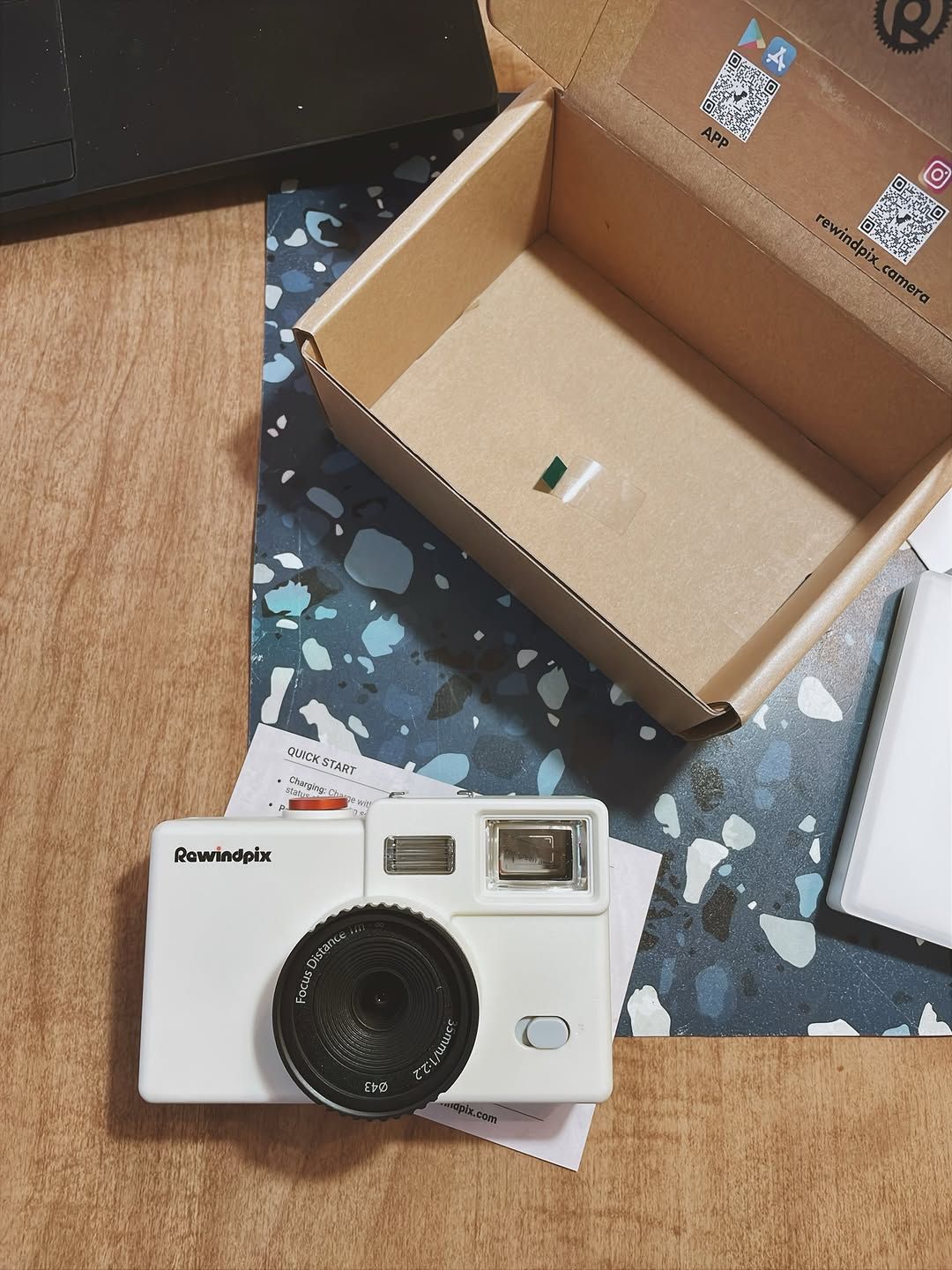
Enter the Rewindpix. It’s a non-disposable digital "film" camera that is trying to save us from our own digital laziness. It doesn't have a screen. It requires you to wind a mechanical lever. And it won't let you see your photos until you’ve "developed" the roll. It’s weird, it’s tactile, and it might be exactly what your creativity needs.
The Digital Fatigue is Real
We live in an era of instant gratification. You take a photo, you look at it, you delete it, you take it again. While that’s great for professional headshots, it’s terrible for the soul. We’ve lost the mystery. We’ve lost that "Christmas morning" feeling of getting a pack of prints back from the lab and realizing you captured something magical by accident.
The Rewindpix is designed to bring that back. It’s built for the person who loves the idea of film but hates the $20-per-roll price tag and the chemicals. It’s for the art enthusiast who wants to focus on storytelling in photography rather than checking their histogram every five seconds.
A Mechanical Soul in a Digital Body
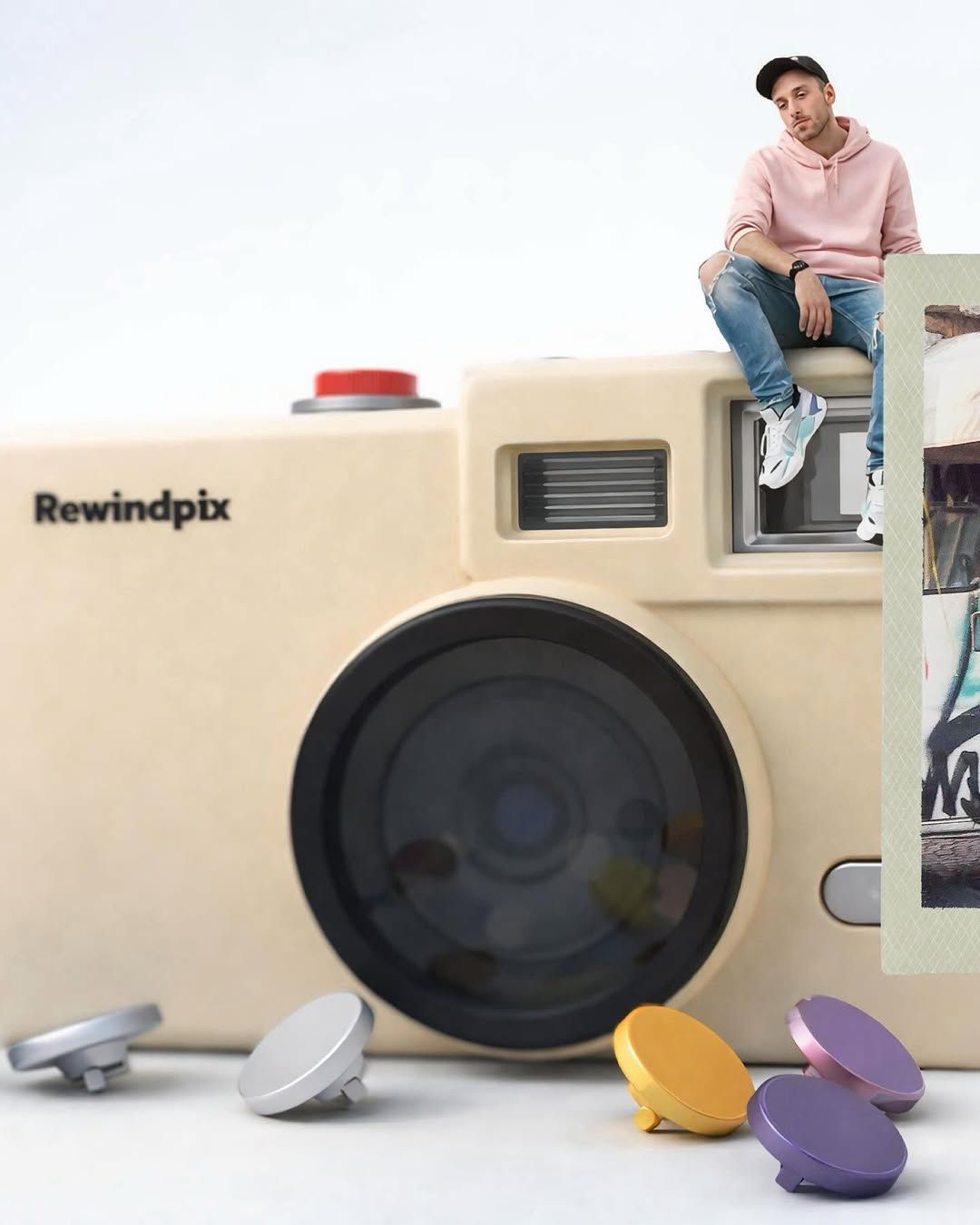
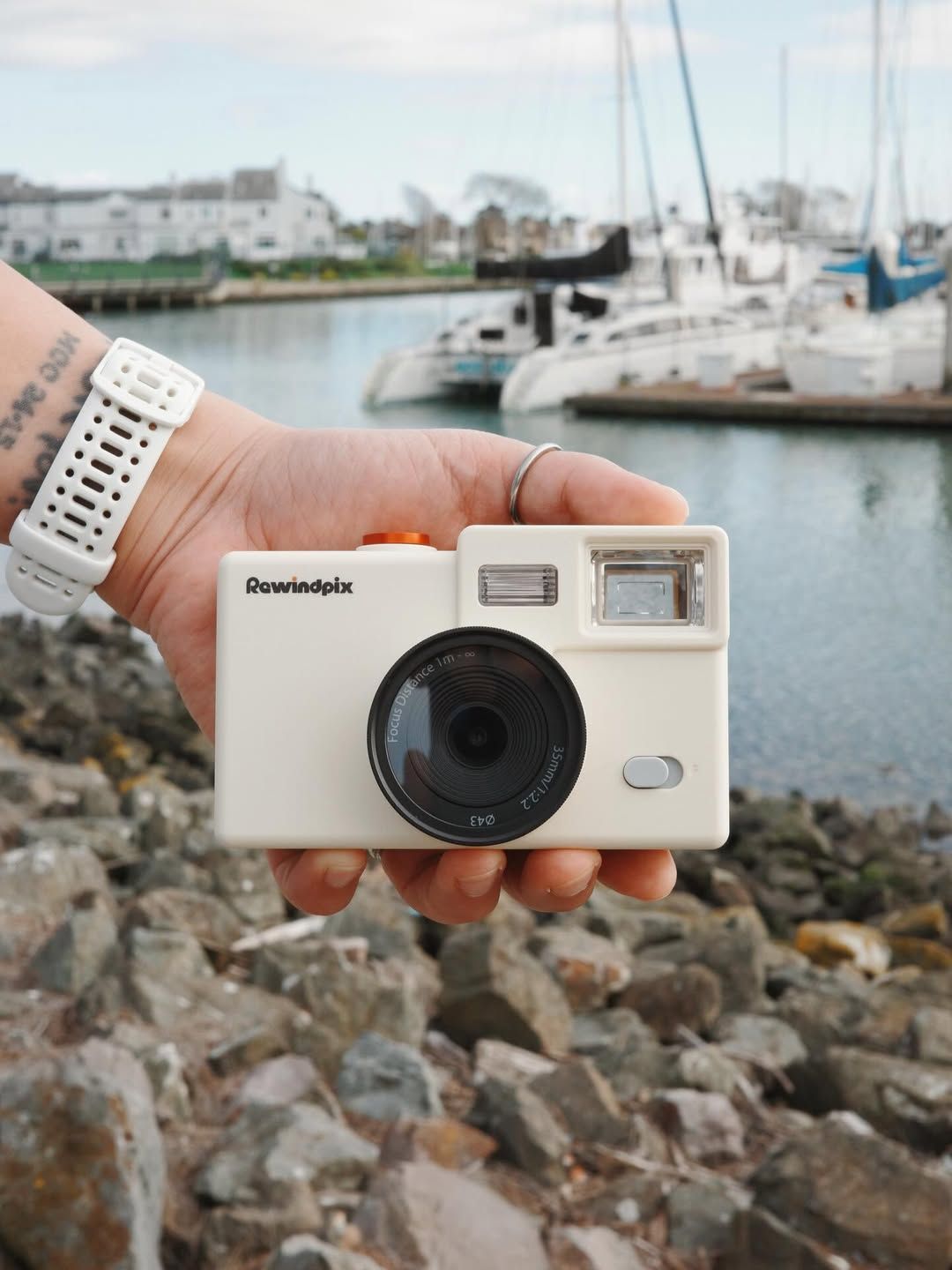
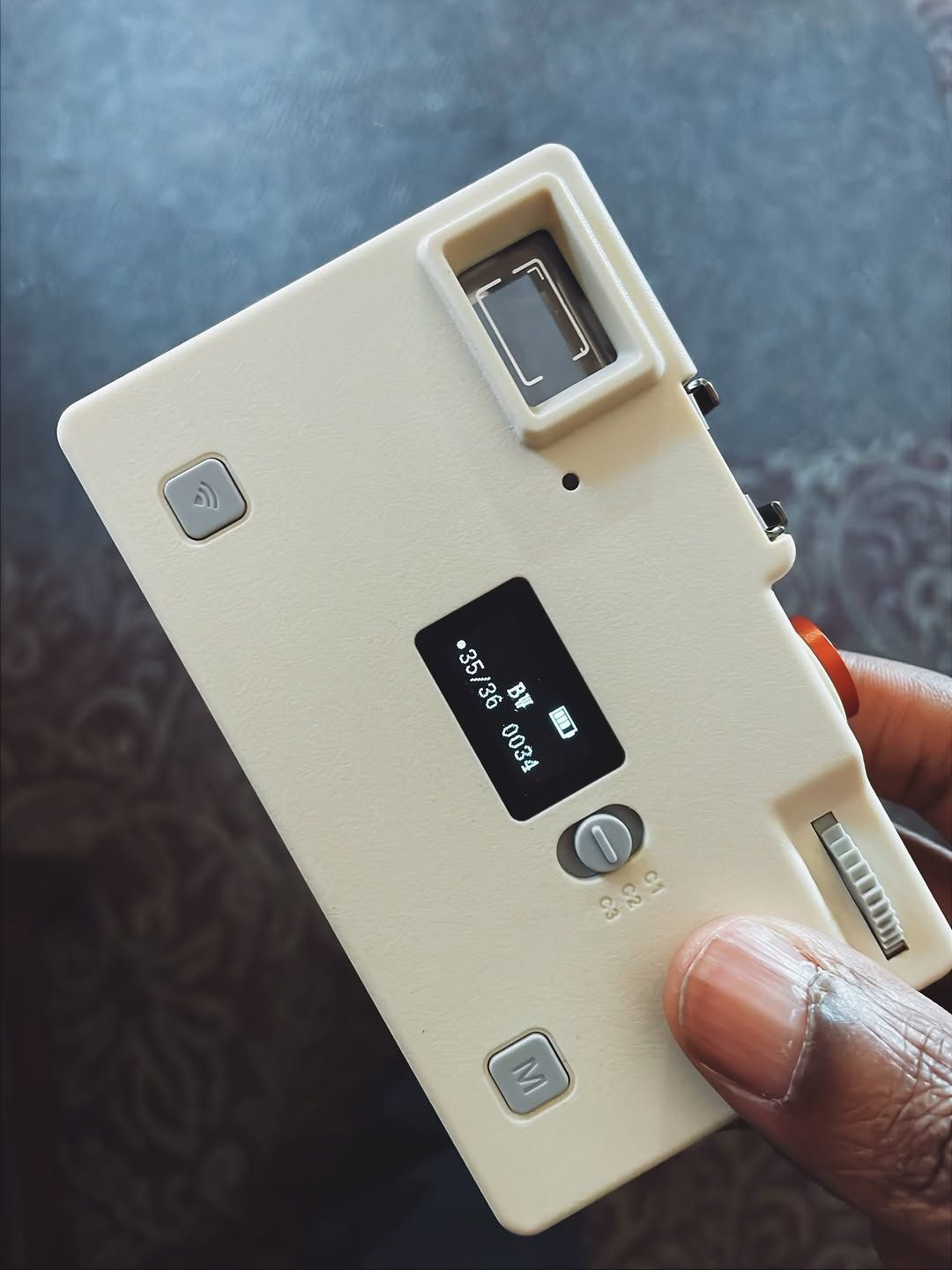
The first thing you’ll notice about the Rewindpix isn't what it has, but what it lacks. There is no 3-inch high-resolution LCD on the back. There are no menus to get lost in. Instead, you get a large, bright optical viewfinder with actual frame lines.
But the real star of the show is the mechanical winder. You know that satisfying click-clack of a vintage Leica or Canon AE-1? Rewindpix recreated that. To turn the camera on, you flick the winder. To prep the next shot, you wind it again. It forces a physical rhythm into your workflow. You can't just spray and pray. You have to think. You have to wind. You have to commit.
I’ve already pinged Sonny, our social media manager, to put together a reel of this thing in action because the sound of that winder is pure ASMR for photographers. Keep an eye out for that on our socials soon!
Breaking the "Chimping" Habit
For the uninitiated, "chimping" is the act of looking at every single photo on the LCD screen immediately after taking it. It kills your momentum. It takes you out of the moment. If you're out exploring hidden gem locations for travel photography, you should be looking at the scenery, not your screen.
The Rewindpix removes the temptation entirely. Because there is no screen, you have to trust your gut. You frame the shot through the optical viewfinder, you press the shutter, and then… nothing. You move on to the next one. This "screen-free" philosophy is about more than just being retro; it’s about being present.
Virtual Film: 36 Shots of Magic
The camera operates on the concept of "virtual rolls." Just like a roll of Kodak Portra or Fujifilm Superia, you get 36 frames. Once you hit 36, you’re done. You "rewind" and sync the camera to the Rewindpix app on your phone to see what you got.
The camera comes loaded with about 30 film-inspired filters that aren't just your basic Instagram presets. They are designed to emulate the grain, color shifts, and quirks of traditional stocks.
There’s a physical switch on the body for C1, C2, and C3. You can pre-load your favorite "rolls" (like a moody monochrome for urban photography or a warm, vintage look for majestic sunset photography) and flip between them on the fly.
The Tech Specs (For the Nerds)
Even though this camera is all about the "feel," the internals aren't a joke. Here is the breakdown:
- Sensor: 13-megapixel CMOS sensor.
- Lens: Fixed f/2.2 lens (great for that shallow-ish depth of field and decent low light).
- Viewfinder: Large optical viewfinder with frame lines.
- Storage: Comes with a 4GB SD card (supports up to 128GB).
- Battery: About 300 shots per charge.
- Extras: Swappable shutter buttons (because aesthetics matter) and a 43mm front filter thread.
One of the coolest features for those of us with "post-processing trust issues" is that the camera saves a completely unfiltered, raw version of every photo to the SD card. So, if you absolutely love a shot but wish you hadn't used that ultra-grainy black and white filter, you can still grab the original file and edit it yourself in a program like Luminar.
Why This Beats Real Film (Sometimes)
Don't get me wrong, I love my Hasselblad. But shooting film in 2026 is an expensive hobby. Between the cost of the rolls and the cost of lab development, you're looking at nearly a dollar a click.
The Rewindpix gives you the behavior of film without the recurring cost. You get the delayed gratification, the tactile winding, and the limited frame count, but you can go out and shoot ten "rolls" in a weekend and it won't cost you a dime. It’s the perfect tool for practicing your composition. If you want to dive deeper into technical guides, I always recommend checking out PhotoGuides.org for some solid background on traditional settings.
It’s also surprisingly great for water photography. While the camera isn't waterproof, its simple operation makes it easy to use when you're focusing on capturing beauty in motion at the beach or a lake.
The "Developing" Experience
So, what happens after you finish your 36 shots? You connect the camera to your phone via Wi-Fi. The Rewindpix app acts as your "digital lab." It processes the images, applies the selected filters, and reveals them to you one by one.
There is something genuinely addictive about this. You might have taken a photo on Friday afternoon that you completely forgot about by Sunday evening. When it finally pops up on your screen, it feels new again. This delay creates an emotional connection to the image that you just don't get when you're staring at a screen 0.2 seconds after the shutter closes.
Who is the Rewindpix For?
This isn't a camera for the person who needs 20 frames per second to shoot sports. It’s not for the professional wedding photographer who needs dual card slots and eye-autofocus.
It is for:
- The Traveler: Who wants to capture the vibe of picturesque coastal escapes without being glued to a screen.
- The Student: Who wants to learn the discipline of film without the financial barrier.
- The Pro: Who is feeling burnt out and needs a "palate cleanser" to remember why they liked photography in the first place.
- The Aesthetic Hunter: Who is looking for rare textures and tangible aesthetics in their work.
Final Thoughts: Should You Buy It?
The Rewindpix is a statement piece. It’s a protest against the "more is more" philosophy of modern tech. It’s simple, it’s witty, and it’s a lot of fun to hold. In a world where every smartphone has a "pro" camera mode that uses AI to fake a soul, the Rewindpix uses mechanics to help you find yours.
If you’re tired of the same old digital grind and want to try something that actually makes you feel like a photographer again, this is it. It’s the closest thing you can get to a vintage film experience without having to smell like developer chemicals.
You can grab the Rewindpix right here and start slowing down your process:
Check out the Rewindpix on Kickstarter
Photography should be about the journey, not just the pixels. Sometimes, to move forward, you have to rewind a little.
Whether you're looking for secluded paradises or just walking around your neighborhood, the Rewindpix will change the way you see the world. And if you decide you need a more traditional setup for your 2026 kit, you can always check our comparison of the best mirrorless cameras. But for the days when you just want to create art? Rewind. Click. Wind. Repeat.