If you feel like the photography world is moving faster than your shutter speed at high noon, you’re not alone. It’s Wednesday, March 18, 2026, and the industry is currently undergoing a massive identity shift. We’ve spent years chasing the sharpest sensors and the most clinical lenses, but the tide is turning. Today’s photography news isn't just about megapixels anymore; it's about vibe, authenticity, and knowing which tools actually help you pay the bills.
Whether you’re a hobbyist or a pro looking to dominate the market, staying informed is half the battle. If you've been wondering why everyone is talking about today's photography news, it’s because the decisions you make this year regarding gear and style will define your portfolio for the next decade.
The Big Shift: Authenticity Over Perfection
For the longest time, the goal of commercial photography was "perfection." We wanted skin to look like plastic, skies to look like paintings, and every shadow to be lifted. But in 2026, we’re seeing a massive backlash against the hyper-polished look.
The trend for this year is a return to retro and vintage aesthetics. We’re talking about film grain, motion blur, and natural lighting that doesn't look like it was staged in a lab. People are craving images that feel human. This is why many creators are looking back at using rare textures for tangible aesthetic photography to give their digital shots a physical, raw feel.
This move toward authenticity is also a response to the rise of AI. As AI images become indistinguishable from reality, photographers are doubling down on the "flaws" that prove a human was behind the lens. Intentional lens flare, imperfect framing, and raw storytelling are the new gold standard.
Gear News: The Lens is the New Body
If you’ve been waiting for a revolutionary new camera body to drop this month, you might be waiting a while. The truth is, camera body development has plateaued. Most mirrorless bodies released in the last two years are so good that the average user can't even max out their potential. This is why the conversation at CP+ 2026 has shifted entirely to the lens ecosystem.
The big news from the show floor involves "The Glass Race." Manufacturers are no longer just making "good" lenses; they are making "character" lenses.
The Latest Glass Releases
- Sigma 85mm f/1.2 DG | Art: This lens completes Sigma’s f/1.2 prime trilogy. It’s heavy, it’s expensive, but the bokeh is creamy enough to make a grown photographer cry.
- Nikon Z 70-200mm f/2.8 VR S II: Nikon has redesigned its workhorse. It’s lighter and focuses faster, making it a top contender if you’re trying to figure out how to choose the best mirrorless camera for 2026 and the glass to go with it.
- Tamron 35-100mm f/2.8: A versatile range that’s quickly becoming a favorite for event photographers who hate switching lenses.
Does new gear actually make you a better photographer? It’s a debate we have every morning. But in 2026, the answer is more about ergonomics and specific "looks" than it is about resolution. If you’re curious about our take, check out does new camera gear really matter in 2026.
Software Updates: AI as a Partner, Not a Replacement
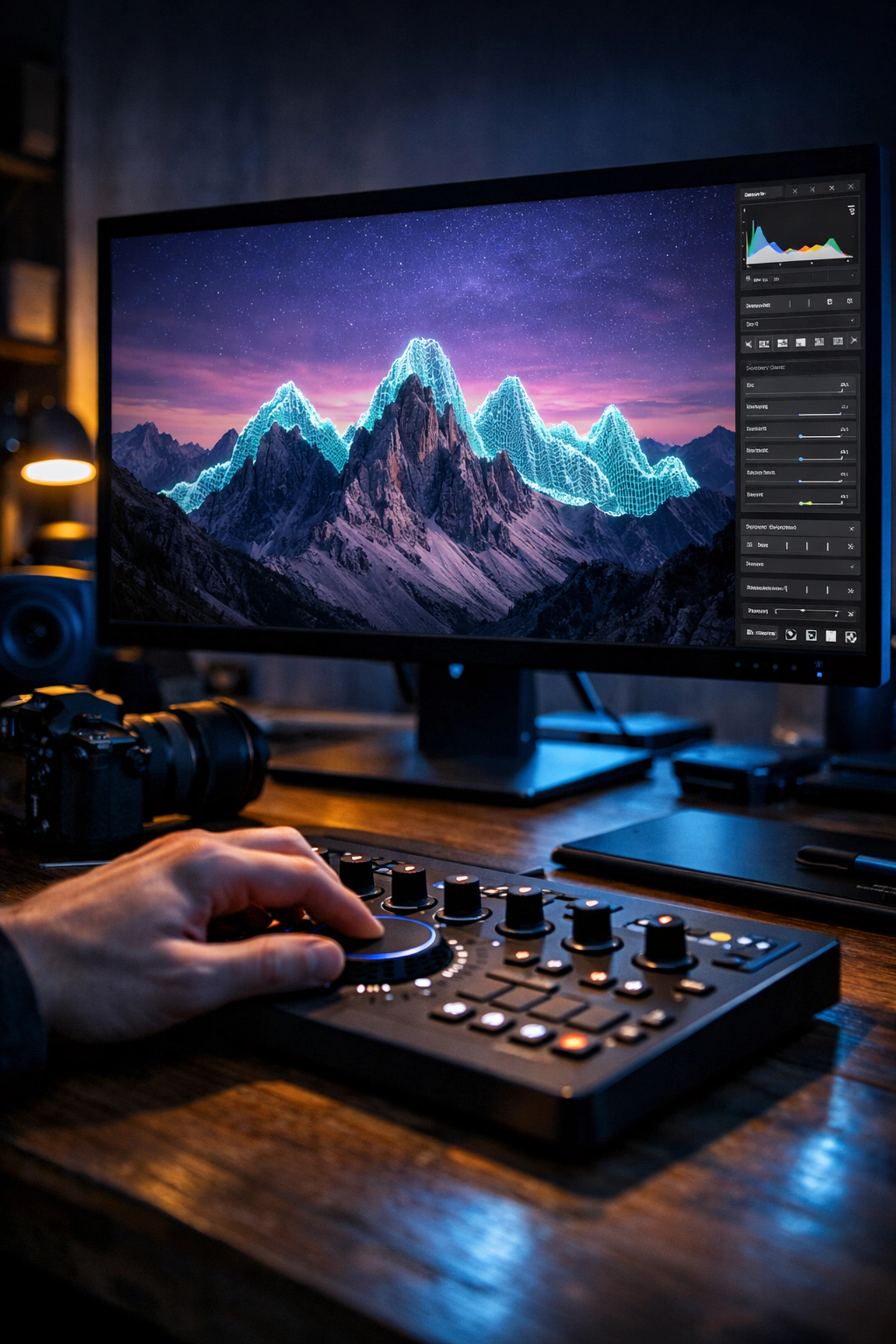
Software is where the real magic (and controversy) is happening right now. The biggest player in the game continues to be Luminar. Their recent 2026 updates focus on "assistive" AI rather than "generative" AI.
The goal now is to speed up the boring stuff: like masking a complex skyline or cleaning up sensor dust: so you can spend more time on the creative side. Photographers are using Luminar to enhance natural textures and manage light in a way that feels organic.
We’re also seeing a rise in "Hybrid Editing." This is where you use AI to handle the technical heavy lifting but apply manual color grading to keep that human touch. If you’re just starting out, mastering these tools is just as important as knowing how to master your camera's manual mode in 5 minutes.
The Film Photography Revival of 2026
If you told someone five years ago that we’d be seeing a surge in new film stocks in 2026, they would have laughed. Yet, here we are. The analog revival isn't just a hipster trend anymore; it’s a legitimate market segment.
Lucky Film recently released the C400 color negative film, which has been flying off the shelves. Fujifilm is keeping the dream alive with Superia Premium 400, and Kodak has restructured its distribution to make consumer film stocks more accessible. Even VSCO has jumped back into the desktop game, releasing presets that perfectly emulate these specific stocks for those who want the look without the lab fees.
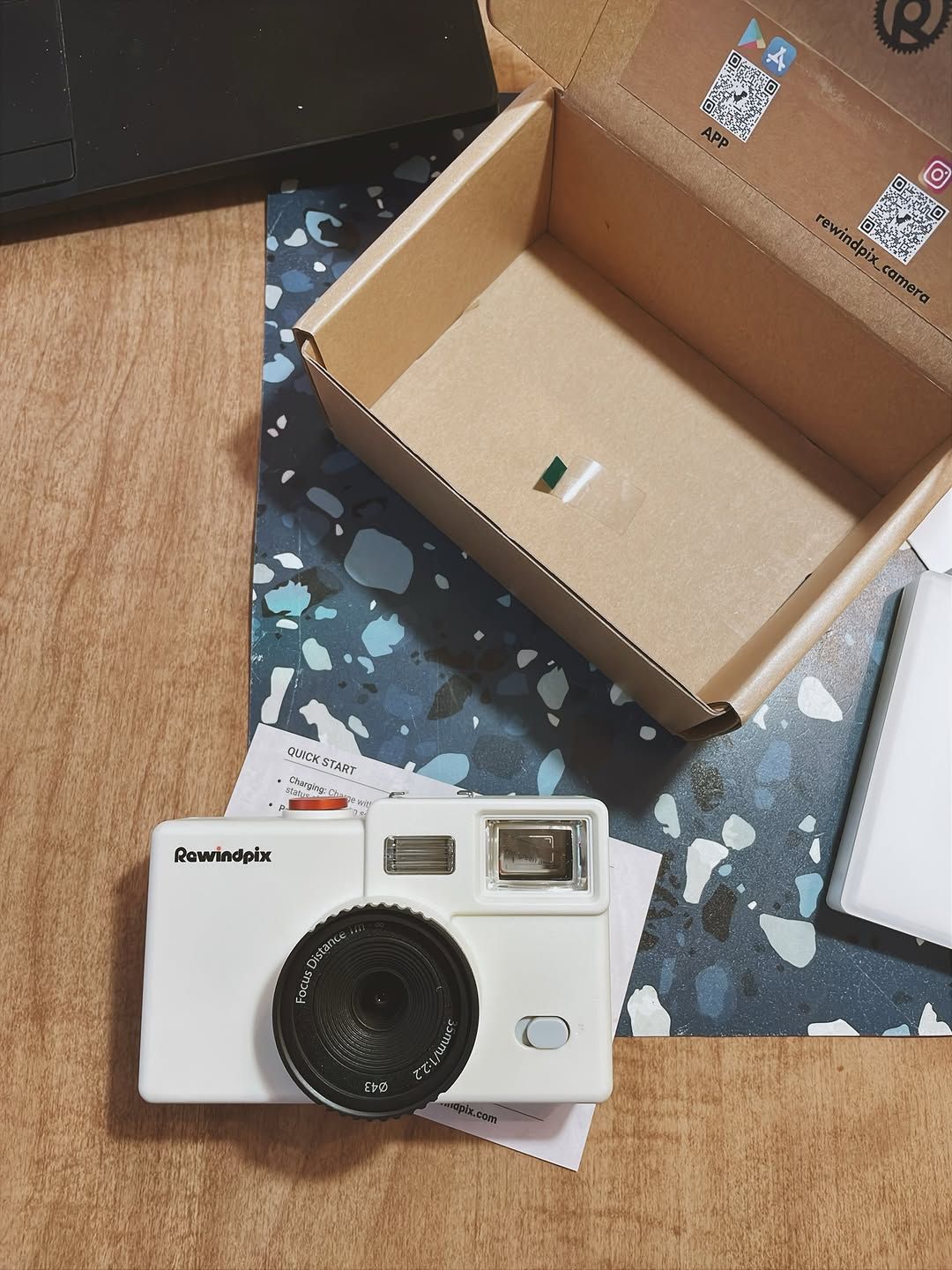
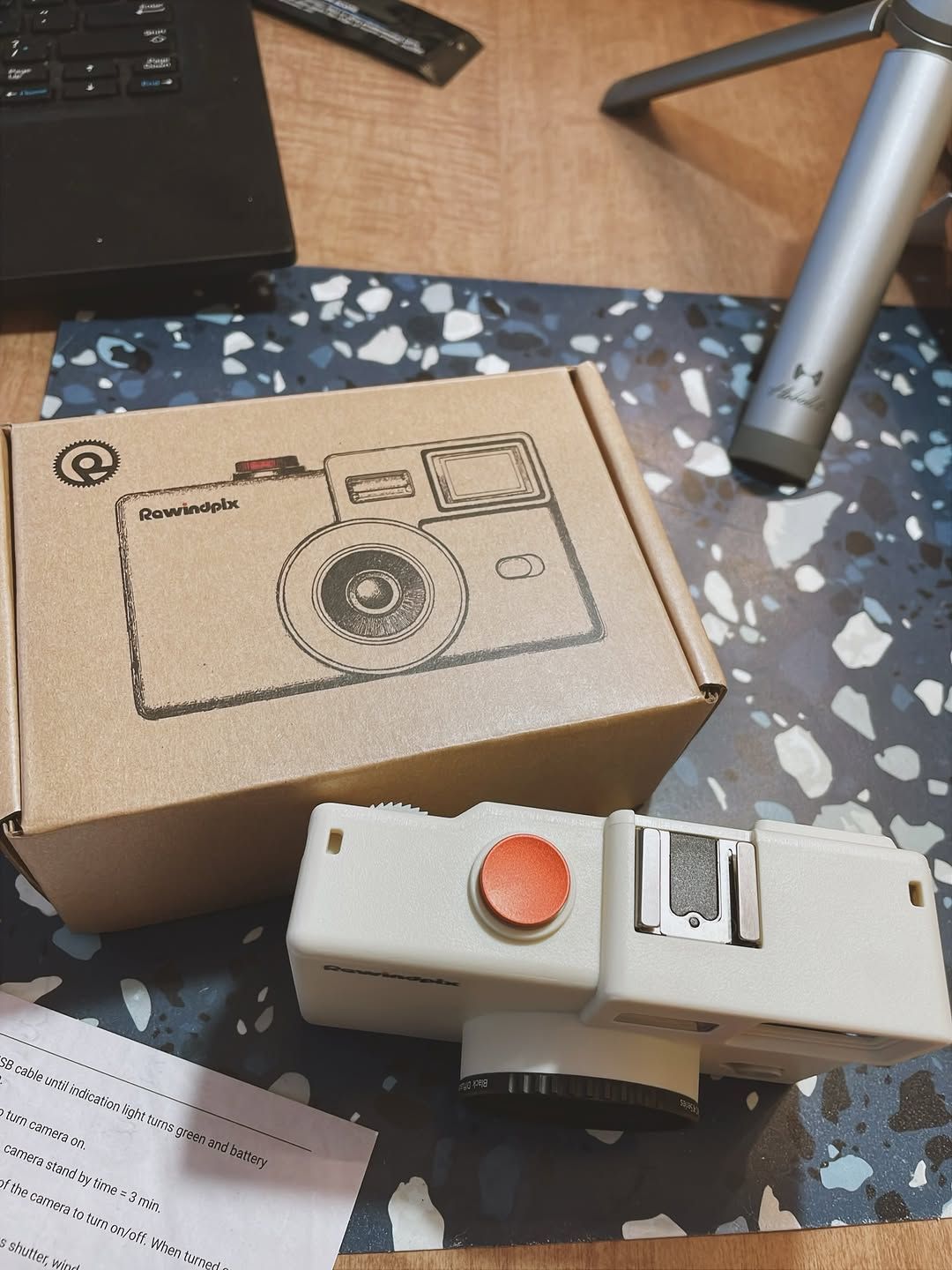
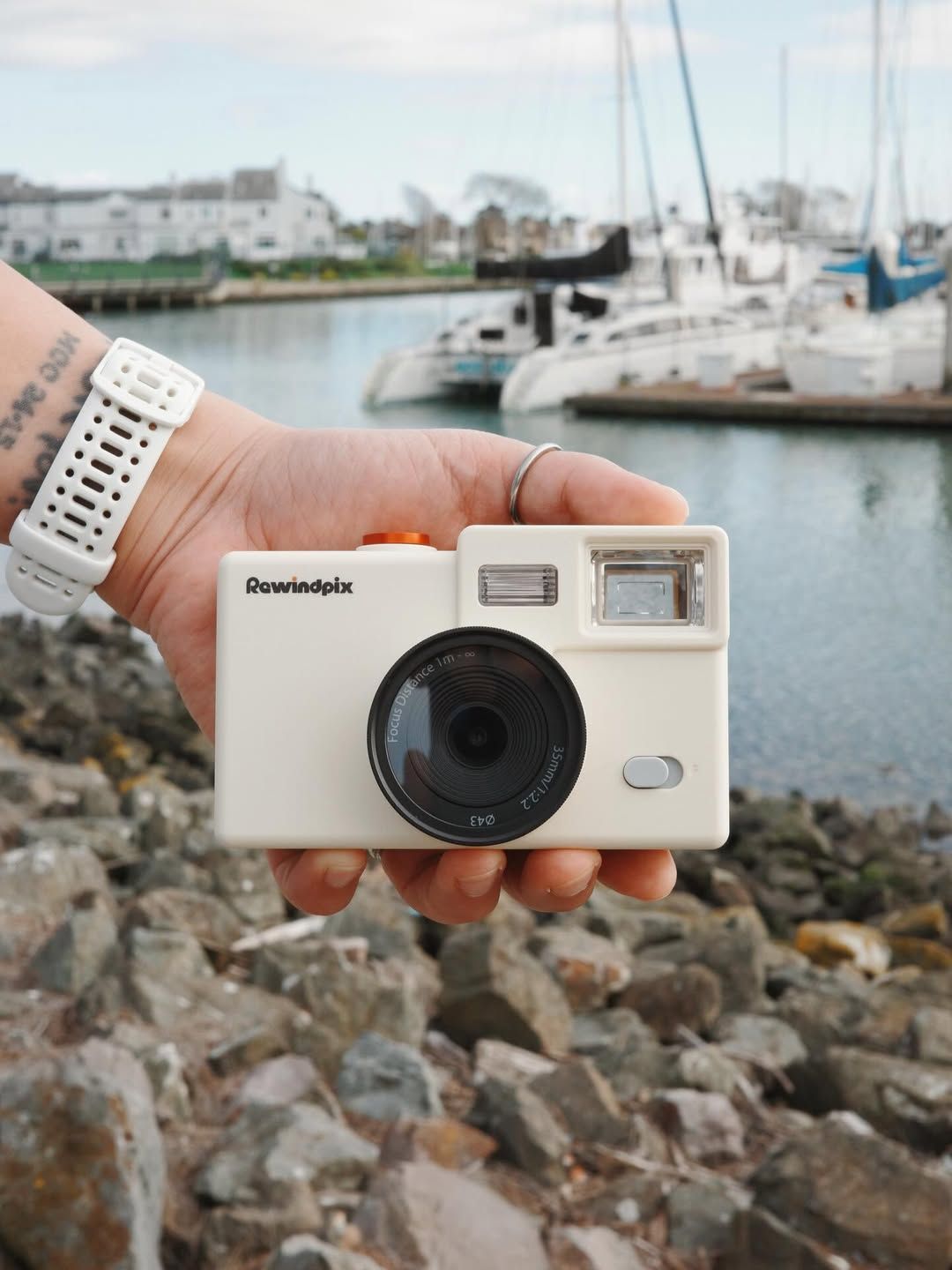
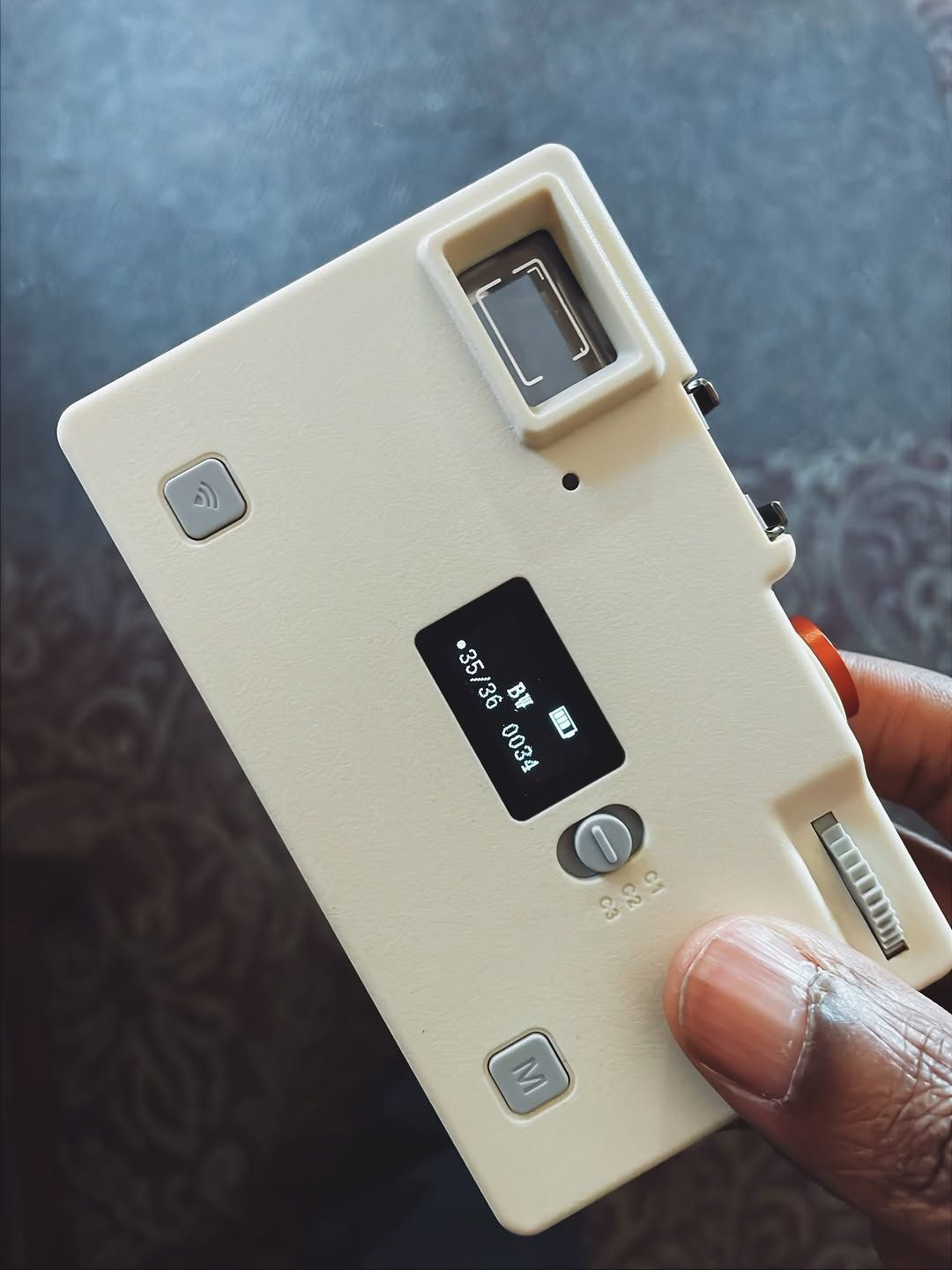
There’s something about the tactile nature of film that digital can’t quite replicate. It forces you to slow down. If you’re tired of shooting 2,000 photos a day and liking none of them, maybe it’s time to pick up a roll of film or a minimalist digital camera that mimics the experience.
Travel Photography: Finding the "Hidden" in a Geo-Tagged World
One of the hardest parts of being a travel photographer in 2026 is finding somewhere that hasn't been photographed to death. Everyone knows the famous spots, but the real value today lies in finding hidden gems for stunning travel photography.
We are seeing a shift away from "trophy hunting": where you go to a spot just to get the same photo as everyone else: and toward discovery. Photographers are now seeking out secluded paradises to enhance their photography portfolio.
Whether it’s picturesque coastal escapes or ethereal landscapes, the modern traveler wants to see something they haven't scrolled past a thousand times on social media.
Mastering Specific Elements: Water and Light
As part of today’s photography news, we’re seeing a massive interest in niche mastery. Generalists are struggling, but specialists are thriving. One of the most popular niches right now is water photography.
Capturing beauty in motion requires a specific set of skills. From mastering water photography in any environment to understanding the techniques for stunning water photography, this niche is booming because it's difficult to fake with AI. The physics of water moving against light is incredibly complex, making it a great way to show off your actual skills.
Whether you're shooting top spots for majestic sunset photography or exploring creative approaches from lakes to oceans, focusing on how light interacts with elements like water or urban environments is key to standing out.
The Business of Photography: How to Succeed in 2026
Let’s talk money. The photographic services market is expected to reach $44.27 billion by 2030. That’s a lot of room for growth, but the money is shifting.
Where the Money Is:
- E-commerce Product Photography: With the rise of boutique online brands, high-quality, high-volume product shots are in massive demand.
- Visual Branding & Storytelling: Companies don’t just want a headshot; they want a narrative. They want photos that tell the story of their brand.
- Virtual and Remote Shoots: Surprisingly, the remote photoshoot trend hasn't died. It has evolved into a high-end service for international clients.
If you’re looking to turn your passion into a career, check out resources like PhotoGuides.org or the professional network at www.proshoot.io. These platforms are essential for staying connected with the industry's business side.
Avoiding Common Pitfalls
Even with the best gear and the latest news, it’s easy to fail if you’re making the same old mistakes. Landscape photography, in particular, is a minefield for beginners. If you find your shots are looking a bit flat, you might be making one of the 7 mistakes you’re making with landscape photography.
Success in this industry isn't just about what you do; it's about what you stop doing. Stop chasing every single trend. Stop thinking a new camera will fix your composition. Instead, focus on the fundamentals and use the news as a guide to where the market is moving.
What's Next?
The photography world in 2026 is a blend of high-tech AI and low-tech analog. It’s a strange, exciting time to be holding a camera. The key to succeeding is balance. Use Luminar to save time, invest in high-quality glass like the new Sigma primes, and never lose sight of the "why" behind your photos.
Keep an eye on industry leaders and personal blogs like blog.edinchavez.com for deeper dives into the creative process. If you want to see how these trends translate into fine art, www.edinfineart.com and www.edinstudios.com are great places for inspiration.
Stay curious, keep shooting, and don't let the gear get in the way of the story. The news is just information; what you do with it is the art.