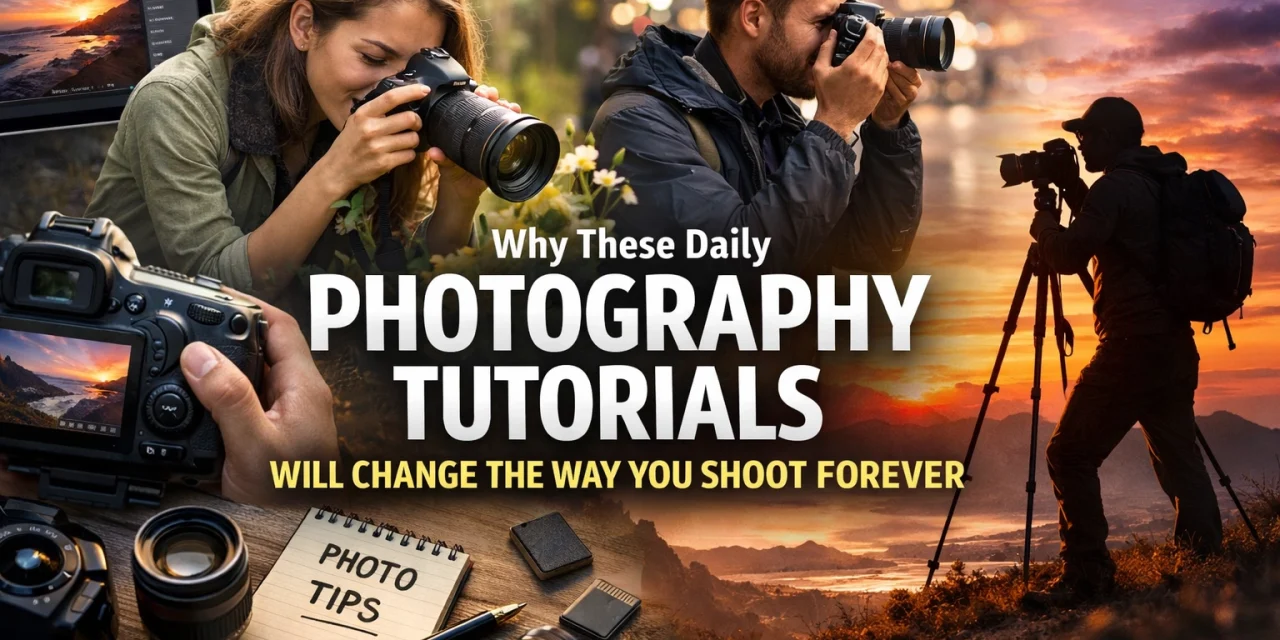
Let’s be honest for a second. You probably have a camera sitting on your shelf that costs more than your first car, yet you’re still shooting on "Auto." Or maybe you’ve graduated to "Program" mode, but the photos still don't look like the ones you see on Instagram or in galleries. It’s frustrating, right? You have the gear, you have the passion, but there’s a gap between what you see and what your sensor captures.
At Shut Your Aperture, we believe that photography isn't some mystical gift bestowed upon a lucky few by the gods of light. It’s a skill. And like any skill: whether it’s playing the guitar or cooking a decent steak: it requires consistent practice. That’s why we’ve built a system around daily photography tutorials. We’re not talking about those dry, three-hour university lectures that make you want to nap. We’re talking about actionable, bite-sized, and deep-dive lessons that turn you into a pro, one day at a time.
Why Daily Learning Beats "Binge-Watching"
We live in a world of Netflix binges. We think we can watch twenty hours of YouTube tutorials on a Saturday and wake up on Sunday as the next Ansel Adams. Spoiler alert: it doesn't work that way.
Learning photography is about muscle memory and "seeing." When you engage with photography tutorials every single day, you’re training your brain to recognize light, composition, and moments before they even happen. It’s the difference between knowing how a camera works and actually being a photographer.
By visiting Shut Your Aperture daily, you’re immersing yourself in the craft. You’re staying updated on the latest photography news and slowly building a foundation that won't crumble when you're out in the field.
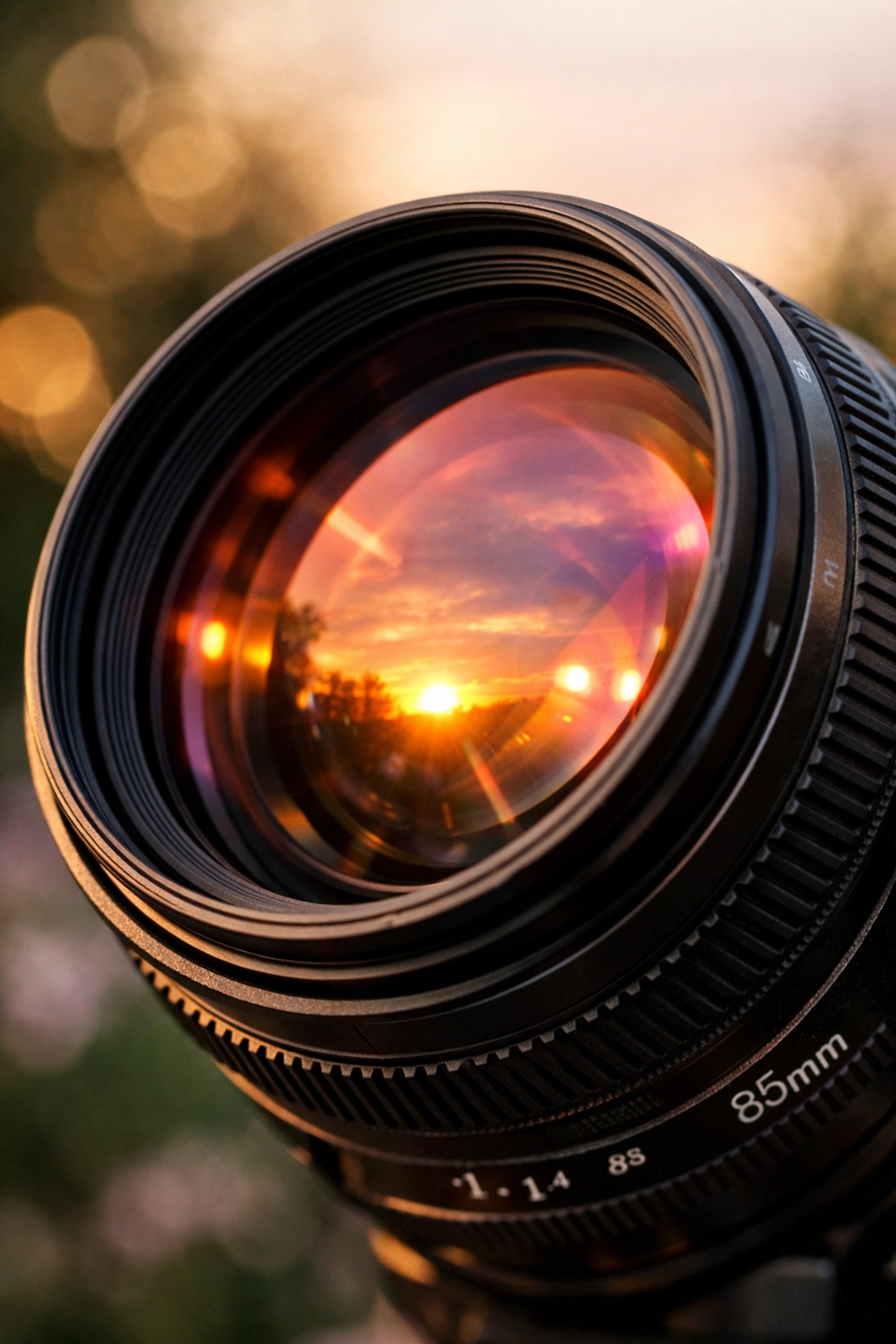
Alt text: A close-up of a professional camera lens with golden hour light reflecting off the glass, symbolizing the clarity gained through daily photography practice.
Master the Beast: How to Use Manual Mode Camera
If there is one thing that separates the amateurs from the pros, it’s the "M" on the dial. Manual mode is the boogeyman of the photography world. It’s scary, it’s confusing, and it has a habit of making your photos look like a black hole or a nuclear explosion if you get it wrong.
But here’s the secret: learning how to use manual mode camera is actually incredibly simple once you break it down into the exposure triangle: Aperture, Shutter Speed, and ISO.
- Aperture: This is your depth of field. Do you want that blurry, creamy background (bokeh) for a portrait? Open it up (lower f-number).
- Shutter Speed: This is how you handle motion. Want to freeze a bird in flight? High shutter speed. Want that silky water look in a waterfall? Slow it down.
- ISO: This is your camera’s sensitivity to light. Use it sparingly to avoid "noise" or grain.
If you’re tired of guessing, you need to check out our Manual Mode 101 guide. It’s the fastest way to stop letting the camera make the decisions for you. When you master manual mode, you aren't just taking a picture; you’re creating an image.
The Evolution of the Craft: AI and Mirrorless Tech
It’s 2026, and the photography landscape has changed more in the last three years than it did in the previous thirty. We’re seeing AI-integrated mirrorless cameras that can track a subject’s eye through a forest of trees or predict where a car is going to be in a frame.
Some purists hate it. We love it. Why? Because these tools remove the technical barriers and let you focus on the art. But: and this is a big but: you still need to understand the fundamentals. An AI camera can focus for you, but it can’t tell a compelling story. Our tutorials at Shut Your Aperture bridge that gap, showing you how to use high-tech gear with an old-school soul. You can also find great gear insights over at proshoot.io to see what the pros are using these days.
From Landscapes to Portraits: Diversifying Your Portfolio
A great photographer is a versatile photographer. If you only know how to shoot one thing, you’re going to get bored, and your work will get stale.
Landscape Mastery
Landscape photography is about patience. It’s about being in the right place at 5:00 AM when the light is just hitting the peaks. If you want to level up your outdoor game, check out the fastest way to get better at landscape photography. It’s not just about the gear; it’s about understanding the land. You might even find inspiration in the fine art prints at edinfineart.com.
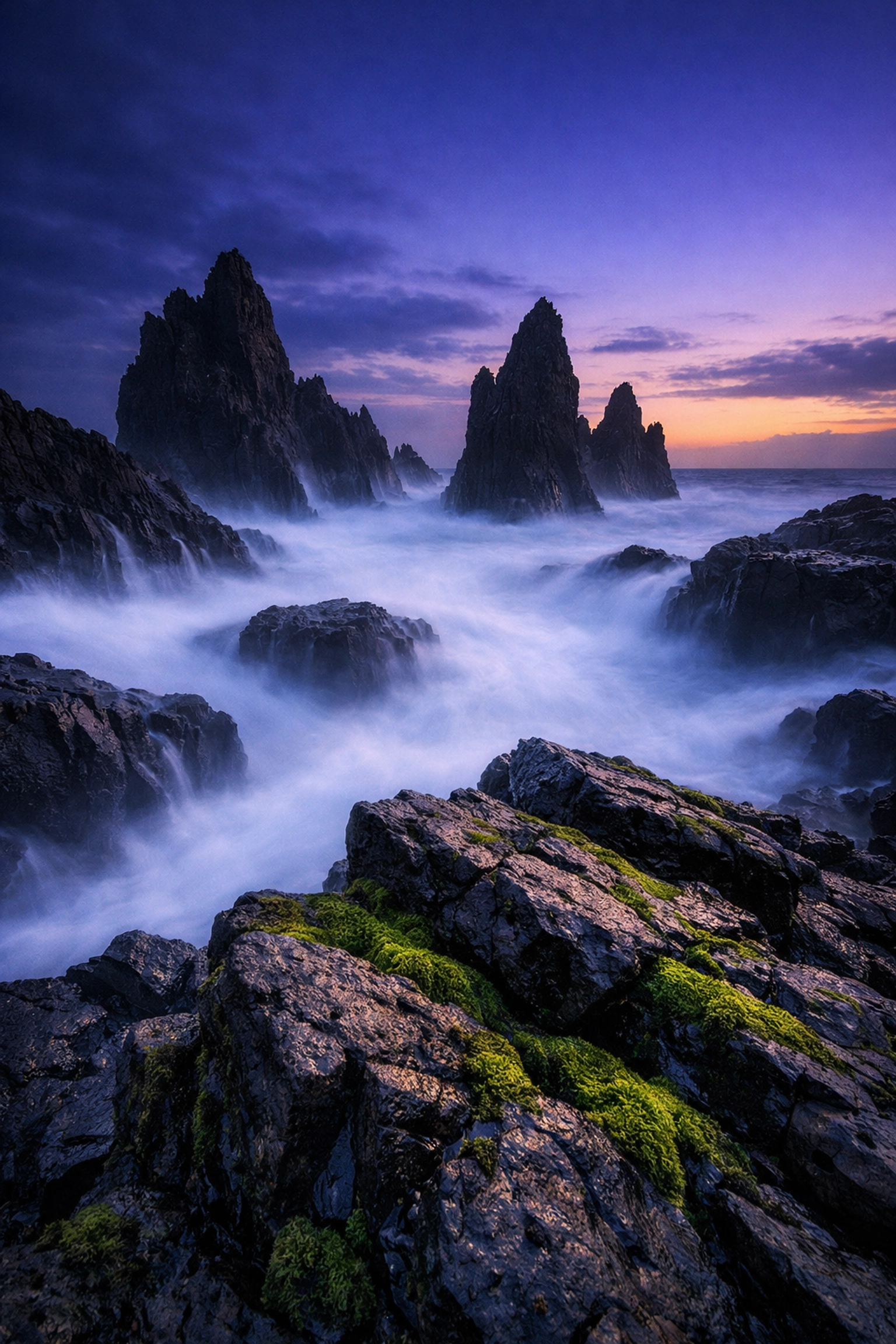
Alt text: A stunning long-exposure landscape photo of a rugged coastline at twilight, demonstrating advanced composition and lighting techniques.
The Art of the Portrait
People are the most difficult subjects because they move, they talk, and they have insecurities. Learning how to direct a subject and use light to flatter their features is a game-changer. Whether you’re doing a 5-minute portrait or a high-end fashion shoot, the principles of light remain the same.
Food and Macro
Sometimes the best subjects are right in your kitchen. Food photography requires a specific set of skills: mostly involving making things look delicious even when they’re cold. And if you want to go really small, macro photography (like shooting moths) opens up a whole new world.
The Power of Post-Processing
Taking the photo is only half the battle. The other half happens at your computer. In the digital age, "straight out of the camera" is a myth. Every professional photo you see has been touched by some form of editing.
One of our favorite tools for making images pop without spending hours in a dark room is Luminar. It uses AI to handle the tedious stuff: like sky replacement or skin retouching: so you can focus on the creative color grading.
Of course, for those who want total control, Photoshop is still king. Learning how to make colors come to life in Photoshop is a core part of our curriculum. If you’re looking for more specialized editing guides, PhotoGuides.org is another fantastic resource we highly recommend.
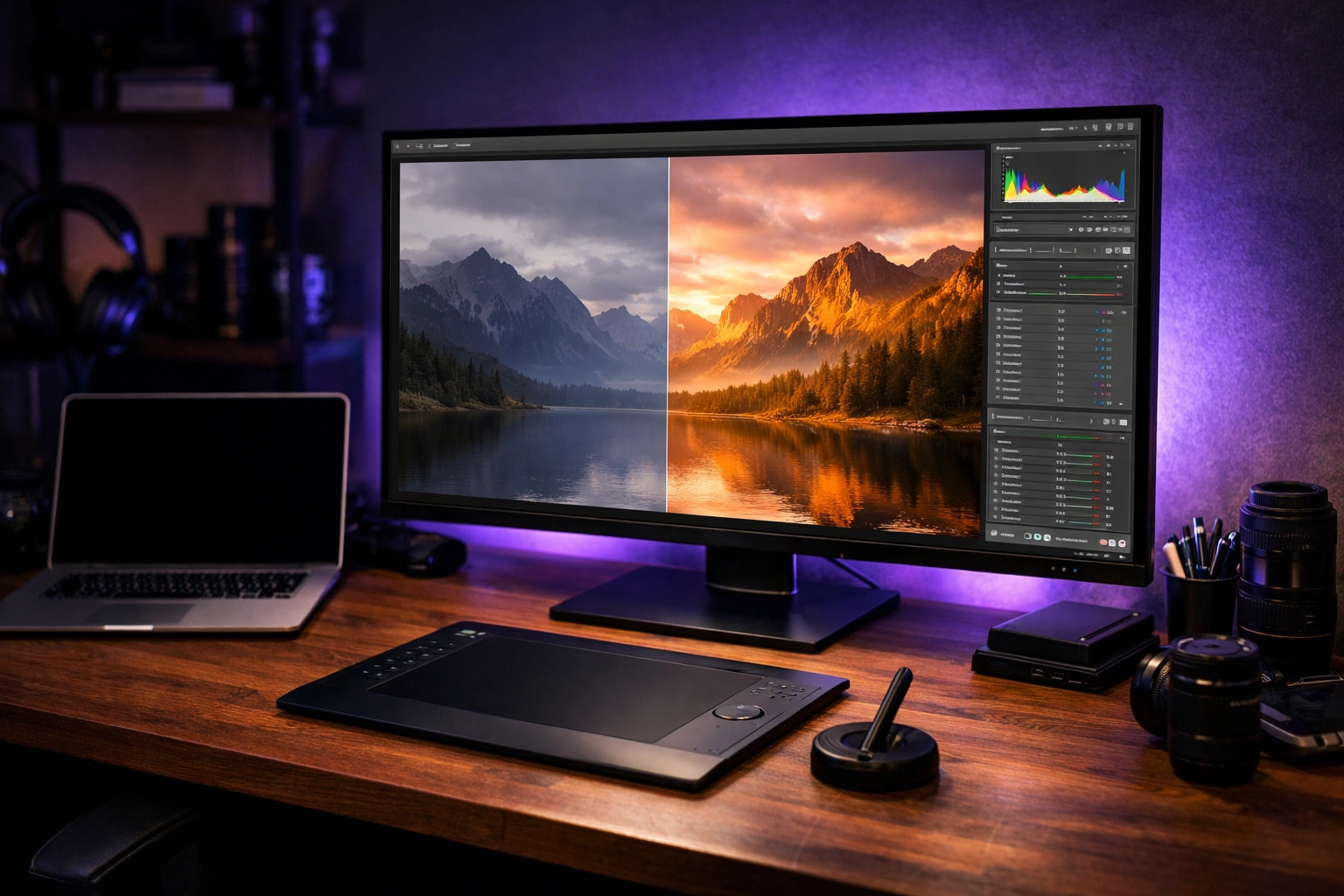
Alt text: A split-screen comparison showing a raw photography file on the left and a professionally edited version on the right using Luminar AI.
Shut Your Aperture: The Number One Photography School Online
Why are we so confident? Because we live and breathe this stuff. Edin Chavez and the team at Shut Your Aperture aren't just "content creators." We’re working photographers. We’ve been in the trenches, from high-stakes commercial shoots at edinstudios.com to personal projects that explore the human condition, like what do you see when you look in the mirror.
Our goal is to make Shut Your Aperture the definitive resource for anyone with a camera. We offer the ultimate guide to photography tutorials because we want you to succeed. We don’t just want you to take "nice" pictures; we want you to create work that stops people in their tracks.
Staying Current in a Fast-Paced Industry
The gear changes. The software updates. The trends shift. If you aren't staying informed, you’re falling behind. We make it easy with our daily updates, like today’s photography news explained in under 3 minutes.
Whether it's a deep dive into Hasselblad systems or a look at 10 photography trends you should know, we keep our finger on the pulse so you don't have to. For even more behind-the-scenes content and personal essays from Edin, be sure to visit blog.edinchavez.com.
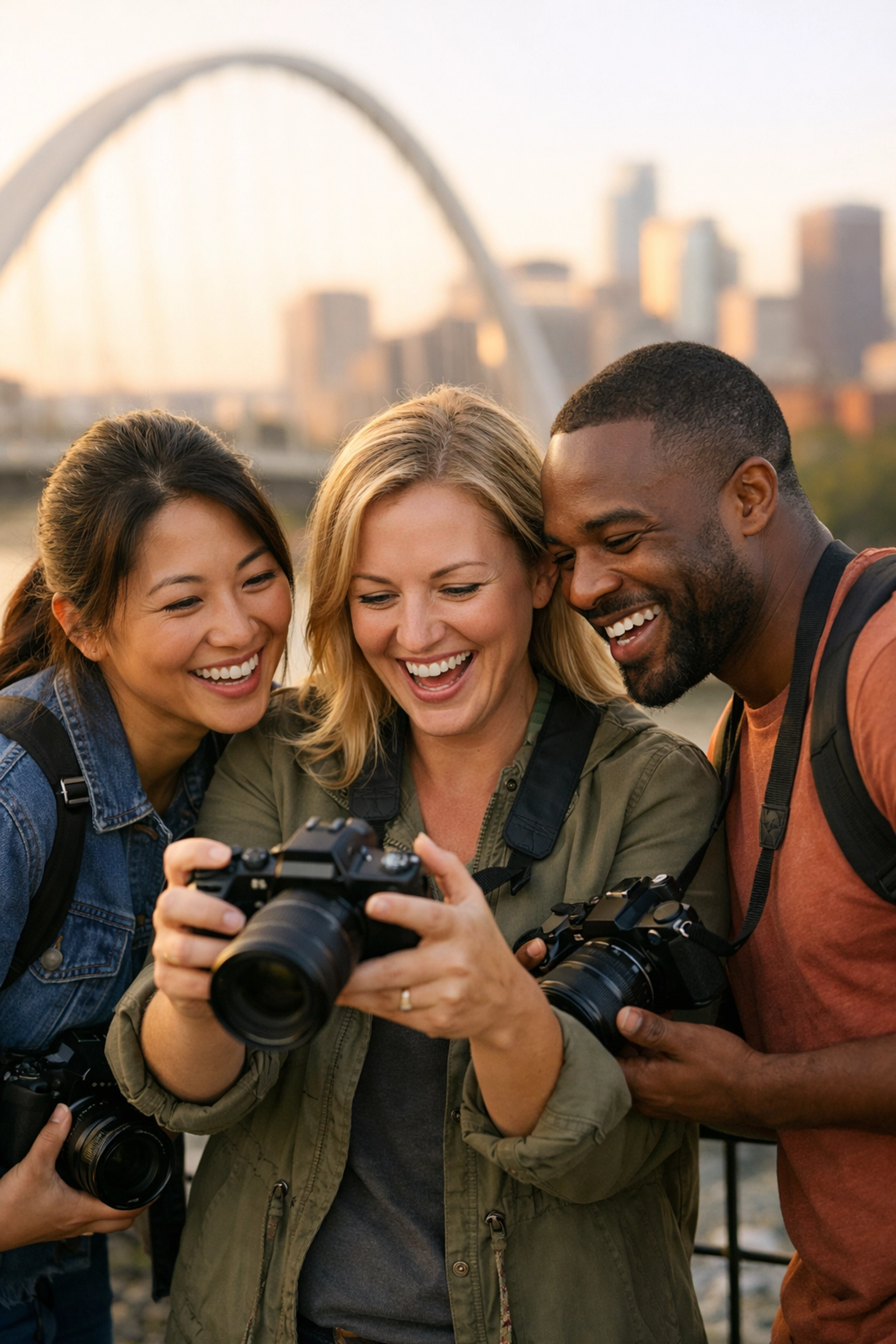
Alt text: A diverse group of photographers in an outdoor workshop setting, illustrating the community and educational focus of Shut Your Aperture.
The Journey of a Thousand Frames
There’s a famous saying: "Your first 10,000 photographs are your worst." Thanks to digital photography, that number is probably closer to 50,000 now. The point is, you have to get through the "bad" photos to get to the "good" ones.
Daily tutorials give you the excuse to pick up your camera every single day. They give you a mission. One day, you might be learning about innuendo in photography, and the next, you’re watching a 180-second shoot with Chase Jarvis.
This consistency builds a bridge over what we call "the gap." The gap is that space where your taste is excellent, but your skills aren't quite there yet to match it. The only way to close that gap is through the work.
Photography as Therapy and Connection
It’s not all about technical settings and gear. Photography has a way of helping people through the darkest times. Take a look at Kevin Young’s road to recovery through photography. It’s a powerful reminder that the camera is more than a tool: it’s a way of processing the world.
When you look through the viewfinder, you’re making a choice. You’re choosing what to include and what to exclude. You’re choosing what matters. That’s a big responsibility, and it’s why we’re so passionate about teaching you how to do it right.
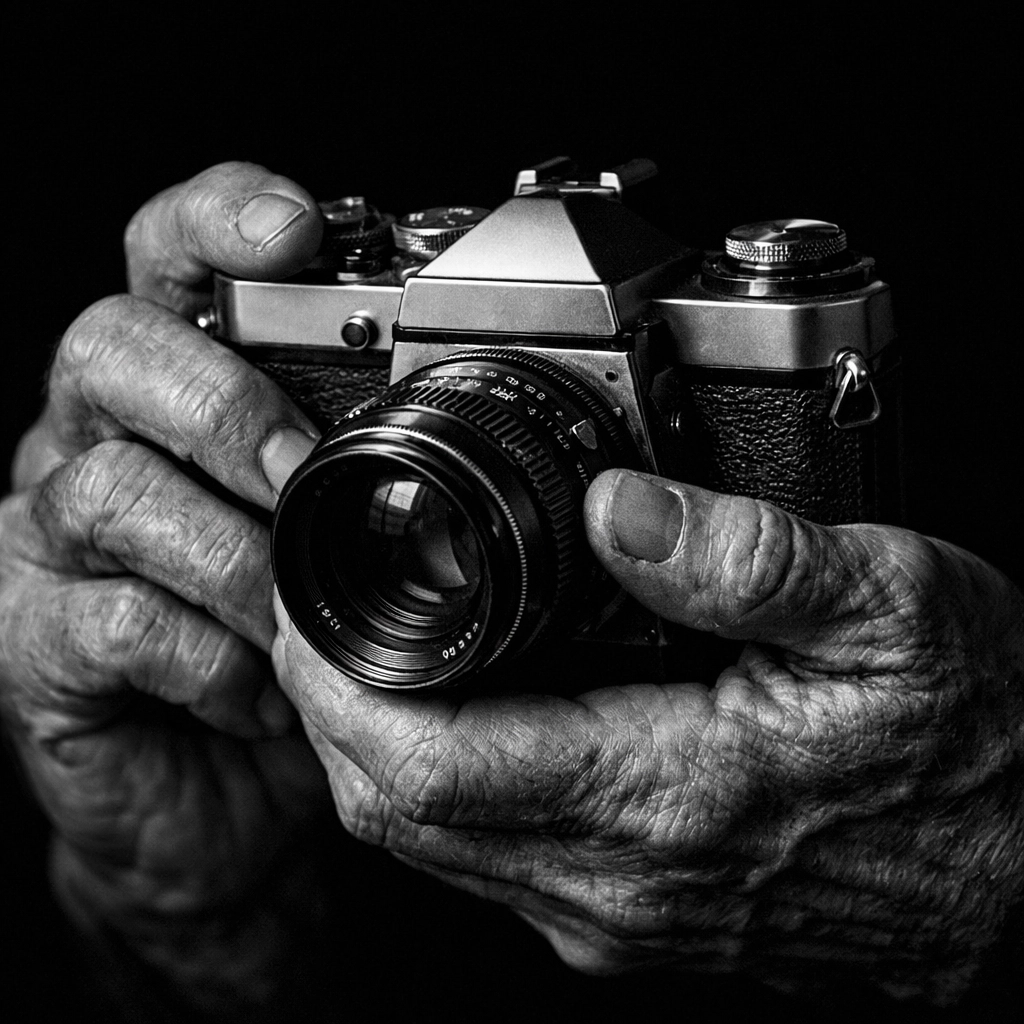
Alt text: A minimalist, high-contrast black and white portrait that emphasizes emotion and shadow, showcasing the power of photography as a medium for storytelling.
Conclusion: Start Your Transformation Today
You don't need a new camera. You don't need a fancy studio. You just need the willingness to learn and the discipline to show up every day.
Our photography tutorials are designed to meet you where you are. Whether you’re trying to figure out how to use manual mode camera for the first time or you’re looking for advanced lighting techniques to boost your professional career, we’ve got your back.
Stop scrolling and start shooting. Check out our latest tutorials, join our community, and let’s turn that "Auto" dial to "M" once and for all. Your future self: the one with the incredible portfolio: will thank you.
Visit Shut Your Aperture every day for your daily dose of inspiration and education. Let's make 2026 the year you finally master your craft.