Updated November 2026. Original film note and credits retained below. Historical context, credited illustrations and photography study exercises follow.
Eye of the Storm is Henry Jun Wah Lee / Evosia’s 2014 Iceland time-lapse of winter storms and aurora. The original Vimeo version still identifies the film and creator; the source post also lists an Evosia Studios YouTube version. The score, “The Eye of the Storm,” is credited to Shaun Diaz. Production credits in the original description name Kessler Crane and Glacier Rental Car as sponsors and thank photographer Thorvardur Arnason. These are original-film credits, not an endorsement or a promise of current workshops.
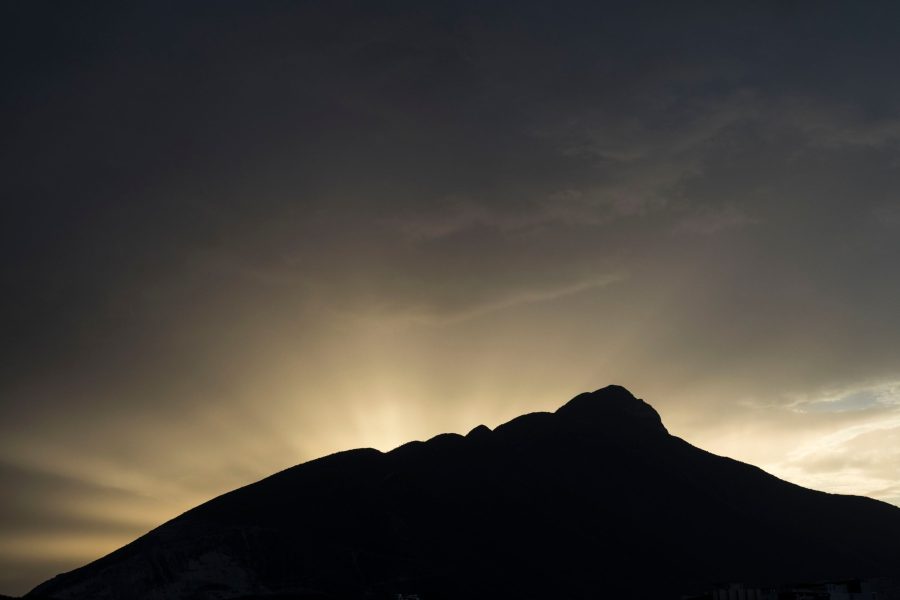
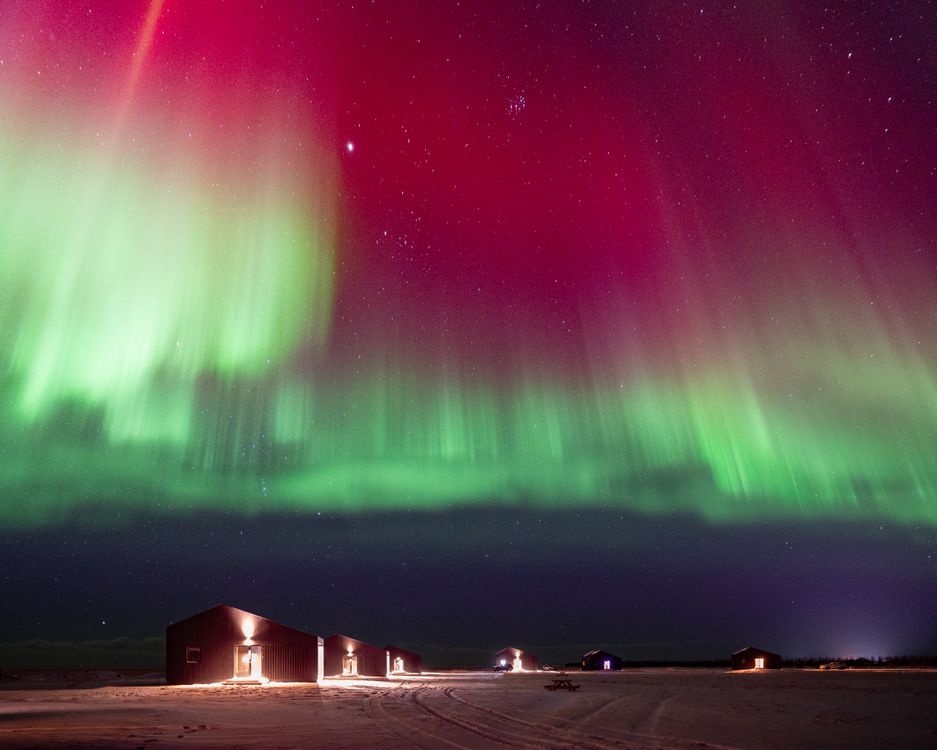
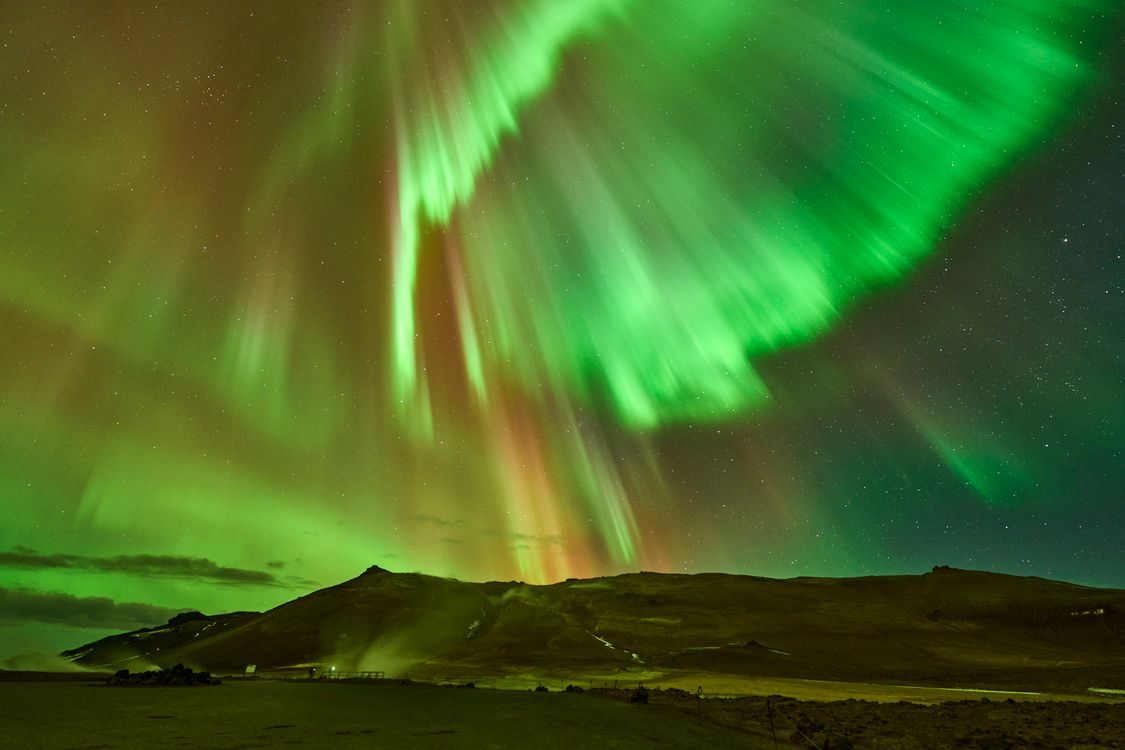
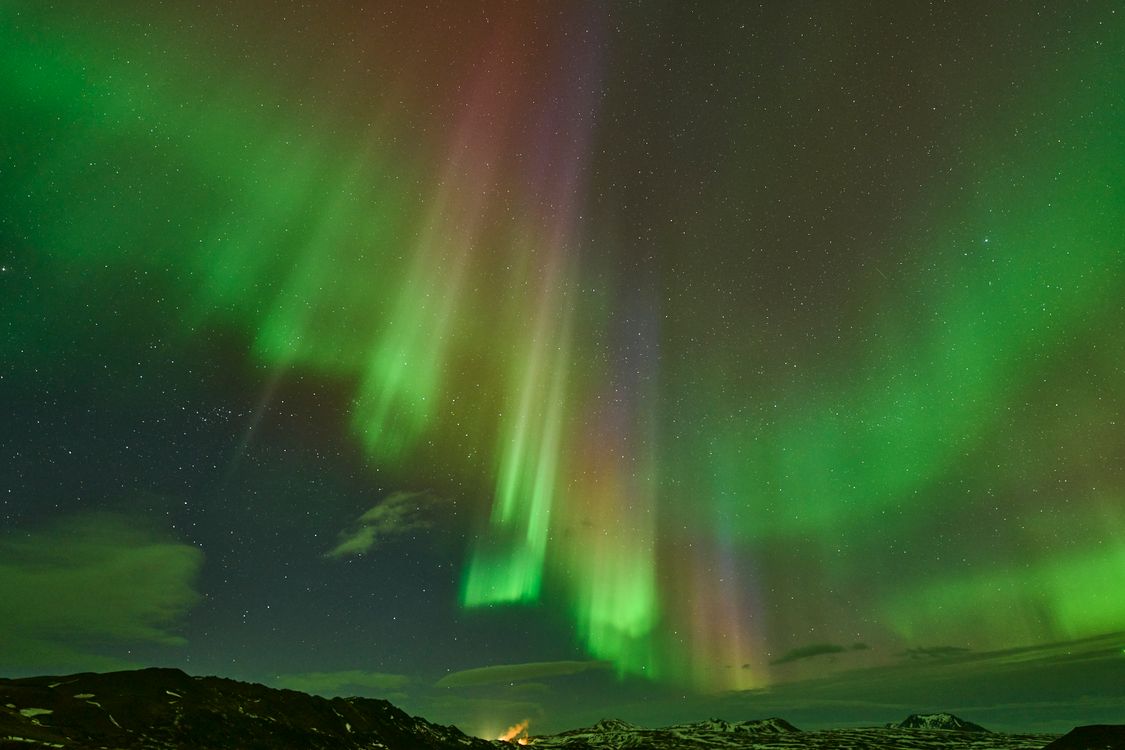
Header photograph: Mathias Sogorski via Pexels. Illustrative Iceland night scene, not a frame from Eye of the Storm or a photograph by Henry Jun Wah Lee. The five photographs below are separate credited stock images.
Eye of the Storm: an Iceland film about change
Eye of the Storm is a landscape time-lapse film by Henry Jun Wah Lee of Evosia Studios. It brings together Icelandic winter weather, changing terrain and the northern lights in a short visual account of a place in motion. The archive note above preserves the film source and production credits. This expanded article adds context from contemporary coverage and a set of viewing and photography exercises. It is not a first-hand account of the shoot, a review of a workshop, or a claim that the added photographs were part of Lee’s production.
Laughing Squid’s April 2014 coverage dates the filming to February and March 2014 and describes storms as a thread through the work. PetaPixel’s contemporary report gives a sixteen-day production period and quotes Lee on the importance of place, timing and weather. Those accounts are useful historical sources, but they do not turn a 2014 production into a current travel plan. Conditions, access and the filmmaker’s present services need separate checks.
 Save
Read the production history without copying the risk
PetaPixel reports that Lee spent nights in a sleeping bag in the back of a four-wheel-drive rental car while working in Iceland. That is a detail of this production, not an accommodation or safety recommendation. A film can make difficult conditions look inviting because the viewer sees the selected result rather than the full experience. Do not read the finished images as proof that a route is safe, a car is suitable for a particular road, or an exposed place is a sensible overnight stop. Build your own plans around current conditions and your abilities.
The sources describe unusually memorable aurora activity during Lee’s trip. Keep that observation in its historical setting rather than using it to promise a repeat performance. A film records what its maker was able to select from a particular period. It does not guarantee that another visitor will see the same colors, sky or intensity. This distinction matters before buying a tour or planning a long night outside. Admiration for the film and realistic expectations about a future outing can coexist without diminishing either experience.
Watch once for the landscape, then for the edit
On a first viewing, make a small list of the subjects that hold your attention. You might notice a broad sky, a ridge, a reflection or a change in weather. On a second viewing, ask how those subjects connect. Does a dark shape lead into another dark shape? Does a wide scene make a later detail easier to understand? Does a quiet image create space before a busier one? These are viewing prompts, not claims about a private editing plan. Write what you can see before trying to explain what the filmmaker must have intended.
Try the same method with a short sequence of your own still photographs. Choose a small theme such as water meeting snow, or a change from cloud to clear sky. Put only a few pictures in order and ask whether each one adds something. A collection of attractive views does not automatically become a coherent sequence. You may find that removing a favorite frame makes the whole group clearer. That is a useful discovery to make before spending another evening collecting more material that repeats what you already have.
 Save
Separate photographed color from naked-eye expectations
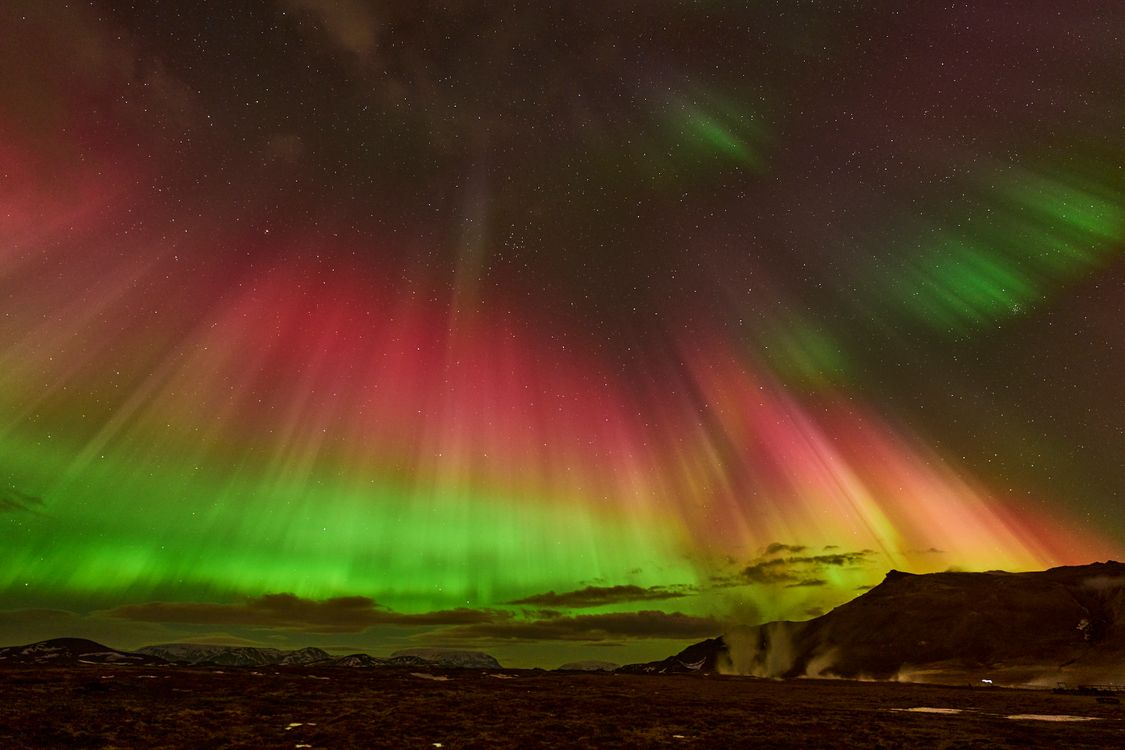
The National Park Service’s Denali aurora guide explains that long exposures can make the aurora appear brighter and reveal colors differently from human vision in darkness. It also notes that time-lapse can exaggerate apparent movement. This is general viewing context, not an accusation about any particular film. A photograph and an unaided view are different experiences. Avoid promising that a visitor will see exactly what a published photograph shows, especially when the camera settings and processing decisions for that photograph are unknown.
Use the distinction as a helpful captioning habit. If you share your own night photographs, explain when a sequence is time-lapse rather than real-time video. Keep your original files and shoot notes so that you can describe your process accurately later. There is no need to defend a photograph by pretending that it duplicates human vision. Equally, a bright published image is not evidence that the scene was equally bright to everyone who stood there. Clear labels help viewers enjoy the work without carrying the wrong expectation into their own trip.
Start with one stable composition
For a first practice sequence, choose a safe viewpoint and keep the camera still. A fixed composition makes it easier to understand what changes within the scene. Look at the frame edges before beginning: a clipped ridge, a bright distraction or an awkward strip of foreground may become more distracting when repeated across a sequence. Make a few still photographs and compare them at a useful size. A technically successful time-lapse can still be visually weak if the starting composition gives the viewer no clear place to look.
Decide how much of the frame the sky needs before committing to a long run. If the sky is the subject, a narrow strip of land may be enough to establish scale. If a mountain and its reflection are the subject, the balance can be different. There is no universal ratio to copy from a film. The point of the still-photo test is to make a deliberate choice while the camera can still be moved. Do that test from a permitted, stable position rather than moving closer to water, ice or an unprotected edge for a slightly cleaner frame.
 Save
Use a test sequence instead of borrowed settings
The historical sources linked here do not supply a complete exposure recipe for every shot in Eye of the Storm. Do not fill that gap with a supposed exact setting. For your own exercise, use your camera’s manual and begin with a short test that you can inspect before continuing. Check focus, framing, brightness and whether the subject’s movement reads clearly. A setting copied from another camera or another night is only a starting hypothesis. Keep notes about what you changed so that the next test is a comparison rather than another guess.
Record the interval, number of images and intended playback rate in your notes. Keep those ideas separate: the time between photographs is not the duration of the finished clip. When reviewing a test, ask whether the motion feels understandable, whether the frame stays stable and whether brightness changes distract from the subject. Change one decision at a time where possible. Our time-lapse article is another starting point for the planning process, but your camera manual and the result of your own test remain important.
Treat a dark foreground as a choice, not a defect
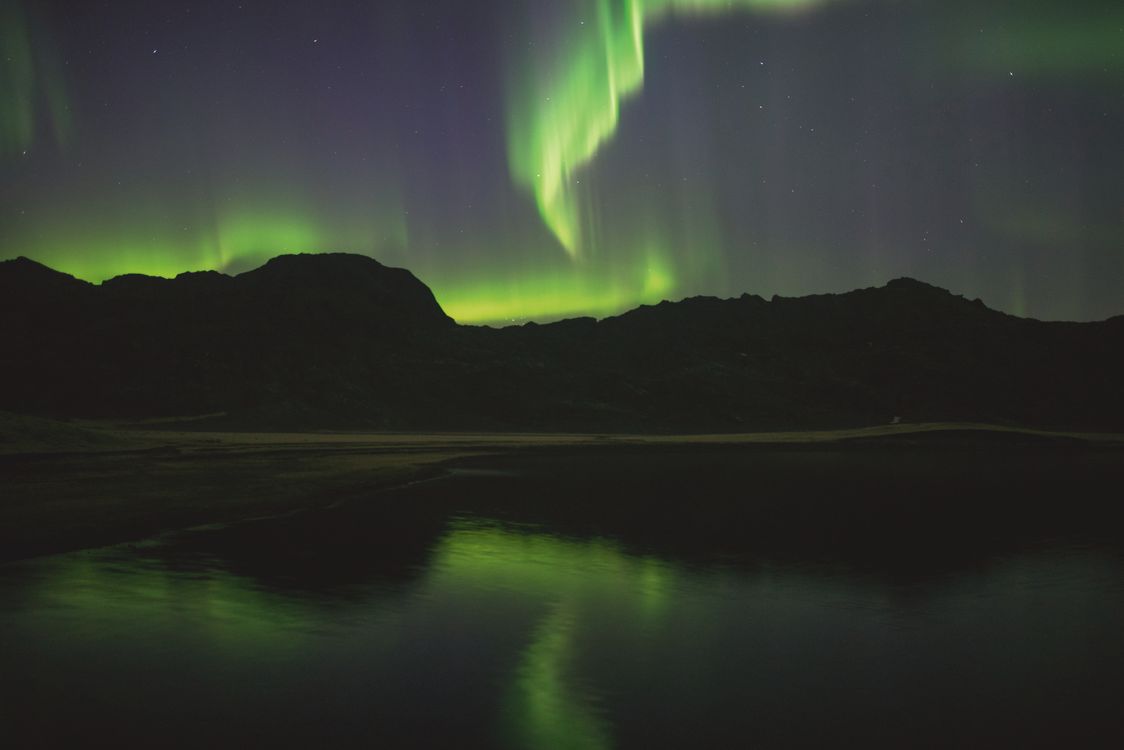
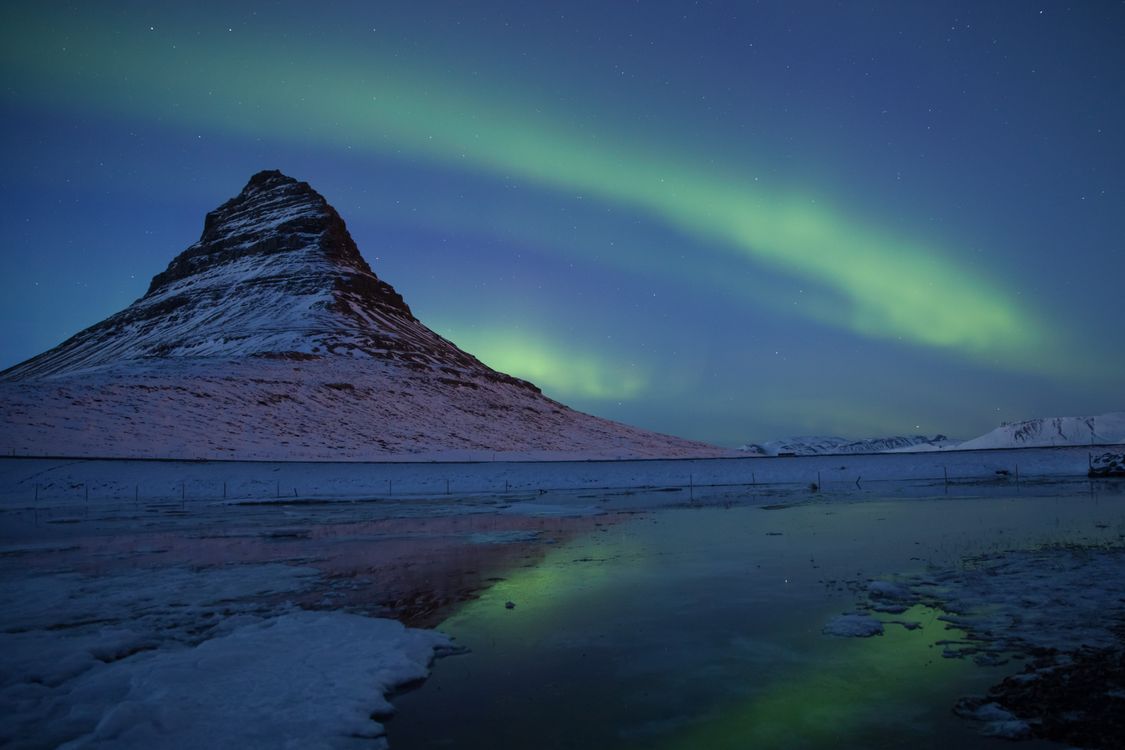
The illustrative night photographs on this page offer a useful exercise in shape. Some land forms are readable mainly as silhouettes, while others show snow, water or reflections. Compare how those choices affect your attention. A dark foreground can give the sky a clear base without requiring detail in every corner. On another frame, a reflection may carry much of the picture. These are observations about the added photographs, not evidence of how Lee exposed his film. Keep that distinction in mind when using a still image to discuss a moving work.
Before deciding to brighten everything in an edit, make two modest versions and compare the result. In one, let the foreground remain quieter; in the other, reveal a little more. Ask which version has a clearer subject rather than which one contains the most visible information. Keep the original file untouched and make your experiments on copies. A restrained edit is a useful option, but it is not a moral rule. The practical goal is to make a deliberate picture and describe significant creative choices honestly when they matter to the audience.
 Save
Plan the night around safe access
Iceland’s SafeTravel northern-lights guidance says to use designated parking and never stop in the road or an unsafe roadside position for the lights. It also warns against stepping into the street to photograph. This is a practical limit, not an obstacle to work around. A spectacular sky does not make you or your vehicle easier for drivers to see. Choose a location with a safe place to park and a permitted place to stand, and be willing to leave a photograph unmade when those conditions are absent.
The same guidance recommends warm layers, a charged phone, food and warm drinks, and a separate headlamp or flashlight for unfamiliar ground. It calls for checking weather and road conditions because they can change quickly. Use the official guidance for current planning rather than a decade-old film description. Do not turn a photograph of snow or a frozen surface into permission to walk onto it. Stay within marked access and local advice, and choose a different subject when darkness prevents you from judging the ground safely.
A winter route needs its own decision
SafeTravel’s winter-driving page says that a four-wheel-drive vehicle does not eliminate the risk of skidding on ice. It advises flexible plans and being prepared to change or cancel travel when conditions become unsafe. That is particularly relevant when a film’s production story mentions a four-wheel-drive rental. The vehicle description is not a safety guarantee. A planned photography stop should be dropped if reaching it requires conditions or driving skills beyond what you can manage safely.
Keep the return journey in the plan. Decide where you can wait safely, what would make you turn back and when the outing ends, before becoming absorbed in a long sequence. Fatigue and disappointment are poor reasons to extend a drive in worsening weather. A quieter photograph near a suitable base can be a better result than a dramatic destination reached through an unsuitable journey. The film is inspiration for observation and editing, not a route to reproduce at any cost or a challenge to match the maker’s working conditions.
Gear note: an optional lens warmer, not a complete kit
One optional accessory to investigate is the Neewer HW-17B USB Lens Heater Warmer (400mm/16 inches). B&H listed it in stock for $23.99 on November 8, 2026. We have not used it. This is a separately suggested accessory, not equipment credited to Henry Jun Wah Lee, and it is not a camera weatherproofing system. Check the manufacturer’s fit, power and operating instructions for your exact lens and setup before buying or using it. It does not make unsafe weather safe, and price and stock can change.
 Save
Edit weather into a story without inventing continuity
A sequence can create a strong impression of change even when its images were made in different places or at different times. For your own work, keep enough notes to know which is which. Do not imply that separate nights form one continuous event if that distinction matters to the story you are telling. You can make an expressive short film while being clear that it is a collection from a trip. Accuracy in the description leaves room for creative editing without asking the viewer to believe a false production history.
Watch a rough cut without music before choosing a soundtrack. If the sequence works only because a dramatic track tells the viewer how to feel, try changing the image order or shortening a repeated section. Then use music only when you have the rights needed for your intended publication. The archive credits Shaun Diaz for this film’s score; that credit is not permission to reuse the recording. Keep sound credits and image credits separate, and do not borrow frames from a film merely because the film is available to watch online.
Keep a short project manageable
Choose a modest finish line before beginning: one small sequence with an understandable change, rather than a promise to return with a complete travel film. That choice makes it easier to stop when conditions change and easier to judge what the outing taught you. Keep a short list of missing material after reviewing the files. You may need a calmer opening, a closer detail or a simpler ending, rather than another dramatic night sky. Work on those gaps deliberately instead of treating every new photograph as equally necessary to the finished piece.
When you ask someone to review the edit, give them a specific question. Ask which image they remember, where their attention wandered or whether they understood the change you wanted to show. Do not explain your intention before they answer. Their response is evidence about the sequence in front of them, not a verdict on the trip or your effort. Compare that response with your notes and make one revision. A small finished project with honest credits can teach more than a large folder of impressive files that never becomes a clear account.
A small review exercise after the outing
Choose one sequence and write a short review with four plain observations: what you wanted to show, what the test showed, what interrupted the result and what you would change next time. A focus problem calls for a different response from a weak composition or an unsafe location. Naming the actual problem helps avoid buying an accessory that does not address it. Keep one successful test as a reference, even if it is less dramatic than the rest. A repeatable process gives you something useful to build on during a later outing.
Finally, separate the film, its history and your own practice. Eye of the Storm is Lee’s work; the added photographs belong to their credited photographers; the exercises here are suggestions for studying composition and sequence. None of those categories needs to impersonate another. You can learn from a film without claiming to have made it, admire unusual weather without promising it to a traveler, and develop a short landscape project without copying an exposed production method. That is a more useful result than a checklist of spectacular places or expensive equipment.
Frequently asked questions
Who made Eye of the Storm?
Henry Jun Wah Lee of Evosia Studios made the film. The preserved archive note credits Shaun Diaz for the score and retains the original production acknowledgments.
When was the film made?
Contemporary April 2014 coverage describes filming in Iceland during February and March 2014. PetaPixel reports a sixteen-day production period.
Are these photographs frames from the film?
No. The six added photographs are separately credited stock images illustrating Icelandic night scenes. They are not frames from Eye of the Storm or photographs by Lee.
Will the northern lights look exactly like a photograph?
Not necessarily. The National Park Service explains that long exposures can show brightness and color differently from unaided human vision, and time-lapse can change apparent movement.
Does the article reproduce Lee’s camera settings?
No. The linked historical coverage does not give a complete shot-by-shot exposure recipe. The practice suggestions are general exercises, not a reconstruction of his settings.
Can I stop beside a road when the lights appear?
SafeTravel says to use designated parking, never stop in the road or an unsafe roadside position, and stay out of the street when photographing. Skip the photograph if safe access is unavailable.
Is the lens warmer part of the original film’s kit?
No. It is a separately researched optional accessory that we have not used. Check fit, power and operating instructions; it does not replace safe planning or protect a camera from every weather hazard.