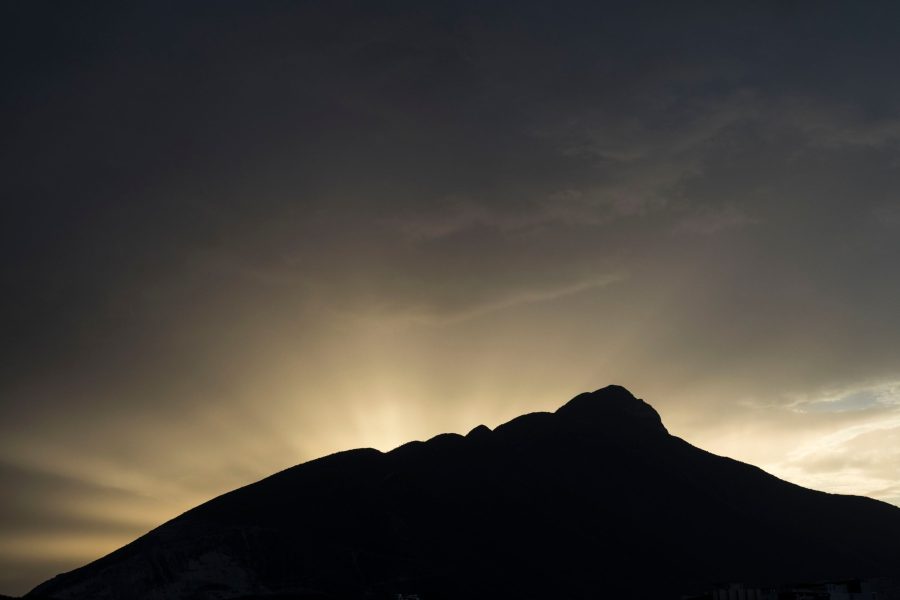
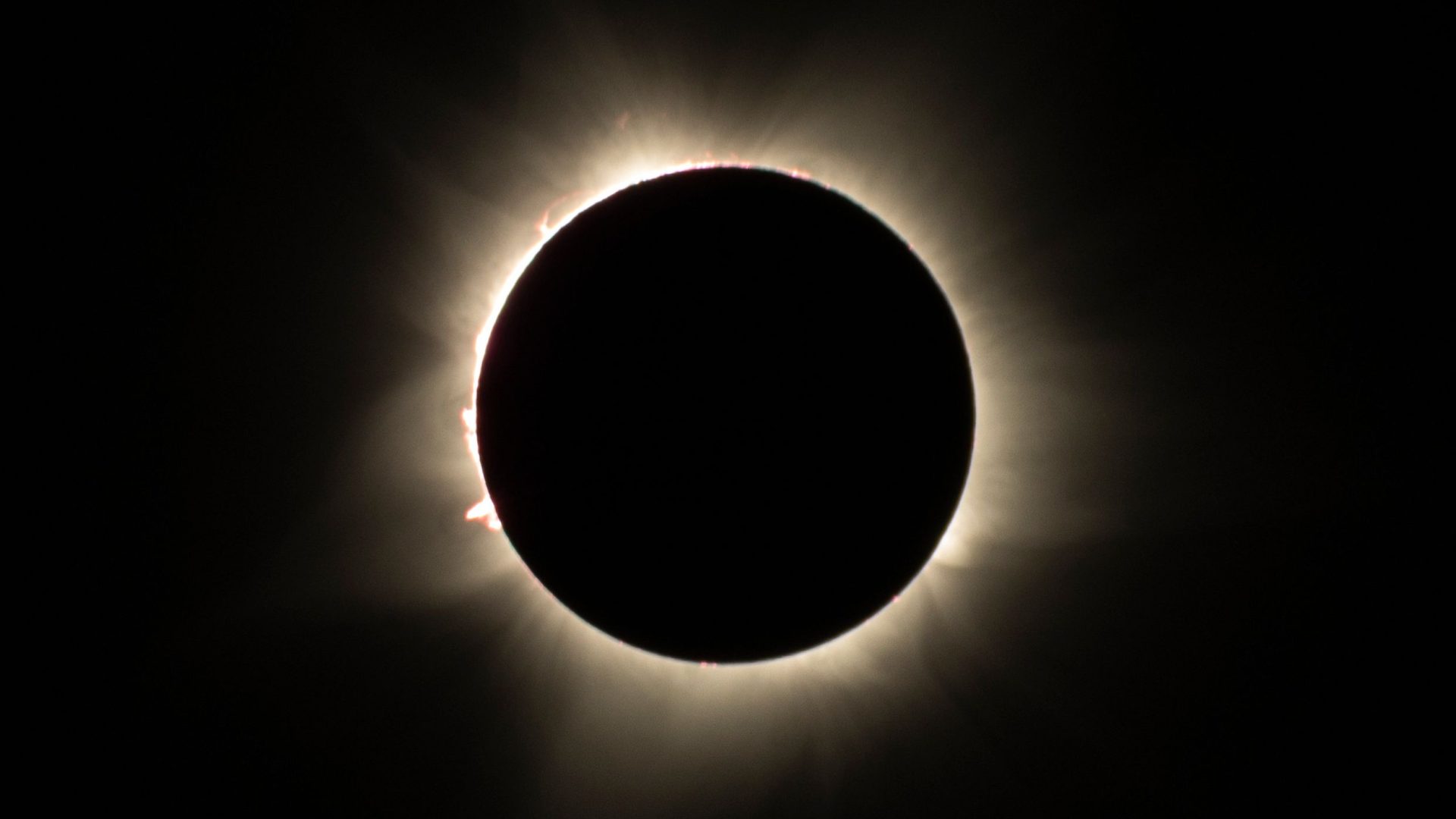
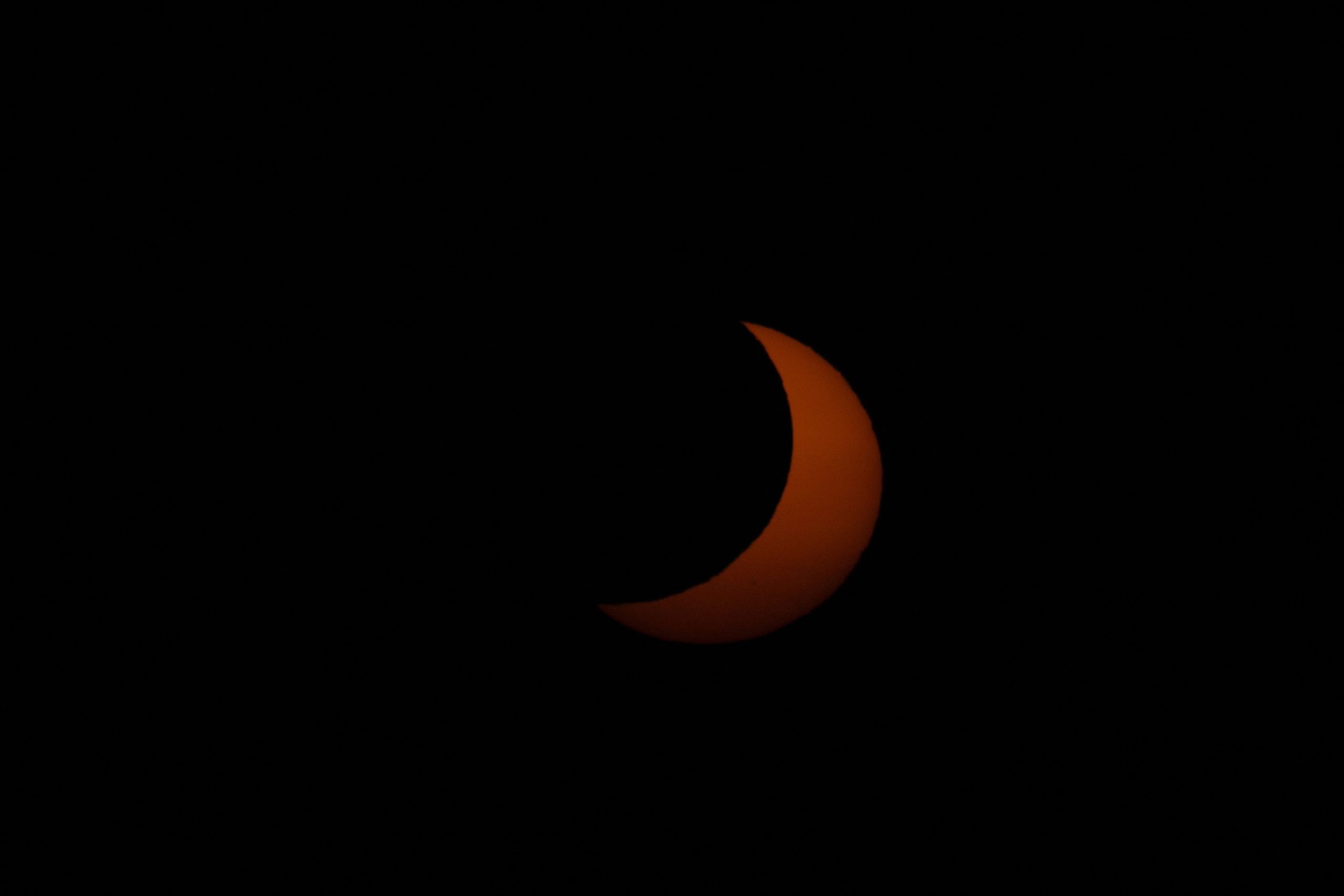
Featured photograph: Photo by Eclipse Chasers via Pexels (source; Pexels license). (Stock photo, illustrative.)
Original date March 18, 2016. Updated October 2026.
On March 8, 2016, a regular passenger flight from Anchorage to Honolulu took off a little late on purpose. The delay put the plane in the right place over the North Pacific to meet the Moon’s shadow during a total solar eclipse. We shared the airline’s video of the moment in March 2016, and it is still on this page. Below you will find the video, a short account of what happened with links to the sources, and some practical advice for anyone who wants to photograph an eclipse safely.
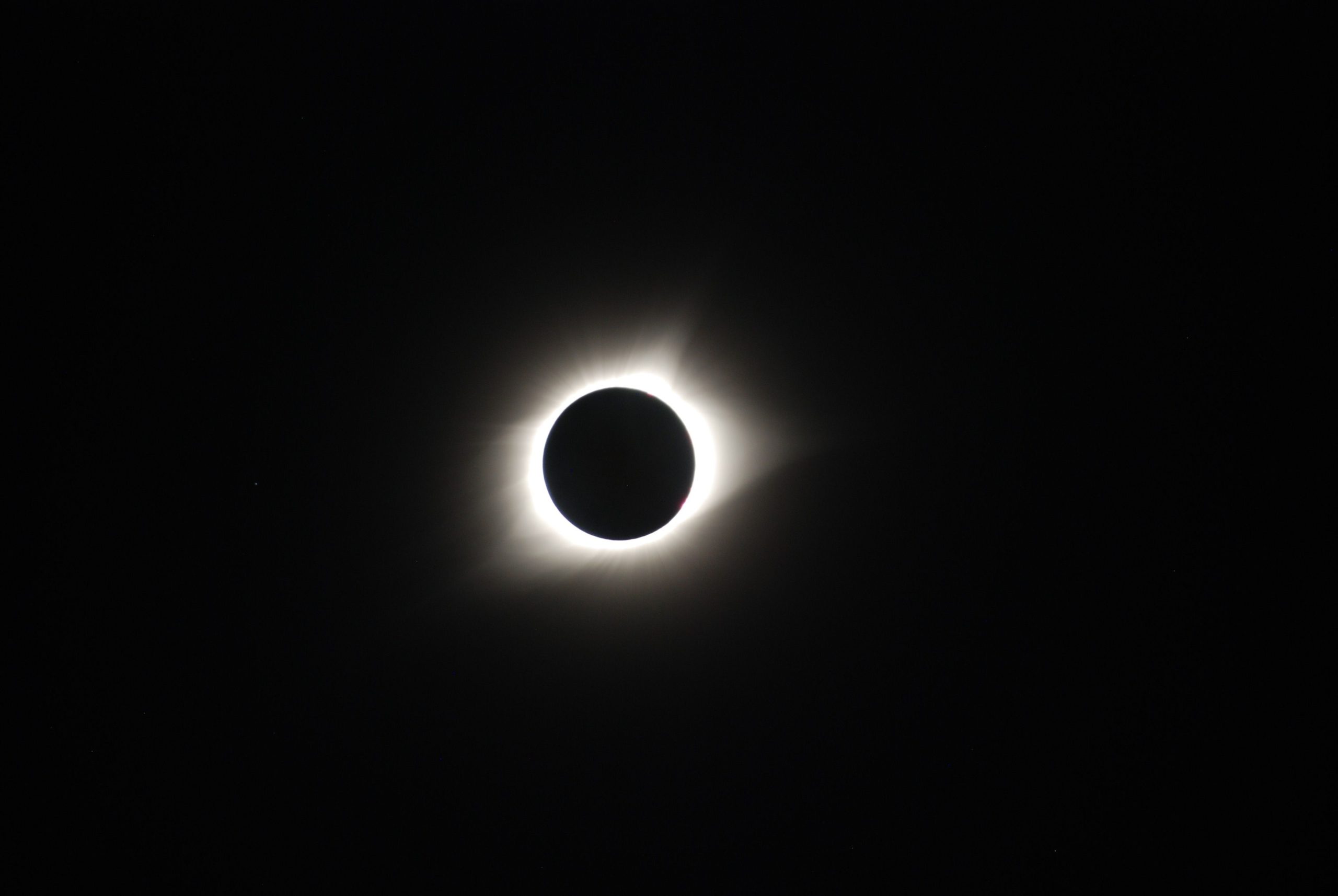
The video belongs to Alaska Airlines. The photographs on this page are separate stock illustrations from Pexels, credited in each caption. They show eclipses and views from airplane windows in general. They are not pictures from Flight 870 and they do not show the March 2016 eclipse.
What Happened on Flight 870
According to the Alaska Airlines news site, Alaska Flight 870 flew from Anchorage to Honolulu. About a year earlier, Joe Rao, an associate astronomer at the Hayden Planetarium in New York, had discovered that the flight would cross the path of totality, the narrow track where the Moon fully covers the Sun. The normal departure time would have been 25 minutes too early to catch it. The airline’s schedule team moved the departure back by 25 minutes, to 2 p.m.
The airline says the plane intercepted the eclipse 695 miles north of Honolulu. For the people on board, the Sun was completely blocked for 1 minute and 53 seconds, beginning at 5:35 p.m. The airline also notes that a passenger brought 200 pairs of special filtered glasses to hand out so everybody could watch the other phases of the eclipse safely. Other coverage, including The Verge and Space.com, describes the same flight. Some details differ between those sources, such as the number of passengers and the cruising altitude, so we have left those figures out.
Space.com’s account was written by Joe Rao, who was on the flight. He describes the diamond ring effect and the corona around the blocked-out Sun. If you watch the airline’s video, you can hear the reaction on board as the shadow arrives. It is a good reminder that the best part of an eclipse is often the moment, not the picture.
 Save
Why an Eclipse From a Plane Is Rare
A total solar eclipse is only visible from a narrow strip of the Earth, and that strip often crosses oceans or remote land. The flight shows one way to reach it. Moving the schedule by a short amount placed an ordinary jet where the shadow would pass. That kind of planning needs accurate timing, which is why the idea started a year ahead.
Most people who want to see a total eclipse travel to the path on the ground. That takes planning too. Weather, access, crowds and travel plans all matter, and they are worth thinking about months before the date. If you are interested in the sky more broadly, our landscape photography guide covers the basics of exposure and composition that apply at night as well.
Eclipse Safety Comes First
Before you think about pictures, think about your eyes and your camera. NASA says that, except during the brief total phase of a total solar eclipse, it is not safe to look directly at the Sun without specialized eye protection for solar viewing. NASA also says that viewing any part of the bright Sun through a camera lens, binoculars or a telescope without a special-purpose solar filter secured over the front of the optics will cause severe eye injury. These points come from NASA’s eclipse safety page.
The American Astronomical Society gives similar guidance for cameras. Its imaging page says that special-purpose solar filters must stay on cameras and telescopes during the partial phases, and that only during totality is it safe to remove them. The filters should fit snugly over the front of the lens, but not so tightly that you cannot take them off quickly when totality starts. Read the AAS imaging guidance before you try to photograph an eclipse.
If you are not within the path of totality, there is no safe moment to look at the Sun without protection. A partial eclipse needs filters for the whole event. Ordinary sunglasses are not enough. NASA says solar viewers should meet ISO 12312-2. Check viewers for damage before use. Do not look through a camera, telescope or binoculars while wearing eclipse glasses: the concentrated light can burn through them. Those optics need their own special-purpose solar filter secured over the front.
 Save
Photographing an Eclipse
NASA’s tips for photographing a total solar eclipse begin with safety, then say that any camera can make a good picture, because the result has more to do with the photographer than the gear. That is a useful starting point. Here are some practical ideas that follow from it.
Plan your frames
Decide before the day whether you want a close picture of the Sun and Moon, a wide picture of the landscape and sky, or a picture of the people watching. Each needs a different lens and a different plan. A wide frame can show the landscape and the changing light around you.
Practice ahead of time
Totality is short, and repeating a missed frame during the same eclipse may not be possible. Practice your settings on a safe subject, such as the Moon, so you know how to change exposure and focus quickly. Write a short checklist and keep it with your camera.
Use a tripod and a remote
A steady camera makes longer exposures and long lenses easier. A remote release or a timer avoids shaking the camera. These are standard tools for any night or long-lens work.
Bracket your exposures
The corona is much dimmer near its edge and brighter near the Moon, so one exposure cannot show everything. Photographers often shoot a range of shutter speeds and blend them later. The Sun’s phases also change quickly, so check your results as you go and adjust.
Do not forget to look up
Many people who have seen a total eclipse say the best advice is to put the camera down for part of it. If you can, set up your gear early, start a sequence and take a few seconds to look at the sky with your own eyes during totality, where it is safe to do so.
Taking Pictures From an Airplane Window
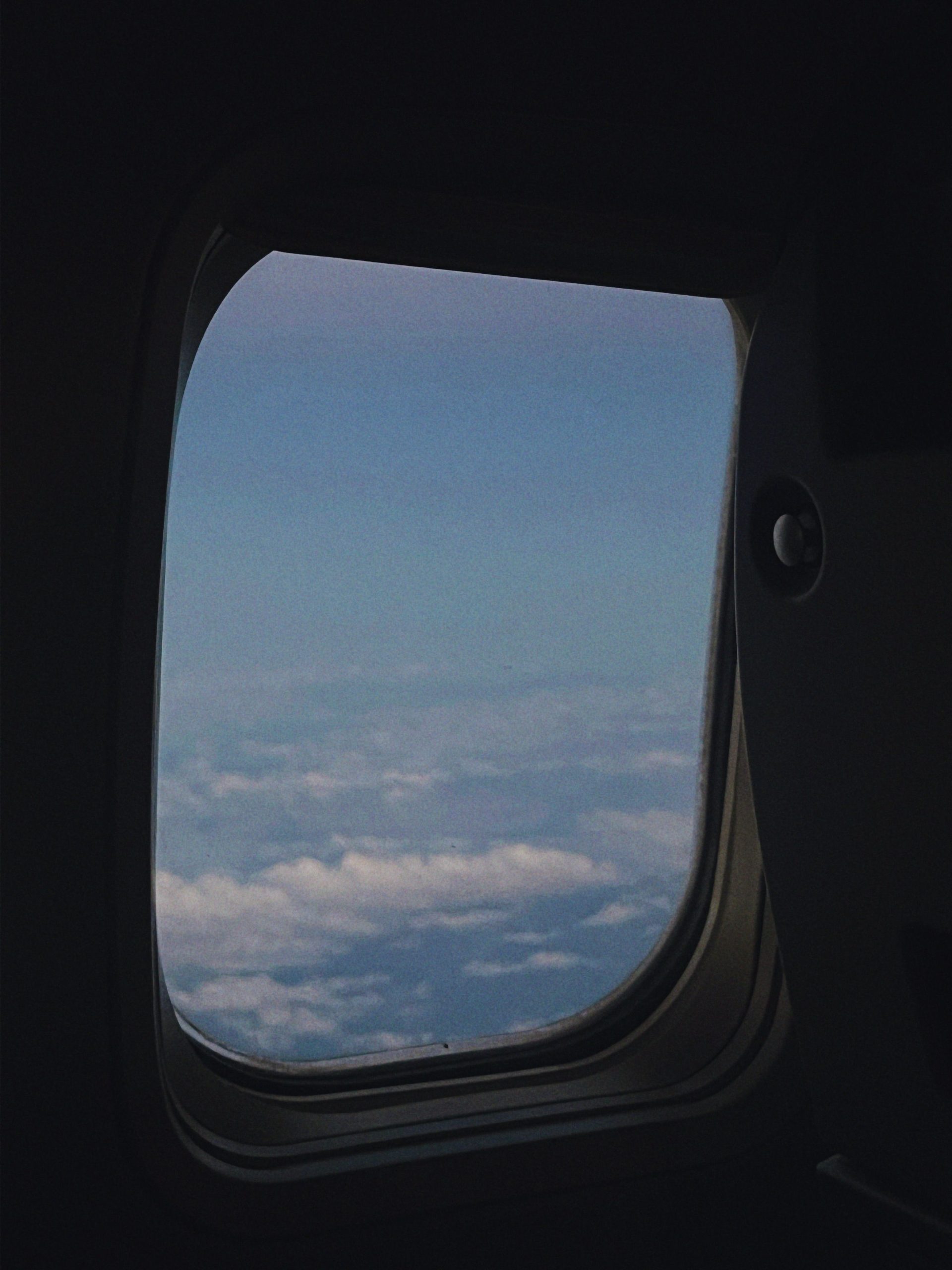
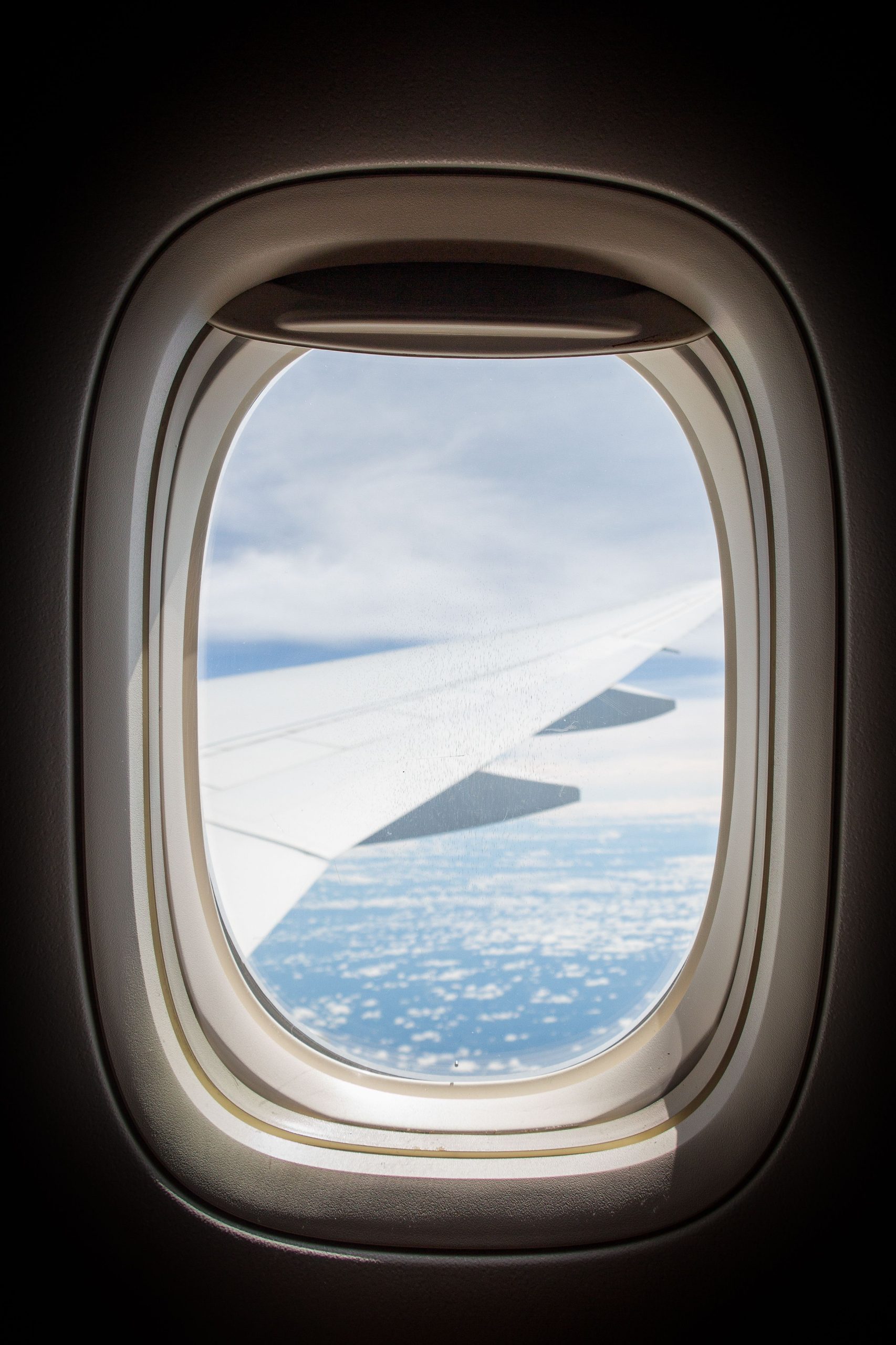
A flight is a good place to practice some of these skills. A window seat gives you clouds, sky and light that change quickly. Choose a seat away from the engines if you can, because the engine heat and vibration can affect your picture. Turn off the flash, hold the lens close to a clean window without touching the glass, and shoot at a fast shutter speed. A rubber lens hood can touch the window to reduce reflections, but direct lens contact can transmit vibration. Reflections from the cabin can ruin a frame, so dark clothing or your hand held beside the lens can help.
Airlines have their own rules for using cameras and devices on board, and the crew can ask you to stop. Follow their instructions. Do not let your gear block the aisle or bother other passengers. This section is general advice and does not replace what the crew tells you.
 Save
Editing Eclipse and Sky Pictures
Keep your edits modest. Correct the exposure and white balance, then bring out the shape of the corona with local contrast. Avoid pushing the noise reduction so far that you lose fine detail. If you combine several exposures, say so when you share the picture. If you add a sky or move an element, that is a composite and should be labeled that way.
For wide scenes, protect the shadows, because the landscape during totality is dim. Raising the shadows a little helps, but too much creates noise. A natural result looks like the scene felt, not like a poster.
 Save
Planning Your Own Eclipse Trip
If this story makes you want to see a total eclipse, begin by finding when and where the next one will pass. Official astronomy sources publish maps and timing for upcoming eclipses. Look at the weather history for your target area, because clouds can ruin the view. Book travel and lodging early, since popular places fill quickly. Have a backup location along the path in case the forecast changes.
Pack eclipse glasses from a reputable source, a tripod, spare batteries, water and a small checklist. Plan to arrive early and leave late. Tell someone where you are going. Traffic can be heavy after an event with many visitors.
Check the current local rules and advice for the place you plan to visit. Access, safety and regulations vary and can change. Rely on official sources for those details and not on this page.
Choosing a Lens for an Eclipse
The Sun and the Moon take up only a small part of a wide-angle camera frame. With a wide lens, the eclipsed Sun is a small dot. A longer lens makes it larger, which is why many eclipse photographers use a telephoto lens for close pictures. A wide lens is better for a picture of the scene, the sky and the people around you.
There is no single right choice. If you have only one lens, think about the picture you want most and choose that one. If you have two, bring a wide one for the scene and a longer one for the Sun, and decide in advance how you will switch between them without missing the main moment. Remember that the solar filter must fit the lens you are using, so check the fit before the day.
Whatever you use, set up in comfortable conditions. Test focus on a distant, safe subject before the event, since focusing on a dark Sun in low light is hard. Use manual focus if your camera allows it, and tape the focus ring in place once you have it right so a bump does not undo your work.
What to Look For in the Video
When you watch the airline’s video, notice how the people on board react. The excitement builds as the light in the cabin changes, then peaks as the shadow arrives. The moment is short, and what you can see through a small window is different from what a camera records. Consider how you would photograph a scene like that, in a dim cabin with other people close to you, with limited time and a small view.
Notice also how little of the video is about technique. The footage works because of the moment, the sound and the shared reaction. That is a reminder for any event photographer. Pictures of people watching, and the light on their faces, often tell the story better than a close picture of the sky.
After the Event
Back up your files as soon as you can. Review the pictures without editing, and pick a few that show the whole experience, not only the closest view of the Sun. Add captions that say where you were, what the date was and what the picture shows. If you used a composite, say so. Keep notes on your settings, since they will help you plan next time.
Share what you learned with other photographers. Many eclipse chasers keep detailed logs of their trips, and those logs are useful to anyone planning their first one.
Final Thoughts
Flight 870 is a fine example of what planning and a little bit of luck can do. The airline moved a departure by 25 minutes, and a plane full of passengers saw something most people never see. For photographers, the lesson is simple. Plan carefully, protect your eyes and your camera, and remember to look up. Then use the rest of your time to make a few honest pictures.
Frequently Asked Questions
What was Alaska Airlines Flight 870?
Alaska Flight 870 was a flight from Anchorage to Honolulu on March 8, 2016. According to the airline, its departure was moved back 25 minutes so that passengers could see a total solar eclipse.
Is it safe to look at a solar eclipse without protection?
NASA says it is not safe to look directly at the Sun without specialized solar eye protection, except during the brief total phase of a total solar eclipse, when the Moon completely covers the bright solar face.
Do I need a filter on my camera?
NASA and the American Astronomical Society both say a special-purpose solar filter must be on the lens during the partial phases. Only during totality can it be removed.
Are the photos on this page from Flight 870?
No. They are stock illustrations from Pexels, credited in each caption. They are not pictures of Flight 870 or of the March 2016 eclipse.
Where can I find the original video?
The video is on the Alaska Airlines YouTube channel and is embedded at the top of this page.
Options for travel and landscape photography, not gear used for these illustrative photographs. No prices listed here – check current pricing and availability at the retailer links.
Affiliate disclosure: this article contains B&H affiliate links. If you buy through them we may earn a commission at no extra cost to you.