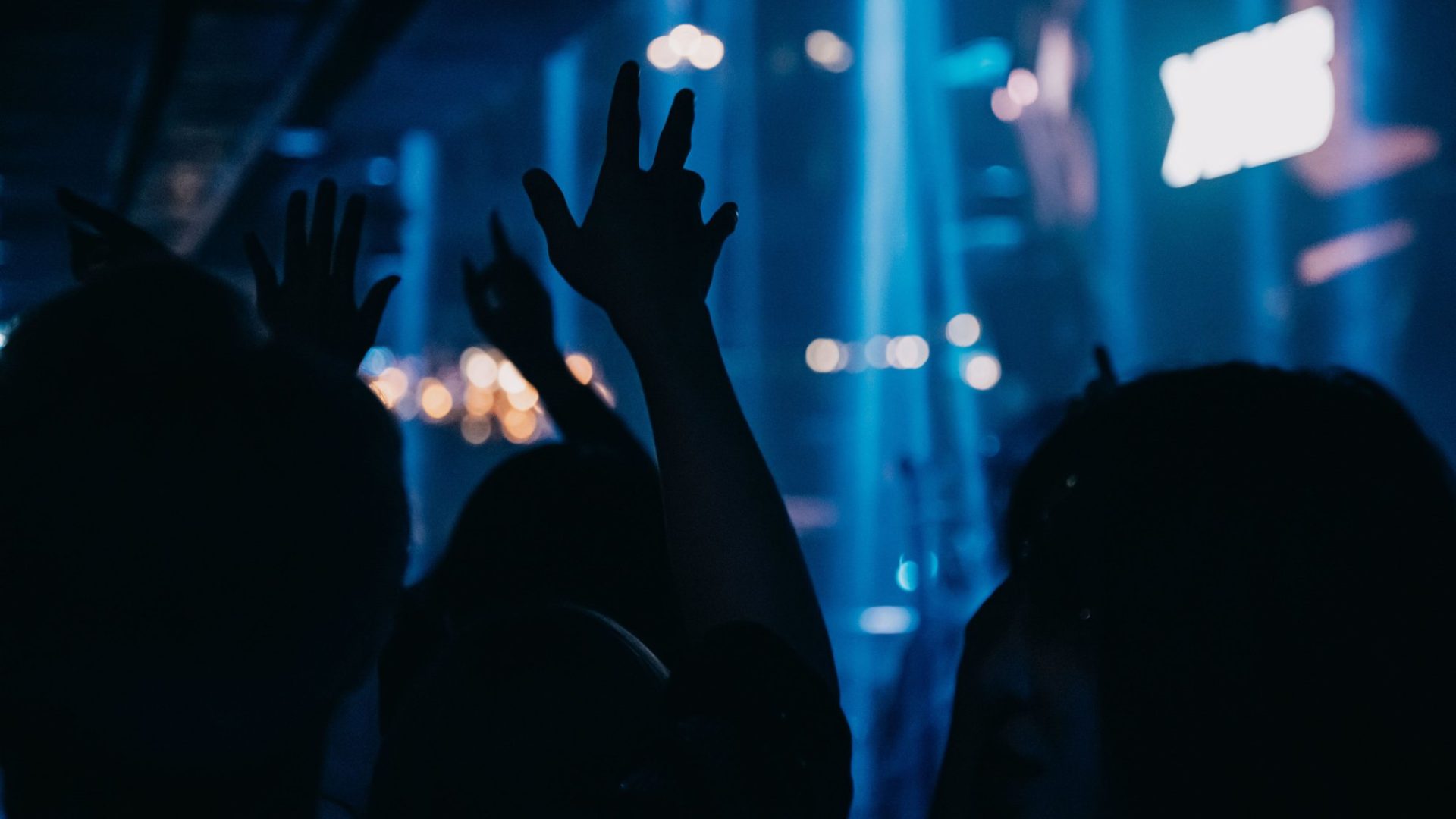
Featured photograph: Photo by Xuân Thống Trần via Pexels (source; Pexels license). (Stock photo, illustrative.)
Event photography is storytelling at shutter speed. The room is dark, the moment lasts a second, and you cannot ask the first dance to happen again. The lens you choose decides how much of that story you bring home: how much light you gather, how fast you focus, and how close you can work without intruding.
This guide compares five current lenses that cover the classic event kit, from the 70-200mm f/2.8 workhorse zooms to a budget fast prime, and explains which problem each one actually solves. Guidance here is based on published specifications and reviews, not hands-on testing; treat it as a shortlist to research, not a universal ranking.
Five lenses to compare for event work
 Save
- Sony FE 70-200mm f/2.8 GM OSS II – the lightweight flagship tele zoom for Sony bodies
- Canon RF 70-200mm f/2.8L IS USM – the compact RF workhorse
- Nikon NIKKOR Z 70-200mm f/2.8 VR S – the Z-mount flagship tele zoom
- Tamron 70-180mm f/2.8 Di III VC VXD G2 (Sony E) – the budget path to f/2.8 reach
- Canon RF 50mm f/1.8 STM – the inexpensive fast prime that handles the darkest rooms
A sixth option appears in the low-light section below: the Sigma 35mm f/1.4 DG DN Art (Sony E), for photographers who prefer a wider prime.
Define the event problem first
Event photography captures moments that matter, from lively concerts to intimate weddings. Getting the shot comes down to the photographer’s skill and their equipment, especially the choice of lens. Understanding a few specifications tells you most of what a lens will do in a dark venue.
A lens’s focal length, measured in millimeters, determines its angle of view and magnification. For event work, a range of focal lengths matters. Wide angles such as 24mm capture the scope of a room or a group in a tight space. Telephoto reach, the 70-200mm range, enables close-ups of distant subjects, ideal for candid shots or capturing details without intruding on the moment.
Aperture, expressed as an f-number, controls how much light enters the lens. A lower number means more light, which is what dim receptions and stages demand. A wide aperture also creates a shallow depth of field, blurring a busy background while keeping the subject sharp, which is the classic way to isolate a speaker or a couple from visual clutter.
Stabilization matters because events rarely allow tripods. Optical stabilization reduces blur in handheld shooting in dynamic or poorly lit environments, though it does nothing for subject movement; shutter speed still rules moving people.
Finally, autofocus performance decides how many fleeting moments come home sharp. Fast, quiet autofocus that tracks faces and eyes is worth more in a dark hall than any single aperture number.
Choosing the right lens for event photography is not just about magnification or light; it is about matching lens capabilities to the event’s demands. Whether it is a bright festival or a candlelit reception, knowing these specs lets you adapt and tell the event’s story with clarity.
The workhorse: why a 70-200mm f/2.8 leads most event kits
 Save
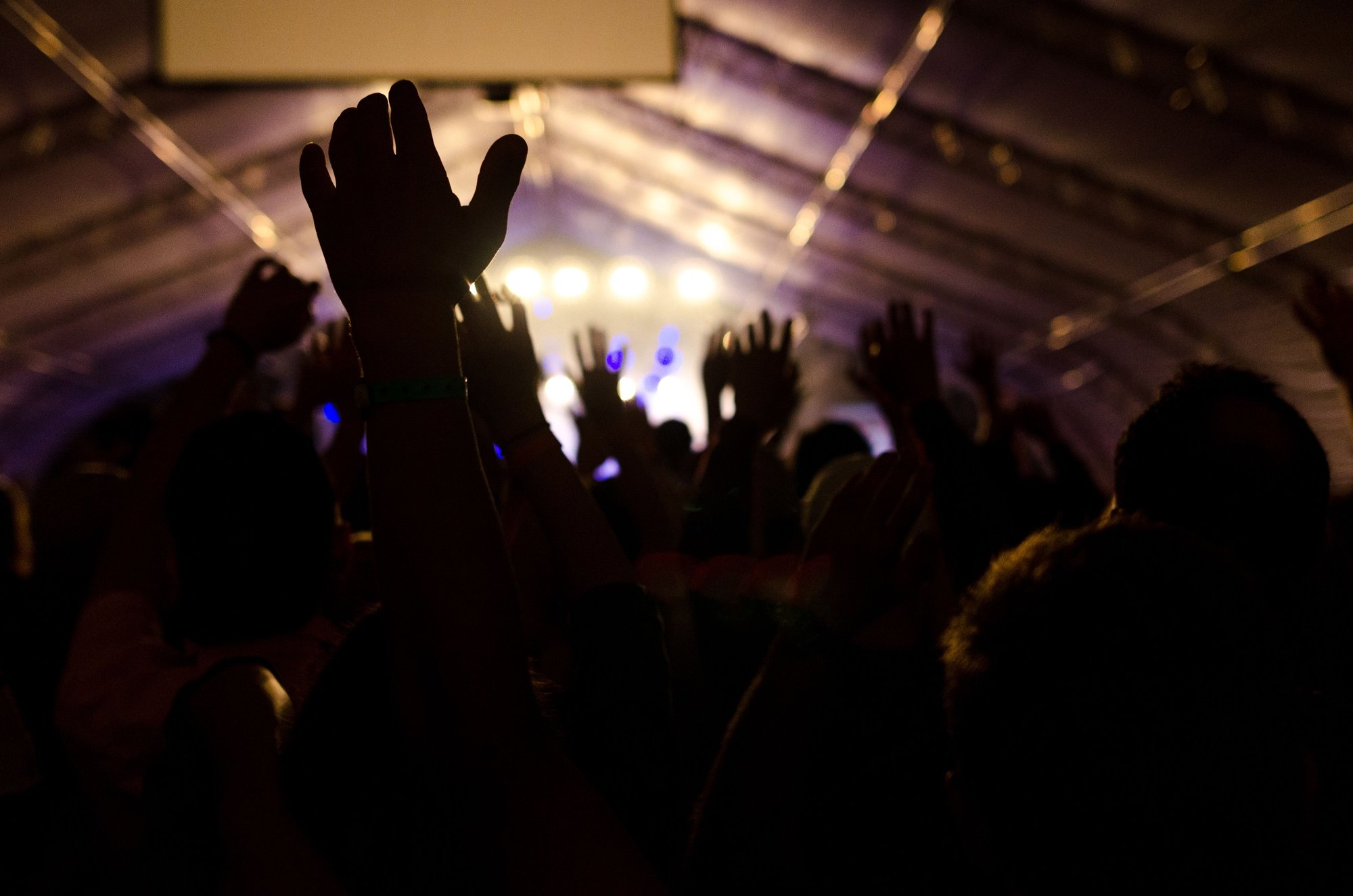
Ask working event photographers what lives on their camera and a 70-200mm f/2.8 is the most common answer. The range covers tight candids from the edge of the room and speaker shots from the back of the hall, and the constant f/2.8 aperture keeps exposure predictable as you zoom. It is the one lens that can cover a ceremony, a keynote, or a first dance almost by itself.
The trade-offs are size, weight, and price. Flagship versions from each manufacturer cost roughly two to three times a budget alternative, and even the lighter designs are large on the camera. The three flagships and one budget option below show what the extra money does and does not buy.
Sony FE 70-200mm f/2.8 GM OSS II: the light flagship
Sony’s second-generation G Master zoom is the lightest 70-200mm f/2.8 in its class at about 2.3 lb, roughly 29% lighter than the original it replaced, according to Sony’s published figures. It focuses with four XD linear motors, supports high-speed continuous shooting with AF, and adds a physical aperture ring that video shooters can de-click. Optical SteadyShot stabilization includes a mode for moving subjects, and the lens works with Sony’s 1.4x and 2.0x teleconverters while retaining autofocus.
For event work on Sony bodies, it is the default professional choice: fast, quiet, weather-sealed, and light enough to carry through a ten-hour wedding day. The cost is the price of admission to the flagship tier.
Canon RF 70-200mm f/2.8L IS USM: the compact one
Canon’s RF 70-200mm f/2.8L IS USM takes a different design path: it extends when zoomed, which lets it collapse to a markedly shorter carrying length than internal-zoom designs. Canon lists it at 1,070 g, close to the Sony’s figure, and it pairs stabilization rated up to 5 stops with coordinated control from Canon’s in-body stabilization on R-series bodies.
The extending barrel is the consideration: some photographers prefer the sealed feel of an internal-zoom design in dusty or wet conditions. For RF-mount event shooters who travel light, this is the flagship to test first.
Nikon NIKKOR Z 70-200mm f/2.8 VR S: the Z-mount standard
Nikon’s Z 70-200mm f/2.8 VR S is the internal-zoom flagship for Z-mount bodies, with Nikon’s published figure of up to 5.5 stops of vibration reduction and a weather-sealed magnesium-alloy build. At about 1,360 g without the tripod collar it is the heaviest of the three flagships here. On recent Z bodies it pairs with the camera’s subject-detection autofocus for eye tracking across a reception or stage.
It is the largest of the three flagships in this list, and the one to choose if you shoot Nikon. There is no mount-crossing here: buy the flagship that matches your system.
Tamron 70-180mm f/2.8 Di III VC VXD G2: f/2.8 reach on a budget
The Tamron G2 gives up 20mm of long reach and some flagship refinement for a price well under half of the Sony flagship’s. Tamron’s spec sheet lists VXD linear-motor autofocus, VC stabilization, a moisture-resistant build, and 855 g for the Sony E-mount version, lighter than any of the flagships above.
For a photographer building an event kit on Sony E-mount, this is the sensible first tele zoom: the money saved over a flagship covers the fast prime below, which together handle most of what a beginner event kit needs. The 180mm ceiling matters mainly for stage work from the far back of large halls.
The wide end: a 24-70mm f/2.8 for rooms and groups
 Save
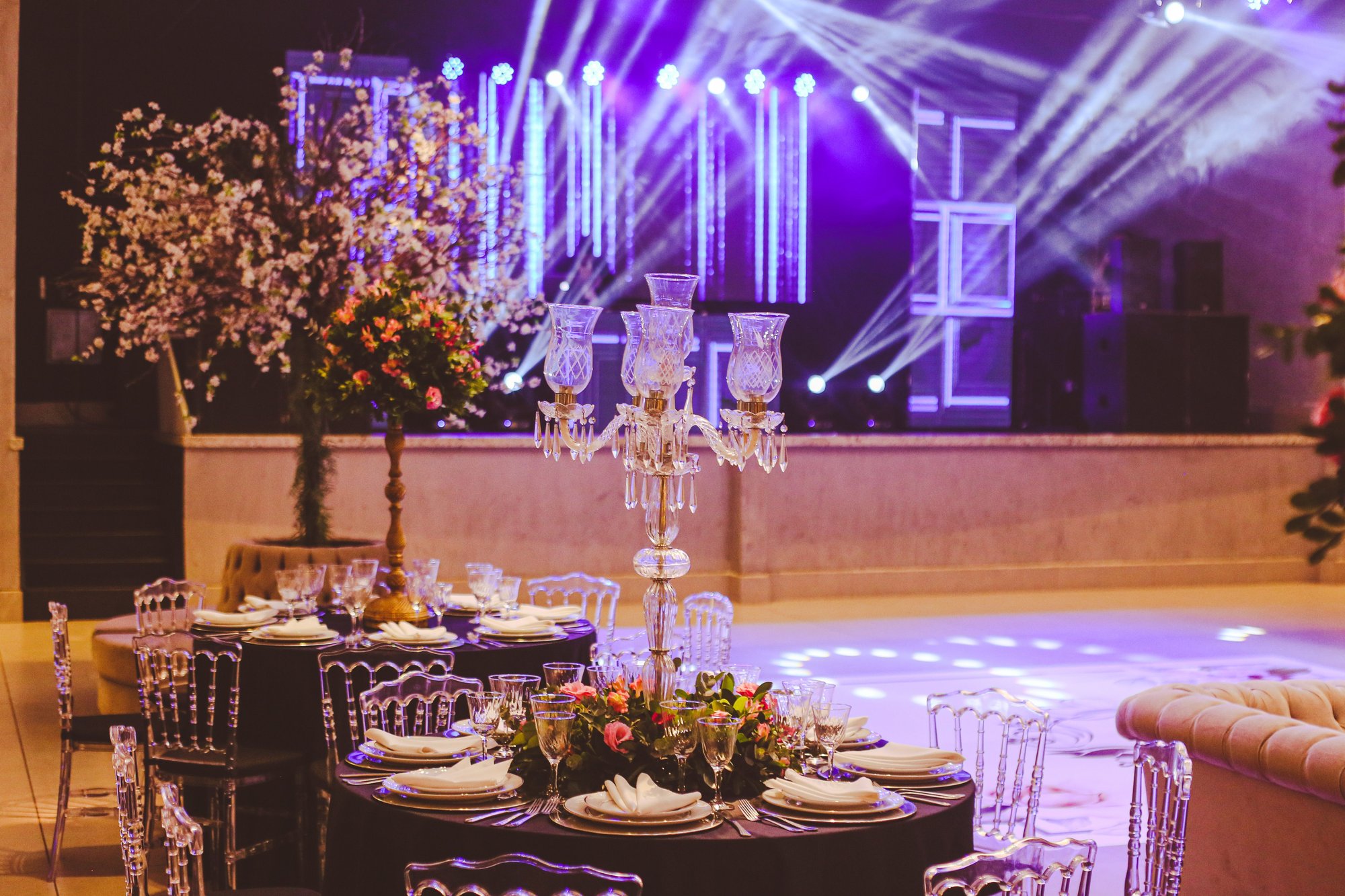
The 70-200mm covers reach, but no event kit is complete at the wide end. Ceremony overviews, room-establishing shots, family formals, and the packed dance floor all live between roughly 24 and 70mm. Every major system sells a 24-70mm f/2.8 class zoom for its mount, and that lens typically spends as much time on the camera as the tele zoom does.
If budget forces a choice, cover the range before the aperture: a 24-70mm f/4 or a wide prime can hold the wide end while the budget tele zoom and fast prime handle reach and darkness. The mistake to avoid is three lenses that overlap the same focal range while leaving the wide end bare.
A fast prime for the darkest rooms
 Save
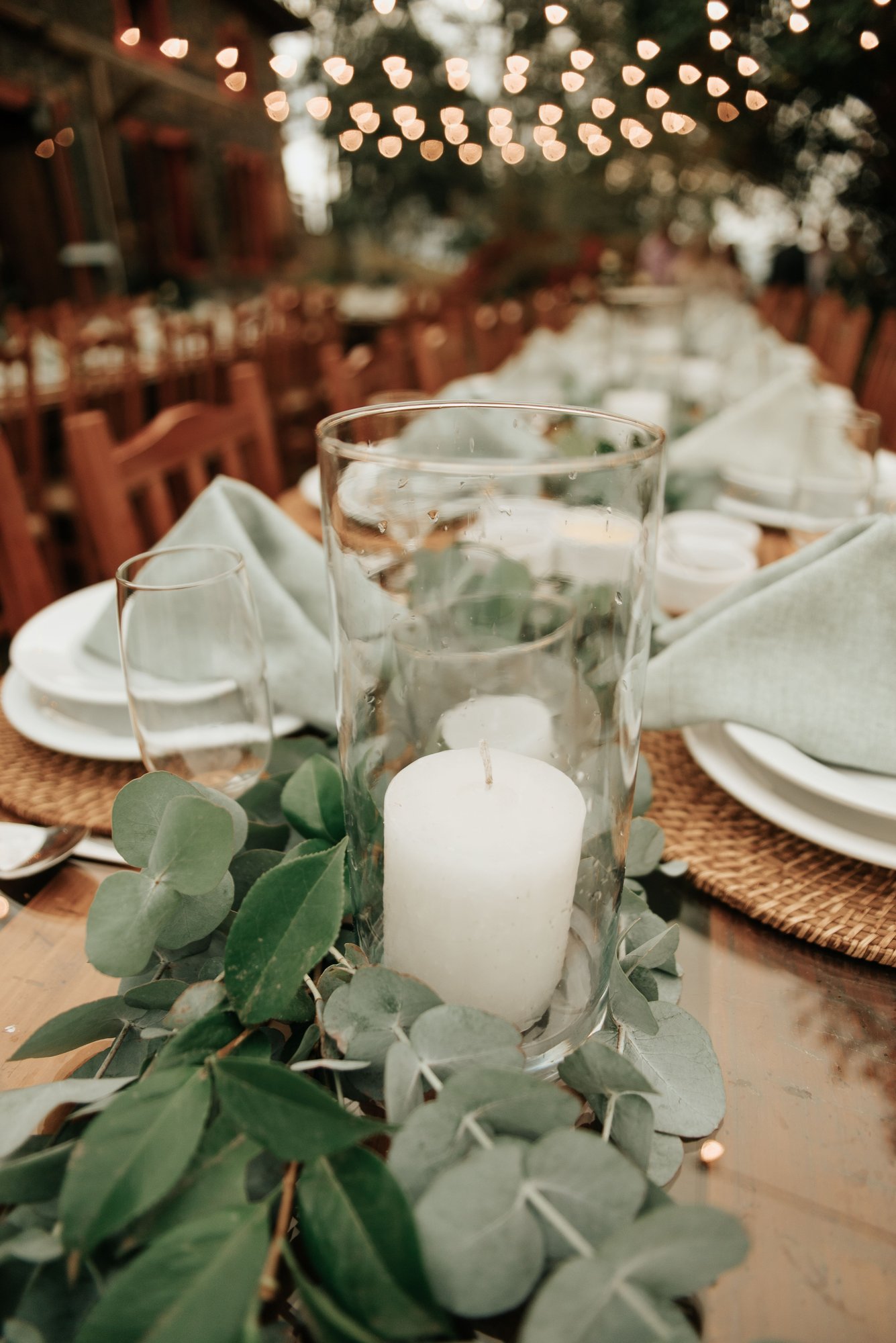
Zooms at f/2.8 gather a lot of light, but some venues are darker than f/2.8. When flash is prohibited or disruptive, such as concerts, ceremonies, or theater, a fast prime is the tool. A 50mm f/1.8 admits about a stop and a third more light than an f/2.8 zoom, which can be the difference between a usable shutter speed and motion blur.
Canon RF 50mm f/1.8 STM is the inexpensive way in: a compact prime with a natural field of view close to the human eye’s, suited to candids, decor details, and environmental portraits, at a fraction of any zoom’s price. Every mount offers an equivalent: Sony’s FE 50mm f/1.8 and Nikon’s Z 50mm f/1.8 S fill the same role on their systems.
Sigma 35mm f/1.4 DG DN Art (Sony E) opens to f/1.4 and frames wider, which helps in tight spaces: the full dance floor, the breadth of a dim dining hall. A 35mm f/1.4 encourages working closer to the subject, which changes the feel of event coverage from observation to participation.
Zoom vs. prime: how the choice plays out at a real event
Zoom lenses offer unmatched flexibility. Moving from quiet ceremony moments to a dynamic reception, a 24-70mm or 70-200mm f/2.8 lets you reframe without changing position or swapping bodies. In fast-paced environments where you cannot control the distance to your subject, that adaptability is decisive.
Prime lenses answer with light and discipline. Wider maximum apertures enable faster shutter speeds in dim venues without pushing ISO as hard, and they tend to produce strong subject separation for portraits. Working with a fixed focal length also pushes you to move and explore angles that a zoom makes it easy to skip.
Budget steers the choice as well: primes usually deliver strong optical quality for far less than a comparable zoom. Many event photographers carry both, a zoom for coverage and a prime for the dark, and switch as the day evolves.
Accessories that earn their place in the bag
 Save
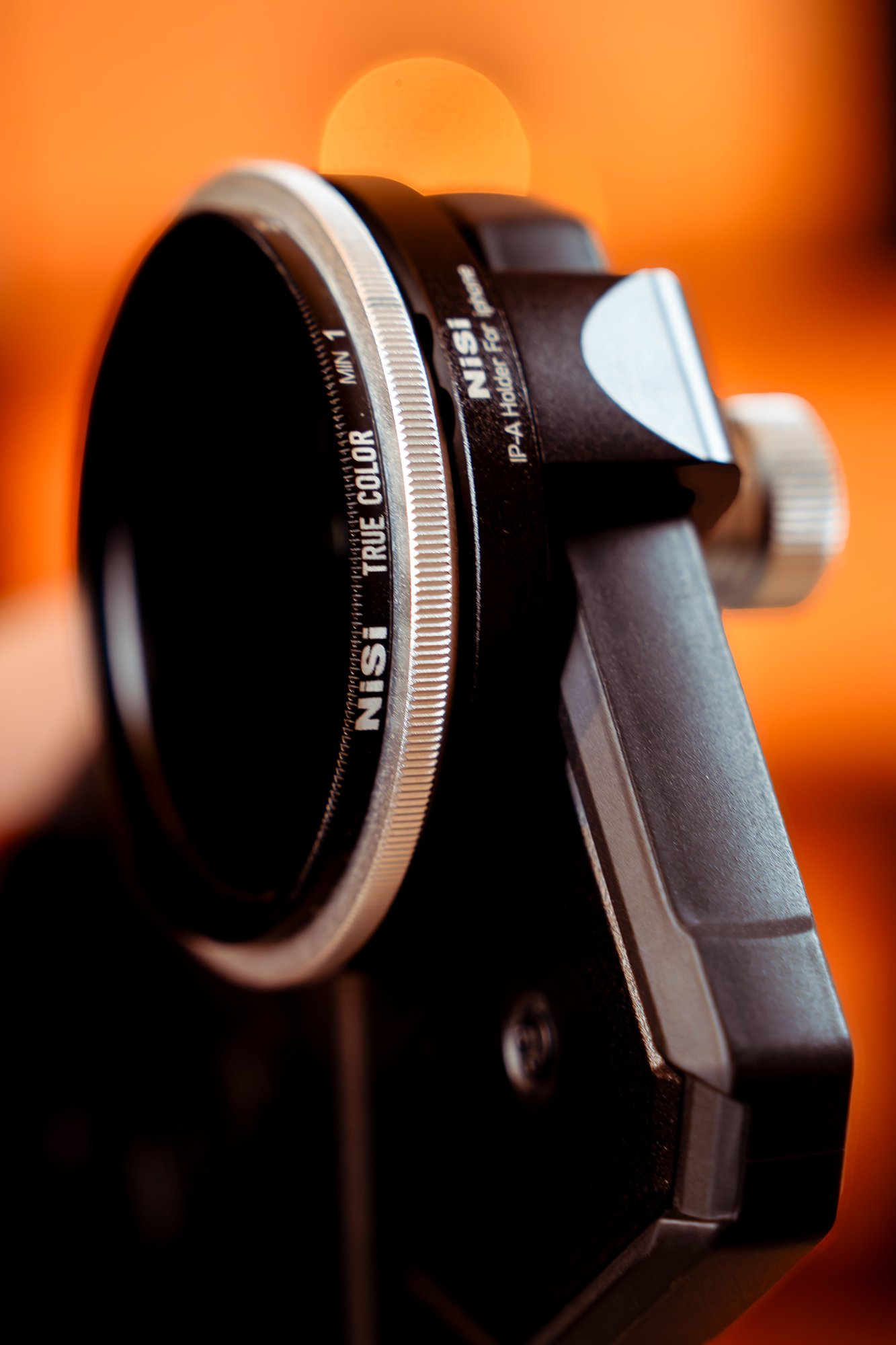
A few small accessories carry real weight at events:
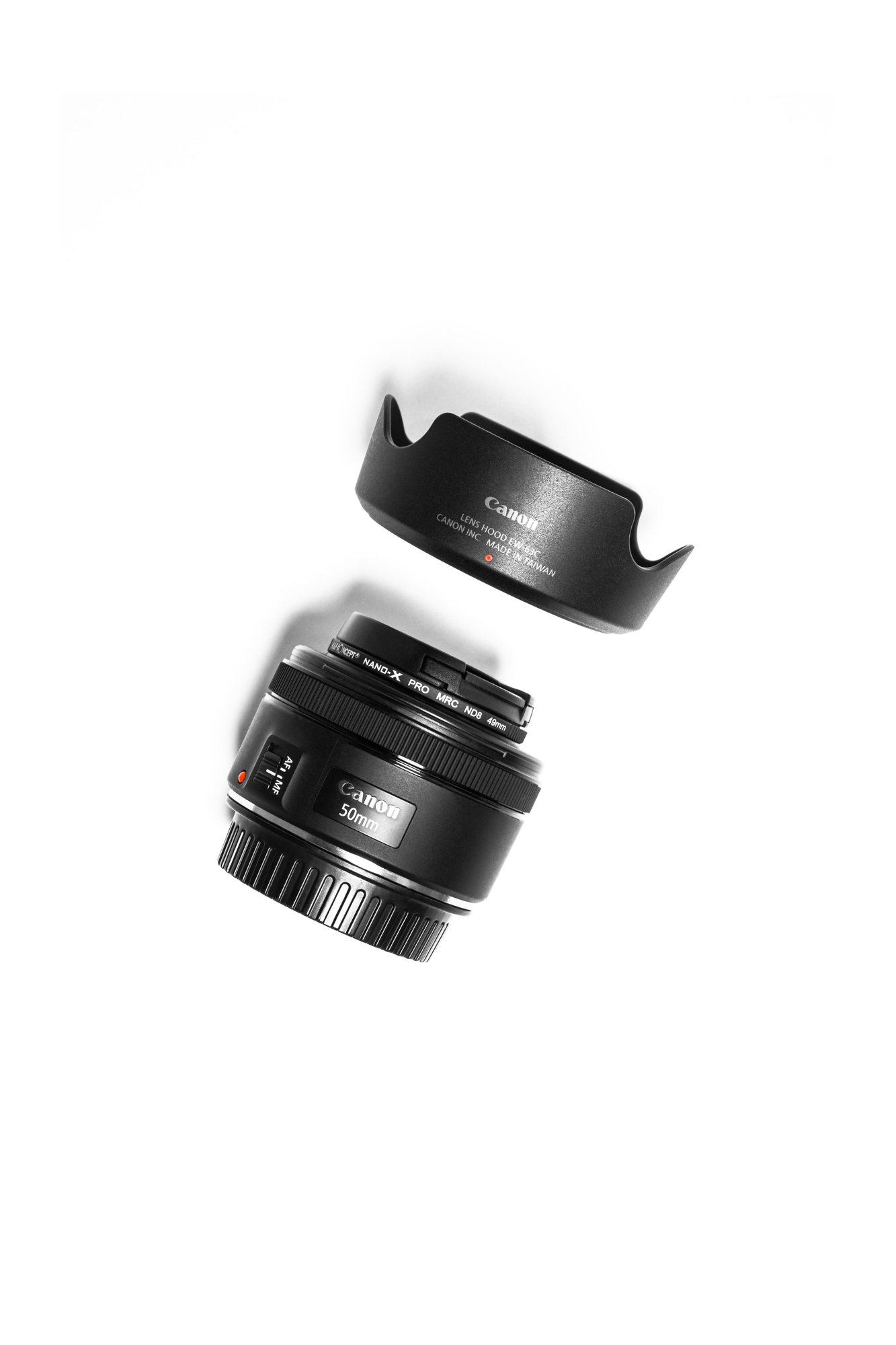
- Lens hoods block stray light from chandeliers and stage rigs, protecting contrast when you cannot control the lighting.
- A polarizing filter helps at outdoor daytime events, cutting reflections from water and glass and deepening skies; it costs one to two stops of light, so it comes off when the sun goes down.
- An ND filter is for bright daylight, letting you hold wide apertures outdoors without overexposing.
- A UV or clear protector filter is cheap insurance against scratches and splashes in crowded rooms, though a poor-quality one can add flare, so remove it for critical backlit shots.
- A real lens case speeds up lens swaps and protects glass in transit; fumbling a change is how moments get missed.
Buying checklist
- Match the mount: none of these lenses cross systems, so start from your camera body.
- Cover the workhorse range first (70-200 or 70-180 f/2.8), then add a fast prime for the dark rooms.
- Check weight honestly: a lens you leave at home covers nothing.
- Confirm stabilization and eye-AF compatibility with your specific body in the manufacturer’s current documentation.
- Price the full kit with hood, filters and case, and check stock, seller, warranty and return terms before buying.
Questions about event lenses
Is one lens enough to shoot a whole event?
A 70-200mm f/2.8 can cover most of a standard event by itself, but it is long for group shots and tight rooms. Most event kits pair it with a wider zoom or a fast prime so the 24-70mm range and the darkest moments are covered too.
Do I need f/2.8, or is f/4 enough?
It depends on the light and your body. Modern high-ISO performance makes an f/4 zoom workable in average venues, but f/2.8 buys roughly a stop of shutter speed and stronger background separation, and a fast prime buys two more. For dark receptions and no-flash ceremonies, the faster glass is the safer margin.
Are third-party lenses like Tamron and Sigma reliable for paid work?
Current third-party f/2.8 zooms and Art-line primes have strong published specs and review records, and many working photographers use them on paid jobs. The practical differences are service networks, firmware-update paths, and occasional autofocus quirks on new bodies, so test your exact body-lens pair before a booked event.
How many lenses do I need to start shooting events?
Two cover the core: a tele zoom in the 70-200mm class for candids and stage reach, and something wide, a 24-70mm or a wide prime, for rooms and groups. A fast 50mm adds a dark-room margin for very little money.
What is the first event lens to buy on a tight budget?
A 50mm f/1.8 prime. It is the least expensive way to get real low-light capability, and it teaches framing discipline that transfers to every lens you buy afterward.
Should I shoot events in RAW?
Yes when the work matters. Venue lighting mixes colors and extremes, and RAW files keep more room to correct white balance and recover highlights than JPEGs when you edit afterward.
Event Lens Gear Box
Compare current prices and stock before you buy; these are researched options, not universal winners:
- Sony FE 70-200mm f/2.8 GM OSS II at B&H
- Canon RF 70-200mm f/2.8L IS USM at B&H
- Nikon NIKKOR Z 70-200mm f/2.8 VR S at B&H (UV filter kit listing)
- Tamron 70-180mm f/2.8 Di III VC VXD G2 (Sony E) at B&H
- Canon RF 50mm f/1.8 STM at B&H
- Sigma 35mm f/1.4 DG DN Art (Sony E) at B&H
Affiliate disclosure: Some gear links are affiliate links. We may earn a commission at no extra cost to you. Lens guidance is based on published specs and reviews, not hands-on testing; photos are illustrative, and prices and stock can change.