Best Aperture by Genre: Portraits, Landscape, Street, Sports, Macro, Astro
~5 min read
Aperture is one control serving different masters. Each genre has a default range because it is optimizing for something specific – separation, depth, speed, or starlight. Here is the map, and the reasoning behind each range so you know when to leave it.
The genre aperture map
The quick reference, full-frame equivalent:
- Portraits: f/1.8-f/2.8 (groups f/4-f/5.6)
- Landscape & architecture: f/8-f/11
- Street & travel: f/5.6-f/8
- Sports & wildlife: f/2.8-f/4
- Macro: f/5.6-f/8, or focus stacking
- Astro: wide open, f/1.4-f/2.8
- Real estate: f/8
Portraits and weddings
f/1.8-f/2.8 for a single subject: enough blur to separate the person from the background, enough depth to keep both eyes sharp. Groups compress this fast – couples want f/4, family rows want f/5.6 – because faces at different distances all need to be in the plane. Wedding photographers ride between the two all day.
 Save
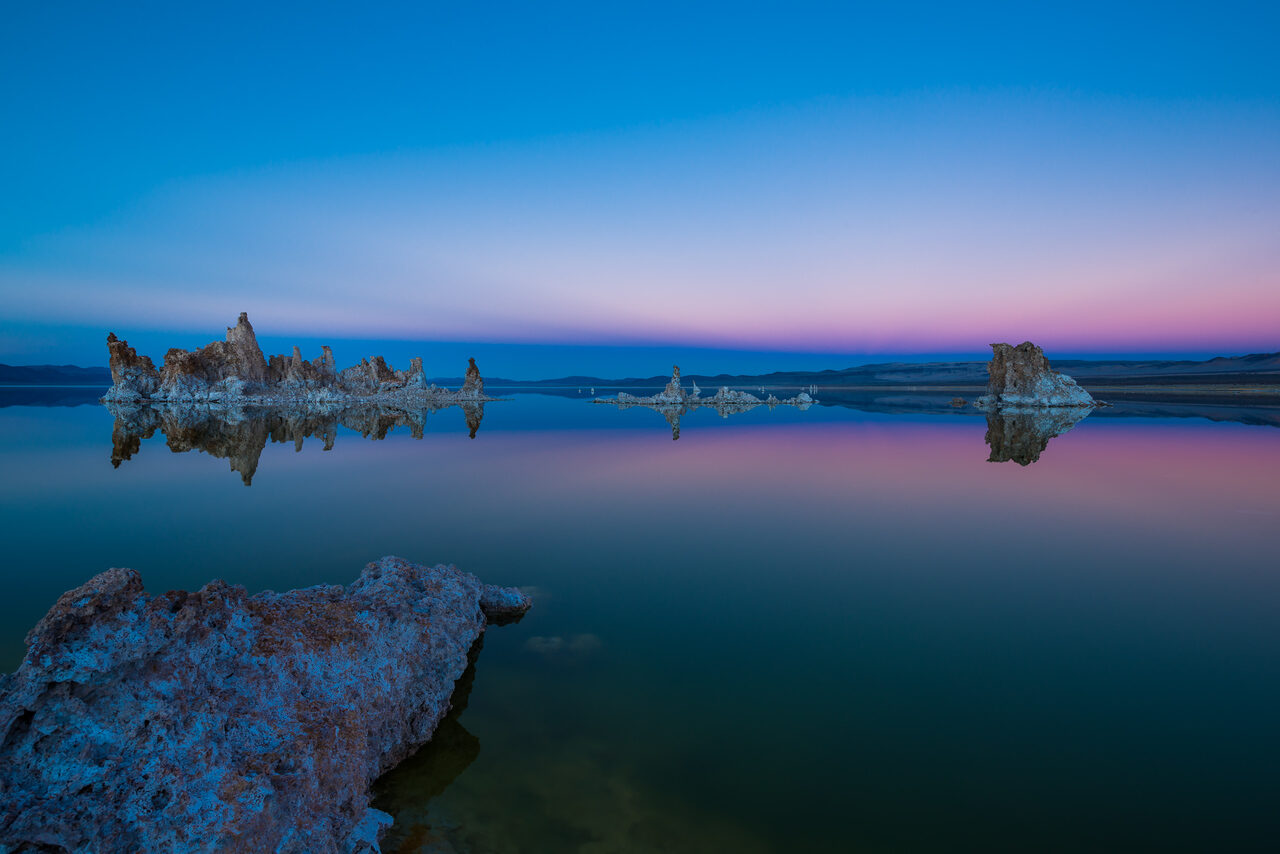
Landscape and architecture
f/8-f/11: the intersection of lens sharpness and depth of field. Go smaller only when a close foreground genuinely demands it, and remember that walls must be straight – architecture cares as much about where you stand as what aperture you pick.
 Save
Street and travel
f/5.6-f/8 with zone focusing: pre-focus at a fixed distance and depth of field does the rest, which is how street photographers shoot faster than autofocus. The range also forgives travel’s grab shots – enough depth that a rushed frame still holds together.
 Save
Sports and wildlife
f/2.8-f/4, and the aperture is really buying shutter speed. Freezing a sprint takes 1/1000 or faster, and in anything but noon sun that means shooting near wide open. The shallow depth is a side effect you learn to aim – put the focus point on the eye and let the rest fall.
Macro and astro
The two extremes. Macro depth of field is measured in millimeters at any aperture, so f/5.6-f/8 for sharpness plus focus stacking for depth. Astro inverts everything: stars are point light sources at infinity, so shoot wide open and let shutter speed (the 500 rule) and ISO carry the exposure.
Frequently asked questions
Why do different genres need different apertures?
Because each genre is optimizing for a different thing. Portraits optimize for subject separation, landscapes for front-to-back sharpness, sports for shutter speed, astro for raw light collection. Aperture is the same control in every case – it just serves a different master. Learning the genre defaults is really learning what each genre cannot compromise on.
Is there one aperture that works for everything?
f/5.6 comes closest – decent sharpness on almost any lens, usable depth of field, enough light gathering for most daylight situations. Photojournalists have defaulted to it for decades for exactly that reason. But “works for everything” means “optimal for nothing”: the moment you know what you are shooting, the genre default beats the universal compromise.
Should beginners learn genre apertures or just experiment?
Learn the defaults first, then break them on purpose. The genre ranges exist because generations of photographers already ran the experiment: f/1.8 portraits, f/8 landscapes, f/5.6 street. Starting from the default lets you spend your experimentation budget on the interesting questions – when does a landscape work at f/2.8, when does a portrait want f/8 – instead of rediscovering why f/16 makes portraits muddy.
Keep Learning, Free
Aperture, depth of field, and exposure fundamentals – the Shut Your Aperture tutorials library covers the full craft, free.
For more photography courses, explore Shut Your Aperture Academy.