Best Aperture for Street Photography: The Complete Guide
Updated
~5 min read
Street photography asks one thing of aperture: enough depth of field that focus stops being the bottleneck. Everything else – the classic settings, the exposure setup, when to break the rules – follows from that. This is the complete guide, brand-agnostic.
 Save
The working range: f/5.6-f/8
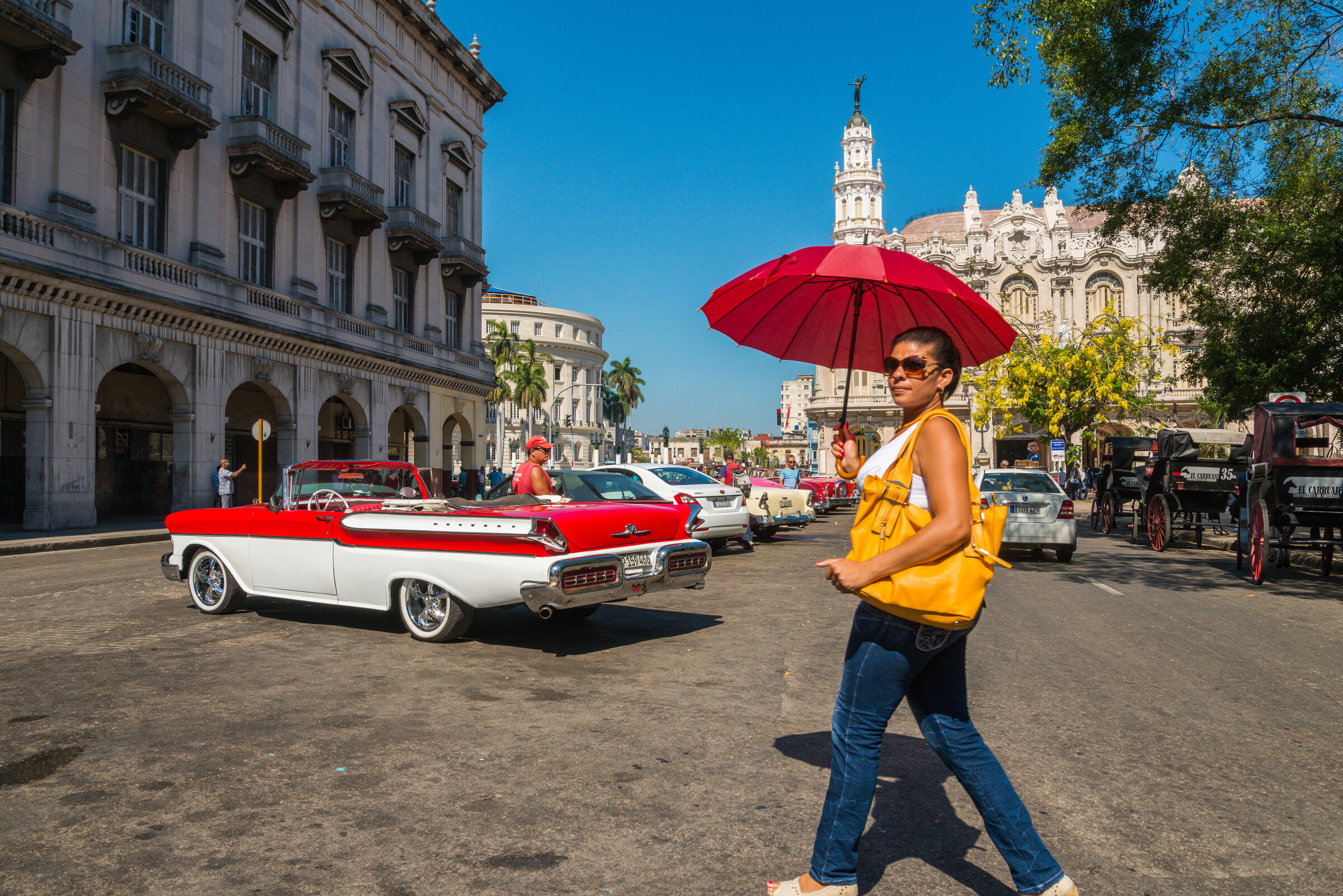
f/5.6 to f/8 is street’s working range on any system. It delivers a zone of sharpness deep enough to work inside, sits near the sweet spot where most lenses perform best, and still gathers enough light for daytime shutter speeds. On crop sensors, lean toward f/5.6 – the smaller format already gives you more depth per stop, so spend it on light.
 Save
Zone focusing: the street superpower
Set the aperture, pre-focus at a fixed distance, and shoot everything that walks into your zone – no focusing at all. At f/8 focused at 3 meters on a 35mm-equivalent lens, your sharp zone runs from about 1.5 meters to the horizon. This is how the classic street photographers worked, and it remains faster and more reliable than any autofocus system for candid work. Autofocus is the backup for single subjects at wider apertures, not the primary tool.
The exposure setup
Aperture priority, Auto ISO with a 1/250 minimum shutter, exposure compensation within thumb’s reach. You choose depth, the camera holds speed, ISO floats. In steady light – one street, one afternoon – full manual set once is even better, because the meter stops second-guessing backlit scenes. Either way, the setup has one job: zero decisions between seeing the moment and making the frame.
When to shoot wide open instead
Three situations. Single-subject street portraits, where you have two seconds to focus and want the background gone. Night street, where shutter speed rules everything. And flat light on empty streets, where a shallow frame adds the depth the light did not. Wide open in street work is a deliberate choice, not a default – the zone is what makes the genre fast.
 Save
Night street flips the rules
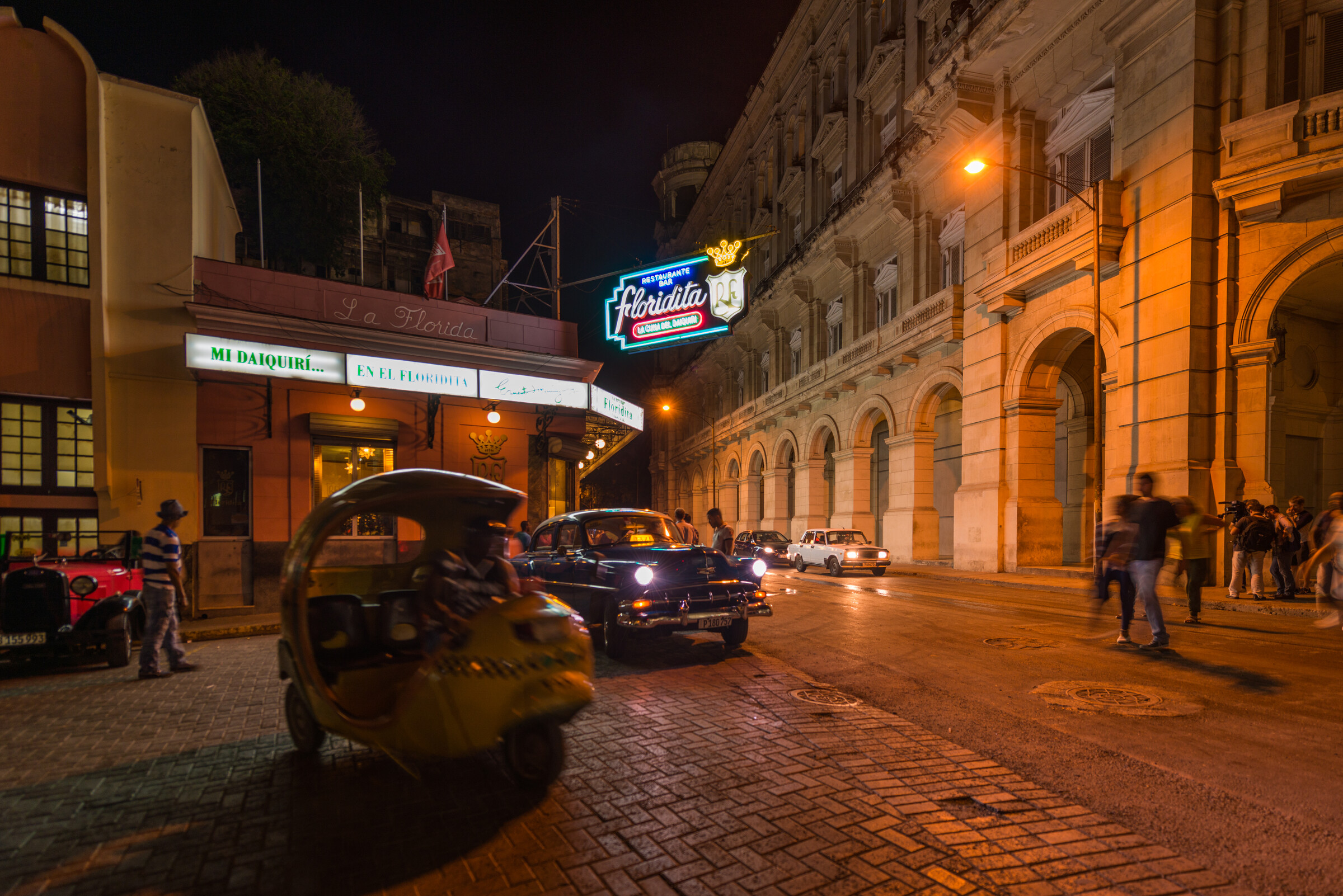
After dark, aperture buys shutter speed: f/1.8-f/2.8, Auto ISO to 6400, minimum shutter 1/125, and autofocus back on because zones get thin. Neon, storefronts, and headlights become the light sources – expose for the lit areas and let shadows go black. Some motion blur is part of the night look; a sharp subject against streaking traffic is a feature, not a failure.
Frequently asked questions
Is f/8 really the classic street photography aperture?
Yes, and the reason is zone focusing. At f/8 on a 35mm-equivalent lens focused at about 3 meters, everything from roughly 1.5 meters to infinity is acceptably sharp – you can shoot without focusing at all, which is faster than any autofocus ever made. f/8 also sits near the sharpness sweet spot of most lenses. It is not a rule: it is the answer to “how do I never miss focus again,” and night street or single-subject work legitimately wants wider.
Aperture priority or manual for street photography?
Aperture priority with Auto ISO and a minimum shutter speed is the modern street setup, and it is what most working street photographers actually use. You control depth of field, the camera holds a safe shutter, ISO absorbs the rest. Full manual makes sense in consistent light – a sunny afternoon on one street – where you set once and shoot all day. The wrong answer is the one that makes you think about exposure while the moment happens.
What minimum shutter speed do I need for street?
1/250 as a default, 1/500 if people are moving fast or you are shooting from a moving position. Street subjects walk, gesture, and turn – 1/125 that freezes a statue smears a pedestrian’s hands. On lenses 50mm and wider, 1/250 covers both subject motion and your own shake in daylight. At night, 1/125 is the practical floor for people, and you accept some motion as atmosphere.
Keep Learning, Free
Aperture, zone focusing, and street technique – the Shut Your Aperture tutorials library covers the full craft, free.