By Edin Chavez. Updated November 2026.
I have shot events for a long time. Conferences, galas, product launches, expos, sports days, school picture days, brand activations. When I look back at the work, the same thing stands out: the photographers who stay busy are not always the best photographers. They are the ones who know where the jobs are, answer fast, and show up looking like someone a planner can trust.
If you searched for event photography jobs near you, you probably already own a camera and a lens you like. What you are missing is a steady stream of paid work. This guide covers where event photography jobs really come from, how to get in front of them, how to answer a posting so you win it, and how to avoid the gigs that cost you more than they pay.
I will point to ProShoot at a few spots, because it is built around exactly this problem: clients post a shoot, photographers bid, and payment is held until the photos are delivered. You do not need ProShoot to use anything in this article. But it is a good place to practice every step below.
Looking for event photography jobs? Browse open jobs and create your photographer profile on ProShoot at proshoot.io/join/, then see the event photographer page at proshoot.io/event-photographer/. Clients post shoots, local photographers bid, and payment is held until the photos are delivered.
What counts as an event photography job
“Event” covers a lot of ground, and the type changes how you get hired, what you bring and what you charge.
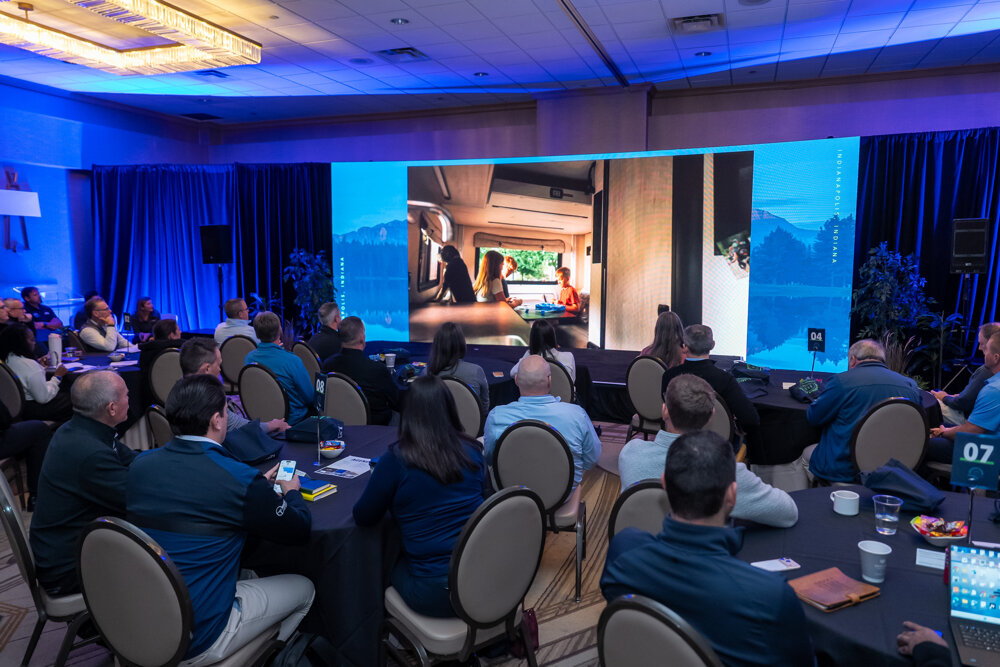
- Corporate events. Conferences, trade shows, product launches, award dinners, team offsites, holiday parties. Clients are marketing managers and event planners. They pay on time because a company is paying, and they book repeat work.
- Private events. Milestone birthdays, quinceañeras, bar and bat mitzvahs, anniversary parties, retirement parties. Clients are individuals, often booking for the first time and nervous about it.
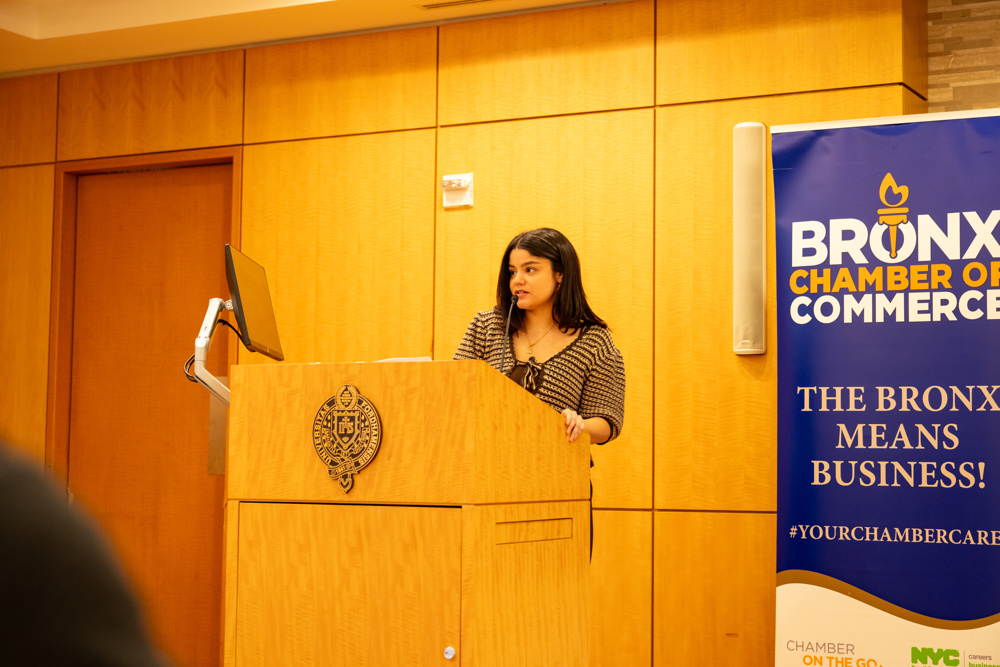
- Nonprofit and community events. Fundraisers, charity runs, galas. Budgets are tighter, but the room is full of people who throw other events.
- Nightlife and venue events. Club nights, restaurant openings, brand pop-ups. Fast, loud, low light, and a good place to learn.
- Sports and school events. Team days, tournaments, picture day. High volume, repeat clients, and a very different workflow from a ballroom.
- Festivals and parades. Big crowds, long days, usually a media or sponsor angle.
Weddings are technically events too, but the market works differently and has its own rules. This article is about everything else.
The honest map of where the jobs come from
Over the years I have watched event work arrive from six places. Most photographers use one or two. The ones who stay booked use four or five.
1. Marketplaces where the client posts the job
This is the fastest route for a photographer with no existing client list. A client describes the shoot, date, city and budget, and photographers respond with a proposal. You do not cold call anyone. The job comes to you.
On ProShoot, a client posts the shoot and local photographers bid within hours. The client compares portfolios and proposals, hires one, and payment is held in escrow until the photos are delivered. If you are building from zero, open jobs in your city are the quickest way to find out what clients actually ask for and what they are willing to pay. You can see it on the join page for photographers at proshoot.io/join/.
The catch with any marketplace is competition. You are one of several bids. Later in this guide I cover how to win those, because most photographers lose them in the first two lines of their message.
2. Venues
Venues host event after event, and every planner who books them gets asked the same question: do you know a good photographer? Hotels, ballrooms, convention centers, restaurants with private rooms, rooftop bars, museums, and galleries all work this way.
Walk in with a short, professional intro and a one-page sample of recent work at that venue or a similar one. Ask for the events manager. Do not ask for work. Ask whether they keep a preferred vendor list, and what they need from a photographer to be on it. Some venues require proof of insurance. Having a certificate of insurance ready puts you ahead of most of the people who ask.
3. Event planners and production companies
Planners are the most reliable source of repeat event work. One good planner can send you ten events a year. They care about three things: you show up early, you do not get in the way, and the photos arrive when promised.
Find planners the way they find each other. Look at who tags whom on Instagram at local events. Look at the vendor credits on a venue’s website. Introduce yourself with a short email and a link to a gallery of an event with similar style. Do not send a link to your whole portfolio. Send the one gallery that proves you can do their kind of event.
4. Corporate marketing teams
Marketing managers book photographers for conferences, internal events, and brand activations, often through a procurement list. Getting on a list takes paperwork and patience, but companies that hire once tend to hire again. Early on, aim for mid-sized companies without a formal procurement process, where one person decides.
5. Other photographers
This is the one nobody talks about. Busy event photographers turn down work every weekend because of conflicts. They need people they trust to hand those jobs to. Being the reliable second shooter, backup, or overflow photographer for someone established is how a lot of careers start. Be easy to work with, deliver what they ask, and never poach their client. That last one ends the relationship for good.
6. Your own search visibility
People search “event photographer near me” and “[city] event photographer.” A simple website with a page per service and city, real galleries and clear contact options will bring in a small steady stream over time. It is slow. It is also the only source on this list that keeps working while you sleep.
 Save
Build the small portfolio that gets you hired
You do not need a hundred images. You need a tight set that answers a planner’s real questions.
A planner looking at your work is asking:
- Can this person handle low light and mixed lighting?
- Will they capture the moments that matter, such as the speaker, the toast, the award, the handshake?
- Will the photos make my event look good?
- Are they organized enough to deliver on time?
Build a gallery of 20 to 30 images that answer those four questions. Include wide room shots that show the scale and the setup, candid guest moments, a few clean portraits of people at the event, and detail shots of décor and food. Group them by event, not by photo type. A planner wants to see a full story from one night, not a random mix.
If you have no paid event work yet, create it. Offer to photograph a friend’s party, a local charity run, or a school fundraiser. Tell the organizer up front that you are building a portfolio and ask permission to use the images. Then treat it like a paid job. Show up early, shoot the whole thing, and deliver quickly. That one gallery, done well, is worth more than a hundred loose frames.
The gear that is enough
I have seen photographers lose jobs because they showed up with too little, and I have seen others spend a fortune on gear they did not need. For most events you want:
- Two camera bodies, so you never miss a moment changing a lens.
- A fast standard zoom for the room, and a short telephoto zoom for speakers and reach.
- A flash that you can bounce or put on a bracket, plus spare batteries for everything.
- Memory cards with a backup plan. Shoot to two cards if your camera supports it.
- A small bag you can carry for eight hours without wrecking your back.
If you are choosing between spending on a lens or on a backup body, buy the backup body. A dead camera at a keynote is the kind of mistake planners remember.
For help choosing, my camera and lens buyer guides on this site break down the options by use case. If you are still deciding on a body, start with my camera buying guide and match it to the kind of events you want to shoot.
How to answer a job posting so you win it
This is where most photographers lose. They see a posting, send a generic message with a link to their website, and wait. Here is what works instead.
Respond fast
On any marketplace, the first few bids get the most attention. When a client posts a shoot, they are actively shopping. They open their messages in the first hour. A thoughtful reply in that window beats a perfect reply a day later. Set notifications on your phone so you see new jobs in your city.
Read the posting twice
Pull out the date, location, event type, number of guests, length, and budget. Then pull out the one thing the client cares about most. It is usually in a single sentence: “We need photos for our social media,” or “The CEO is speaking and we need great shots of him,” or “It is our company’s 10th anniversary.” Mention that sentence in your reply. It proves you read it.
Lead with them, not you
Bad opening: “Hi, I am a professional photographer with ten years of experience.”
Better opening: “Hi Maria, a 300-person product launch in Tampa on December 12 sounds great. Since you mentioned using the photos for social media, I would deliver a set of 20 priority images within 24 hours and the full gallery within a week.”
The second one tells the client how their problem gets solved. It takes about the same amount of time to write.
Show one relevant gallery
Send one link that matches their event. A corporate client does not need your wedding gallery. If you do not have a matching gallery, say so plainly and show the closest one. Honesty helps you here. Planners trust photographers who do not oversell.
State your price clearly
A vague price makes clients nervous. A clear price with clear inclusions makes the decision easy. For events, many professionals quote by the hour with a minimum, and add clear line items for extras like a second shooter, rush delivery, or additional editing. Hourly pricing means the final number depends on the event. That is normal and clients understand it, as long as you explain what is included.
Include in the quote:
- Hours of coverage.
- Number of photographers.
- What is delivered, in what format, and by when.
- Usage rights, meaning what the client can do with the photos.
- Your cancellation and overtime terms.
Do not race to the bottom
The cheapest bid does not always win, and when it does, the client often regrets it. Price within the range for your market, and compete on speed, clarity, and proof. If a client only cares about the lowest number, they are not your client, and that is fine.
Ask one good question
End with a question that moves the conversation forward. “Do you have a shot list or key moments you want covered?” works. So does “Will there be a step and repeat or a sponsor wall?” A good question shows you have done this before.
 Save
Pricing event work without guessing
Pricing is where new event photographers get stuck. A few principles I use.
Charge for the whole job, not the hours at the event. A four-hour event is not a four-hour job. You spend time on communication, travel, setup, culling, editing, delivery, and backups. If you charge only for the hours you stand in the room, you are working for much less than you think.
Use a minimum. A one-hour event still costs you travel, parking, and most of an evening. A minimum protects you from that.
Know your market. Rates change with the city, the event type and the client. Look at what other photographers in your area publish and at what clients post as their budget. Marketplaces help here, because you can see real budgets on real jobs instead of guessing.
Raise your price when you are busy. If you are turning down work, you are too cheap. Raise your rate on the next quote and see what happens.
Keep rush work expensive. Same-day or next-day turnaround costs you sleep. Charge for it.
I wrote more about raising rates without losing clients in a separate post on ProShoot, linked below.
Delivery is half the job
Most event photographers lose repeat clients not on the shoot but afterward. The photos arrive late. The gallery is messy. There are 900 images and no one knows which ones matter.
A delivery routine that works:
- Back up before you leave. Copy your cards to two places before you pack up. Do not format a card until the job is delivered and confirmed.
- Cull ruthlessly. Delete blinks, duplicates, and misses. Clients want the best 150, not all 900. If you shoot a lot, an AI culling tool can save hours. I use one on high-volume jobs and wrote about it in my review of AI culling and editing software.
- Edit consistently. Pick one look and apply it to the whole set. Consistency looks professional.
- Deliver priority images first. If the client needs social media photos tonight, send 10 to 20 the same evening. That one move makes you the photographer they call again.
- Use a clean gallery. Download links that expire or are hard to use annoy clients. Use a gallery that works on a phone.
- Follow up. A week later, send a short message asking whether they got what they needed and whether they have another event coming up.
Protect yourself: contracts, insurance and payment
Event work has more moving parts than most photographers expect. Three things protect you.
A simple written agreement
Even for a small job, write down the date, time, location, hours, price, deliverables, delivery date, usage rights, cancellation terms, and what happens if the event runs long. One page is enough. A short agreement prevents most disputes before they start.
Insurance
Many venues and corporate clients ask for a certificate of insurance. General liability coverage is common for event work. Talk to a licensed insurance agent about what fits your situation. If you are working toward corporate and venue clients, having coverage in place opens doors that stay closed otherwise.
Payment you can count on
Late payment is the biggest pain in freelance event work. Take a deposit to hold the date. Get the balance on or before delivery. If you are working through a marketplace that holds payment until the photos are delivered, you have a built-in protection, and the client knows their money is safe too. On ProShoot, client payments are held until delivery, which takes the awkward money conversation off the table for both sides.
Red flags that tell you to walk away
Not every posting deserves a reply. These are the ones I skip.
- “Exposure” instead of pay. If the budget is exposure, you are being asked to work for free.
- No date, no location, no details. A client who will not describe their event will not be easy to work with.
- Unlimited edits and unlimited usage for a small price. That is a recipe for unpaid work.
- Pressure to skip the agreement. If they will not put it in writing, they will not honor it later.
- Payment only after “approval” with no defined standard. Without a clear delivery standard, the client can decide your work is never good enough.
- A request to work way outside your skills. Do not take a job you cannot do well. A bad gallery costs you more than a lost fee.
For a longer list, see the post on ProShoot about photography client red flags.
Your first 30 days: a simple plan
If you want to go from zero to booked, here is what I would do in the next month.
Week 1: Build the base. – Pick one event type to focus on first. Corporate is a good start for consistent pay. – Build a gallery of 20 to 30 images from a real event. – Write a one-page agreement and a simple quote template. – Create your profile on a marketplace and fill it out fully, including a clear photo, your specialties and your city.
Week 2: Start answering jobs. – Check for new jobs in your city twice a day, morning and evening. – Send three to five thoughtful replies a week using the approach above. – Keep a simple log of what you sent, the budget, and the result.
Week 3: Go to the venues. – Visit five venues in your city. Ask for the events manager, introduce yourself briefly, and leave a one-page sample. – Email three event planners with your best gallery.
Week 4: Follow up and learn. – Follow up with everyone you contacted. – Look at your log. Which replies got responses? Which did not? Adjust. – Ask every client you have worked with for a short testimonial, and for an introduction to anyone else who books events.
You will not be booked solid in 30 days. You will have a system, and a system is what turns a hobby into a business.
Common mistakes I see new event photographers make
Showing up late. Arrive an hour before the event starts. Walk the room, find the light, meet the planner, and learn where the key moments will happen.
Shooting only candid photos. Planners also need clean photos of sponsors, speakers, and décor. Get both.
Ignoring the schedule. Ask for the run of show. Know when the speech, the toast, or the award happens, and be in position five minutes early.
Skipping the backup. Dead cards and failed drives happen. Always have a second copy.
Underbuying lighting skills. Dark rooms are the norm. Learn to bounce flash, raise ISO with confidence, and recover shadows in editing.
Forgetting to ask for the next job. At the end of the night, tell the planner you would love to work with them again. Then follow up.
Where to practice: a place to start today
If you want to see what real event jobs look like in your city, browse open photography jobs on ProShoot. You can read what clients ask for, what they want delivered, and how they describe their budget before you ever bid. Even if you never send a proposal, an hour of reading real postings will teach you more about this market than a month of guessing.
Start here:
- Photographers: proshoot.io/join/ lists open jobs and how joining works.
- Event photographer pages: proshoot.io/event-photographer/ covers the event category.
- Clients hiring for an event: proshoot.io lets you post a shoot and compare bids from local photographers.
Frequently asked questions
How do I get my first event photography job with no experience?
Offer to photograph a friend’s party or a local fundraiser, tell them you are building a portfolio, and deliver a polished gallery fast. Use that gallery to apply to postings. Many first paid jobs come from a first free one done well.
How much should I charge for event photography?
It depends on your city, the event type, how long you shoot, and what you deliver. Many professionals charge hourly with a minimum and add extras for a second shooter and rush delivery. Compare what other local photographers publish and what clients post as budgets, then price in the same range.
Do I need insurance for event photography?
Not by law in every case, but many venues and corporate clients require proof of insurance before they will let you work. Ask a licensed insurance agent what coverage suits you.
Where can I find event photography jobs near me?
Marketplaces where clients post jobs, venues, event planners, corporate marketing teams, other photographers who need backup, and your own website all work. Use several at once.
Should I work for free to build a portfolio?
A small number of portfolio shoots is reasonable when you choose them on purpose and keep the rights to use the images. Do not accept ongoing unpaid work in exchange for exposure.
What camera do I need for event photography?
Two bodies, a fast standard zoom, a short telephoto zoom, and a flash cover most jobs. The backup body matters more than a fancier lens.
How fast should I deliver event photos?
Send a small set of priority images within 24 hours when the client needs them for social media, and the full gallery within a week or whatever you promised in writing. Keep your promise.
Browse event photography jobs on ProShoot
ProShoot is a marketplace where clients post a shoot and local photographers bid on it. Clients post the date, location and what they need, photographers send proposals, and payment is held until the photos are delivered. If you are looking for event photography jobs, start by creating a photographer profile at proshoot.io/join/, then look at the event photographer category at proshoot.io/event-photographer/ to see what clients ask for in your city. Read a few postings first, then send a short, specific bid that follows the structure in this guide. Check ProShoot’s current terms yourself before you take a job.
Clients who want to hire a photographer can post a shoot at proshoot.io and compare bids from local photographers.
The short version
Event photography jobs come from marketplaces, venues, planners, corporate teams, other photographers, and search. Build a small gallery that proves you can handle their kind of event. Reply fast, lead with the client’s problem, state your price clearly, and ask one good question. Protect yourself with a written agreement, insurance, and a payment you can trust. Deliver on time, then ask for the next job.
If you want a place to start, look at the open jobs in your city on ProShoot, send your first proposal this week, and keep a log of what happens. The photographers who win are the ones who keep sending.
Recommended gear
- Camera bodies for event photography: Amazon | B&H
- Fast zoom lens for event photography: Amazon | B&H
- Speedlight flash for event photography: Amazon | B&H
As an Amazon Associate and B&H affiliate, we earn from qualifying purchases.
Related reading