Updated November 2026. Original archive note retained below with an immediate correction about the apparent crystal growth. Historical sources, frost illustrations and small-detail photography exercises follow.
Snowtime is a microscopic time-lapse of snowflake formation by Vyacheslav Ivanov (Slava Ivanov). The original Vimeo page, oEmbed and player currently load. Camera and edit: Vyacheslav Ivanov. Music credit in the original description: Aphex Twin, “Avril 14th.” An unrelated portrait-photography interlink has been removed.
Correction to the retained note: New Scientist reported on February 27, 2014 that Ivanov recorded ice crystals subliming away and reversed the footage to produce the apparent growth. The archive wording “snowflake formation” should not be read as direct forward-time documentation of growth. The original Vimeo player remains available; the method is discussed below.
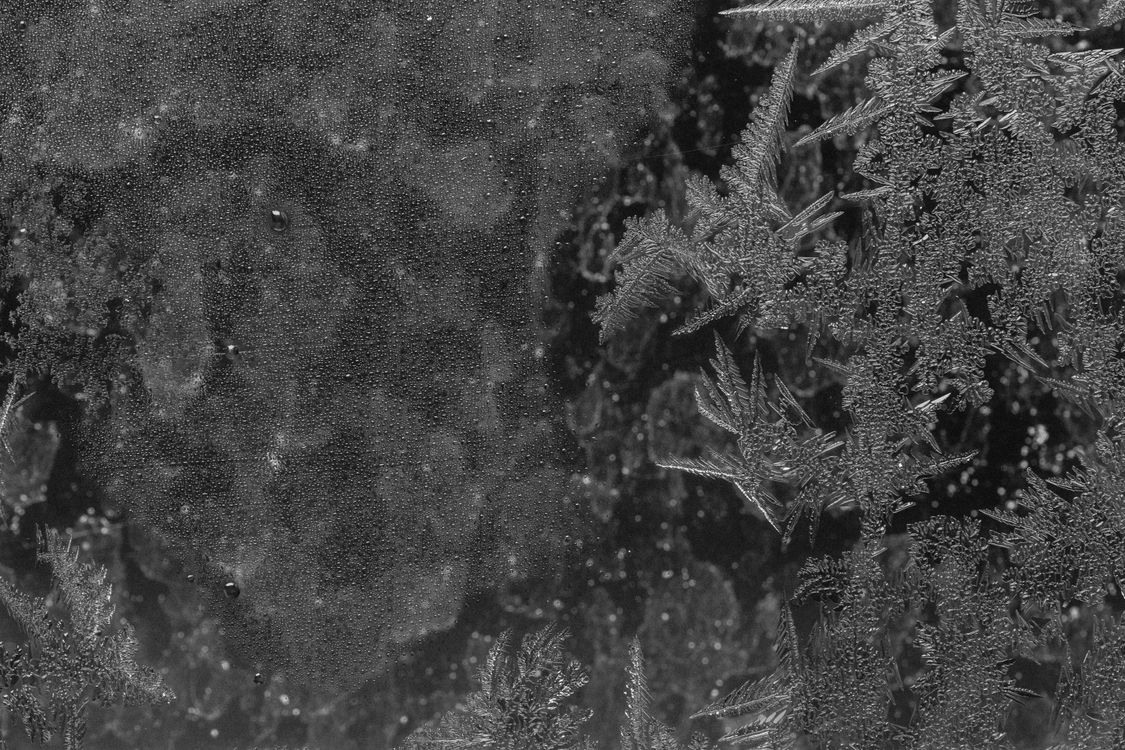
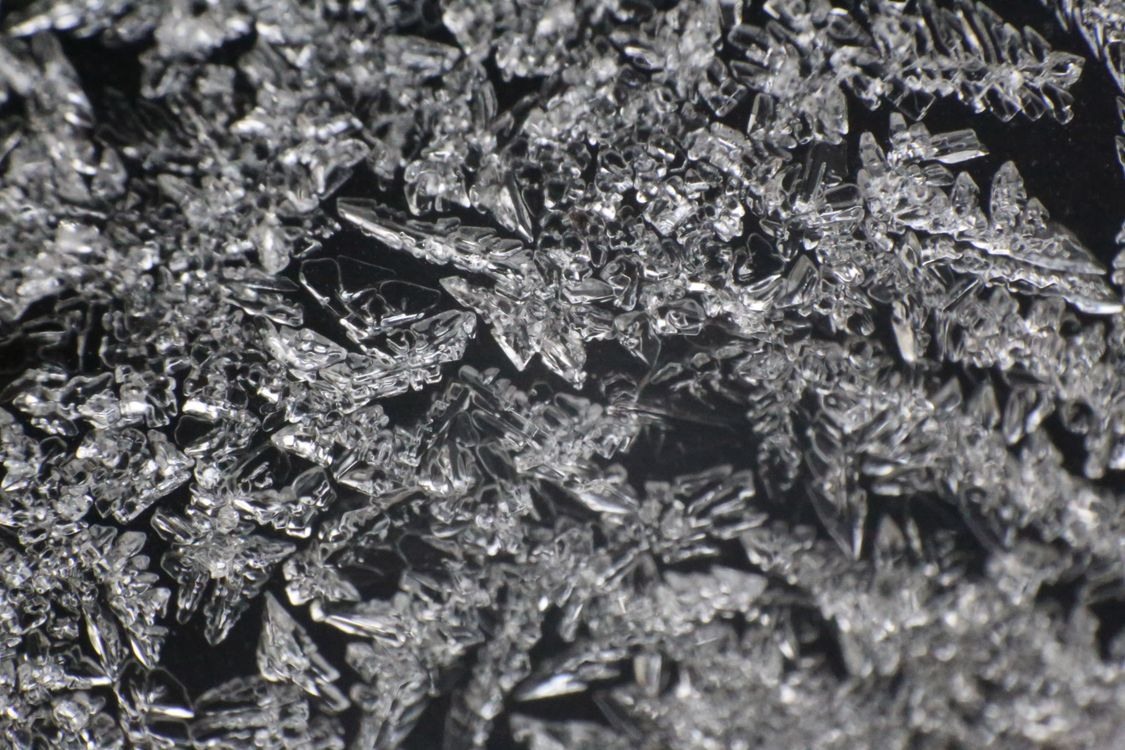
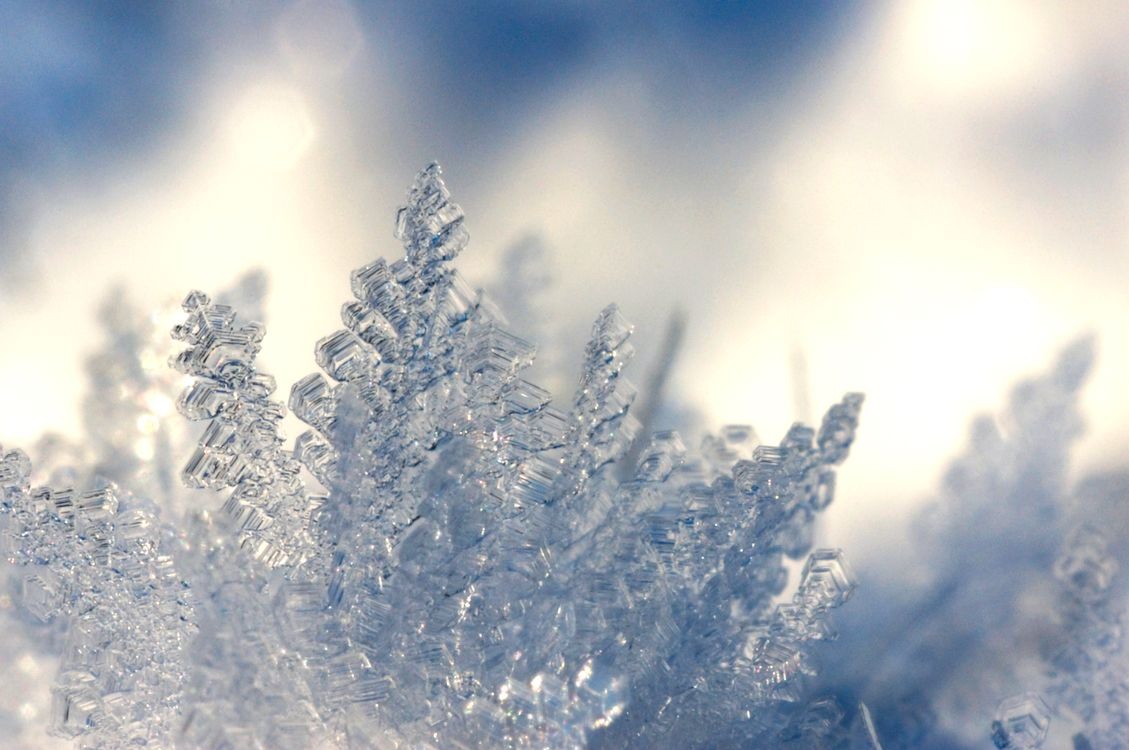
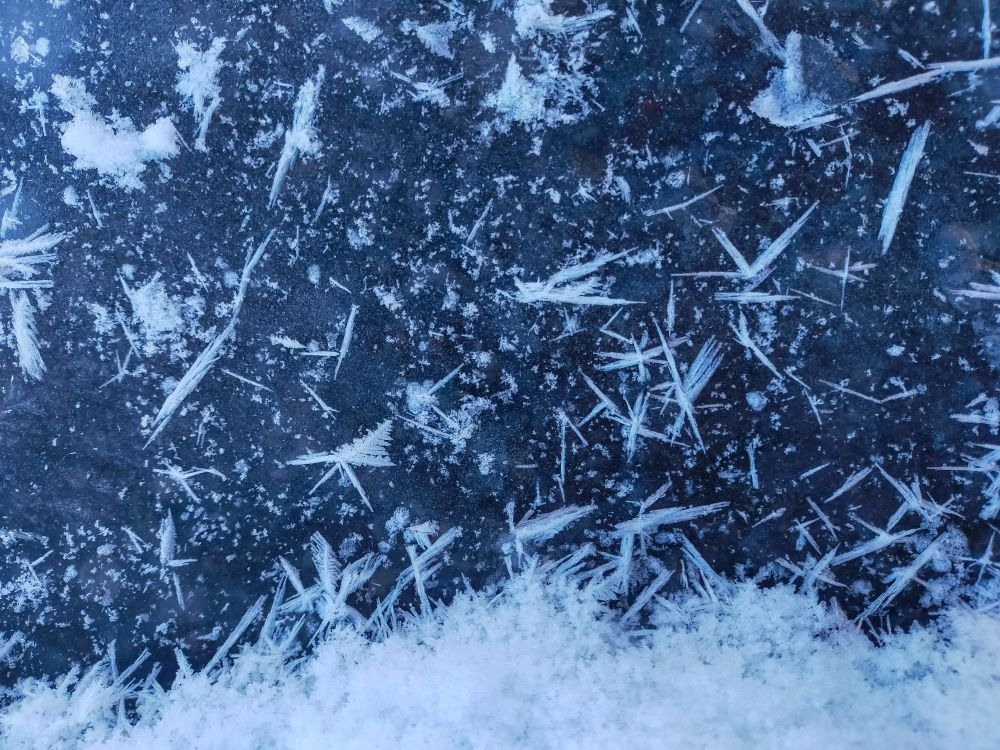
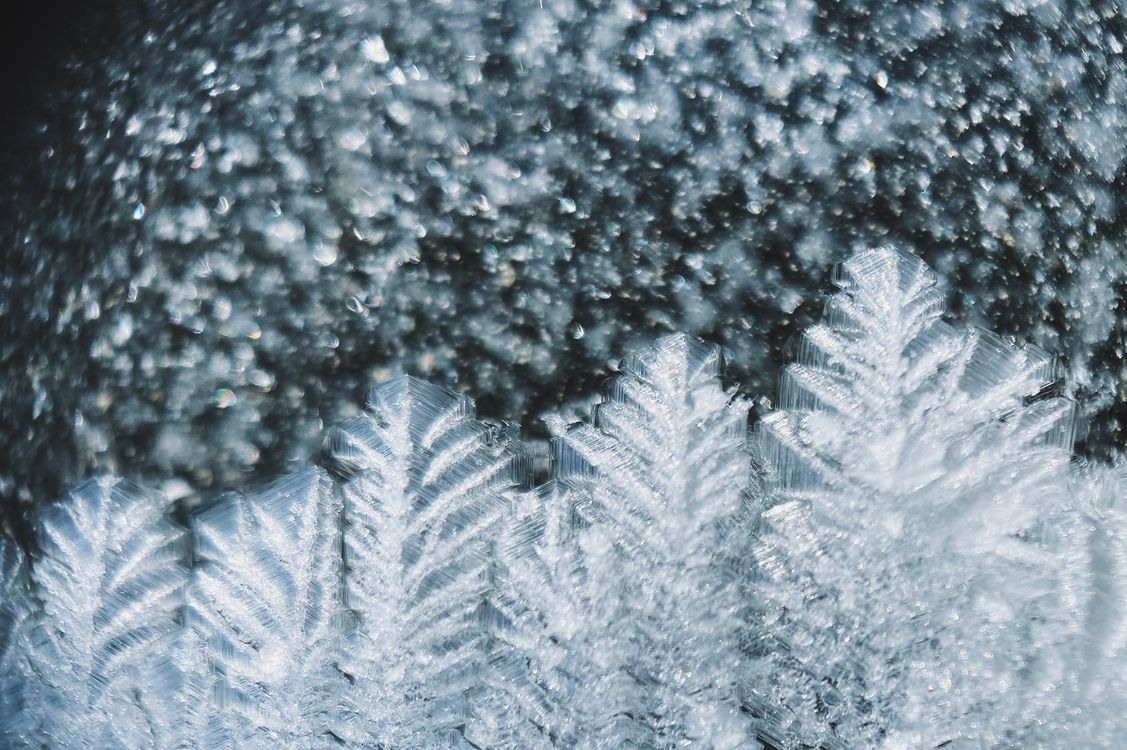
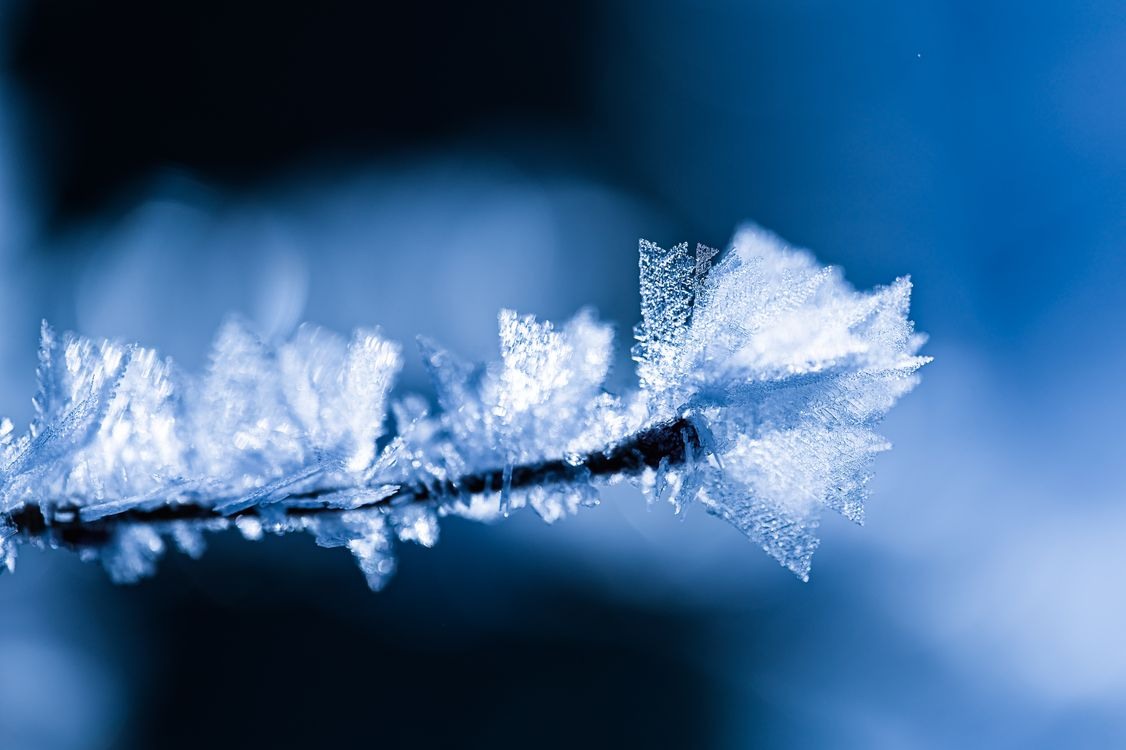
Header photograph: Sebastian Luna via Pexels. Illustrative frost study, not a frame from Snowtime or a photograph by Vyacheslav Ivanov. The five photographs below are separately credited illustrations.
Snowtime: look closely, then check what the sequence means
Snowtime is a short film by Vyacheslav Ivanov, whose original Vimeo account identifies him as Slava Ivanov. Its close views of delicate ice structures make an immediate visual impression, but the history of the film also offers a useful lesson about interpreting moving images. A sequence that appears to show something growing does not, by appearance alone, establish how it was recorded or edited. The original archive note is preserved above with an immediate correction. This expanded discussion separates the film, contemporary reporting, snow-crystal science and practical questions for your own small-detail photographs. It does not claim to reproduce Ivanov’s filming setup.
The distinction comes from the reporting itself. Colossal’s February 23, 2014 article described the film as snowflakes forming and said it was seeking more information about the method. Imaging Resource’s February 24 coverage likewise noted that the available production description was sparse. A later New Scientist report dated February 27 states that Ivanov recorded crystals subliming away and reversed the video. That later account changes how the apparent growth should be described. An attractive sequence remains attractive, but the explanation needs the added context.
 Save
Keep the editing disclosure beside the visual claim
Reversing a sequence can be a valid creative choice. The problem arises when a viewer is invited to treat the reversed result as a direct record of a process moving forward in time. For this film, the fair description is an apparent growth effect that New Scientist attributes to reversed footage of sublimation. This page does not independently reconstruct the original capture workflow, and it does not turn early coverage into proof that the film recorded forward crystal growth. Keep that limit in view whenever you share a reference. A short, clear qualification is more useful than leaving a confident but incomplete explanation untouched.
This is also a practical habit for your own work. If you reverse, accelerate, combine or otherwise change the temporal order of a sequence, decide what the audience needs to know to interpret it correctly. A purely abstract piece and a scientific demonstration make different promises. You can enjoy one without confusing it with the other. Write the description while reviewing the finished edit, not only while remembering the original idea. Ask whether an ordinary reader would reach a false conclusion about what happened, when it happened or how quickly it happened. If so, change the wording or make the editing choice explicit.
Snow crystals and snowflakes are related terms, not identical promises
For the basic science, SnowCrystals.com’s science introduction is a more useful reference than a film caption. It explains that a snow crystal is a single ice crystal with molecules arranged in a hexagonal structure, while snowflake can also mean an aggregate of many crystals. The page also explains that snow crystals form when water vapor turns directly into ice, rather than being frozen raindrops. These distinctions help a photographer describe a subject without overreaching. A frosted surface, a cluster of ice and a single stellar crystal can all make interesting photographs, but they should not automatically receive the same label.
The same source cautions that irregular crystals are common. Photographs of near-perfect forms can create an impression that every snowfall is full of equally symmetrical subjects waiting to be found. A selection of beautiful examples is still a selection. When you look at your own images, describe the form you actually recorded: a branching pattern, an uneven cluster or frost along an edge. You do not need to identify every crystal type to make a useful photograph. When a scientific classification matters, consult an appropriate reference and acknowledge uncertainty rather than choosing a technical name because it sounds impressive.
 Save
Why six-fold structure is a starting point, not a complete caption
SnowCrystals.com connects six-fold symmetry to the arrangement of water molecules in the ice lattice. It also explains that temperature and humidity influence how crystals develop, and that different forms can result. That is enough context to challenge two common shortcuts: not every icy detail is a textbook star, and the shape is not explained by a single camera setting or a single ground-level temperature. This page does not use a stock photograph to infer the conditions in which its subject formed. The images illustrate visual ideas; they do not establish the weather history of an individual crystal.
For a visual study, look for repeated directions, a center, branching edges and differences among neighboring structures. Record what can be seen before deciding what caused it. A photograph can document the outline and surface visible from one viewpoint, but it usually cannot reveal every stage of formation. That limit is especially important when an image feels unusually clear or persuasive. Sharp detail can make an explanation feel true even when the explanation comes from outside the frame. Keep the observation and the proposed cause in separate sentences. Then check the cause against a source that actually addresses it.
Start with a safe, accessible subject
You do not need a storm, a frozen lake or a remote location to practice attention to small detail. A permitted view of frost on glass or an ordinary textured object indoors can provide a useful starting point. Choose a place where you can stand steadily without obstructing others. Do not step onto unknown ice, lean out of a window or enter restricted property to reach a pattern. If a safe position does not give you the photograph you imagined, choose another subject. This article is about looking carefully, not about accepting more exposure or unstable footing for a closer frame.
Keep the exercise modest enough that you can stop easily. Check the conditions that apply to your actual location and protect yourself before protecting a camera. Avoid bringing electrical equipment into wet conditions unless it is intended and managed for that use. Do not scrape or alter someone else’s window, damage vegetation or remove material from a protected place. If the only suitable subject is a dry, ordinary object at home, you can still practice the same questions about focus, light and background. The learning goal is a clearer photograph, not proof that you encountered the most dramatic winter scene.
 Save
Choose which detail deserves to be sharp
Before moving closer, decide what the viewer needs to recognize. It might be the outline of one branch, the junction of several lines or the contrast between a smooth patch and a textured edge. If everything in the frame competes equally, the result may be busy without being informative. Make one photograph that prioritizes the chosen feature, then another that gives it more surrounding context. Compare them at a useful viewing size. The better frame is the one that communicates your intended detail, which may not be the closest frame or the one with the most dramatic background blur.
Review the important feature rather than relying on the overall impression of crispness. A bright reflection can appear sharp while the structure you meant to show remains unclear. If the subject or your viewpoint changes during the attempt, do not assume that the earlier focus decision still applies. Work within what your equipment can show reliably and avoid promising microscope-level detail from a general close-up. This page does not prescribe a universal aperture, focusing distance or exposure time. Those decisions depend on the actual subject, light and equipment, and should be tested against the photograph rather than copied from an unrelated example.
Use light to separate structure from glare
Ice and frost can produce bright areas that attract attention before the viewer has understood the pattern. In your own exercise, compare how the same subject reads from a few safe viewpoints relative to the available light. Look for an angle where the edge you care about remains distinct and the brightest areas do not erase it. Do not assume that more brightness automatically reveals more information. Sometimes a small change in viewpoint explains a layered surface more clearly than a more aggressive edit. Judge the result by the visible structure you wanted to communicate.
Make your comparisons deliberate. If you change the framing, exposure, background and viewpoint at once, it becomes hard to tell which change helped. Keep a short note, make one adjustment and examine the result. This is particularly useful for subjects that change while you work, because memory can confuse a change in the material with a change in the photograph. You do not need to record a scientific experiment to benefit from orderly practice. A few labeled comparisons can tell you more about your decisions than a large folder of near-duplicates whose differences you cannot explain later.
 Save
Give a close detail enough context
A tightly framed pattern can become an abstract image with little sense of scale. That may be exactly what you want, but it changes what the photograph can fairly explain. If the purpose is to show frost on a particular kind of surface, include a wider view or a caption that identifies the surface from your own observation. If you cannot establish the size of a structure, do not invent a measurement. A familiar-looking pattern does not supply a scale bar. This is one reason the stock images on this page are described as illustrations rather than scientific records of a measured specimen.
Try a small edit consisting of a context view and a detail. Ask whether the relationship is obvious without a long explanation. Keep color and contrast choices consistent enough that the reader can connect the two photographs, unless a clearly labeled difference is the point. Avoid turning an ordinary crop into a claim that you used a microscope or recorded a particular crystal-growth process. The strongest description may be very simple: frost on glass, photographed from a permitted position, with a close view of one branching area. Specific, limited language lets the photograph do its own work.
A sequence needs a record of time as well as pictures
Snowtime is a useful reminder that temporal order is part of meaning. If you make a sequence of a changing subject, keep the original order and note any changes you make in the edit. Do not claim that an interval, playback speed or direction was measured unless you actually recorded it. A series of stills can compare states without pretending to show a continuous process. Likewise, a creative moving image can alter time while saying so plainly. Choose the form that matches your purpose instead of treating every change as a scientific time-lapse by default.
When reviewing a sequence, look for jumps in framing, brightness or focus that could distract from the change you want to show. Some variation may be unavoidable or useful; the question is whether the viewer can still follow the subject. If the sequence has been reversed, say that near the presentation rather than burying it in an unrelated section. If several sessions are combined, avoid implying that they happened continuously. These habits make a film easier to trust and make your own editing choices easier to discuss. The disclosure is part of the work, not a separate obstacle to enjoying it.
 Save
Make a small set that answers one question
Before ending the session, ask what the photographs have added to your understanding. A clear comparison might show how one background makes an edge easier to see, or how a different angle changes the pattern of reflections. Keep that comparison together with the notes that explain it. You do not need to turn every practice attempt into a public gallery. A private pair of images with an honest description can be more useful than a dramatic picture whose method and subject have become confused. If you share the result, make the question and the limits just as easy to find as the photograph.
Keep credits and illustration labels visible
The archive note credits Ivanov for camera and edit and names Aphex Twin’s Avril 14th in the original music credit. Those credits identify the historical film context; they do not grant permission to download its footage or reuse its soundtrack. Use the original viewing source and follow the applicable permissions for any intended reuse. The added photographs have separate photographer credits and source links. None is a film frame, and none should be presented as evidence of Ivanov’s apparatus, location or sequence. A clear boundary between a reference and an illustration prevents an attractive page from quietly changing the reader’s understanding of its sources.
Finish your own exercise by pairing each chosen photograph with a plain sentence about what it shows. Check whether every noun and implied claim is supported by the image or your recorded observation. Remove claims about formation, scale or technique that you cannot establish. Then return to the film with a more useful question: what can the image itself show, and what needs explanation from outside it? That question works beyond snow and ice. It helps with product details, natural textures, studio experiments and any sequence whose visual effect is stronger than the production information available to the viewer.
Gear note: an optional tool for looking, not filming
For examining suitable small objects, an optional Carson LH-30 VersaLoupe 10x Magnifier was listed by B&H at $8.99 and in stock on November 8, 2026. We have not used it. This is a viewing loupe, not a camera lens, microscope filming system or item credited to Snowtime. It does not recreate Ivanov’s setup. No purchase is required for the suggested exercises. Follow the maker’s directions and do not look at the sun through magnifying optics. Price and stock can change.
Frequently asked questions
What is Snowtime?
It is a 2014 short by Vyacheslav Ivanov, whose Vimeo account uses Slava Ivanov, presenting close views of ice crystals.
Does it directly record snow crystals growing forward in time?
New Scientist’s February 27, 2014 report says Ivanov reversed footage of crystals subliming away to create the apparent growth effect. The original archive wording above is corrected immediately beside it.
Why do snow crystals often show six-fold structure?
SnowCrystals.com explains that this reflects the hexagonal arrangement of water molecules in the ice lattice. Crystal forms also depend on their growth conditions.
Is every snowflake a symmetrical six-pointed star?
No. Snowflake can mean an aggregate of crystals, and irregular forms are common. Selected photographs of near-perfect crystals do not represent every snowfall.
Are the added photographs frames from Snowtime?
No. They are separately credited frost and ice illustrations, not Ivanov’s film frames or documentation of his setup.
Do I need the Carson loupe to make these photographs?
No. It is an optional viewing magnifier, not a filming system. We have not used it, and the exercises do not require a purchase.
Can I reuse the film or its music because credits are listed?
A credit is not permission to reuse footage or music. Follow the original source’s applicable permissions for your intended use.