Updated November 2026. Original archive note retained below. The historical D4s references are not a hands-on review or current buying recommendation. Background, illustrations and study exercises follow.
In 2014, Corey Rich Productions released DEDICATED, a film project about photographers Dave Black, Robert Beck and George Karbus made around the launch of Nikon’s D4s. The original trailer page on Vimeo remains available and identifies Corey Rich Productions as the publisher. The old embedded player could not be verified in this audit, so use that watch page rather than relying on the embed.
This is an archive note about a film and a camera launch, not current gear advice. The original still below shows the trailer title and scenes from the film. Credit: Corey Rich Productions.
Archive clarification: the source availability wording above is retained from an earlier audit. The original Vimeo watch page could not be reverified in this update. The current article body does not reproduce the still mentioned in that note; use the linked production posts for the filmmaker’s own presentation. The added images below are separate illustrations.
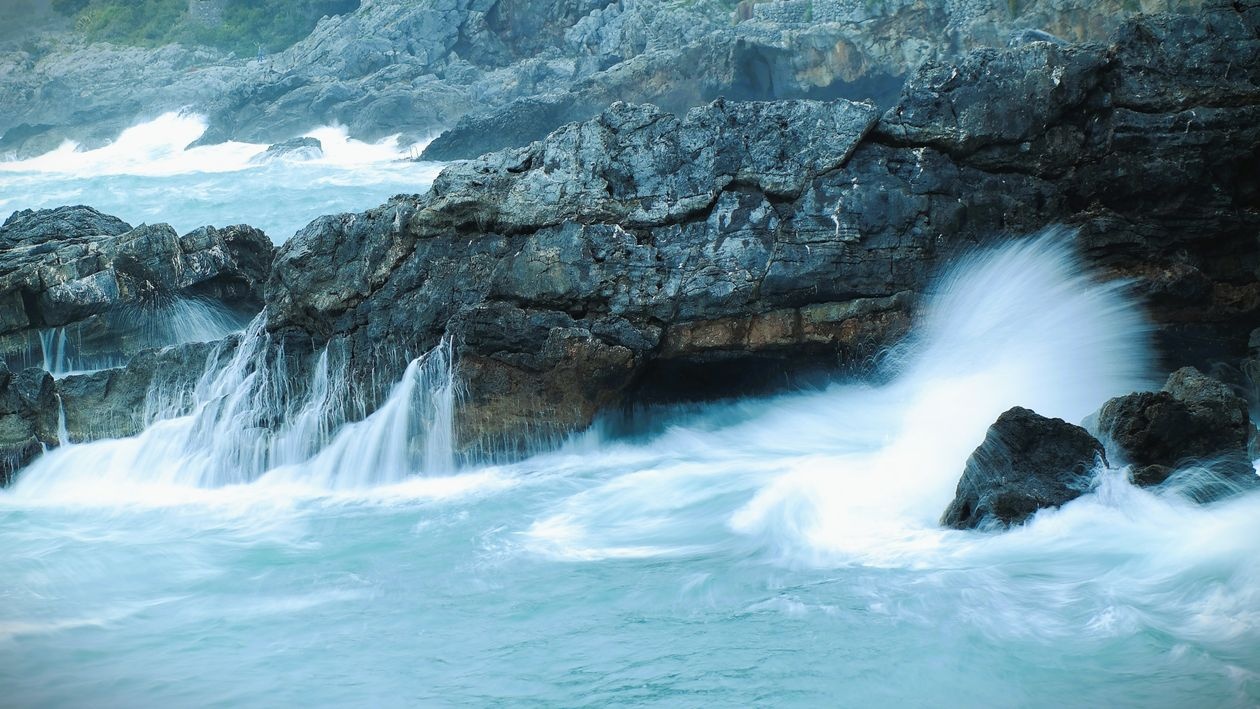
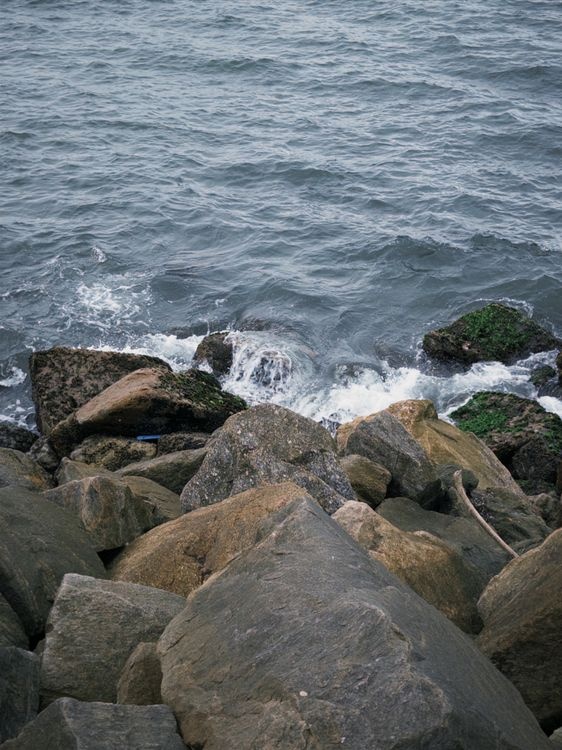
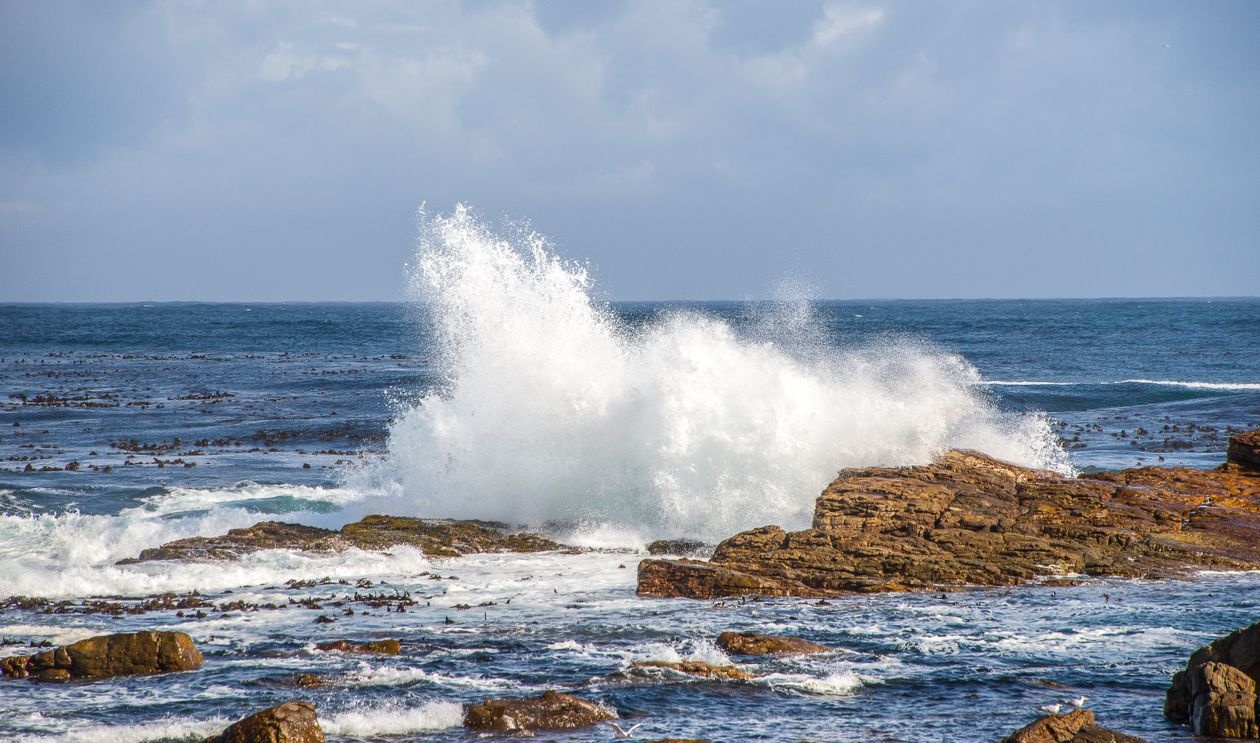
Header photograph: Riccardo Cocconcelli via Pexels. Illustrative coastal scene, not a frame from Dedicated or a photograph by Corey Rich, Dave Black, Robert Beck or George Karbus. The five photographs below are separately credited stock illustrations.
Dedicated: a camera-launch film with people at its center
Dedicated began as a Nikon D4s launch project, but its useful subject for a photography student is the working photographer. Corey Rich’s film follows Dave Black, Robert Beck and George Karbus as they make still photographs, while Rich and his crew make a moving-image account of their work. The archive note above preserves the original trailer source and credits. This expanded article explains the production context and offers viewing exercises. It is not a present-day review of the D4s, an account of attending the shoot, or a claim that these illustrative photographs came from the production.
Rich’s February 26, 2014 trailer announcement is the clearest primary source for the original brief. Nikon asked him to make a film about three photographers using the D4s and a second film about the making of that production. His April 1 production post presents the finished work and names a twenty-one-day shoot. Read the trailer and finished-film announcements separately: a planned release mentioned in an early post is not necessarily the date of the finished work.
 Save
Keep the sponsorship visible
This was commissioned promotional work, not an independent comparison between camera systems. Rich says Nikon offered him the opportunity around the D4s launch, and DPReview’s April 2014 coverage identifies him as a Nikon Ambassador supported by Nikon for the project. That context belongs beside any praise of the camera. A promotional film can contain useful observations about working practice without becoming a neutral buying recommendation. The viewer’s job is to keep those categories distinct rather than accept or reject everything as a single package.
PetaPixel’s contemporary coverage also calls attention to the advertising context while discussing the photographers’ work. Use the film to ask questions about preparation, timing, light and editing. Do not use it as evidence that a current purchase will produce the same result. A finished campaign includes experienced people, access, production support and post-production as well as a camera. The model name is part of the history, but it does not explain every decision visible on screen.
Three photographers, three ways to study a subject
In the trailer announcement, Rich describes Black’s sense of light and design, Beck’s action photographs, and Karbus’s outdoor work with landscapes, seascapes and marine wildlife. Those are Rich’s descriptions of the participants, not new assessments from a first-hand interview for this page. They give a useful starting point for watching. Instead of asking which photographer is best, ask what each person seems to pay attention to and how the film makes that attention visible. A camera pointed at a photographer can reveal preparation that a finished still picture alone leaves outside the frame.
Make a viewing note with one row for each participant. Record a concrete choice you notice, the subject that choice serves and a question you would like to investigate in your own work. Keep the language observable: a viewpoint, a pause, a light direction or a relationship between subject and background. Avoid assigning a private motive that the interview does not state. The exercise is useful precisely because it turns admiration into a testable question. You leave with something to practice rather than only a desire to own the equipment in the film.
 Save
Separate the still photograph from the film around it
Rich’s brief had several layers: photographers making still images, a crew filming their work, and another account of that crew’s production process. It helps to identify which layer you are watching at any moment. A moving shot that follows a photographer is not necessarily the viewpoint of that person’s finished still. A behind-the-scenes angle may explain a setup while making a very different picture. Keep those distinctions clear when describing the work to someone else. Otherwise, an attractive production shot can quietly become a false claim about how a still photograph was made.
Try a simple version of this distinction on a small personal project. Make one still photograph of an ordinary permitted subject, then record a short explanation of the choice you made. Review whether the explanation actually helps another person understand the picture. You may discover that a detail you found difficult is invisible to the audience, while a small framing choice matters a great deal. That is useful information. It can help you make clearer captions, better process notes and more honest accounts of your work without turning every outing into a large production.
Begin with an empty space and a clear frame
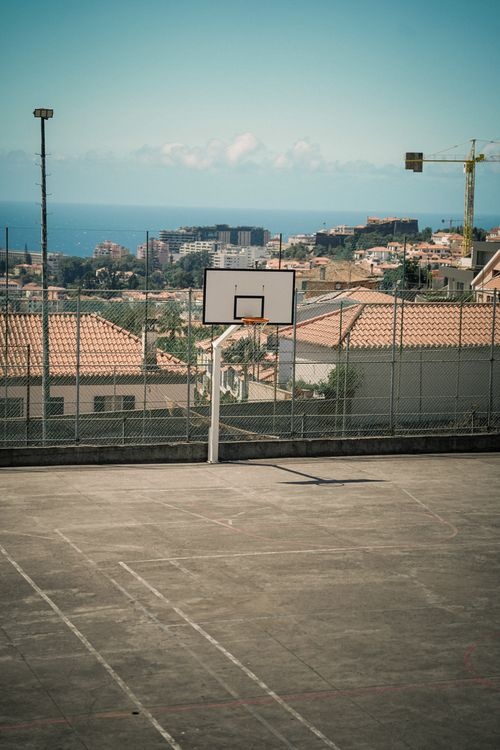
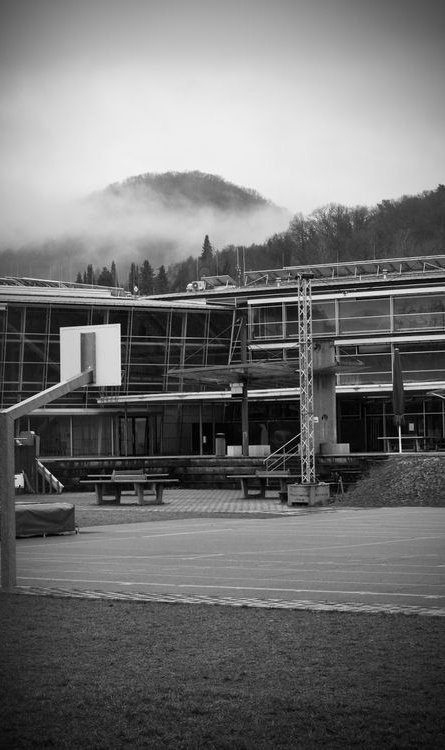
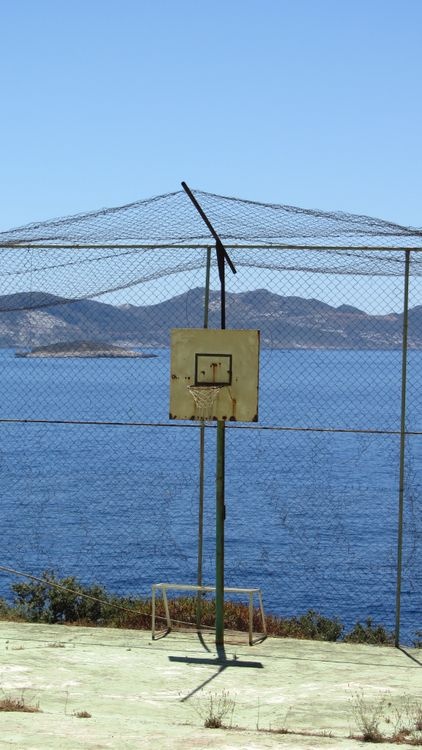
The added court photographs are illustrations of space, geometry and light. They do not identify locations used for Dedicated, and they are not photographs by its participants. Empty sports spaces can be useful composition exercises because lines, fences, shadows and backgrounds are easier to compare without an event unfolding at the same time. From a place you are allowed to stand, make a wide view and a closer view. Ask what each includes, what it leaves out and whether the frame has an obvious subject before adding action to it.
Look carefully at the edges and background. A bright patch behind the intended subject, an awkward pole or a cut-off structure may become more distracting once movement is added. You do not need an expensive camera to notice those relationships. Make a still test, move only where access is permitted and compare the result. Do not climb fences or enter a closed court to improve the angle. A useful practice frame should be repeatable without depending on a position you are not entitled to use or a route that puts someone else at risk.
 Save
Timing is a question before it is a camera setting
For a personal exercise, decide what moment you want to describe before choosing a burst rate or autofocus mode. A movement can have a beginning, a peak and a recovery, and those phases can tell different stories. Write down which one matters to your intended photograph. Then use your own camera manual and a short test to find a workable setup. The historical film does not provide a universal setting for every sport or every camera. Treat a setting as a response to the subject and conditions rather than a credential borrowed from a professional campaign.
Review a small sequence of your own frames at a useful size. Compare the position of the subject, the background relationship and what the viewer can understand without an explanation. A frame made a fraction earlier or later can change the reading even when the exposure is technically similar. Keep the frame that communicates most clearly, not automatically the one made at the most dramatic instant. That distinction helps turn a long burst into an editing decision instead of assuming that recording more frames has already solved the problem.
Make light a separate practice problem
Light can be studied without trying to imitate a complete professional setup. Choose an ordinary subject in a permitted place and photograph it under two different available-light conditions. Compare shadow direction, separation from the background and the area that attracts attention first. Keep the framing reasonably consistent so that the comparison has a clear purpose. These are general study suggestions, not a reconstruction of Black’s methods or a report of using his equipment. If a technique involves artificial light, follow the equipment instructions and the location’s rules rather than improvising around other people.
When reviewing, name the actual problem. A subject that blends into its background may need a different viewpoint rather than more exposure. A distracting reflection may call for a change in angle rather than a new lens. A flat-looking frame might be the right result for a quiet subject, not a failure to make it dramatic. Plain descriptions make the next step easier to choose. They also reduce the temptation to purchase equipment before deciding which part of the picture needs to change.
 Save
A coastline is not an invitation to enter the water
Karbus’s seascape and marine-wildlife work is part of the historical project, but a film about an experienced photographer is not instruction for an inexperienced viewer to copy the same environment. The added wave photographs illustrate shape and motion from their own photographers’ viewpoints; they do not establish safe access to any shore. Stay in permitted areas, obey closures and local advice, and keep away from exposed edges and wet rocks. A powerful image does not tell you what the water, weather or footing will do next.
You can practice visual timing with water from a safe, suitable viewing area without approaching the breaking waves. Watch how a pattern builds and disappears, then compare a few frames rather than trying to force one predetermined shape. If conditions or access are unsuitable, choose another subject. Do not turn the production story into a challenge to prove dedication through risk. Good preparation includes deciding what you will not attempt. A photograph left unmade is a reasonable outcome when the available position is not safe or permitted.
Gear note: organize cards without confusing formats
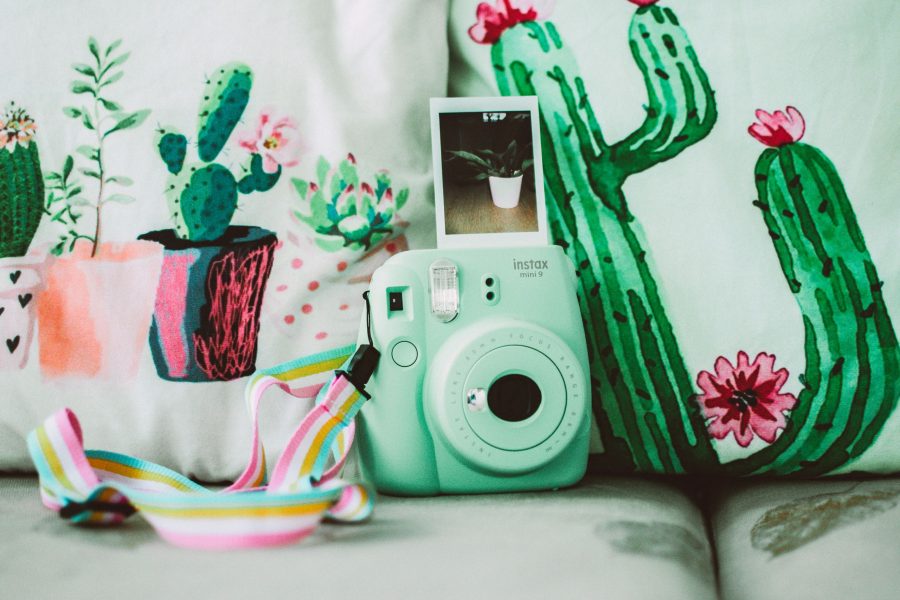
For a separate SD-card workflow, one optional organizer is the Ruggard Memory Card Case for 4 SD Cards (Light Blue). B&H listed it in stock for $6.99 on November 8, 2026. We have not used it. This case is for SD cards, not a claim about the D4s card formats or an accessory credited to the film crew. Check your actual card type before buying. An organizer does not create a backup or prove a card has been copied; verify your files separately. Price and stock can change.
Small-footprint production still means a team
Rich’s finished-film post calls the crew small-footprint, but it also publishes a list of distinct production roles. That is a reminder that a compact crew is not the same thing as one person working without support. Direction, sound, production and camera work all require attention. When studying a polished film, resist the urge to attribute every result to one person and one camera. Read the credits. They explain part of what the production required and give proper recognition to work that may remain invisible in the finished sequence.
Scale your own project to the attention you can actually give it. If you are working alone, simplify rather than trying to reproduce every layer of a campaign shoot. One clear subject, a short shot list and a manageable finish line can be enough. Write down which tasks need permission, help or more preparation before promising a result to someone else. This is useful whether the project ends as a still-photo series, a short video or a personal study. A modest plan that can be completed safely is more valuable than an impressive list that depends on resources you do not have.
 Save
Edit for what the audience can understand
A rough edit is a test of the material, not a reward for the effort spent capturing it. Put a small group of images or clips in order and ask what the viewer can follow. If two items do the same job, keep the clearer one. If a beautiful detail interrupts the account, try removing it. Your memory of the day includes difficulty, waiting and excitement that the audience cannot see. The edit needs to work with the evidence on screen rather than assume that those private experiences have already transferred to the viewer.
Ask someone who was not present what they remember and where they became confused. Do not explain the intended story before they answer. Their response can help you distinguish a missing connection from a weak individual image. Make one revision, then compare the versions. Keep original files and notes so that experiments do not erase the source material. For a broader starting point on organizing a still-image project, see our landscape photography guide; the subject differs, but deliberate selection and clear framing remain useful questions.
Keep the next practice task small
Set a finish line you can judge without anyone else’s approval: a comparison of two backgrounds, a short sequence that explains one movement, or a tighter selection from a single outing. Put the files side by side and write what changed. The point is to build a record of decisions rather than a list of things to buy. A clear small result gives the next outing a purpose and makes it easier to stop when conditions, access or attention no longer support the work.
What to take away from Dedicated
The strongest exercise is to leave with one specific practice task. It might be comparing two backgrounds, studying a subject’s movement, making a better viewing note or editing a small group of photographs more strictly. Choose something you can evaluate on the next outing without buying a new camera. Record what you expected, what happened and what you would change. That turns an inspiring film into a practical source of questions while leaving its promotional context visible and its participants’ work properly credited.
Keep the categories honest when you share what you learned. Dedicated is Corey Rich’s commissioned film; its participants made their own work; the stock photographs here illustrate general ideas; the exercises are suggestions rather than a reconstruction of the shoot. This page does not claim firsthand experience with the D4s or the added accessory. A camera-launch film can remain worth studying long after the launch when it is treated as a historical production and a prompt for careful observation, not as a promise that buying the featured model will produce the same results.
Frequently asked questions
What is Dedicated?
It is Corey Rich’s commissioned Nikon D4s film project about photographers Dave Black, Robert Beck and George Karbus. This archive page began with its trailer.
Was it independent camera testing?
No. Rich’s production posts and contemporary coverage identify Nikon’s commission and the camera-launch context. This page treats it as historical promotional work, not a current comparative review.
Who are the photographers in the film?
Dave Black, Robert Beck and George Karbus are the three featured still photographers. Corey Rich directed the film with a credited production team.
When was the trailer announced?
Rich published his trailer announcement on February 26, 2014. His April 1, 2014 production post presents the finished film and making-of project.
How long was the shoot?
Rich’s finished-film post describes a twenty-one-day production. That is a historical production detail, not a recommended schedule for a personal project.
Are the added photographs from Dedicated?
No. They are separately credited stock illustrations of empty courts and coastal scenes, not frames from the film or photographs by its participants.
Is the SD-card case part of the original D4s kit?
No. It is a separate optional organizer for an SD-card workflow, and we have not used it. Check your actual card format; an organizer is not a backup.