Best Aperture for Sharpness: Chart and How to Find Your Lens Sweet Spot
~5 min read
Every lens has an aperture where it resolves the most detail – and it is never wide open, and never fully stopped down. Here is why, a chart of safe starting points, and a quick test to find the exact answer for your glass.
The sharpness tradeoff
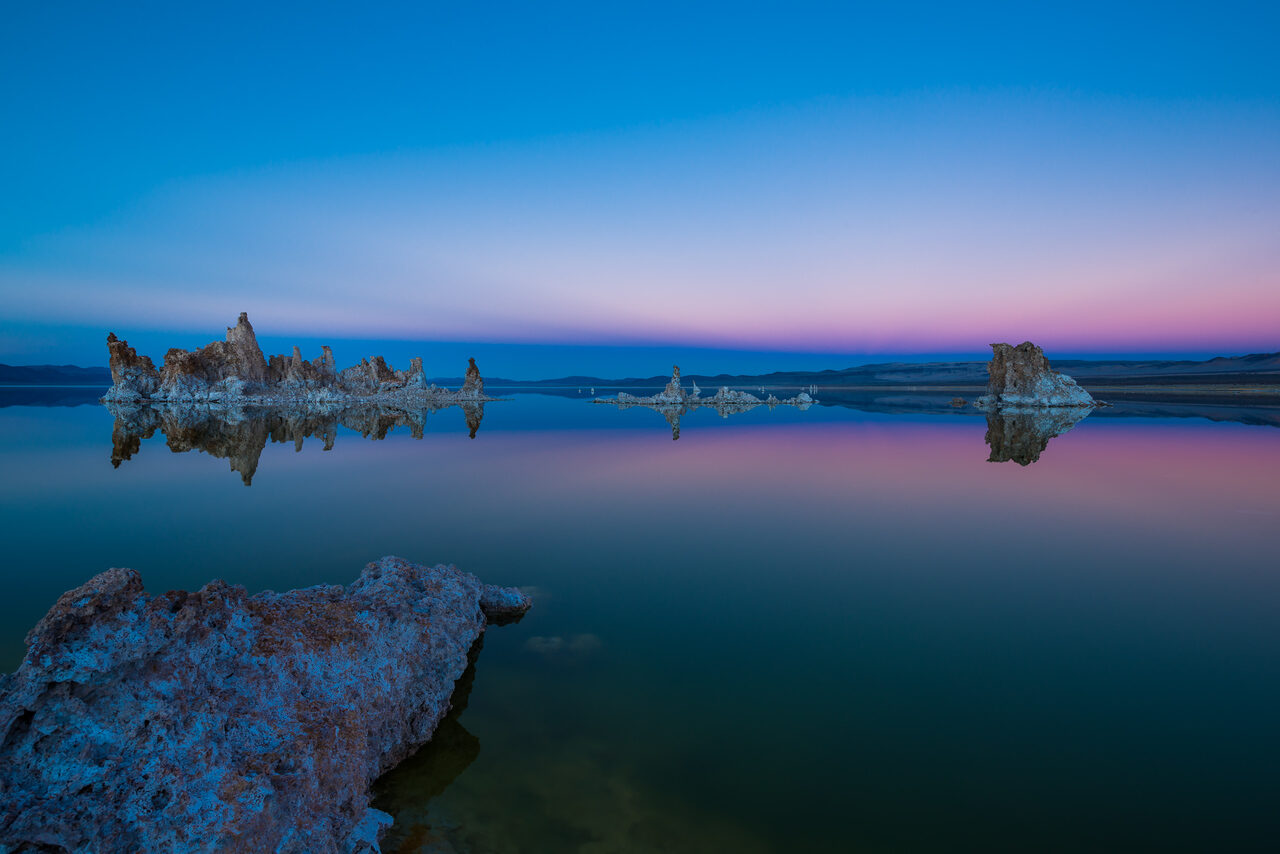
Two enemies pull from opposite directions. Wide open, lens aberrations – the optical imperfections of the design – soften fine detail, especially at the edges. Stopped down past f/11 or so, diffraction takes over: light bending around the aperture blades blurs everything evenly. The sweet spot is the aperture where the first problem has been stopped away and the second has not yet arrived.
 Save
The sharpness chart by genre
Starting points for a typical full-frame lens:
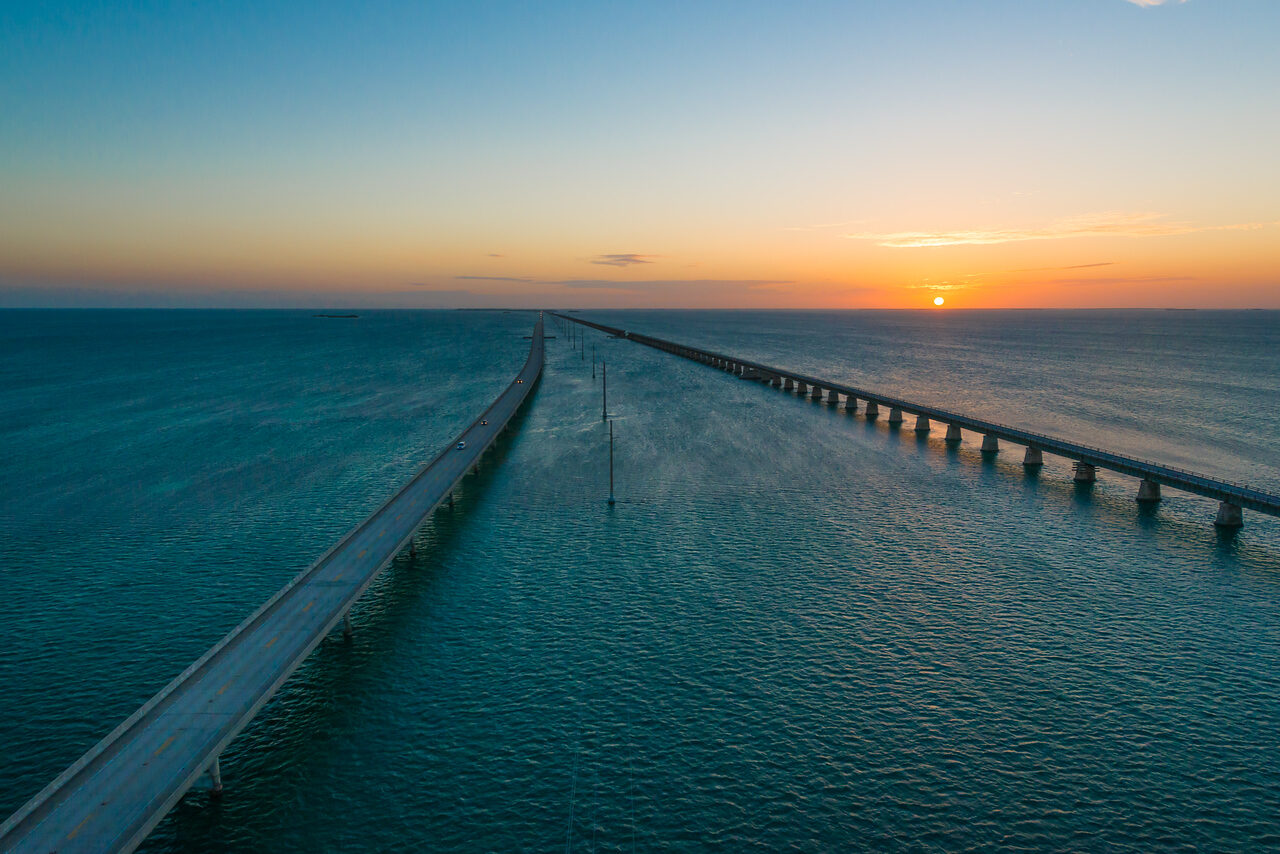
- Landscape and architecture: f/8-f/11 – maximum sharpness plus the depth of field the scene usually needs.
- Street and travel: f/5.6-f/8 – near peak sharpness with enough depth to forgive fast zone focusing.
- Portraits: f/1.8-f/2.8 – here sharpness is a choice, not a maximum: you trade absolute resolution for background blur and subject separation.
- Group shots: f/4-f/5.6 – keeps every face in the plane of focus.
- Macro: f/5.6-f/8, or focus stacking – diffraction arrives early at macro distances, so depth comes from stacking, not stopping down.
Find your lens sweet spot in 15 minutes
Tripod, static detailed subject (a brick wall or a bookshelf), good light. Shoot one frame at every full stop from wide open to f/16, keeping exposure constant with shutter speed. Open the series at 100% on a computer and compare center and edge sharpness frame by frame. The aperture where the edges stop improving and the center has not yet softened is your lens’s sweet spot. Most photographers are surprised – it is rarely where they assumed.
 Save
When to ignore the chart
Sharpness is one variable, not the goal. Wide apertures buy background blur and low-light shutter speeds; small apertures buy depth of field. A technically perfect f/8 landscape with a blurry foreground is a failure, and a slightly soft f/1.8 portrait with perfect eyes is a success. Use the chart to know what you are trading, then trade deliberately.
Frequently asked questions
Is f/8 always the sharpest aperture?
No – it is a useful average, not a law. Most modern lenses peak somewhere between f/4 and f/8 on full frame, but the exact sweet spot varies by lens design: some fast primes are sharpest at f/2.8, some kit zooms need f/8. The old f/8-and-be-there advice survives because f/8 is a safe bet for almost any lens, not because it is optimal for all of them.
Does sensor size change the best aperture for sharpness?
Yes, because diffraction sets in sooner on smaller sensors. The same f/11 that is fine on full frame shows visible softening on a Micro Four Thirds sensor, whose pixels are packed four times denser per area. As a rough guide: full frame sweet spot around f/4-f/8, APS-C around f/4-f/7.1, Micro Four Thirds around f/2.8-f/5.6. Test your own gear – these are starting points, not specifications.
Is diffraction at f/16 a dealbreaker for landscapes?
Usually not. Diffraction at f/16 costs you some fine detail evenly across the frame; too little depth of field costs you entire out-of-focus foregrounds. A slightly soft-everywhere print beats a sharp-sky, blurry-foreground one every time. Choose f/16 when the depth demands it, and consider focus stacking when you need both depth and maximum sharpness.
Keep Learning, Free
Aperture, depth of field, and exposure fundamentals – the Shut Your Aperture tutorials library covers the full craft, free.
Related guides
- Aperture, Explained
- Lightroom Presets: The Complete Guide
- Street Photography: The First Practice Walk
← Back to the tutorials library
Practice these aperture choices with more photography tips at Shut Your Aperture Academy.