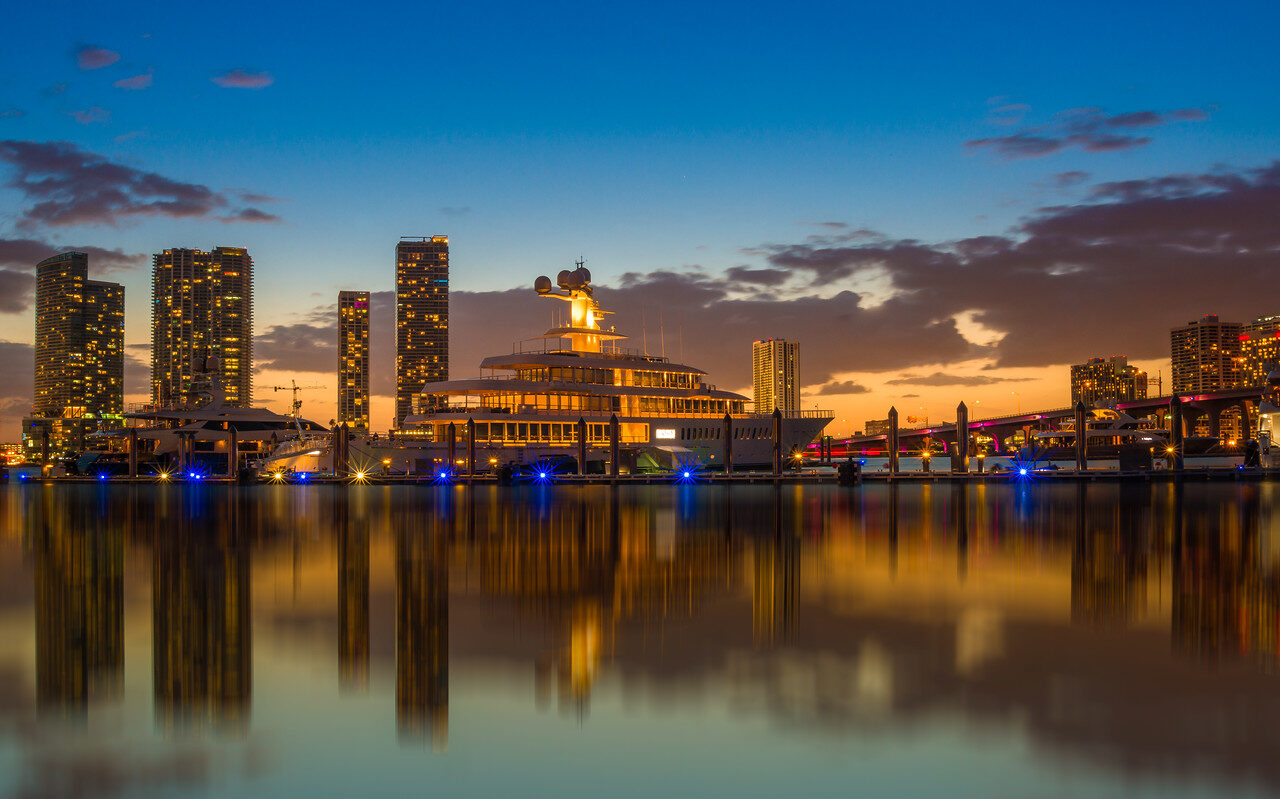
Miami street photography starts with watching, not collecting landmarks. A person crossing a patch of light, a reflection that joins two scenes or a gesture against a clean wall can tell you more about the city than a perfectly centered building. The locations help you find possibilities. Your attention makes the photograph.
Edin has photographed Miami, but this guide does not invent a particular walk, claim ownership of every illustration or suggest that each venue’s current rules has been personally tested. Miami and Miami Beach are separate cities, and a public street, a ticketed art venue and a private garden do not have the same access rules. Use the operator links to check the visit you actually plan.
Plan your Miami photographs with the 12-location PDF guide.
Choose one area and give it time
Start with a manageable district rather than trying to combine South Beach, Wynwood, Little Havana, downtown and Key Biscayne into one continuous photowalk. Each area offers different backgrounds, pace and access. Pick the kind of scene you want and spend enough time to see how people move through it.
A useful first session can be simple: one area, one familiar lens and a small number of photographs you want to improve. Establish the setting, look for a relationship between people and architecture, then make a tighter detail. Do not measure success by the number of famous names you reached.
Check weather, daylight and your route before leaving. Heat, sudden rain and exposed coastal conditions can change how long you comfortably work. Carry water and a manageable bag. Being tired and distracted is not a creative advantage, especially around traffic and busy pedestrian spaces.
Lincoln Road: layers, reflections and pedestrian rhythm
Lincoln Road offers a pedestrian-scale setting for storefront reflections, repeated shapes and people moving through a frame. Work from areas open to you and keep business entrances clear. A place designed for walking still needs space for the people who are there to shop, eat or meet friends.
Find a background before chasing a subject. Watch where people pass through usable light and decide what would complete the picture. A clean background can make a small gesture readable. A busy background can work if the layers have a relationship, but clutter alone does not make a complex photograph.
Reflections can combine the inside and outside of a scene. Change your angle and look for the point where the reflection supports the subject instead of covering it. Watch for your own reflection, bright signs and half-visible faces that make the result confusing. Review the frame’s edges as carefully as its center.
Do not aim into a private business for an extended session without asking. A window is a visual possibility, not permission to interfere with staff or customers. If somebody asks you to stop photographing them, move on. There is another picture waiting.
Ocean Drive: let the architecture do more than decorate the frame
The City of Miami Beach Art Deco page provides architectural context for the district. Use that context to recognize shapes, color and decorative features rather than labeling every building identically. The photograph becomes stronger when you know what you are showing.
Try a frame where the facade gives the structure and a passing person adds scale or contrast. Then make an architectural image that stands on its own. Those are different jobs. You do not need to add a person to every building picture or remove all people from every city scene.
Strong light can create graphic shadows. Softer light can make color relationships easier to see. Work with what is there and check the highlights. At night, signs and mixed light bring another set of exposure and color decisions. A specific look in somebody else’s image is not a promise of your evening’s conditions.
Stay aware of movement and traffic. Do not step backward into the road while looking through the viewfinder. Keep any equipment out of pedestrian flow and check the city’s rules before planning a setup. The background is not worth a collision.
 Save
SaveWynwood streets and Wynwood Walls are different visits
Wynwood’s public-facing streets provide a changing mix of murals, businesses and city life. The ticketed Wynwood Walls venue is a separate property with admissions and its own policies. Do not use a neighborhood photograph to imply access inside the venue or assume a ticket permits every kind of production.
A mural can be a powerful background, but consider what the photograph adds. Simply copying an artwork into a frame is different from making a street photograph in which the artwork interacts with a person, shadow or surrounding space. Credit the artist where relevant and respect the rights attached to the work.
Look for a gesture, color echo or scale relationship. Do not direct an unsuspecting passerby into your imagined scene. If you want a posed portrait, ask and be clear about its intended use. A consent-based portrait and a candid street image are different approaches, both requiring judgment.
Murals change. Check what is present during your visit rather than promising a reader a particular wall from an old image. Avoid stepping into private lots or obstructing a business for a cleaner angle. Access and ownership do not disappear because the subject is painted outdoors.
 Save
SaveCalle Ocho and Little Havana: photograph people with respect
Little Havana offers storefronts, activity, signs and relationships between people and place. Start with a wider view that gives context, then decide whether a closer photograph is appropriate. A neighborhood is somebody’s daily life, not a themed stage for your travel story.
Ask before photographing inside a business or making a close portrait. A brief conversation can produce a better photograph than treating a person as an anonymous detail. Respect a no. Do not suggest that every resident represents the same story or attach a guessed identity to a face.
Watch backgrounds and timing. A small movement can separate a head from a distracting sign, reveal hands or bring a subject into useful light. These are visual decisions you can make without taking over the space. Stay aware of other customers and transactions.
Caption only what you know. A photograph of someone standing near a shop does not prove they own it, work there or share the history you want to tell. Accuracy matters as much as composition when the picture involves real people.
Downtown and Biscayne Boulevard: simplify the city layers
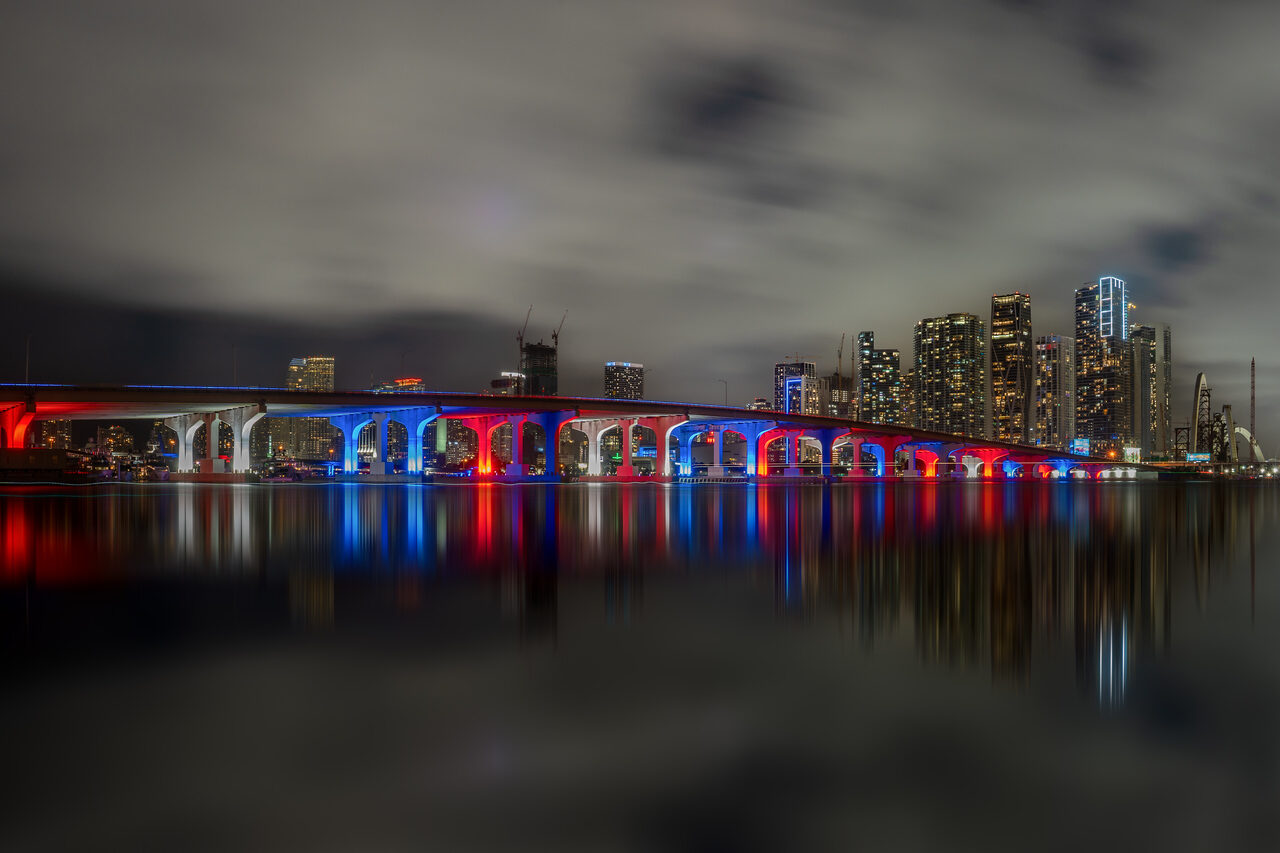
Downtown scenes can contain traffic, glass, signs and people at several distances. Start by choosing a clear visual anchor. That may be a person, a line of architecture or a reflection. Let the other elements support the anchor rather than competing with it.
Find a safe place to stand and observe the movement through your frame. Do not stop in a crossing to wait for the next subject. Traffic is a background possibility, not something you can control. If a scene requires you to stand somewhere unsafe, find another angle.
Try both a layered and a simplified version. A tighter frame may remove most of the noise; a wider frame may show the setting better. Review the difference. A photograph can be dense without being interesting, and a simple frame can be strong without looking empty.
Miami Beach Botanical Garden: change pace and check the session type
The Miami Beach Botanical Garden visit page provides current hours and access information along with a separate photography and production section. Read that section before a posed or commercial session. Normal visiting arrangements do not automatically authorize a client production.
The garden is a chance to study shape, foliage and reflection rather than chase street candids. Look for separation between the subject and the background. A small change in position can prevent a leaf or branch from blending into another shape. Work on permitted paths and protect the plants.
If people become part of the frame, apply the same respect you would elsewhere. Do not turn a quiet visit into an intrusive portrait session. For organized photography, resolve reservations, participant numbers and any city requirements with the operator before arriving.
 Save
SaveVizcaya: plan the permit, not just the photograph
Vizcaya’s photography and filming page distinguishes visitor photography, portrait permits, commercial still photography and filming. It lists conditions that can trigger a permit and explains the different options. Check the exact activity rather than assuming that being an amateur or having a small camera settles the question.
If you are planning a portrait, commissioned image or organized session, ask what permit and reservation apply. Check the permitted areas and current restoration impacts. A sample photograph can show a space that is temporarily changed or unavailable for your visit.
Architecture and gardens ask for a slower approach. Look at proportion, reflections and the direction of the frame. Keep paths open and follow staff instructions. A permit does not give you priority over every other visitor or authority to enter an excluded area.
Vizcaya is not a substitute for a spontaneous street-photography session. It is a specific venue with controlled access. Choose it because that kind of work fits your plan, and understand the conditions before committing time or money.
South Pointe Park: city life at the coastline
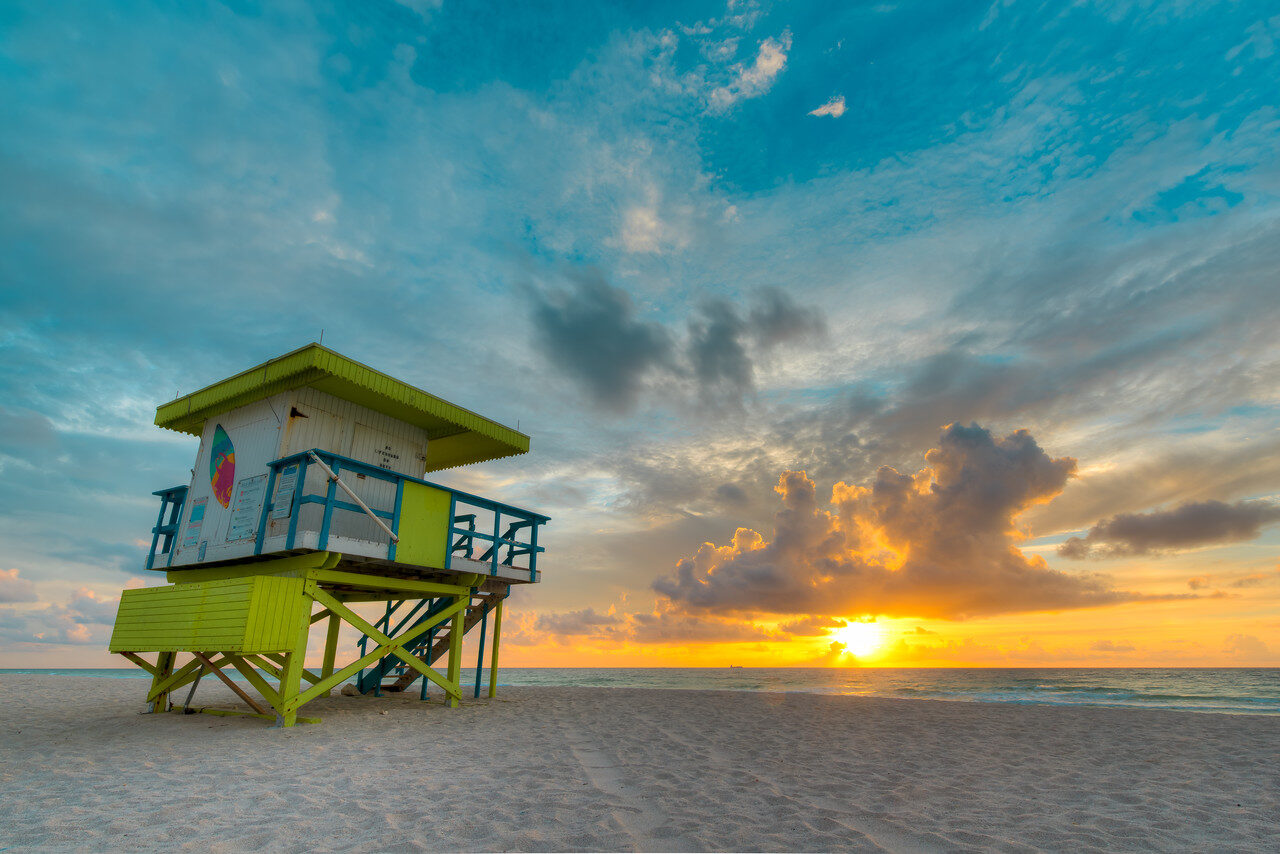
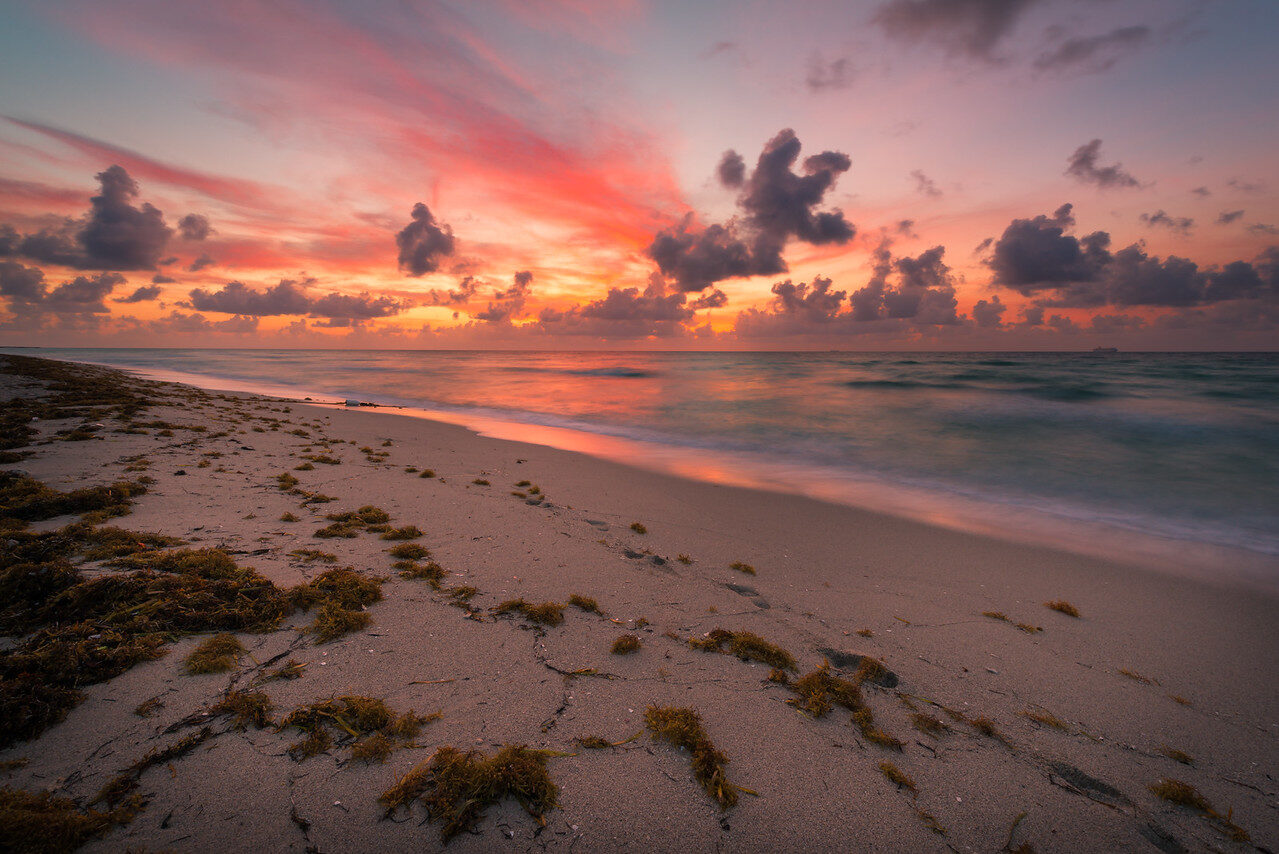
The City of Miami Beach South Pointe Park listing owns current park information. Use it to check access and any rules relevant to your visit. The area offers a different relationship between people, paths, shoreline and the larger coastal setting.
Choose whether the frame is primarily about the landscape or about people using it. A small figure can establish scale, but avoid reducing every person to a silhouette just because the sky is attractive. Watch the gesture and spacing if the person is central to the picture.
Keep clear of path traffic and remain aware of water and changing weather. Do not balance on a barrier or block a walkway with a tripod. If the coastal plan becomes unsafe, leave. A later photograph is better than a risky one now.
Bill Baggs Cape Florida: a separate landscape outing
Florida State Parks’ Bill Baggs Cape Florida page provides current park access, conditions and visitor information. The lighthouse and beach belong in a separate park plan, not an assumed continuation of a South Beach street walk.
Check hours, busy-day notices and whether the part of the site you want to visit is accessible. An exterior lighthouse photograph is different from entering the lighthouse. Do not use a wide park image as proof that a particular tour or viewpoint is open.
For composition, give the lighthouse a relationship to its surroundings. Sand, vegetation or shoreline can supply context where permitted. Work from the legal route and protect the landscape. Wind, salt and heat are practical conditions to plan for, not details to discover after filling your bag with unnecessary gear.
Know which jurisdiction and policy apply
The Miami Beach Film and Print permits page describes requirements for commercial projects and makes clear that Miami Beach and the City of Miami are separate jurisdictions. Wynwood, Little Havana and downtown do not become Miami Beach locations because a travel guide groups them together.
Ask the relevant city and property operator about your actual activity. Casual observation, a posed client session, lights, a crew, drone work and a commercial production can raise different requirements. This guide does not grant an exemption or replace legal advice.
Resolve permissions before arranging talent or promising a location to a client. Keep any written approval with the plan. If rules change, adapt the session rather than asking staff to accept the fact that you read a blog post.
 Save
SaveMake a small, coherent photo story
After the walk, select a few photographs that belong together. Include context, a strong moment and a detail rather than fifteen similar frames of the same wall. Remove pictures that are sharp but say nothing. The editing decision is part of the photography.
Use consistent color without forcing every scene into an exaggerated preset. Keep captions factual and avoid inventing a person’s role or story. If you made a posed portrait, do not present it as an unobserved candid. Honest work can still be visually powerful.
Miami street photography Q&A
Where should I start?
Choose one area that matches your interests: pedestrian scenes on Lincoln Road, Art Deco context near Ocean Drive, mural relationships in Wynwood or neighborhood activity in Little Havana. Give it time rather than trying to photograph the whole region at once.
Is Wynwood Walls the same as Wynwood’s public streets?
No. Wynwood Walls is a ticketed venue with its own admissions and rules. Check the operator for entry and the photography you intend to do.
Do I need permission for portraits?
Ask before close or posed portraits and explain the intended use where it matters. Commercial use, private interiors and organized sessions introduce additional questions. Do not treat this guide as a legal ruling about every candid.
Can I use one city permit across all these places?
Do not assume so. Miami and Miami Beach are separate cities, and private venues and state parks have their own requirements. Check the jurisdiction and property for each planned activity.
Is a garden session still street photography?
It can be a useful change of subject, but it has different access and visual priorities. Plan garden and architecture work honestly rather than calling every posed venue session a candid street walk.
What lens should I bring?
Bring a familiar, manageable lens that lets you work without intrusive closeness or an oversized bag. A normal or moderately wide field of view is a practical starting choice, not a required purchase.
Are the images necessarily Edin’s photographs?
No ownership of these source illustrations is claimed. Any retained image needs verified identification, source and permission. General experience photographing Miami does not establish authorship of a particular file.
For a dedicated planning resource, see the Miami Photography Guide. Check access and permissions separately for each session.
Disclosure: This guide combines practical photography advice with source-based location and access checks. It does not certify permissions, current venue availability or ownership of illustrated source photographs. The linked Miami Photography Guide is a Shut Your Aperture product. No affiliate-tour offer is included in this version.
Plan your Miami photographs with the 12-location PDF guide.
Want to go further? The ShutYourAperture Academy’s Street Photography: The Decisive Moment (7 modules, 28+ lessons) is built to help you capture life unscripted and learn to see the decisive moment.
Walk the Art Deco streets with a guide
Want the stories behind the facades before making your own street photographs? Consider the Art Deco and History Walking Tour. A local historian leads the South Beach walk. This is an architecture and history tour, not a camera workshop; keep a separate outing for unhurried shooting.
Tour links are affiliate links. I may earn a commission if you book through them, at no extra cost to you.
Carry a manageable street kit
A black Peak Design Slide Lite camera strap, model SLL-BK-3, is one carry option for a small street photography kit. Check the camera attachment points and full camera-and-lens weight before buying. Follow the attachment instructions and inspect the anchors. Keep the strap close when moving through crowds. A strap is not theft protection or permission to photograph someone. Compare the current retailer specifications; no hands-on test, price or stock promise is being made here.
Compare Peak Design Slide Lite Camera Strap Black SLL-BK-3 on Amazon | Check Peak Design Slide Lite Camera Strap Black SLL-BK-3 at B&H
Affiliate disclosure: We may earn a commission from qualifying purchases through these gear links at no extra cost to you. As an Amazon Associate, Shut Your Aperture earns from qualifying purchases.