Updated Nov 2026. The archive note below is preserved. Historical sources, credited illustrations and city time-lapse study exercises follow.
Film archive: 2013. Sean Collins made This Is Boston with Bodhi Films as a tribute to the city. Boston Magazine’s contemporary interview credits Collins and production collaborator Kenan Alsarabi and discusses the filming. The original Vimeo page and oEmbed identify the film, but its player currently denies access, so no embed is included in this proposed copy. The original source credited Crystal Fighters’ “At Home (Passion Pit Remix)” as music. An unrelated San Francisco stock image and later generic affiliate shopping/tour block were removed.
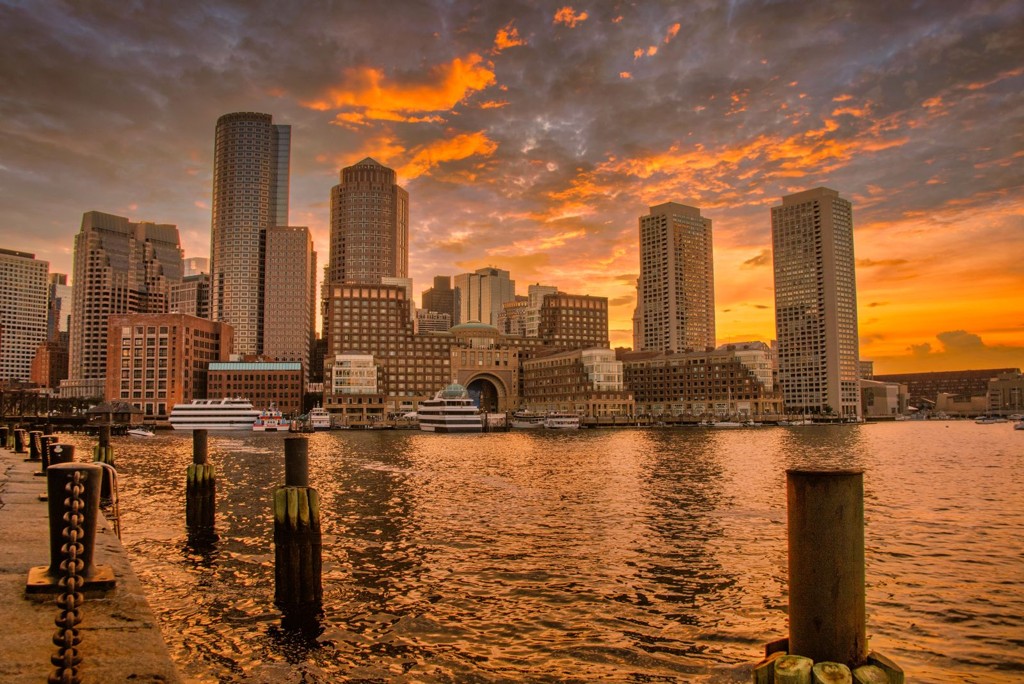
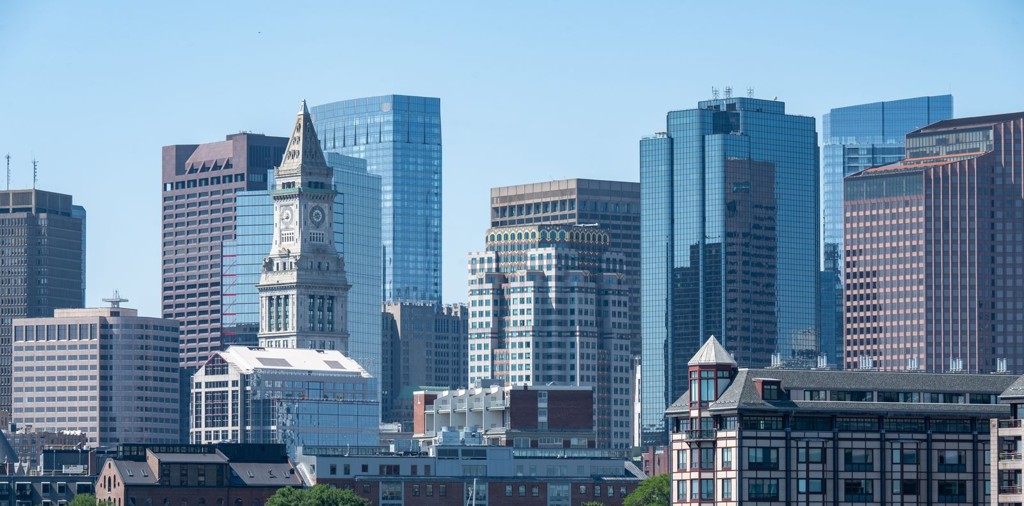
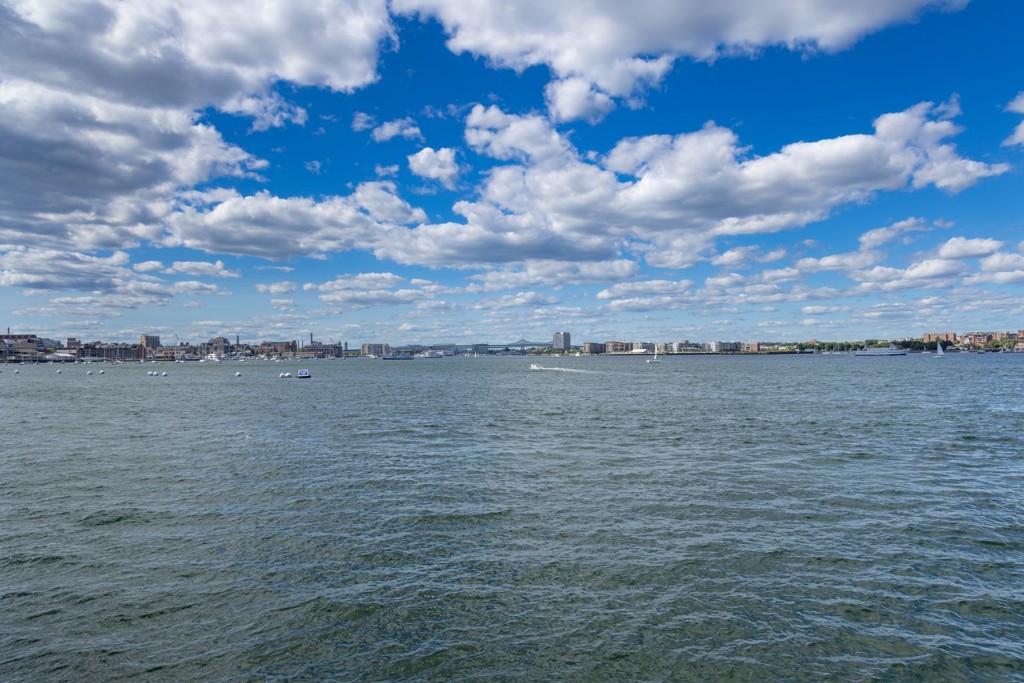
Header photograph: Mohan Nannapaneni via Pexels. Illustrative Boston cityscape, not a frame from This Is Boston or a photograph by Sean Collins. All five photographs below are separate, credited stock images.
This Is Boston: a city portrait built from time
Sean Collins made This Is Boston as a tribute to a city he knew through repeated visits. The film belongs to the early 2010s wave of city time-lapse films, but its value is more specific than a collection of fast-moving clouds. It asks how recognizable places can become a personal portrait through viewpoint, movement and editing. The original archive note above preserves the film source and its credits. This expanded article adds historical context and a practical viewing exercise, without pretending that Shut Your Aperture made the film or used its equipment.
The main historical source is Steve Annear’s June 2013 Boston Magazine interview with Collins. It is particularly useful because Collins answers questions about the production, access and equipment in his own words. PetaPixel’s May 2014 coverage describes the film’s mix of time-lapse styles, while Boston.com’s report identifies it as a 2013 film that found renewed attention the following year. That chronology matters: the date of a later article is not necessarily the date of the work.
 Save
What the contemporary interview establishes
Boston Magazine reports that Collins spent two weeks shooting and about another two weeks editing. It names his longtime friend Kenan Alsarabi as a production collaborator and describes the help provided by Dynamic Perception’s motion-control equipment. Collins says his visits to Alsarabi had given him opportunities to explore Boston over the years. The film was therefore a visiting filmmaker’s tribute, rather than a claim to show every neighborhood or every side of city life. Its selection is personal, and that is a better starting point for watching it than treating it as a complete travel guide.
The interview names the Zakim Bridge, Seaport District, Fenway Park, Christian Science Plaza and Faneuil Hall among its locations. Collins also describes permission to film from the Custom House Tower. These are historical production details, not a list of places that currently admit photographers or allow tripods. A skyline changes, observation spaces change, and access arrangements change. Use the interview to understand the film’s production, then check the present rules separately if you are planning a shoot. A beautiful viewpoint in a decade-old film does not establish a current right to work there.
Collins told the magazine he used Canon DSLR cameras and lenses, some GoPro cameras and a Dynamic Perception motion-control dolly. The account also mentions a camera-equipped helicopter for one shot of the George Washington statue. It does not give a complete model-by-model kit list or every exposure setting. There is no reason to fill those gaps with guessed products. The useful lesson is that different pictures called for different kinds of support and movement, and that the resulting material still needed weeks of editing to become a short film.
Watch for a sequence, not a checklist of landmarks
A useful first viewing question is simple: why does one image follow another? You might notice a change in height, a shared direction of movement, a contrast between a wide view and a detail, or a shift in light. Write down what you actually see rather than assigning a grand intention to every cut. A sequence can work because two shapes fit together, even if the buildings are far apart. Film geography and street geography are not always the same thing. Your task as a viewer is to notice how the edit creates a sense of place.
For your own exercise, choose one small area you can visit safely and legally. Give it an ordinary theme, such as a waterfront becoming busy or light moving across a group of buildings. Make a short shot list around that theme instead of trying to collect every famous subject. One wide view can establish the space, a closer view can show a pattern, and a final image can change the mood. You do not need a spectacular skyline for this exercise. You need a clear relationship between the pictures you choose to keep.
 Save
Separate subject movement from camera movement
PetaPixel describes a mix of tilt-shift, HDR and hyperlapse sequences in the film. Those are categories in the contemporary coverage, not proof of a specific lens, software preset or capture method for each shot. When studying a sequence, separate movement inside the frame from movement of the frame itself. Clouds, traffic and water can create activity while the camera remains still. A moving camera adds another relationship between foreground and background. Ask whether that extra movement helps you understand the scene or merely calls attention to the technique.
Begin a practice shoot with a locked-off camera before adding a moving rig. A stable view gives you fewer variables to evaluate. You can concentrate on what changes in the scene, whether the framing stays useful, and whether anything important becomes hidden. If you later attempt a moving sequence, make it a separate test with a clear purpose. Do not improvise camera movement while standing in a roadway, leaning over a barrier or blocking a busy path. A repeatable, ordinary viewpoint is more valuable for learning than a dramatic position that puts you or other people at risk.
Make a test clip before committing the whole evening
For a basic time-lapse exercise, decide what change you want to show before choosing settings. A cloud crossing a skyline and a building slowly lighting up are different subjects with different rhythms. Make a short test using your camera’s own interval or time-lapse controls and review it before starting a long run. Check that the subject remains in frame, the camera stays still and the brightness behaves the way you intended. These are general practice suggestions, not a reconstruction of Collins’s settings. The historical interview does not supply those settings.
Write down the interval, the number of images and the intended playback rate in your own shoot notes. If a test looks too abrupt, you will then have something concrete to change. Avoid changing several variables at once just because the first result is disappointing. Keep one test as a reference and alter one decision for the next. A small record of what worked can save a later session from becoming another guess. The aim is not to copy the exact speed of a film you admire; it is to make the movement in your own subject readable.
 Save
Use architecture to judge the frame
Buildings give a city photograph a strong structure, but they also reveal small framing mistakes. Look at the edges before you start a sequence. Is a tower clipped? Does a bright window pull attention away from your main subject? Does a foreground railing cut through the part of the skyline you care about? You may be able to solve the problem by moving a little, using a different focal length or waiting for a temporary obstruction to clear. Make those choices while you can still change the camera position, not after recording hundreds of images.
Try making two still photographs before recording motion: a wide view that explains the setting and a tighter view that emphasizes one relationship. Compare how much sky, water and building each version needs. Neither ratio is automatically correct. A broad sky may be essential if clouds are the subject, while a close architectural study may need very little. The stills are a cheap way to test your idea. If the composition has no clear subject as a photograph, movement may make it busier without making it stronger. Our time-lapse guide provides a broader starting point for planning a first sequence.
Treat light as part of the story
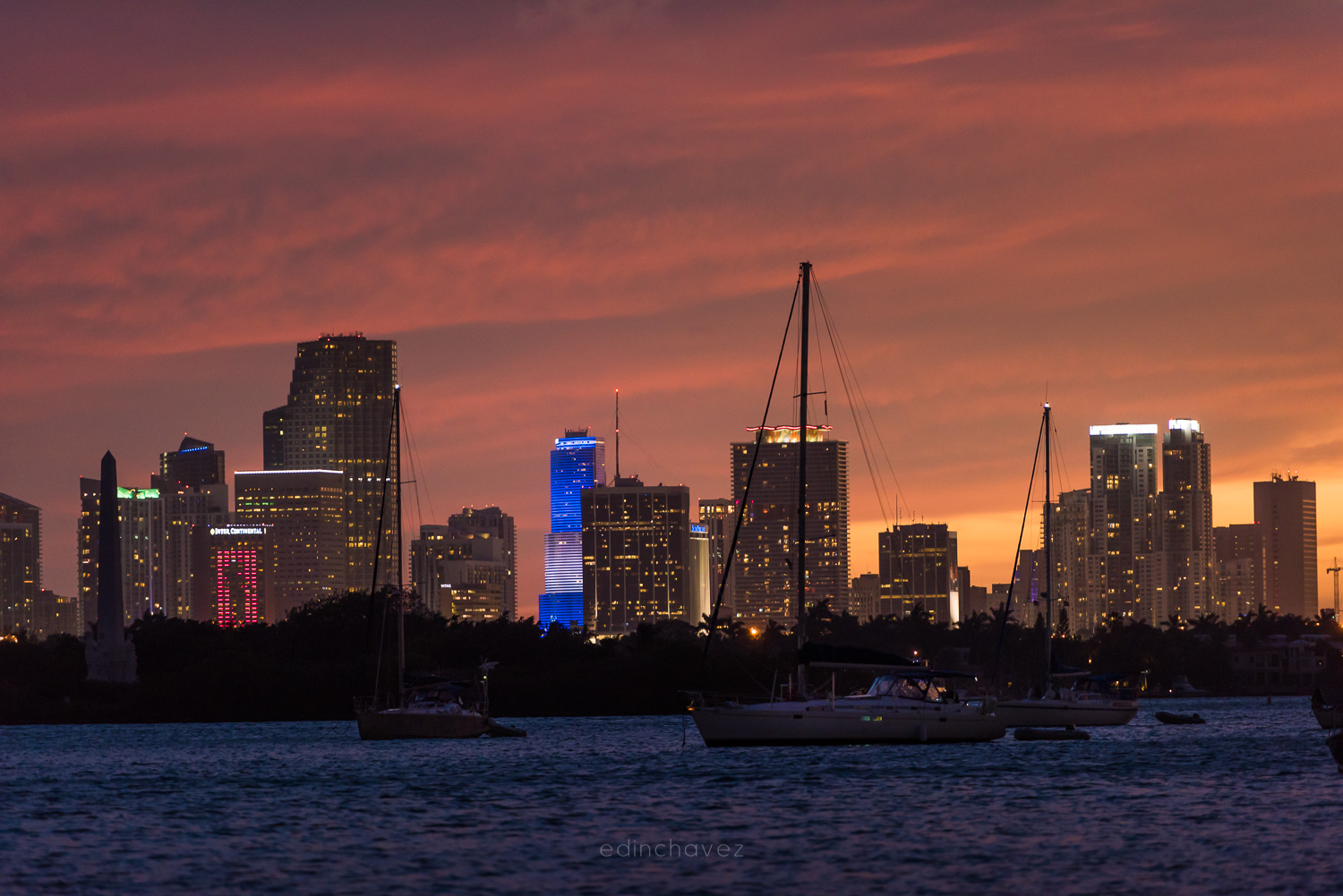
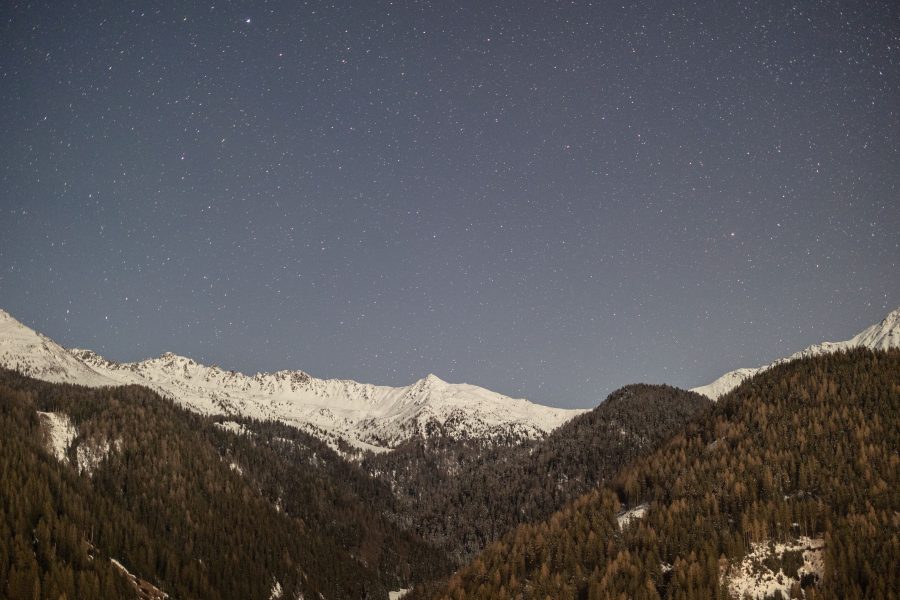
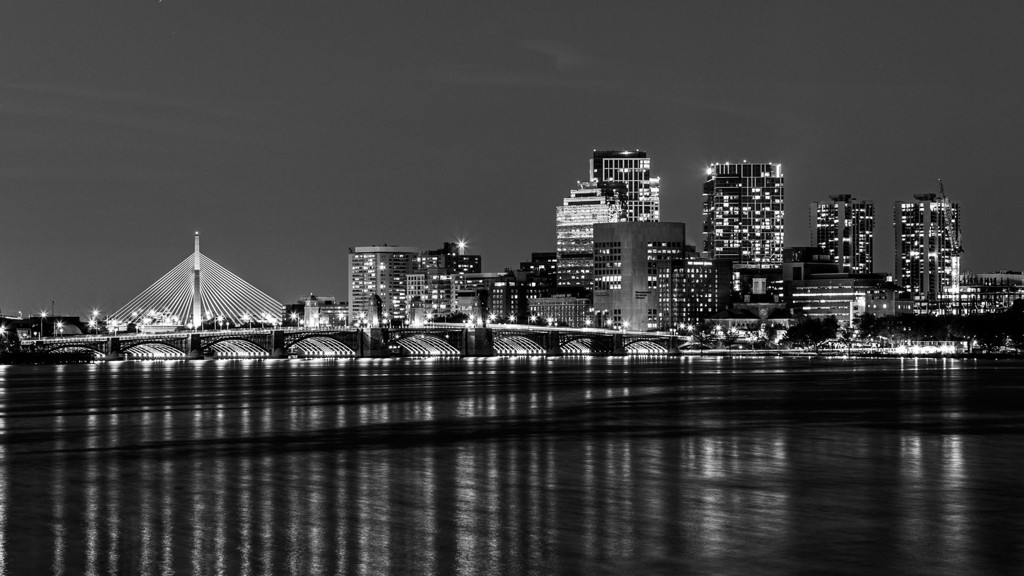
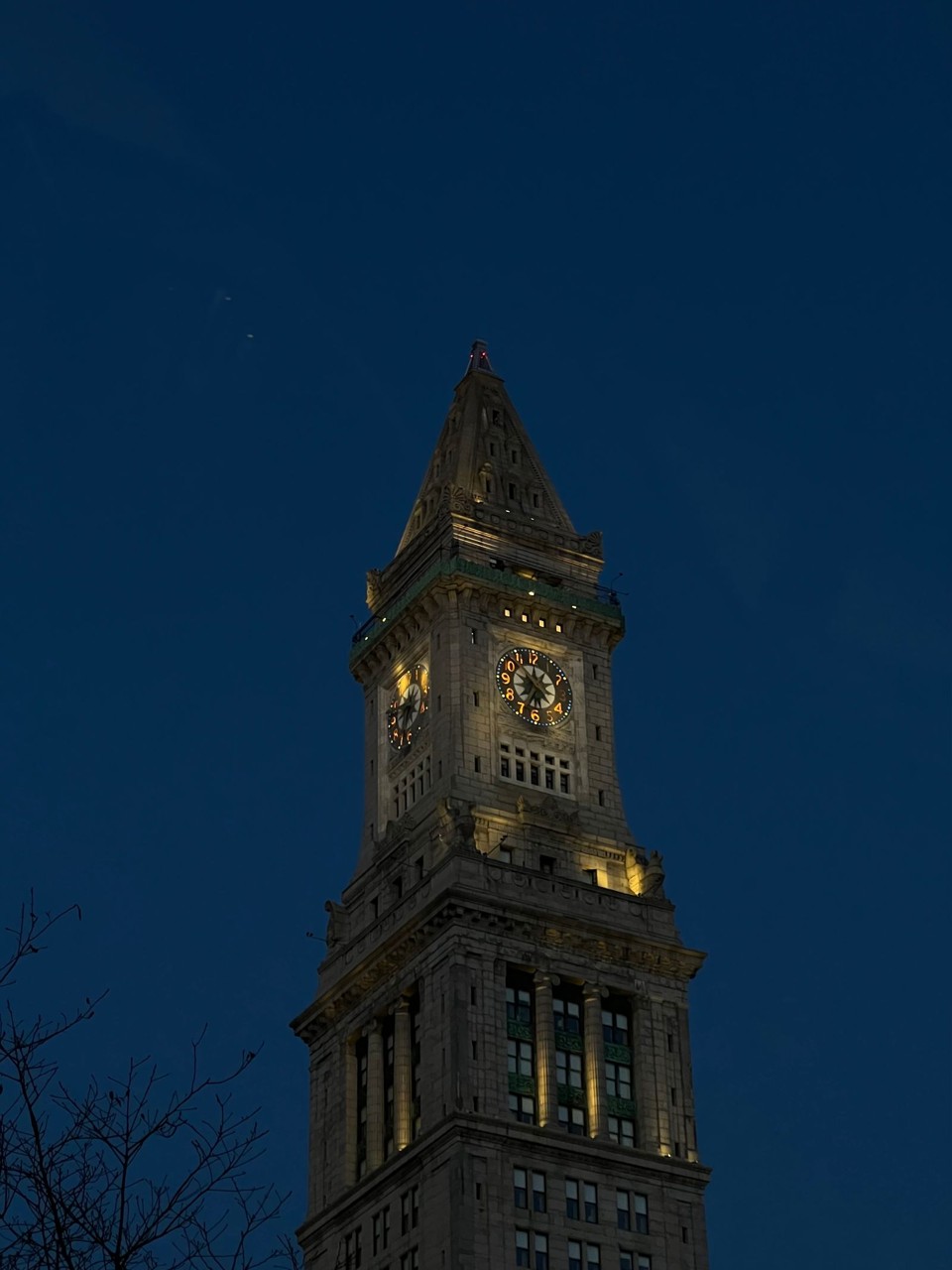
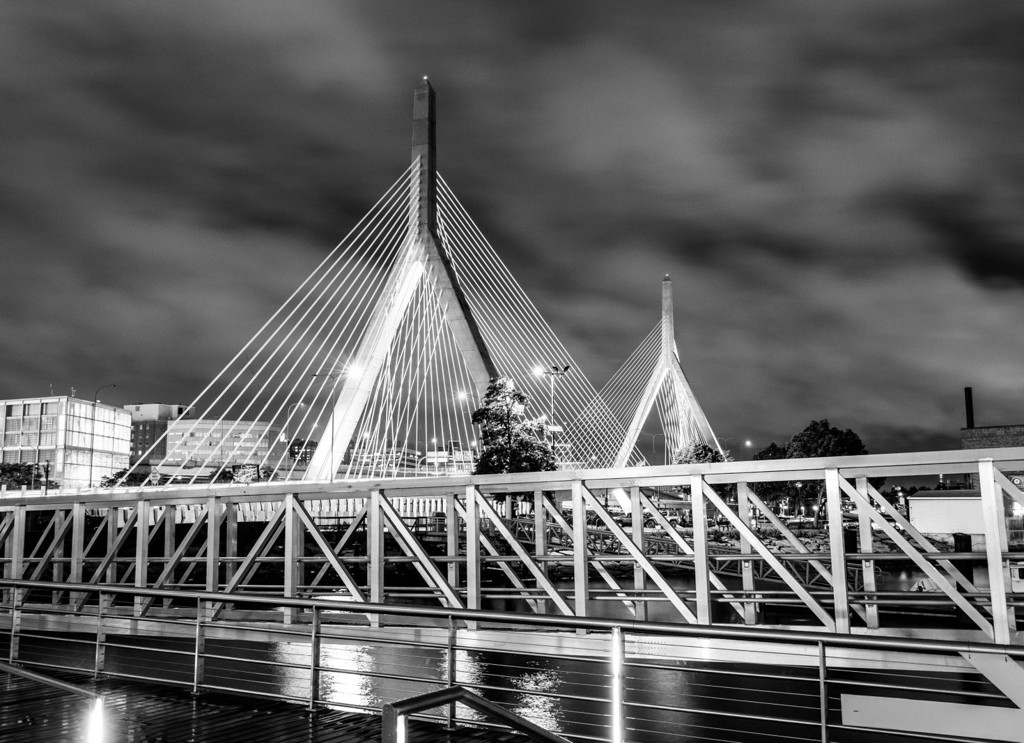
The illustrative images on this page show how much the same city can change between daylight, sunset and night. They are not evidence of how Collins exposed or processed his film. Use them as a comparison exercise: notice which shapes remain clear, which windows become important and how reflections change the balance of a frame. A daytime skyline may rely on separation between buildings and sky. At night, small bright areas can become the strongest objects in the picture. The subject is still architecture, but the visual priorities are different.
If your practice sequence crosses a large change in light, test that transition before relying on it for your final edit. Review the beginning and end at a useful display size, not only as tiny camera previews. Look for sudden shifts in brightness or color that distract from the intended motion. Keep a simple locked-off daytime sequence as a fallback if the transition fails. A short, consistent sequence can be more useful in an edit than a technically ambitious one that never becomes comfortable to watch. This is a learning exercise, not a promise that one universal setting will handle every city scene.
 Save
Plan access before planning the perfect angle
Collins’s account of helpful hosts and accommodating people is part of this particular production’s history. It is not permission for another crew. The City of Boston’s film-application page says its office reviews plans and tells applicants which permits they need. Its permitting-process page describes coordination across departments. Check those official pages for a planned production and ask the relevant property operator about private sites. Do not assume that permission for a person to enter includes permission to set up a filming rig.
Build a practical fallback into the shot list. If your preferred position is unavailable, choose a permitted ground-level view or leave that shot out. Keep walkways, doors and accessible routes clear, and do not move barriers or enter service areas to improve a composition. Conditions can change during a long sequence, so stay attentive to the people using the space. A tripod that was unobtrusive a few minutes ago can become an obstruction when a queue forms. Finishing a clip is not more important than sharing a public place responsibly.
Gear note: a connection cable is not a complete time-lapse kit
For a compatible camera and remote receiver, one optional replacement part is the Vello RCC2-C2-25 2.5mm Remote Shutter Release Cable II for Canon 3-Pin connectors. B&H listed it in stock for $8.49 on November 8, 2026. We have not used it. This is a connection cable, not an intervalometer or complete remote system. It needs a compatible receiver with a 2.5mm jack and a camera with the matching connector; check the exact camera and receiver before buying. It is not equipment credited to Collins. Price and stock can change.
Edit the city you actually photographed
Once you have a few usable sequences, make a rough edit without trying to rescue every shot. Put the clearest opening first and see whether the next image develops it. If two sequences do the same job, keep the stronger one. If a detail interrupts the sense of place, try moving it or removing it. Your effort in making a shot is real, but the viewer does not experience that effort directly. An edit becomes clearer when each image earns its place through what it contributes on screen, rather than through how difficult it was to capture.
The 2013 interview’s two-week editing period is a useful reminder that capture and editing are separate parts of the project. Do not infer a professional schedule for your own work from that number. Instead, reserve time to review, compare and revise. Watch the rough cut once without music so that the images have to carry their own relationships. Then consider sound only when you have the rights needed for your intended use. A music credit in someone else’s film is not permission to reuse that recording in a new upload.
 Save
A practical review sheet for a short city portrait
Before the next outing, make a simple review sheet with one row for each sequence. Record the subject, the visual change you expected, what the test actually showed and one decision for the next attempt. Keep the notes plain: a tower left the frame, the foreground was distracting, the light changed too far, or the sequence repeated something already covered. That record turns an attractive film into a useful study prompt. It also prevents the familiar mistake of buying more equipment before deciding which part of the picture needs to change.
Then show a short rough cut to someone who was not present at the shoot. Ask what place or mood they understood and which image they remember. Do not explain the intended story before they answer. If their reading differs from yours, compare the order and duration of the images before blaming the viewer. A city portrait is a selection, so a small coherent account is a reasonable goal. You can return for missing material after you know what the edit needs, rather than recording another large collection of unrelated views.
Keep the film and the illustrations clearly separate
This page preserves the original film link rather than copying frames out of it. The added photographs show Boston subjects and are credited to their own photographers. They were not made for Collins’s production, and they are not offered as proof of its camera positions, date or image treatment. Keeping that distinction visible helps a reader use the article correctly. A current stock photograph can illustrate a skyline or a composition idea without becoming a historical record of a shoot that happened years earlier.
Take the same care with your own project notes. Label experiments, record where a claim came from and distinguish a useful suggestion from something the filmmaker actually said. This Is Boston can inspire a small, thoughtful portrait of a place you know, even when its original player is unavailable to you. The lasting exercise is to choose a subject, work within the access you have, make a few clear sequences and edit them with intent. The city does not need to look like a miniature, and the camera does not need to move, for the result to feel personal.
Frequently asked questions
Who made This Is Boston?
Sean Collins of Bodhi Films made the film. Boston Magazine’s June 2013 interview credits his longtime friend Kenan Alsarabi as a production collaborator.
Is This Is Boston a 2013 or 2014 film?
Contemporary sources identify it as a 2013 film. PetaPixel and Boston.com covered it again in May 2014, so later coverage should not be confused with its original release period.
How long did Collins spend making it?
In the June 2013 Boston Magazine interview, Collins said it took two weeks to shoot and about two more weeks to edit.
What equipment did the historical interview name?
Collins named Canon DSLR cameras and lenses, some GoPro cameras and a Dynamic Perception motion-control dolly. The interview is not a complete model-by-model equipment list.
Are the added photographs frames from the film?
No. They are separately credited stock photographs that illustrate Boston subjects and general composition ideas. They are not photographs by Collins or records of his production.
Can I use the same filming viewpoints today?
A historical account does not establish current access. Check the property operator and the City of Boston’s current filming guidance for your particular plans before setting up.
Do I need motion-control equipment to begin?
No. A safe, permitted locked-off view is a useful first exercise. Make a short test, check the result and add camera movement only when it has a clear purpose.