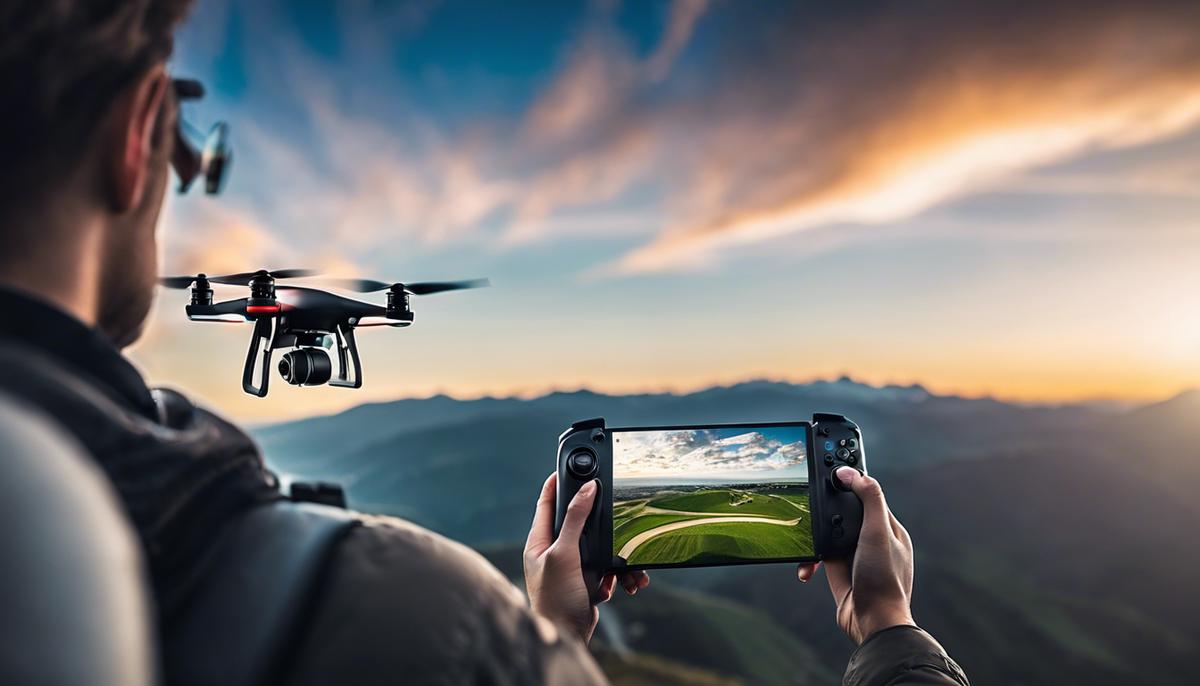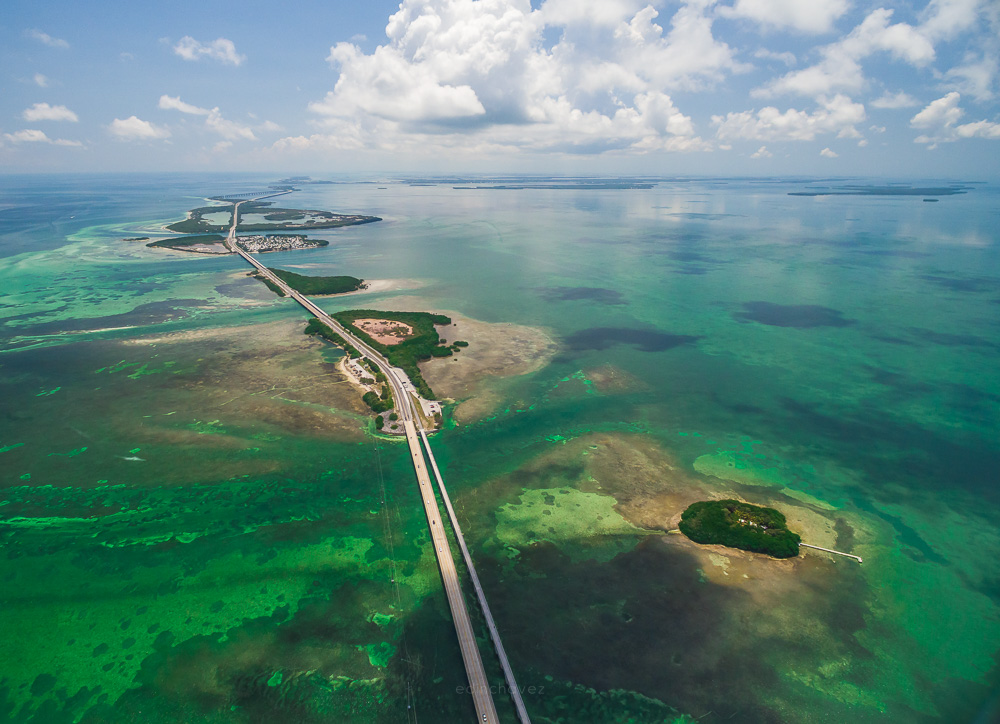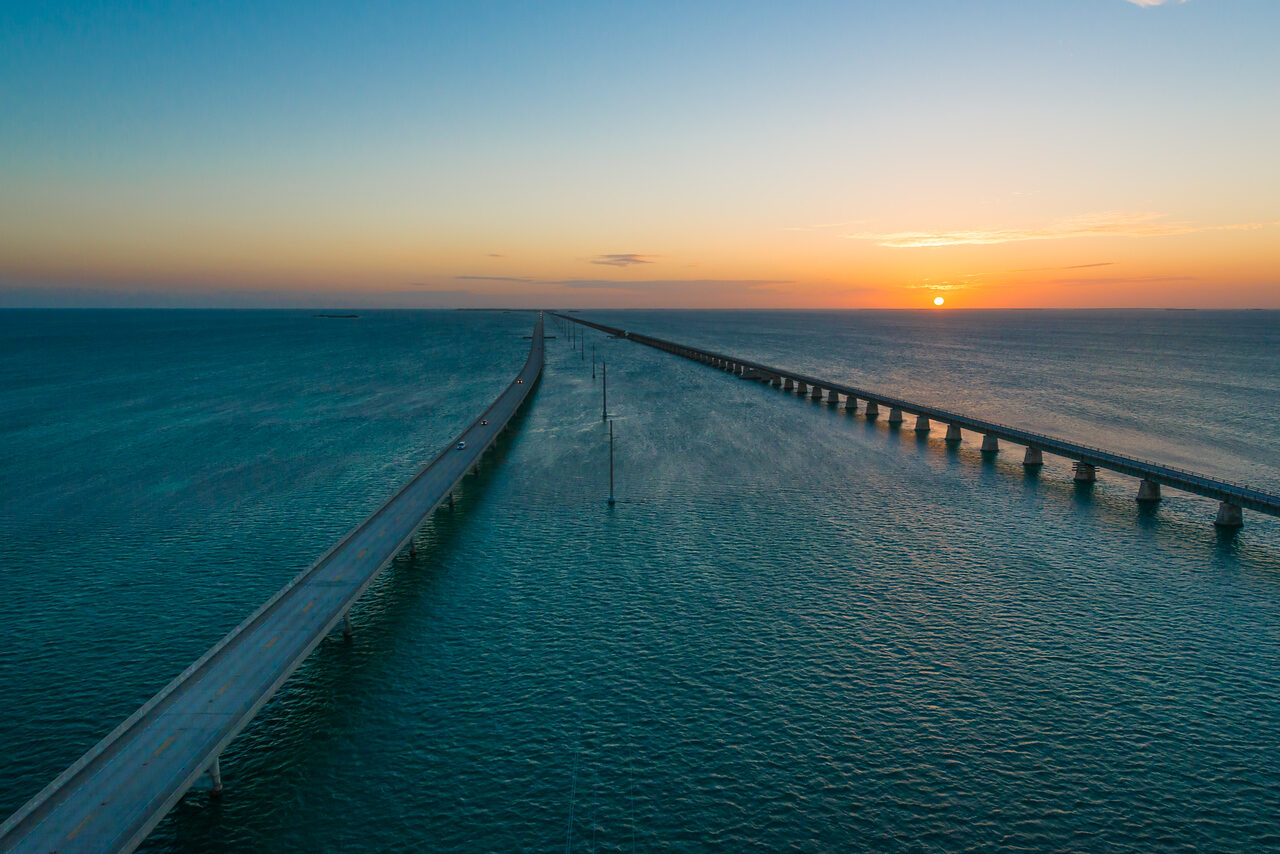
A drone fits in a daypack now, and it changes what a travel portfolio looks like. Coastlines, deserts, cities: the angles you cannot get from the ground are the ones editors and followers stop on. This guide covers picking a travel drone, the settings and techniques that matter in the air, the laws that vary by country, and how to keep batteries alive on the road.
Choosing the Right Drone for Travel
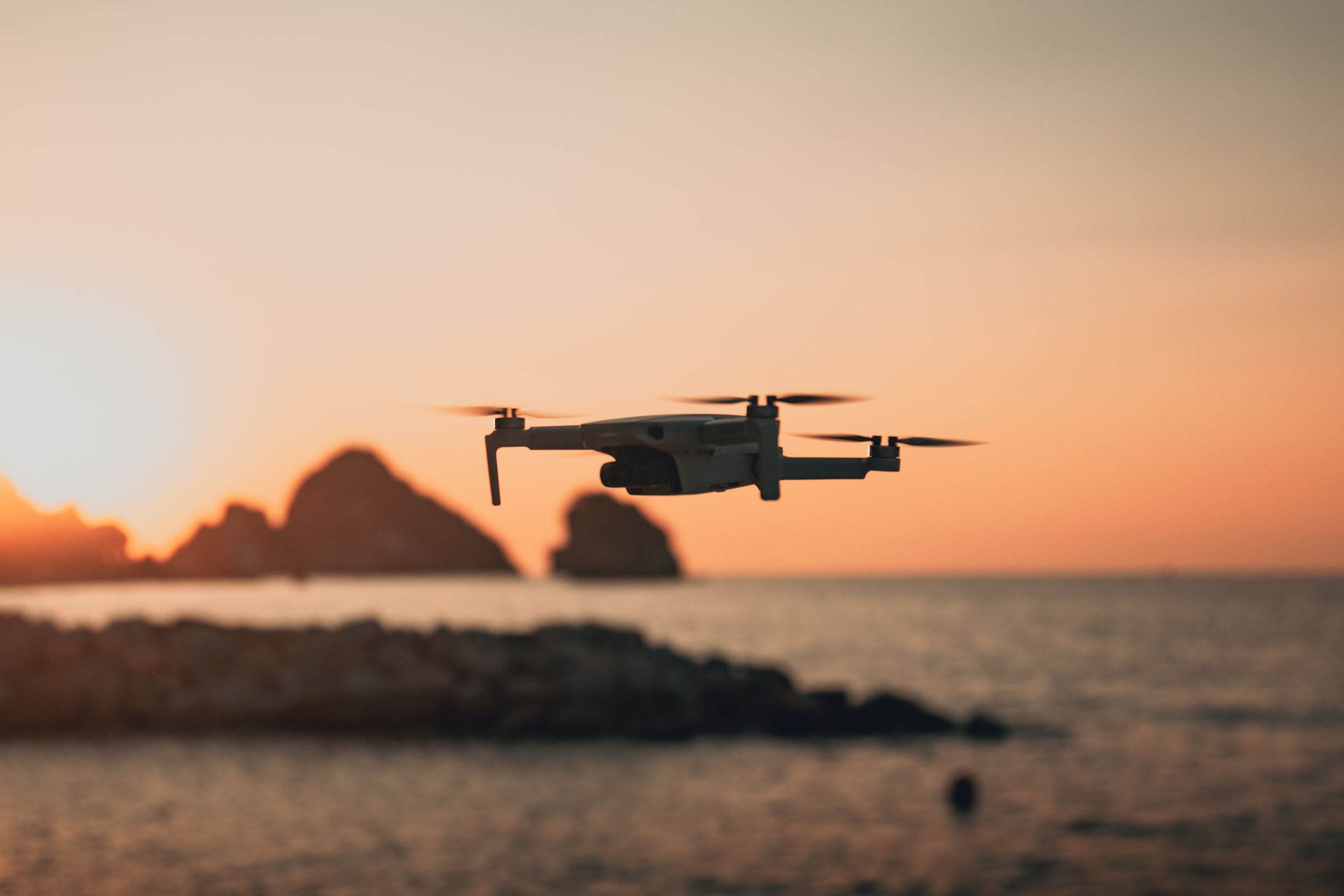
When picking a drone for travel photography, the trade-offs are size, weight, camera quality, and flight time. The DJI Mini 4 Pro is under 249 grams, which keeps it out of registration requirements in many countries and makes it the easy pick for backpacking. For more stability in wind, the DJI Air 3 is the stronger choice, though noticeably heavier.
Camera quality scales with price. The budget Mini 4K has a basic 12MP camera that is fine for social work. The Air 3 carries two cameras, a wide and a 3x telephoto, both shooting 48MP stills. At the top, the Mavic 3 Pro adds a third camera with a Hasselblad-tuned main sensor for the best stills quality in the lineup.
Flight time decides how much shooting you actually get done:
- Toy-class drones like the Ryze Tello: around 13 minutes
- Mid-range options like the DJI Mini 3: up to 38 minutes with the standard battery
- Higher-end models like the DJI Air 3: up to 46 minutes
Real-world time runs shorter than the lab numbers, so plan on about 70 percent of the rated figure. Match the drone to the trip: city skylines and beach days favor the small models, remote landscapes in wind favor the heavier ones.
Drone Photography Techniques
Good aerial work is less about the drone and more about the same fundamentals that govern any camera. Start in auto mode while you learn to fly, then move to manual. Keep ISO low to hold down noise, and shoot in RAW so the files survive editing.
A polarizing filter cuts glare off water and wet rock and deepens color in reflective scenes. Turn on the rule-of-thirds grid in the app and place horizons and ridgelines deliberately; from the air, a straight-down composition often beats the obvious horizon shot. Top-down frames of beaches, roads, and fields turn familiar places into abstracts.
Light matters as much as it does on the ground. Golden hour gives long shadows and warm tone; midday sun flattens everything below you; overcast skies work like a giant softbox for even detail. Check the forecast and wind before every flight, and know the return-to-home behavior of your drone before you need it.
Drone Laws and Safety
Drone rules vary widely between countries and sometimes between regions inside one country. National parks, airports, and dense city centers are commonly restricted or banned outright. In the US, the FAA no longer runs its own B4UFLY app; since 2024 it has approved third-party providers to deliver the same service, so check restricted zones with an FAA-approved B4UFLY app before you fly. Elsewhere, look up the national aviation authority’s rules for the country you are visiting.
Keep the drone in line of sight, stay below local altitude limits, and never fly over people. Some destinations require permits even for recreational flying, and a few countries confiscate drones at the border, so check entry rules before you pack it. Paperwork in order beats losing the drone or paying a fine.
Run a short pre-flight checklist every time:
- Check weather and wind speed
- Verify battery levels on drone and controller
- Update firmware before the trip, not in the field
- Confirm GPS lock and a stored home point
 Save
SaveWant to go further? The ShutYourAperture Academy’s Wander & Capture: Travel Photography (7 modules, 28+ lessons) is built to help you cover the art and practice of photographing a place well.
Maximizing Battery Life and Flight Time
Fly efficiently to stretch each battery. Smooth, steady stick movements use less power than constant speed changes, and they give you cleaner footage too. Plan the shot list before takeoff so you are not burning minutes hovering while you think.
Carry spare batteries and rotate them. A portable charger or power bank that can top up batteries between locations is worth its weight on a long travel day. Mind the temperature: cold saps battery capacity fast, so keep spares in an inside pocket in winter, and never leave a drone baking in direct sun on a hot beach.
Land with margin. Bring the drone home with at least 20 percent in reserve rather than trusting the low-battery warnings over water or a canyon. The extra minute of footage is never worth the aircraft.
When the memory cards are full of coastlines and city grids, the Landscape, Cityscape and Drone Lightroom presets are built for exactly this kind of aerial work and will get the edits moving.
Clear loose dust from the packed kit
A Giottos AA1900 Rocket Air Blower is one option for clearing loose dust from the outside of a packed aerial photography kit. Turn the equipment off and follow the drone and camera cleaning instructions. Keep the nozzle off lens glass and avoid pushing debris into vents or mechanisms. A blower does not repair damage or make a flight safe. Keep weather, permission and flight checks separate from cleaning. Compare the current retailer specifications; no hands-on test, price or stock promise is being made here.
Compare Giottos AA1900 Rocket Air Blower on Amazon | Check Giottos AA1900 Rocket Air Blower at B&H
Affiliate disclosure: We may earn a commission from qualifying purchases through these gear links at no extra cost to you. As an Amazon Associate, Shut Your Aperture earns from qualifying purchases.