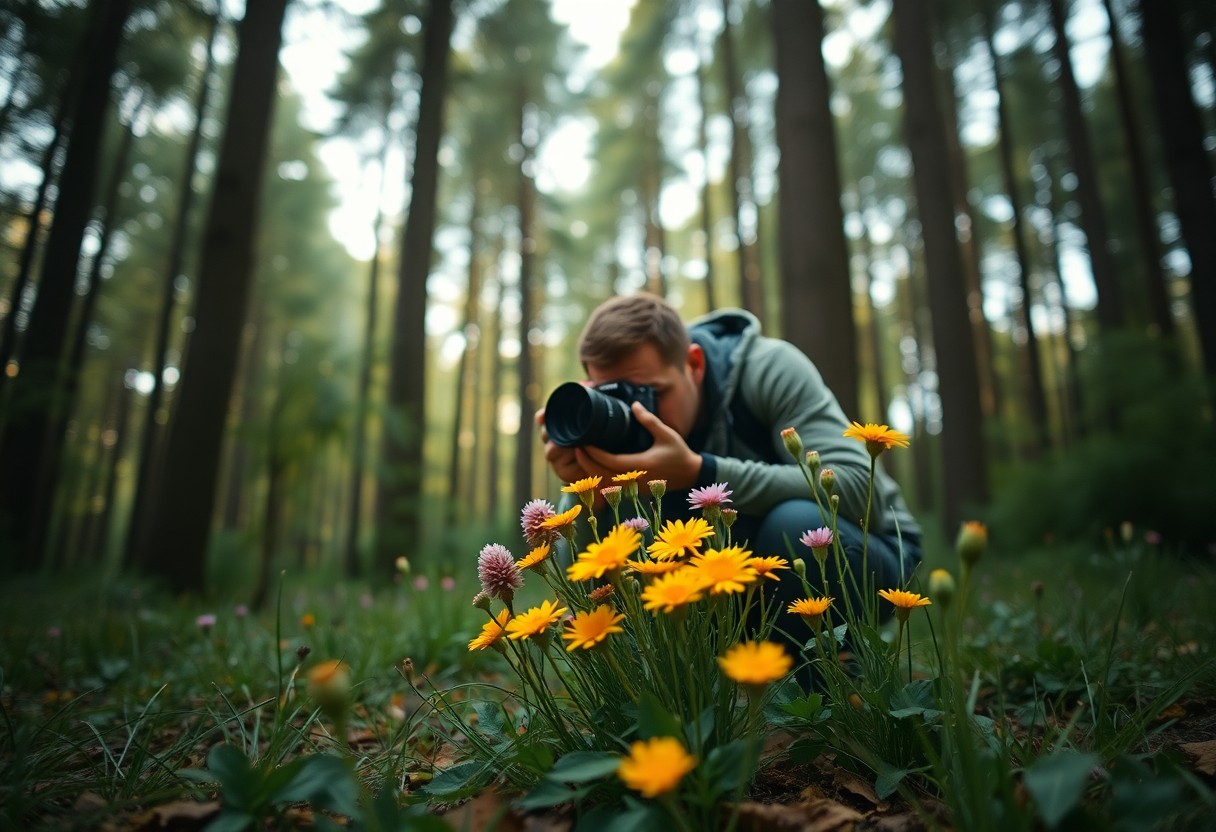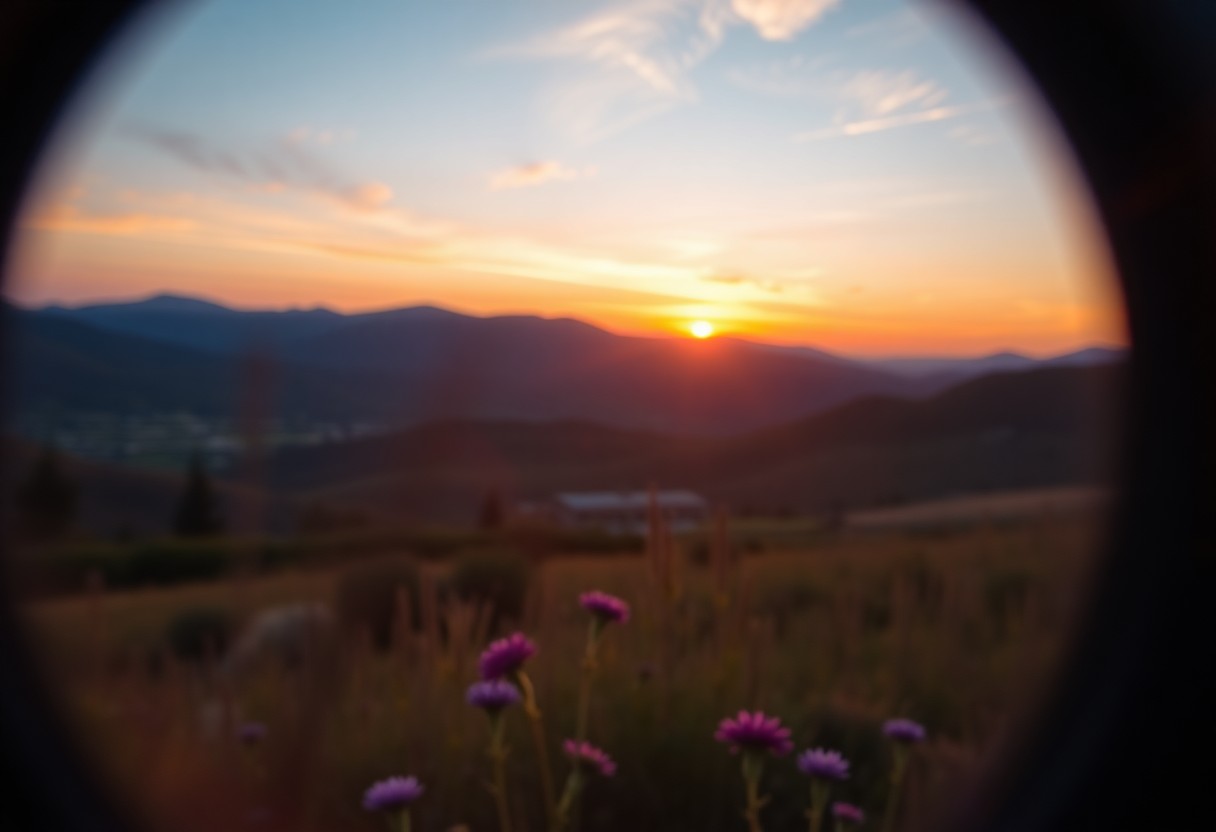
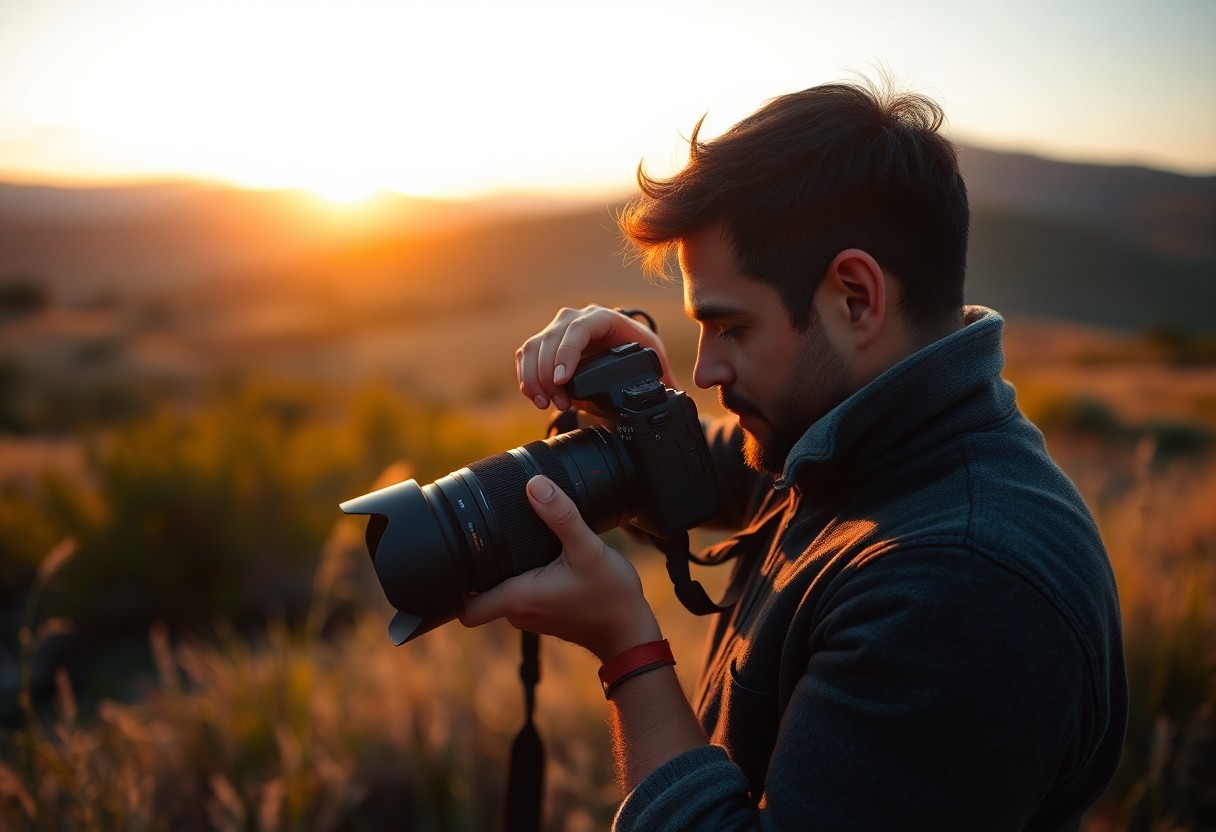
Techniques that transcend traditional photography principles can significantly enhance your photo composition. By exploring esoteric methods such as the Golden Ratio, dynamic symmetry, and the use of negative space, you can add depth and intrigue to your images. These lesser-known principles not only refine your framing but also guide the viewer’s eye, enabling a more compelling visual narrative. Whether you’re a novice or an experienced photographer, applying these techniques will elevate your artistry and empower you to create photographs that resonate more profoundly with your audience.

The Alchemy of Balance and Symmetry
Balancing elements within your frame takes your composition from mere snapshot to visual storytelling. Utilizing symmetry creates harmony, while deliberate asymmetry can evoke tension and interest. Understanding these principles enhances your ability to guide the viewer’s eye, making your photos not just visually appealing but also emotionally resonant. Each choice you make will either bring peace or provoke thought, thus deepening the viewer’s connection to the image.
The Role of the Golden Ratio
The Golden Ratio, approximately 1.618, serves as a timeless guide for achieving balance in your compositions. Incorporating this mathematical principle allows you to position focal points in a way that feels naturally pleasing to the human eye. By dividing your composition using the Golden Spiral or placing subjects along its lines, you harmonize chaotic elements, seamlessly directing attention and creating an innate sense of order.
Symmetrical vs. Asymmetrical Compositions
Symmetrical compositions provide stability and order, often delivering a sense of calmness. In contrast, asymmetrical arrangements introduce dynamism, prompting viewers to explore your work more deeply. Each approach can convey different emotions; finding the balance between the two can elevate your photography significantly. Experimenting with both styles enables you to uncover the most captivating visual narratives in your subjects.
While symmetrical compositions feature balanced elements on either side of a central axis, creating a sense of tranquility, asymmetrical compositions rely on visual weight to achieve balance without mirroring. This method allows you to juxtapose diverse elements, which can create tension or focus within the frame. For example, placing a dominant object off-center against a less significant background can lead to a more engaging image, encouraging the viewer to notice both the main subject and surrounding details. This exploration of balance and weight challenges conventional rules, inviting the spontaneity needed for captivating storytelling in your photography.
Infusing Emotion: The Power of Color Theory
Color theory goes beyond aesthetics; it is a powerful tool in your arsenal that can evoke specific emotions and set the mood of your photographs. By understanding how colors interact and their psychological implications, you can create compositions that resonate deeply with viewers. Whether you aim for warmth, tranquility, or even urgency, mastering color theory allows you to articulate these sentiments visually—turning an ordinary image into an extraordinary emotional experience.
Color Palettes that Evoke Feelings
Choosing the right color palette can transform the narrative of your photos. Warm tones like reds and oranges ignite feelings of passion and energy, while cooler blues and greens evoke calmness and serenity. For example, a sunset scene painted with rich oranges can convey warmth and romance, while a tranquil blue sea can evoke peace and solitude. By curating your color choices carefully, you can ensure that they align with the emotional message you want to communicate.
The Psychological Impact of Color Choices
Your color choices significantly impact how viewers perceive and connect with your images. Studies demonstrate that specific colors can trigger emotional reactions and associations; for instance, yellow often elicits feelings of happiness and optimism, whereas gray can evoke sadness or neutrality. Knowing the psychological effects of colors allows you to strategically select shades and tones that align with your intended mood, transforming the story your photo tells. Utilizing this knowledge effectively can lead to greater engagement and resonance with your audience.
The Art of Framing: More Than Just Borders
Framing transcends simple borders. It involves strategic placement that guides the viewer’s eyes, highlighting the subject and underscoring the narrative. Whether using natural elements or artificial boundaries, effective framing enhances visual interest, creating a polished and cohesive image. Consider how angles, lines, and the arrangement of objects can unite your composition, transforming ordinary scenes into extraordinary visual stories.
Utilizing Natural Frames in Your Environment
Natural frames are found all around you, from tree branches to doorways. Incorporating these elements into your composition adds context and draws attention to the main subject. A doorway might lead the eye into a bustling market scene, while the arc of branches can surround a solitary figure in a park, creating a sense of intimacy and connection. Look for these opportunities to elevate your photography by framing your subjects with the environment that surrounds them.
Layering Techniques for Depth and Storytelling
Layering techniques add complexity to your imagery by introducing multiple elements within a single frame. By thoughtfully composing your shot, you can weave a narrative that invites viewers to explore the scene and engage with its layers. Each layer can provide context, evoke emotion, or convey action, making your photo not just a moment captured, but a story waiting to be discovered.
Using layering to create depth involves three-dimensional placement of visual elements. For instance, a photographer might position foreground objects such as flowers or a person to draw the eye toward a more distant mountain range, establishing both scale and emotional resonance. By varying the focus and depth of field, you can enhance the visibility of each layer, allowing the viewer to transition seamlessly through the story portrayed. Consider also how layering color and light can emphasize emotions, guiding the viewer’s experience while maintaining a sense of cohesion throughout the composition.
Mastering the Rule of Thirds: A Stepping Stone or a Barrier?
The Rule of Thirds serves as a fundamental guideline in photography, dividing the frame into a grid of nine equal sections. This composition strategy can effectively draw the viewer’s interest towards focal points located at the intersections of these lines. However, relying solely on this rule without understanding when it’s appropriate to use it can stifle creativity. Your mastery of this technique can lead to more balanced images, but you also risk becoming formulaic—striking a balance between adherence to the rule and personal expression is key.
How Geometric Placement Influences Viewer Attention
Geometric placement is vital in directing viewer attention and creating harmony within your image. By positioning your subjects along the grid lines or their intersections, you guide the viewer’s gaze through your photograph. This structure can enhance visual storytelling; for instance, placing a horizon line in the lower third allows the sky to dominate, creating mood. Utilize these placements thoughtfully to craft a narrative flow that keeps eyes engaged with your work.
Breaking the Rule: When to Deviate for Creative Expression
Exploring creativity sometimes requires breaking the Rule of Thirds. This shift can lead to dynamic compositions that evoke emotions or emphasize characteristics that a strict adherence to the grid would mask. For example, think of placing a main subject dead center to create a sense of confrontation or tension in the image. Challenging conventions can lead to more personal and compelling storytelling, where your vision and instinct become paramount.
Breaking the Rule of Thirds often opens doors to innovative compositions that defy predictable patterns. Consider renowned photographers like Henri Cartier-Bresson, who frequently captured moments that were centered, forcing viewers to engage with the subject in an unexpected way. By experimenting with symmetrical arrangements or unconventional placements, you can evoke powerful feelings and narratives that resonate deeply. This approach not only pushes the boundaries of conventional photography but also invites personal exploration of your unique artistic voice, ultimately yielding stronger, more impactful imagery.
Capturing Movement: Creating Dynamic Compositions
Dynamic compositions breathe life into your photographs, transforming static moments into vibrant narratives. To effectively capture movement, focus on the subject’s action and the surrounding environment. This can be achieved through techniques such as panning, where you move the camera in sync with your subject, or utilizing slower shutter speeds to blur motion, balancing clarity with fluidity. Experimenting with these methods not only conveys energy but also invites viewers into the scene, creating a more immersive experience.
Techniques for Conveying Motion
Employ techniques like panning, using slow shutter speeds, and capturing bursts of movement to add a sense of dynamism to your shots. Panning involves following your subject’s movement with your camera, allowing the background to blur while keeping the subject sharp. Conversely, slow shutter speeds can portray speed, making subjects look gracefully fluid. Each of these methods encourages movement, inviting your audience into the narrative.
The Use of Lines and Patterns to Lead the Eye
Lines and patterns play a vital role in directing the viewer’s gaze within your composition. Incorporating leading lines—such as roads, rivers, or fences—can guide the eye towards the focal point, enhancing the sense of movement. Curved paths can create a dynamic flow, while converging lines add depth and perspective. Utilizing natural elements like trees or architectural features can help reinforce your subject’s energy, ultimately crafting a more compelling visual narrative.
Incorporating lines and patterns strategically not only enhances composition but also invites your viewers on a journey through your imagery. For instance, a winding road leading to a sunset can create a sense of adventure and exploration, while diagonal lines can instill a feeling of motion and urgency. To make the most of these elements, observe your surroundings for natural lines, whether they are found in landscapes or urban environments. Experiment with different angles and perspectives to highlight these features, allowing them to frame your subject while creating a harmonious balance in your photographs.
To wrap up
From above, exploring esoteric techniques such as the golden ratio, leading lines, and the rule of thirds can significantly enhance your photo composition. By incorporating these strategies into your photography practice, you can create striking images that draw the viewer’s eye and convey deeper narratives. Embrace the subtle interplay of light, shadow, and perspective to achieve a more engaging and dynamic visual story. Ultimately, the mastery of these techniques will elevate your photographs, setting them apart in a world saturated with visual content.