It’s Tuesday, March 24, 2026, and the photography world is moving faster than a shutter at 1/8000th of a second. If you’ve been busy shooting and haven’t looked at a screen all day, don’t worry. We’ve done the scrolling for you. From high-end glass that costs more than a used car to the AI revolution currently shaking up European festivals, here is everything you need to know right now.
The Festival Circuit: Europe is Shutter-Happy
If you happen to be in Europe this week, you’re in the middle of a photography gold mine. March 2026 has become the unofficial "Month of the Lens."
In Paris, the Circulation(s) festival kicked off on March 21 and is running all the way through May. This isn’t your typical "sunset and puppy dog" gallery. It’s a deep dive into emerging European talent. Twenty-six photographers are currently showcasing work that blurs the lines between reality and digital manipulation.
Meanwhile, Rotterdam is the place to be starting tomorrow. Haute Photographie is transforming the city with a 1,250 m² pop-up museum. It’s an interesting mix: vintage prints sitting right next to contemporary work. If you’re looking for hidden gem locations for travel photography, Rotterdam during this festival is a visual feast.
Not to be outdone, Unseen Photo has officially partnered with Art Rotterdam. This is a big deal because it signals that the art world is finally stopping the "is photography really art?" debate and fully integrating it into the contemporary scene.
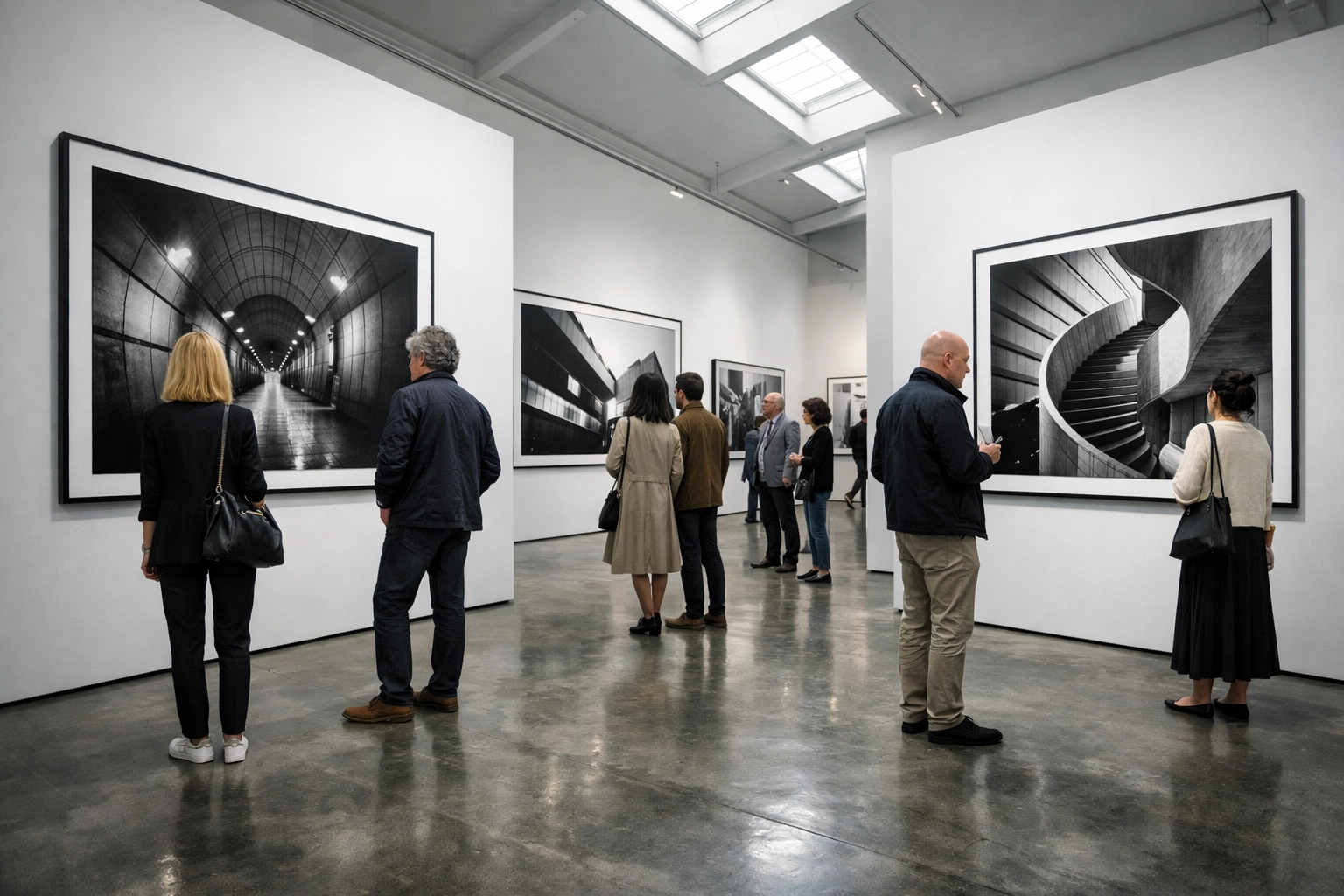
Alt Text: A modern photography gallery in Rotterdam with large scale prints and art enthusiasts.
Leica Drops a Legend: The 35mm Noctilux
Leica fans, grab your wallets and maybe a second mortgage. Leica has finally unveiled its first-ever 35mm Noctilux lens. For those who aren't gear nerds, the "Noctilux" name is synonymous with insane low-light performance and a depth of field so thin it’s basically a sliver.
This lens is designed for the purists. We’re talking about that signature Leica "pop" and micro-contrast that makes photos look three-dimensional. While most of us are happy with a 35mm f/1.4, the Noctilux pushes the boundaries of what’s optically possible. It’s heavy, it’s expensive, and it’s arguably the most prestigious piece of glass released this year.
If you’re editing shots from a lens like this, you want software that can handle that level of detail. Tools like Luminar are becoming the go-to for photographers who want to enhance that natural bokeh without making it look like a cheap filter.
Canon Rumors: The R7 Mark II and the VR Future
Canon isn't letting Leica have all the fun. The rumor mill is currently churning out some spicy details about the EOS R7 Mark II. While we aren’t expecting it to hit shelves until mid-2026, the leaked specs suggest a massive jump in sensor speed and autofocus tracking. It looks like Canon is positioning this as the ultimate wildlife and sports camera for people who don’t want to carry a full-frame brick.
But the real "wow" factor is Canon’s pivot into Virtual Reality. They’ve been spotted testing a prototype 360°/180° 3D VR camera. This isn’t just for gamers; it’s for photographers who want to create immersive landscapes. Imagine being able to revisit your favorite secluded paradises in full 3D.
Also in the works is the PowerShot V3. Rumor has it this will be a compact camera with a 20x zoom range specifically designed for travel photographers who are tired of swapping lenses.
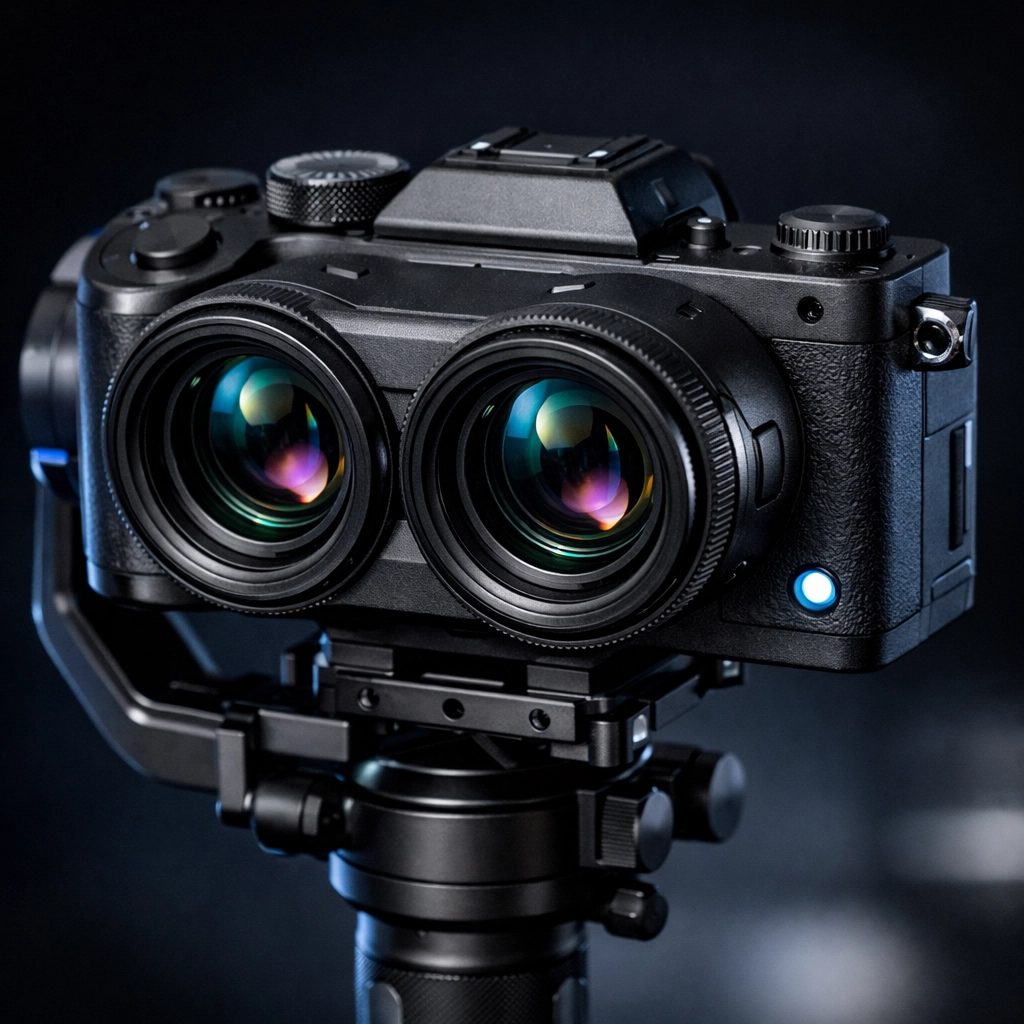
Alt Text: A futuristic Canon mirrorless camera prototype with dual lenses for VR 3D photography.
AI is No Longer a Buzzword; It’s the Engine
At the MIA Photo Fair in Milan, which wrapped up over the weekend, the conversation wasn't about megapixels. It was about AI. The fair put a massive emphasis on experimental approaches and AI integration in the creative process.
We’re seeing a shift where AI isn’t just used for noise reduction or sharpening. It’s being used to create "hybrid visual languages." Photographers are taking their own raw files and using AI to expand the canvas or alter the lighting in ways that were previously impossible.
Some people hate it. Some people love it. But as we’ve discussed before, why everyone is talking about AI-integrated mirrorless cameras is a conversation you need to be part of if you want to stay relevant. The industry is evolving, and the tools we use are becoming smarter. If you're looking to upgrade your skills to match these new technologies, check out some of the advanced courses over at www.proshoot.io.
Why This News Matters for Your Next Shoot
You might be thinking, "Cool, Edin, but how does a Leica lens I can't afford or a festival in Paris help my photography?"
It’s about the shift in the "look" of modern photography. The trend for 2026 is moving away from the ultra-clean, "perfect" digital look and moving toward something more tangible and textured. Whether it’s through high-end optics or using rare textures for tangible aesthetic photography, the goal is to make the viewer feel the image.
The accessibility of high-end tech is also bridging the gap between hobbyists and pros. With better autofocus and smarter software, the barrier to entry is lower, which means the creative side is more important than ever. You can find inspiration for your next project by looking at top spots for majestic sunset photography or exploring picturesque coastal escapes.
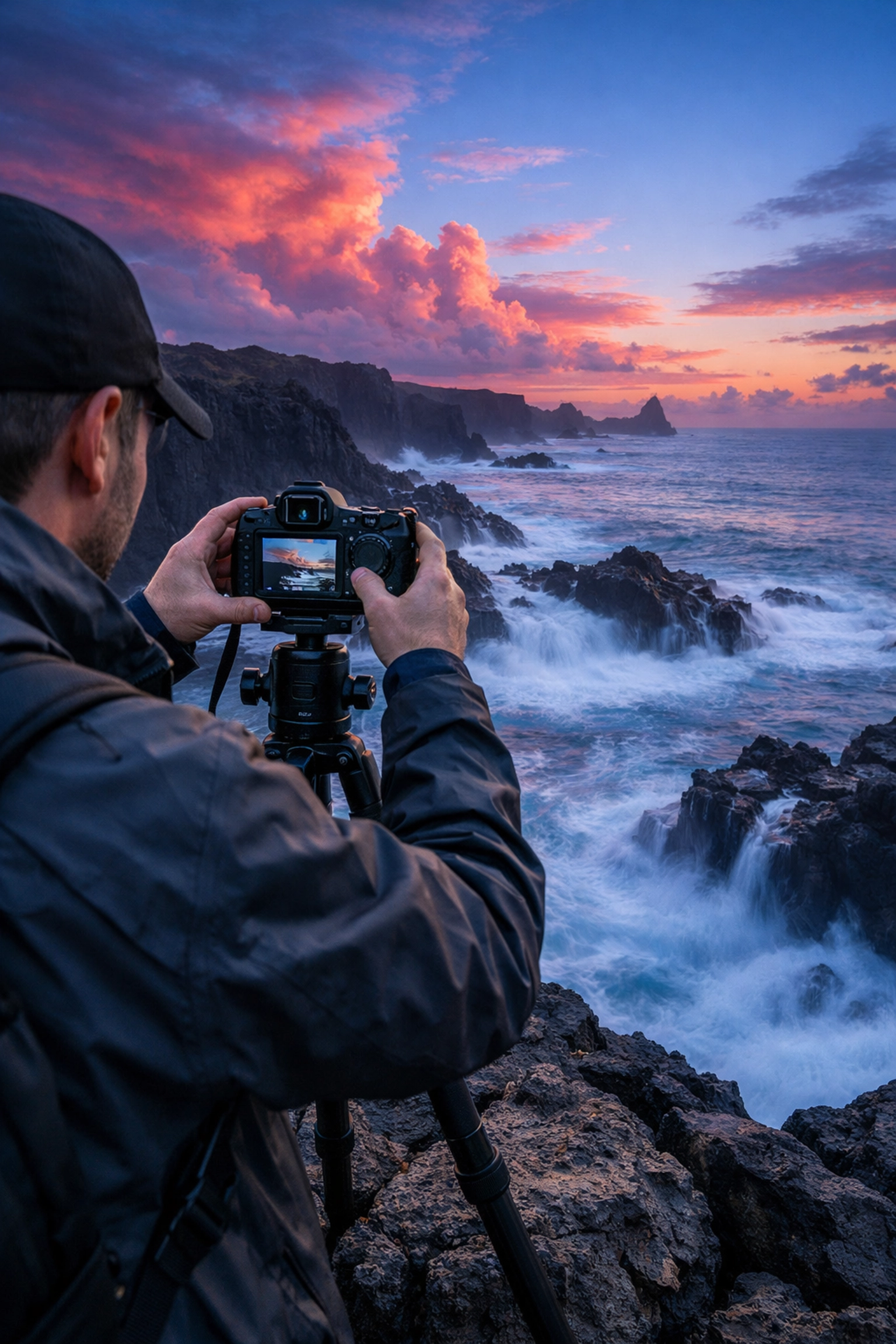
Alt Text: A photographer capturing a sunset over a rugged coastline using a modern mirrorless camera.
The Quick Wrap-Up
To summarize the last 3 minutes:
- Festivals: Europe is dominated by photography festivals right now, focusing on emerging talent and the intersection of art and tech.
- Leica: The 35mm Noctilux is the new king of glass for those who demand the best (and have the budget).
- Canon: The R7 Mark II is coming, and VR photography is about to go mainstream.
- AI: It’s being embraced by the art world as a legitimate tool for creative expression, not just a shortcut.
If you’re feeling overwhelmed by the tech, remember that the best way to get better is simply to shoot more. If you need a jumpstart, we have a guide on the fastest way to get better at landscape photography.
The world of photography is changing, but the core remains the same: capturing a moment that tells a story. Whether you’re using a vintage Leica or a brand-new AI-powered Canon, just make sure you shut your aperture and click the shutter.
For more deep dives into the gear that actually matters, head over to PhotoGuides.org or browse the fine art collections at www.edinfineart.com to see what’s possible when you master these tools.
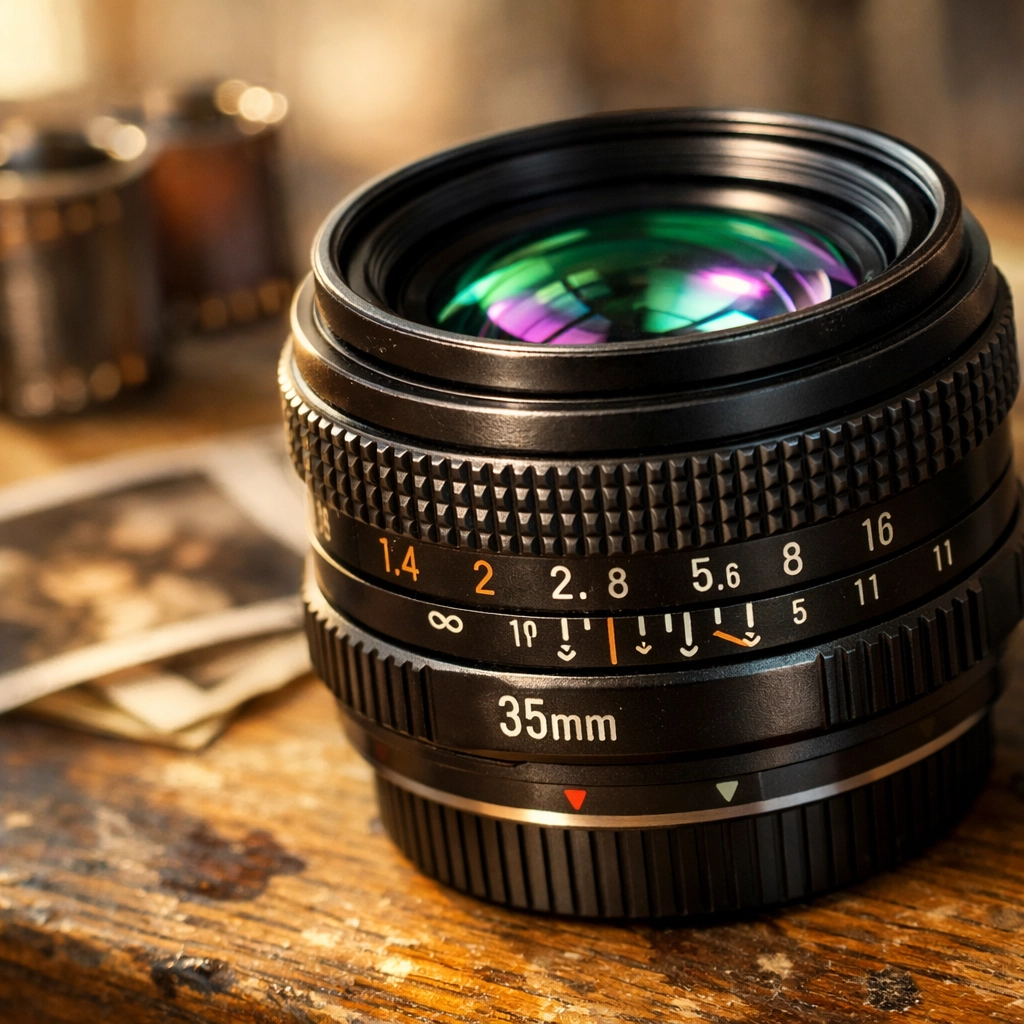
Alt Text: Close up of a vintage Leica lens on a wooden table with soft morning light.
Industry Shifts: Collaboration Over Competition
One of the most heartening trends of 2026 is the increase in collaboration within the photography community. The "secret spot" culture is dying, replaced by a desire to share knowledge and uplift other creators. This is why platforms like www.edinstudios.com and community-driven news clusters are seeing such a surge in traffic.
The more we share, the better the industry becomes. Whether it’s sharing techniques for stunning water photography or discussing the ethics of AI in journalism, the conversation is what drives us forward.
Keep an eye on the blog for more evening updates. We’ll be tracking the Canon VR prototype closely: if that thing hits the market, the way we experience travel photography will never be the same again.
Until next time, keep your batteries charged and your glass clean. There’s a lot to see out there.