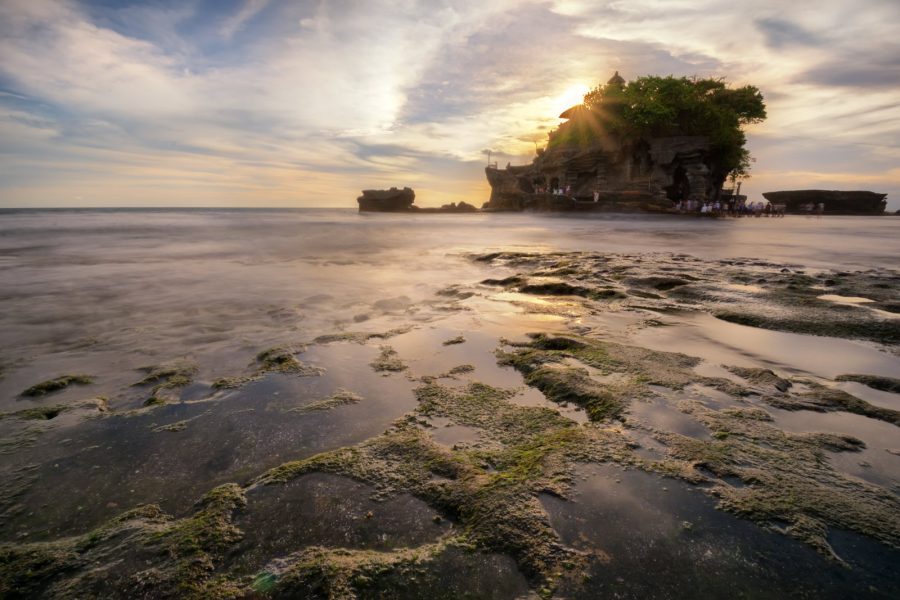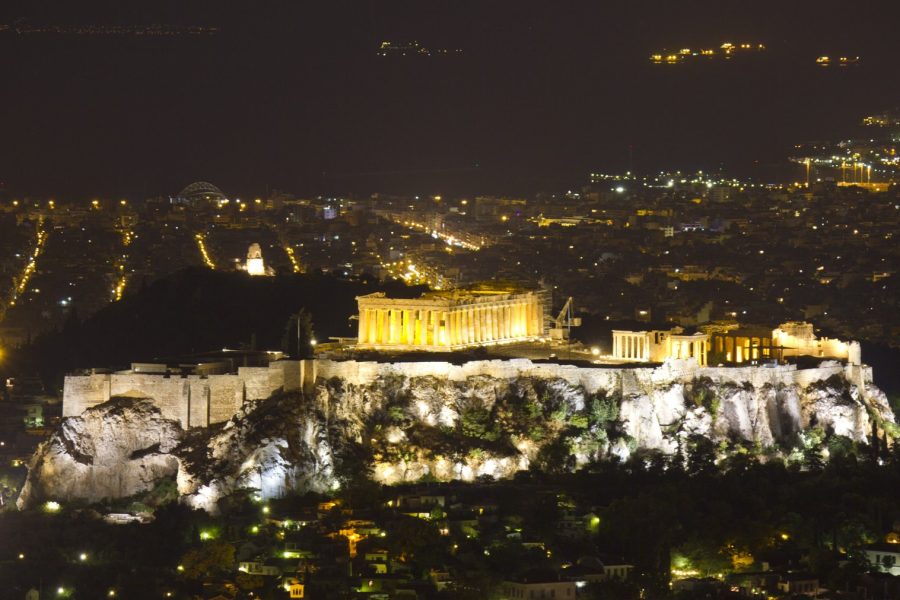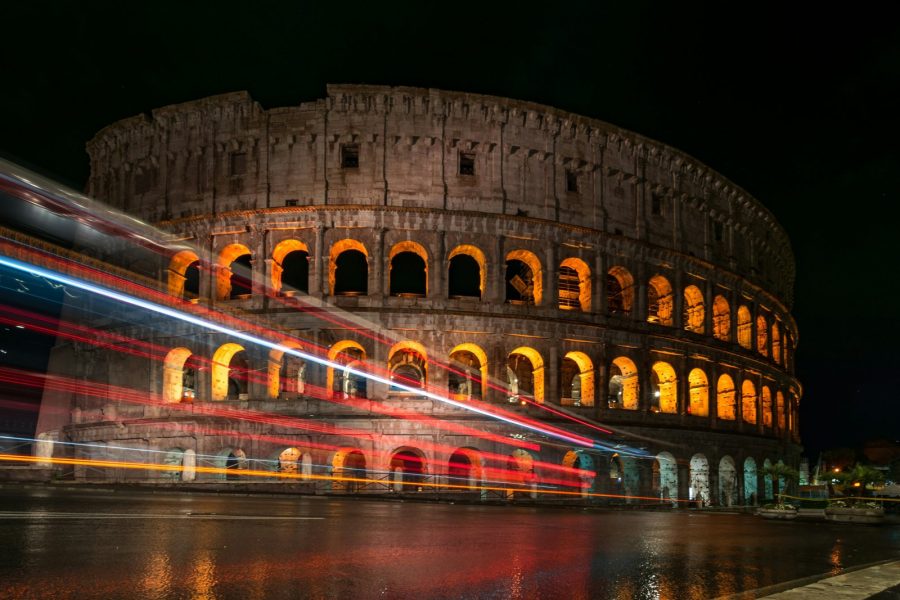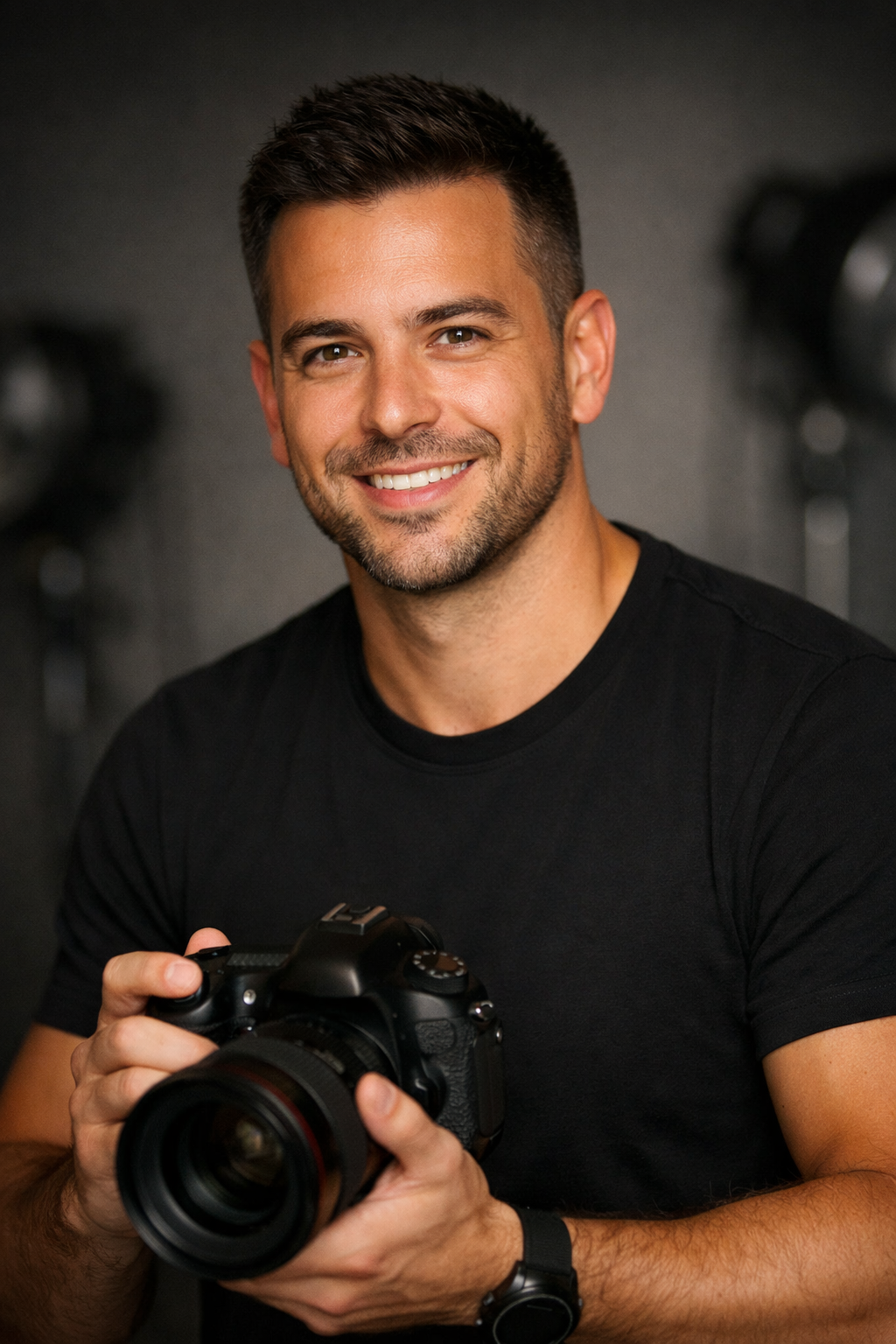
A beautiful travel photograph is not a magazine pitch. Editors need a story, a reason to run it now and a clear sense of what you can deliver. Some travel publications work with photographer-led photo essays. Others commission reported writing and discuss images only after the story is assigned. If you send the same portfolio link to both, you have skipped the part that matters.
This guide is for photographers who want to read the right magazines, study their visual language and approach an editor without mistaking a publisher’s open guidelines for a guaranteed assignment. The links below go to the publications’ own current guidance where available. I have not verified a commission, fee, open image contest or staff contact for you. Read the latest page again before you send a pitch. And do not send a full set of high-resolution files because a directory on the internet told you to.
 Save
First, decide whether you have a picture, an essay or a reported story
A single strong frame can lead a portfolio. A photo essay asks for more: an opening, a progression, details that move the reader through a place and an ending that changes how the opening feels. A reported travel story asks another question: what did you learn from people and sources on the ground that a reader could not get from a caption and a search result? Many magazines commission a written story and photographs together, but the balance differs. Read three recent pieces from one outlet before pitching it. Note whether the photographer is credited separately, how many images run, whether they are from one trip or several, and whether the writing is a first-person journey or reported service.
Then inventory what you have actually done. Have you visited the place recently? Did you photograph the people or activity you want to write about? Do you have permissions where needed, accurate captions, reliable names and an angle not already covered? A photograph of a winter forest, for example, does not prove a particular country, season of a named festival or connection with the community nearby. Do not supply narrative from imagination to fill that gap. If all you have is a strong image, build a portfolio or research a future assignment rather than inventing a finished feature.
Make a one-page project brief before contacting anyone. Put the working title at the top. Add the angle in one sentence, two or three scenes you can actually document, possible interview subjects, a short captioned contact sheet, the expected travel/reporting dates and what would make the story timely. This is preparation, not a mail merge. Each publication gets a different cut of the idea based on its audience and current guidance.
Condé Nast Traveler: pitch an angle, not a destination
Condé Nast Traveler’s digital pitch guidelines are unusually clear. They say to pitch stories and angles, not “I’m going to this place, need anything?” The site asks whether it has covered the destination already and what the new reporting adds. A proposed headline, angle, sources or characters and why now should fit into a paragraph or two. Photo suggestions can be discussed after an assignment; this is not an open portal for dropping finished photographs.
Its guidelines also say it does not accept pre-written stories on spec. If your trip was sponsored, disclose that. If the story involves a community you are not part of, explain whose voices you will include and why you are positioned to tell it. The current page assigns topics to editors and discourages sending the same pitch to multiple editors at once. Those details can change, so use that page to identify the correct route on the day you send. A photographer could pitch a visual-led reported story, but the photographs must support the reporting rather than substitute for it.
Try a test on your own idea: remove the destination name from the proposed headline. Is there still a story? “Three days in X” is an itinerary. “How a new walking route is changing access to X for residents” is an angle, but only if you have evidence and voices to report it. If your headline depends on a claim about residents, businesses or the environment, the pitch should say how you will verify it. A memorable photograph can open the door; honest reporting keeps it open.
Travel + Leisure: separate digital, print and photography routes
Travel + Leisure’s pitch guide addresses digital and print separately. Its digital guidance asks for a brief idea, a clear headline, a fresh angle and relevant clips rather than a pre-written story. Print works on longer lead times and fewer pages. A timely opening or news angle may suit digital but arrive too late for a print issue already planned months ahead. Read the current page for which editor handles your subject; names and assignments are not permanent.
Photographers should pay particular attention to the publication’s print guidance, which points interested contributors and photo-essay ideas to its photo leadership. That is not a promise of acceptance, nor proof that a generic address will reach the same person next month. It does mean there is a more precise route than sending a tourist gallery to a random writer-editor. Prepare a tight visual sequence and an account of its editorial purpose. If a story is about a changing neighborhood, what images show the change rather than merely its prettiest facades? If you are covering a person, do you have their participation and the time needed to photograph them well?
The outlet says it values new voices and perspectives on places. That is an invitation to make the pitch specific, not a license to claim firsthand access you do not have. It also explains that print features are hard to break into because they cost more and occupy scarce pages. A smaller, well-reported idea can be a smarter first approach than demanding a cover feature. Be patient without treating an encouraging editor response as an assignment until terms are settled.
 Save
Sidetracked: adventure with an actual story and actual photographs
Sidetracked’s contribution guidelines ask for an adventure story with a provocative angle or emotional center, not a trip report or destination review. Its current page requests a one-paragraph proposal, a proposed opening paragraph, details of the journey, five low-resolution images and relevant experience for a completed adventure. It says not to send a full manuscript unless requested, asks that submitted stories be unpublished elsewhere and gives size limits for emailed material. Read every detail from its own page, not from a directory that copied an older version.
There is a decisive rule here: Sidetracked says stories must be written entirely by a human writer and images must be the result of a photographic camera process. Its guidelines expressly bar generative AI in submissions, including writing-assistance tools. If any part of the proposed submission used those tools, do not claim it meets their rules. This article can help you understand the publication, but it is not a Sidetracked-ready pitch, story or image set. Write and prepare any submission yourself under the current guidelines.
The publication’s suggested length for a story is around 1,500 to 2,000 words, while allowing exceptions. Do not try to cover a month-long journey day by day just to use every photo. Pick one revealing phase, decision or relationship and build a visual sequence around it. Do your five low-resolution frames show the journey’s stakes, the people and the small details, or are they five interchangeable sunsets? The answer is a better editing test than whether the colors match your grid.
SUITCASE: visual direction, culture and a defined brief
SUITCASE’s submission guidelines describe visually led stories about art, culture, destinations and people. The page, updated with editorial interests in March 2026, names road trips, island adventures, hiking, city trends and people shaping destinations among its interests. It asks for a clear angle, potential sources, estimated word count, a brief bio and relevant clips, plus a visual direction and suggested headline. It also asks contributors to disclose accepted or planned press trips or other complimentary support.
This is a good place to distinguish a photo journal from a press-trip recap. Study its recent Photo Journals and note how the images and words work together. Your visual direction might say which scenes you can photograph and which people you can talk to, not just “colorful street life.” If a place is portrayed as emerging, changing or under-visited, ask who benefits from that language and whose account is missing. An honest, narrow story with clear access beats a generic bucket-list premise.
SUITCASE gives a submission route on its own page but warns that it cannot answer every email. That is not an invitation to bombard another inbox. Give the idea enough reporting detail for an editor to judge it, and keep an orderly record of where and when you pitched. Before pitching the same exclusive concept elsewhere, check the current outlet’s rules and any response or hold request. Editorial relationships are built with clarity, not follow-up volume.
Panorama: a photo-essay call with a changing theme
Panorama’s submission manager is a different model. Its current page lists seasonal submission windows and, for its November 2026 TIME issue, calls for photography connected to that theme and to travel. It describes two photo essays per issue, one with accompanying text and one with an interview. Its present photography instructions request ten sample images or a full photo essay, a portfolio site, an introduction to the work and how it connects to the issue. Submit through the live manager, not an invented editor address.
The specificity can save you time. Ask whether your project genuinely says something about TIME: a place revisited after years, a changing shoreline documented over a period, or a family’s travel archive with consent and context. If your images only show beautiful places, do not bolt an abstract theme onto them at the last minute. Wait for a call that fits, or develop a stronger story. Submission windows and themes are time-sensitive; by the time you read this article, the listed issue may be closed. Check the manager before preparing a package.
Its categories have different expectations, and not every form wants a pitch: some request completed work, while the visual-art call permits samples. Never translate guidance for a written memoir into instructions for a photo essay. Confirm whether images may have appeared elsewhere, the requested file format and any rights terms on the live form before pressing Submit.
Read the magazine like an editor, not a fan
Choose five recent pieces from a publication. Build a small spreadsheet with the headline, date, location, story type, photographer credit, number of images, opening image, reported voices and link. Look for patterns rather than copying style. Does the outlet run practical travel service, literary first person, documentary portraiture or visual mood boards? What will your piece add that their current library lacks? When you cannot articulate that difference, you are not ready to pitch.
Look at the photo credit and caption conventions. Some publications commission a writer and license existing images separately. Others assign one creator both reporting and photography. Credit in a past article does not prove what the next contract will say, but it tells you what questions to ask. If you want to be hired specifically as a photographer, make that clear. If you can write and shoot, show both bodies of work without implying a magazine must buy them as a package.
Keep a clean, fast-loading portfolio page for editorial work. Put the strongest complete story first, then a few relevant series. Include clear captions, your name and a way to contact you. A gallery of unrelated single images may demonstrate technique but not your ability to cover a story across scenes. If you have never published an editorial piece, a self-directed project can still show how you work. Label it honestly rather than inventing an assignment or publication credit.
 Save
Build a contact sheet that carries the narrative
Start with a wide opening frame that establishes place. Add a human-scale image if the story involves people and you have permission to use it. Include a detail that rewards close attention, a moment of action or change, and a closing image with a different emotional temperature from the opener. That is a working edit, not a formula. Some stories need a quiet portrait first and a landscape last. The point is that each frame does a different job.
Caption every sample accurately: who or what, where, when and what the viewer needs to understand. Verify spellings and place details with notes taken at the time. Don’t embed a conclusion your image cannot prove. “Residents resist tourism” is not a caption for people standing in a street unless you have actually spoken to them and reported that position. Keep low-resolution samples within the publication’s stated limits. Hold back full-resolution originals until an editor explains the assignment and secure transfer route.
Create a version of the edit for each outlet, but do not misrepresent the work to fit a fashion. An adventure magazine might need the difficult crossing and the people who made it possible. A culture title might want the lives and work around the same route. If you cannot make either story from material you have, go back and report it. The best editorial edit often leaves out the frame that wins likes because it distracts from the story.
Pitch with enough detail to earn a real reply
A practical pitch has a subject line that names the story, not “Amazing opportunity.” Open with the angle and the reason now. Describe what you have access to and what remains to be reported. Give a few specific images you can make or already have, and link to the relevant portfolio series. State whether the trip or reporting has commercial support. Close with a short bio and availability. Respect the length and format the outlet asks for; Condé Nast Traveler and Travel + Leisure do not ask for a full pre-written piece.
Do not bluff access. “I will photograph artisans in their workshop” implies you have a route to meet them and a plan for consent. If you only hope to arrange it, say so. A proposed portrait of a vulnerable person carries more than a visual opportunity; it carries a relationship and the possibility of harm. Ask how the story would look from the subject’s position. Editors can work with a well-scoped uncertainty. They cannot build trust on a false certainty.
Keep a pitch log with the date, outlet, angle, submitted material, exclusivity status and next reasonable follow-up. Read the outlet’s own expectations; for example, Sidetracked says its small team aims to reply within two months, while Condé Nast Traveler’s page gives a much shorter horizon for moving elsewhere. Do not turn those into universal rules. If an editor asks for a different angle, confirm the revised scope, images, reporting costs and deadline before you commit. An enthusiastic “love this” email is not a contract.
Agree on rights and money before handing over the finals
An editorial credit does not settle usage rights. Ask what media, geography, duration and promotion the fee covers; whether the outlet wants exclusivity; whether the work may be syndicated; how your name will appear; and whether it can crop or alter images. Ask about the kill fee if the commissioned piece does not run. Confirm payment timing, expenses and who covers travel. These are questions to put to the editor and contract, not claims that every publication offers the same terms.
Do not promise an exclusive series to two outlets. Do not send a set that includes third-party work, an unlicensed stock photo or an image whose subject asked not to be published. If a location needs access permission or a portrait involves a minor, establish the relevant permissions before delivery. Keep the original files, notes, captions and approvals organized so you can answer a fact-check request without reconstructing the trip from memory.
A sponsored trip needs disclosure to the editor, even if the sponsor expects a positive story. Condé Nast Traveler and SUITCASE say this directly in their current guidance. An editor may decline the idea, or agree on a transparent treatment. What you should not do is hide support and force the publication to discover it later. Editorial integrity is part of the work you are selling.
 Save
Travel photography magazine FAQ
Can I pitch photographs without a finished article?
Sometimes, but use the publication’s actual route. Travel + Leisure’s print guidance identifies photo leadership for photographers and photo essays; Panorama’s live photography call asks for samples or an essay. Condé Nast Traveler’s digital page, by contrast, asks for a story pitch and says photo suggestions can follow an assignment. A generic gallery blast is not a substitute for those instructions.
How many images should I send with a pitch?
Only as many as the current guidelines request. Sidetracked presently asks for five low-resolution photographs within an email size limit; Panorama’s TIME photo call asks for ten samples or a full essay. Other editors may prefer a link and no attachments. Never send full-resolution originals unsolicited.
Should I write the story before I pitch?
Not for outlets that say not to: Condé Nast Traveler, Travel + Leisure and Sidetracked discourage unsolicited full manuscripts in the linked guidance. Panorama has categories that require completed work. Match the form to the publication and the section, not a universal pitching template.
Can an AI-assisted story go to Sidetracked?
Its current contribution guidelines say no. They require human-written stories and camera-made images and expressly prohibit generative-AI tools in submissions. Follow that rule exactly if you choose to approach them. This page is an information guide, not copy to submit or pass off as compliant work.
What if the magazine doesn’t respond?
Check its stated window and whether the pitch was exclusive. Follow up politely through the same route when reasonable, then move on within its guidance. Sidetracked asks for patience from a small team. A nonresponse is not permission to reuse an editor’s unpublished comments or to sell an exclusive already under agreement.
Can I use a portfolio made of photos from a sponsored trip?
You can show relevant work when you have the rights, but disclose material support in the pitch where the outlet asks. Condé Nast Traveler and SUITCASE address sponsored travel in their guidance. A portfolio link does not erase the context in which the images were made.
How do I know the publication still accepts contributors?
Open the publication’s current submission page and recent issues. Confirm that the route and category remain active and that the published work fits your idea. An archived directory or an old contact email is not enough. A live page is evidence of guidance, not a guaranteed opening, fee or reply.
The practical next move
Pick one publication, read its latest work and its actual pitch page, then build one story-specific contact sheet. If you only have pretty singles, build a coherent series before approaching an editor. If you have a story, write the angle in a sentence and test it against the photographs and sources you really possess. A sharp edit and an honest pitch will do more for your work than a list of 50 magazine names.
Want to go further? The ShutYourAperture Academy’s Wander & Capture: Travel Photography (7 modules, 28+ lessons) is built to help you cover the art and practice of photographing a place well.
Sources and affiliate disclosure
Publication-specific guidance is drawn from the linked Condé Nast Traveler, Travel + Leisure, Sidetracked, SUITCASE and Panorama pages. Editorial windows, contacts, requirements and rights can change, so confirm them directly before pitching. The publication links above are editorial sources; the gear links below are affiliate links. Do not submit this article, or any AI-assisted text or imagery, to an outlet whose policy forbids those tools.
Keep the story files together
A black SanDisk Extreme Portable SSD V2, 1TB model SDSSDE61-1T00-G25, is one storage option for originals, contact sheets and export versions in a travel story. Check current manufacturer firmware guidance, computer connection and capacity before use. Keep your source files separate from delivered exports, open the copied files and keep a separate checked backup. A drive does not send a pitch or establish the rights to publish a photograph. Compare the current retailer specifications; no hands-on test, price or stock promise is being made here.
Compare SanDisk Extreme Portable SSD V2 1TB Black SDSSDE61-1T00-G25 on Amazon | Check SanDisk Extreme Portable SSD V2 1TB Black SDSSDE61-1T00-G25 at B&H
Affiliate disclosure: We may earn a commission from qualifying purchases through these gear links at no extra cost to you. As an Amazon Associate, Shut Your Aperture earns from qualifying purchases.