
Updated October 2026
Jason Fontana’s original Photographer of the Week feature was as much about traveling with a camera as about the pictures. The 2015 introduction described the familiar tension between making photographs and enjoying a trip with other people. This update keeps the thirteen available archive images and turns that theme into practical travel-photography tips, alongside a close look at the visible compositions.
The gallery does not provide reliable image-by-image settings, exact locations, or a complete shooting account. Some subjects are visually familiar, but that is not a reason to invent a place name or a camera setup. The captions below describe what the images show and leave undocumented details open.
I want a photograph to be part of the experience, not the reason everyone else stops enjoying it. A good travel frame still needs preparation and patience, but a shared trip also needs agreed expectations. You can work seriously without making companions responsible for your shot list or pretending that every stop must become a production.
 Save
SaveA skyline needs a readable arrangement
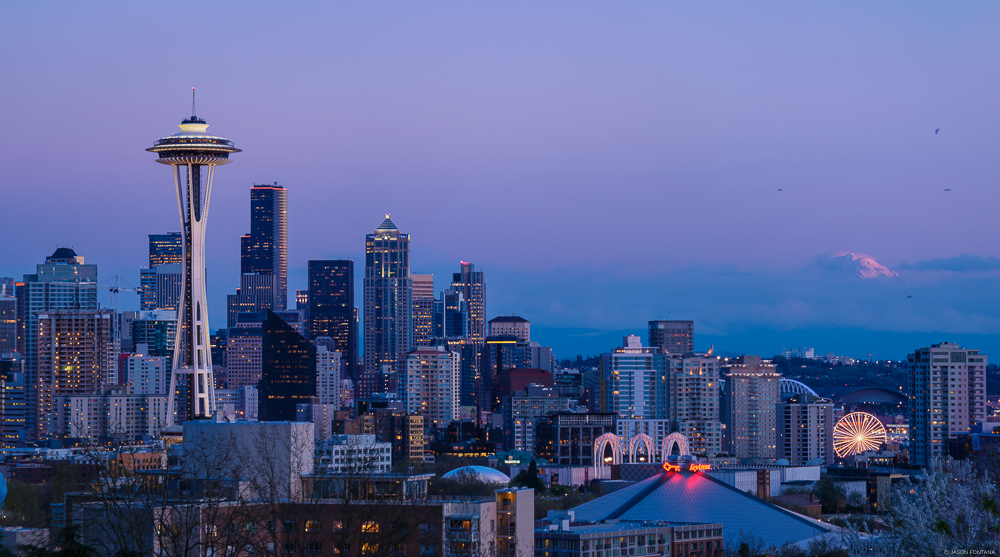
The skyline image gives the tall tower a clear place among the surrounding buildings. The softer twilight sky leaves room above the structures, while smaller lights create detail below. The picture is useful to study as a balance of a strong vertical form and a broader city rhythm.
For your own skyline, decide which structure anchors the composition. Then inspect the edges and the spacing around it. A familiar landmark does not automatically make a strong photograph if other buildings crowd its outline or a careless crop cuts the frame awkwardly.
Choose an authorized viewpoint and check its hours and access rules against a current source before planning a visit. A portfolio photograph does not prove that a rooftop, window, or other position is open to you. Keep the visual idea separate from assumptions about access.
 Save
SaveAn opening can organize a coastal frame
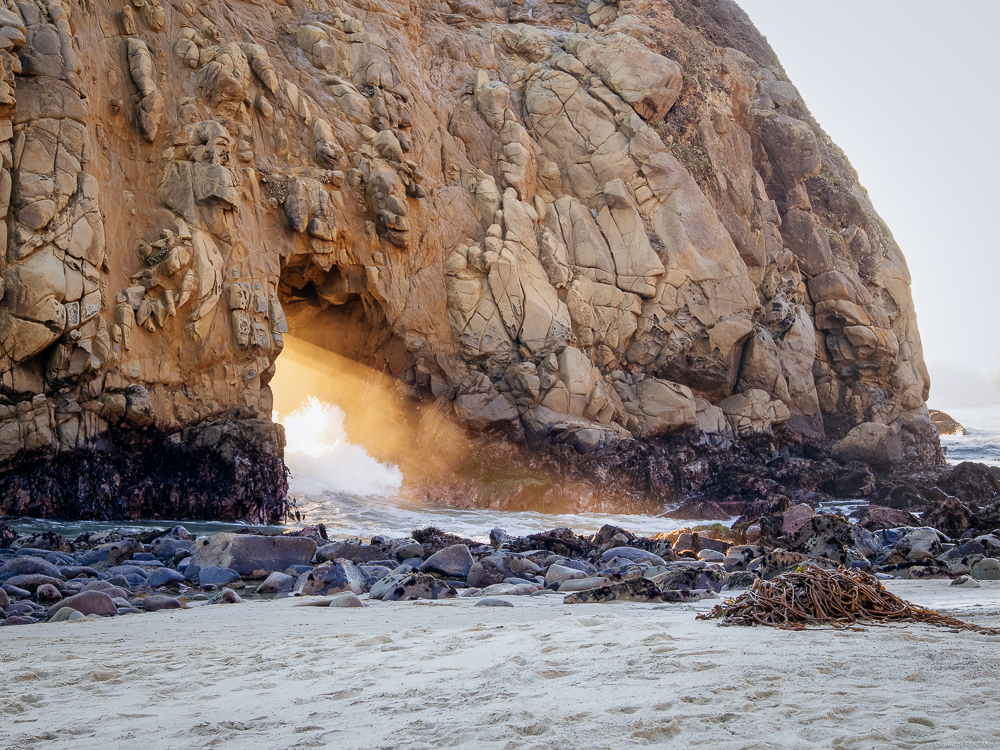
The arch gives the photograph a clear shape to look through. Warm light within the opening contrasts with the heavier rock and the paler water below. The foreground is not simply empty beach: the water texture connects the near frame with the arch.
Check the relationship between the opening and the surrounding rock. A small change in viewpoint can affect whether the shape reads clearly or merges with nearby surfaces. You do not need to fill every corner with detail; you need enough information to support the main relationship.
Coastal access and conditions change. Stay within authorized safe areas and check tides, weather, and local restrictions for your own outing. This image does not establish a safe position at another time. Do not move onto wet unstable surfaces because the finished frame makes the location look inviting.
 Save
Save Save
SaveRepetition and isolation create different landscapes
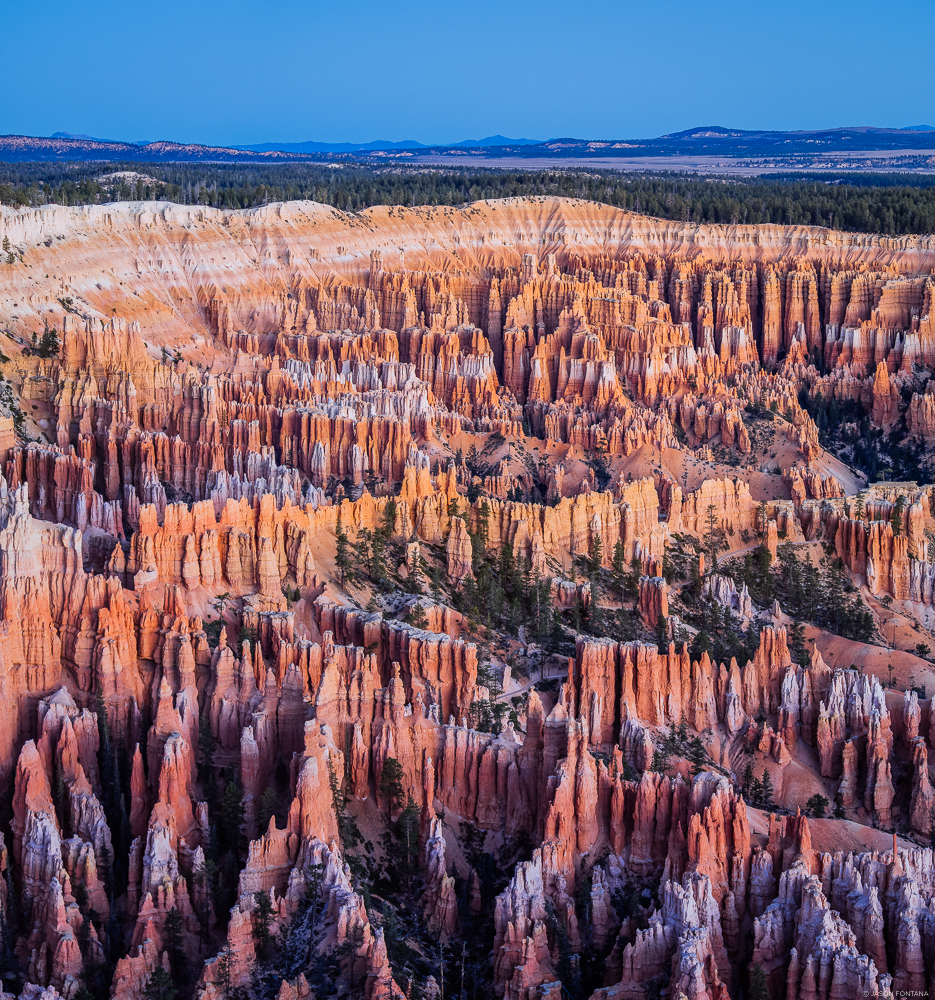
The field of spires works through repetition. Many narrow shapes fill the scene, with differences in height and light keeping the pattern interesting. The broader desert frame isolates a few large formations instead. Compare how much empty space each photograph needs to work.
A dense scene can become confusing when every detail has equal emphasis. Look for a direction, a tonal change, or a larger grouping that helps the eye move. A sparse scene has a different problem: its few subjects need enough separation and placement to justify the surrounding space.
When planning a shared trip, give these decisions a realistic window. Tell companions whether a stop will be brief or whether you want time to study the light. Agreement before the outing is better than asking everyone to wait after you have already become absorbed in the frame.
 Save
SaveA mountain can remain quiet beneath a strong sky
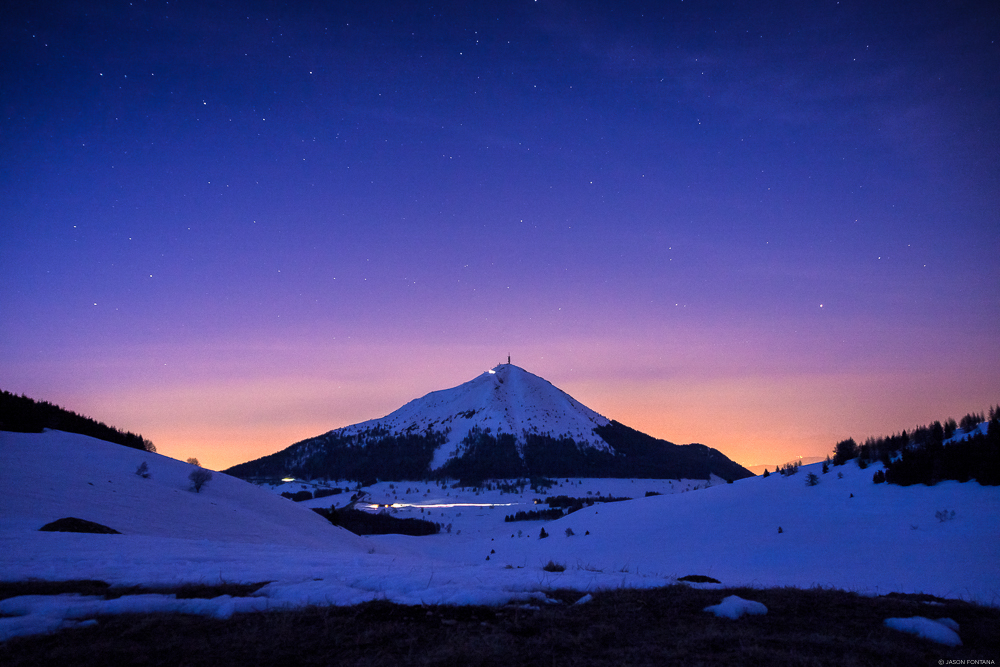
The mountain image uses a dark lower shape and a brighter twilight transition above the horizon. The snow keeps the mountain readable without making the whole foreground bright. The sky has color, but the peak still gives the frame its structure.
Watch whether a colorful sky supports or overwhelms the land. More saturation is not automatically better. The image needs a convincing relationship between the brightest area and the shape that anchors it. Review the whole frame rather than judging the sky separately.
For your own mountain outing, keep weather, access, daylight, and a safe return plan ahead of the photograph. A dramatic sky does not justify extending a route beyond your preparation. Build the photo stop into the trip instead of assuming that an attractive moment cancels practical limits.
 Save
Save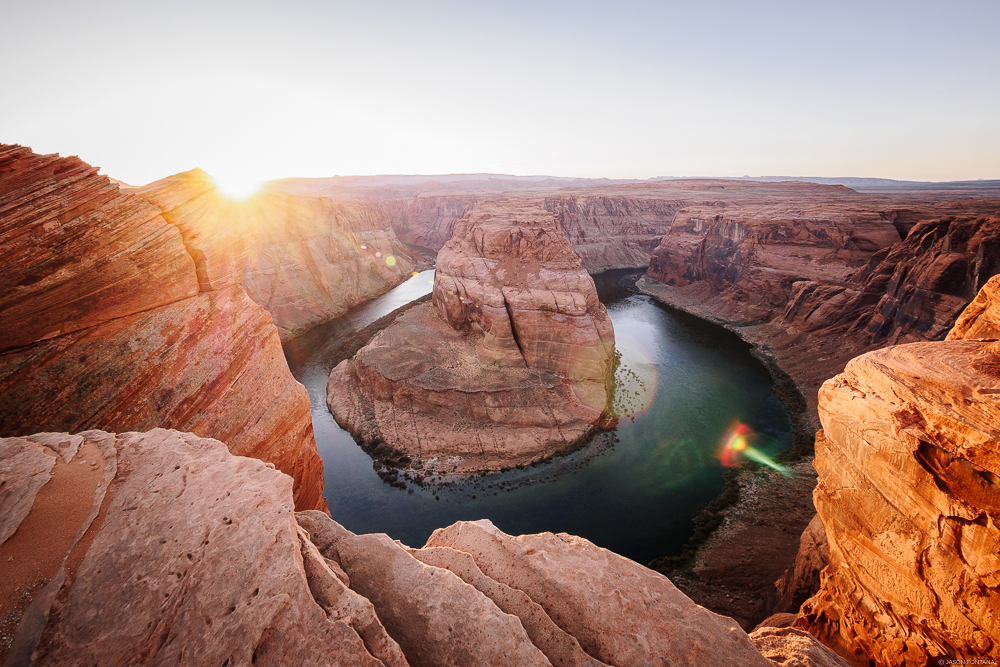 Save
SaveLayers and leading shapes
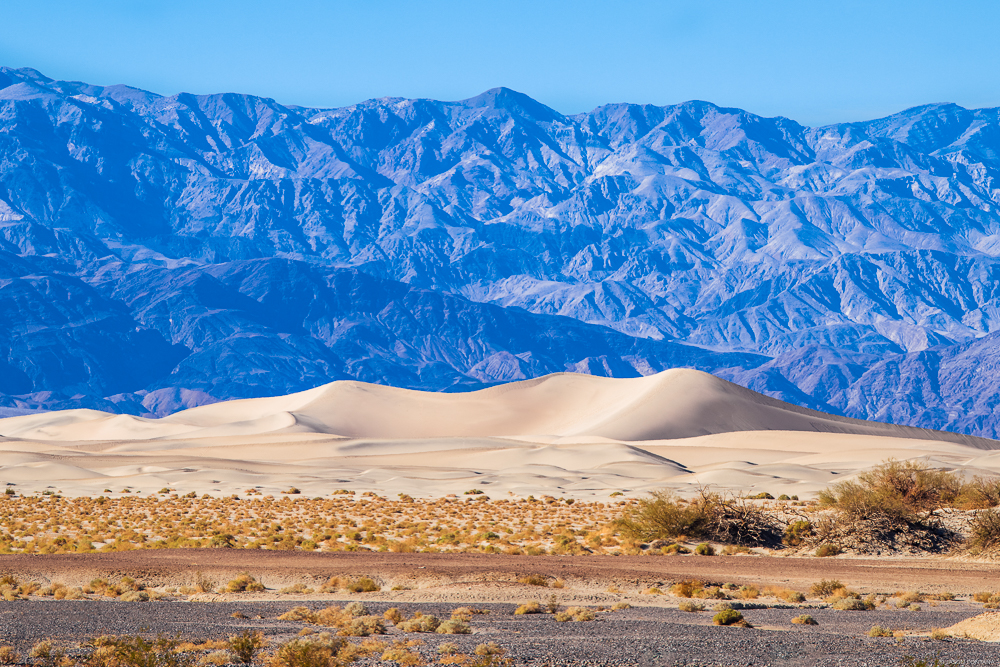
The dune photograph separates pale foreground forms from a much larger mountain background. The canyon photograph uses a curve to connect the nearer rock with the river and distant horizon. They show two ways to guide the viewer through a landscape without adding a person.
Check whether each layer has a role. A foreground can offer texture and scale, but it can also block the subject. A river curve can lead into the picture, but only if its path remains readable. Decide what you want the viewer to follow before settling the crop.
A dramatic edge in a landscape is not an invitation to stand near it. Use permitted viewpoints and barriers as intended. The composition can be studied from the image without pretending that its capture position is verified, safe, or available for a new visit.
 Save
SaveA vertical landscape changes the route through the frame
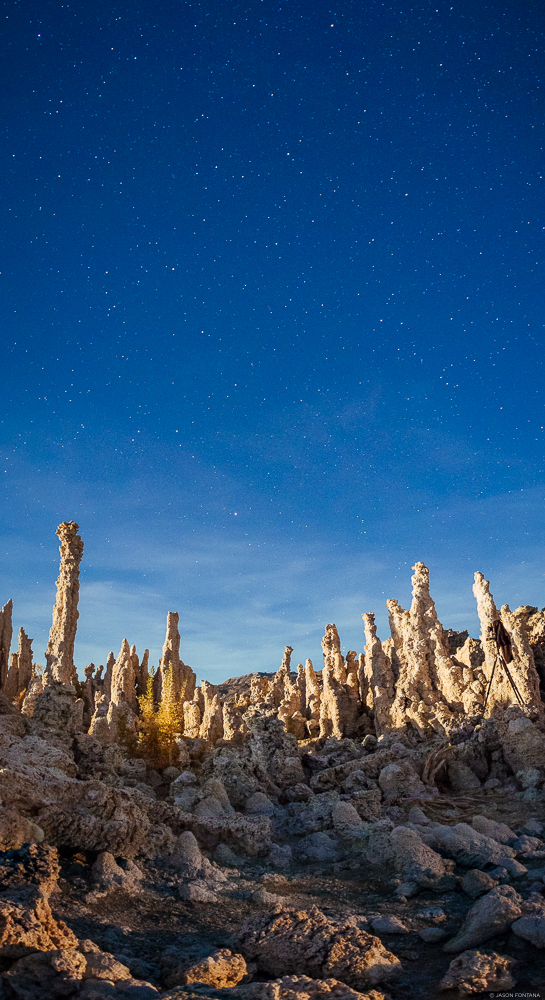
The tall formations fit a narrow composition. The eye moves upward through the rock shapes toward the sky instead of spreading across a broad horizon. The vertical format is a deliberate relationship with the subject, not only an alternative crop.
Compare the amount of sky with the foreground height. Too much sky could make the formations small; too little could make them feel cramped. In your own work, try a vertical view when the important relationships rise from near ground to a high subject.
Do not choose orientation only because a platform rewards one shape. Make a strong original composition, then consider the required outputs. If you need several formats, capture enough room deliberately rather than hoping an awkward crop will work later.
 Save
Save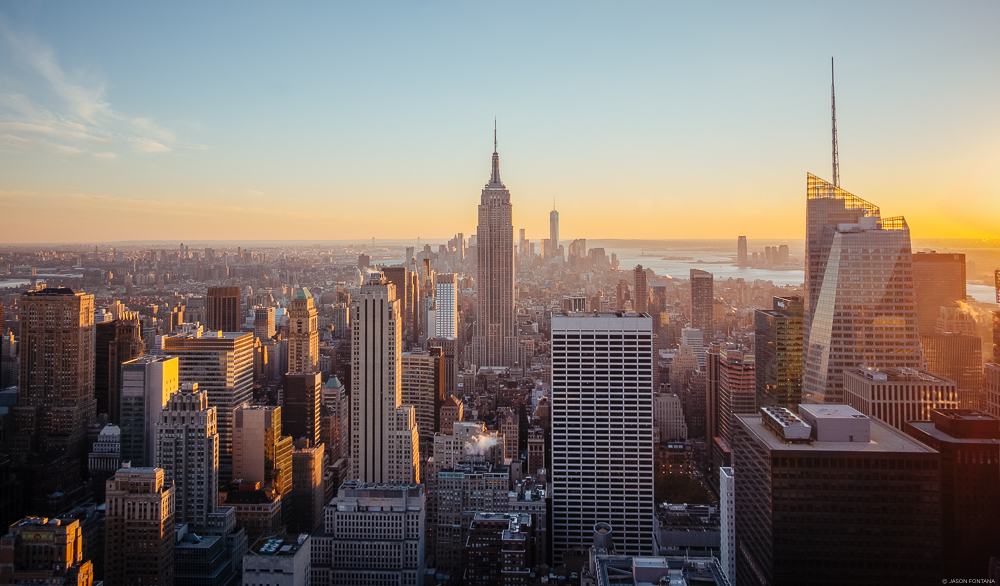 Save
SaveCity structure and the pace of a trip
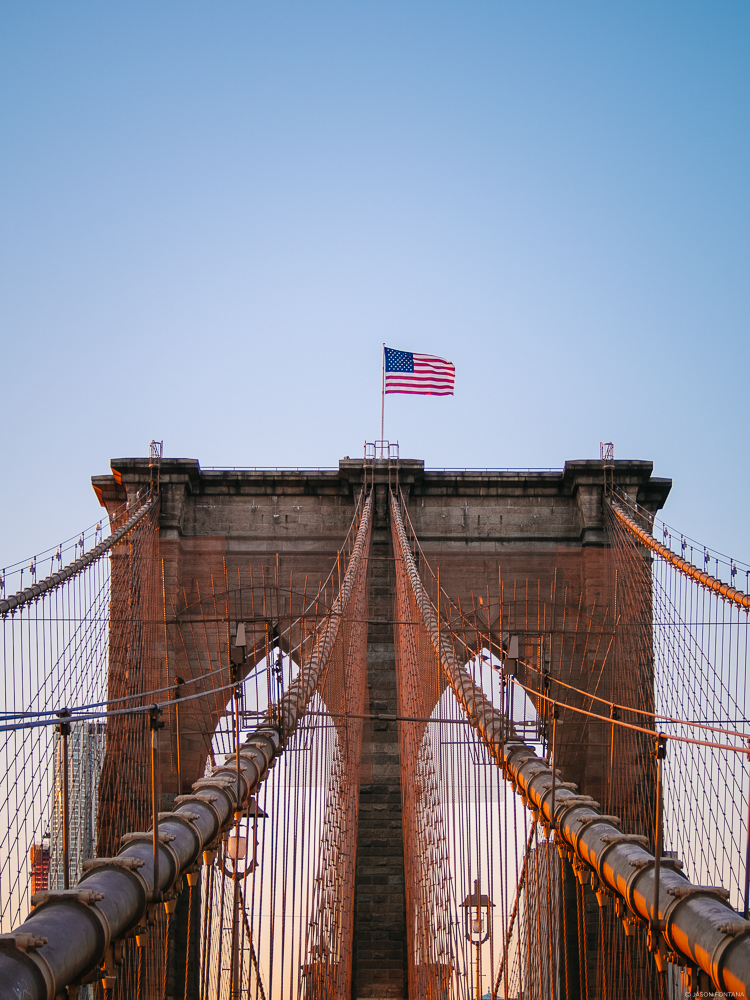
The bridge cables offer a clear route into the picture, while the skyline arranges many buildings around a taller spire. Both rely on readable structure. The viewer does not need a long caption to find the main direction or point of emphasis.
In a busy public place, work without blocking walkways or making other people part of your setup without agreement. A tripod or repeated take can change how much room you occupy. Check local rules for equipment and photography rather than assuming the historical image establishes them.
On a shared trip, decide when the camera comes away. A short agreed photo stop can keep everyone comfortable. If you want a much longer session, plan a separate photography outing or a mutually agreed break. Companions do not become assistants simply because you brought a camera.
 Save
SaveLook upward without losing the frame edges
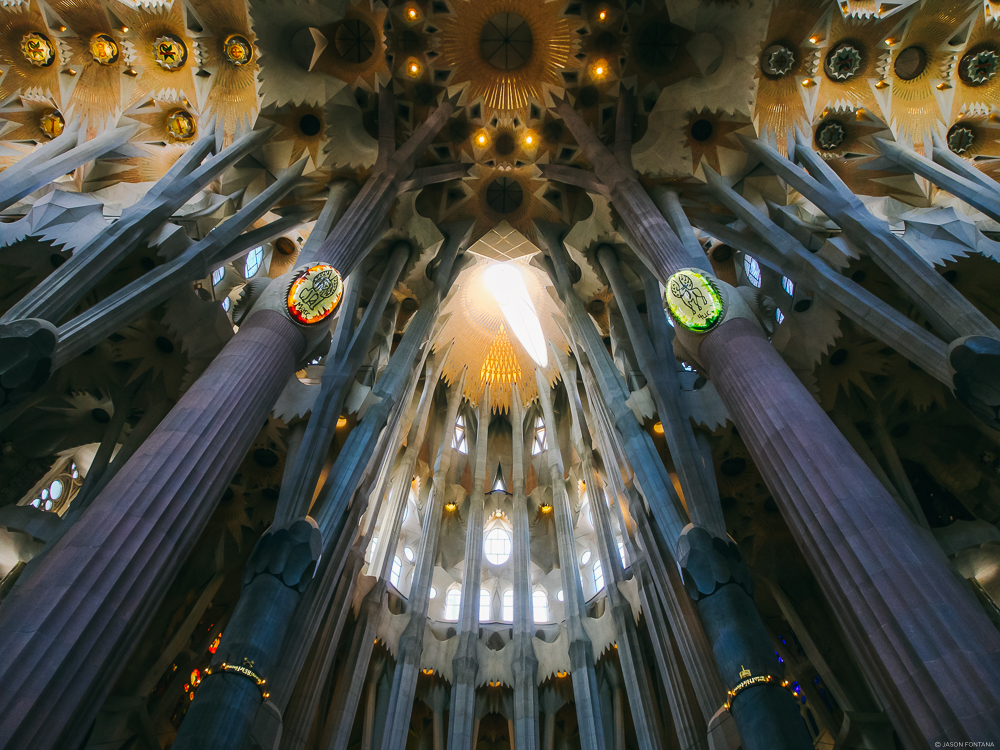
The interior image gathers columns and ceiling details into an upward view. The repeated verticals rise toward the brightest upper shapes. Color and symmetry give the frame another layer of organization, but the columns still create the main route.
An upward photograph can include accidental fragments around the edges. Check corners, cut columns, and competing fixtures before you finish. The architecture may be impressive, but a careful frame makes it easier to understand.
Verify photography rules at the actual venue. Some interiors restrict tripods, flash, or recording, and some are active religious or public spaces. Work respectfully and do not treat a portfolio image as permission to disregard a current rule.
 Save
Save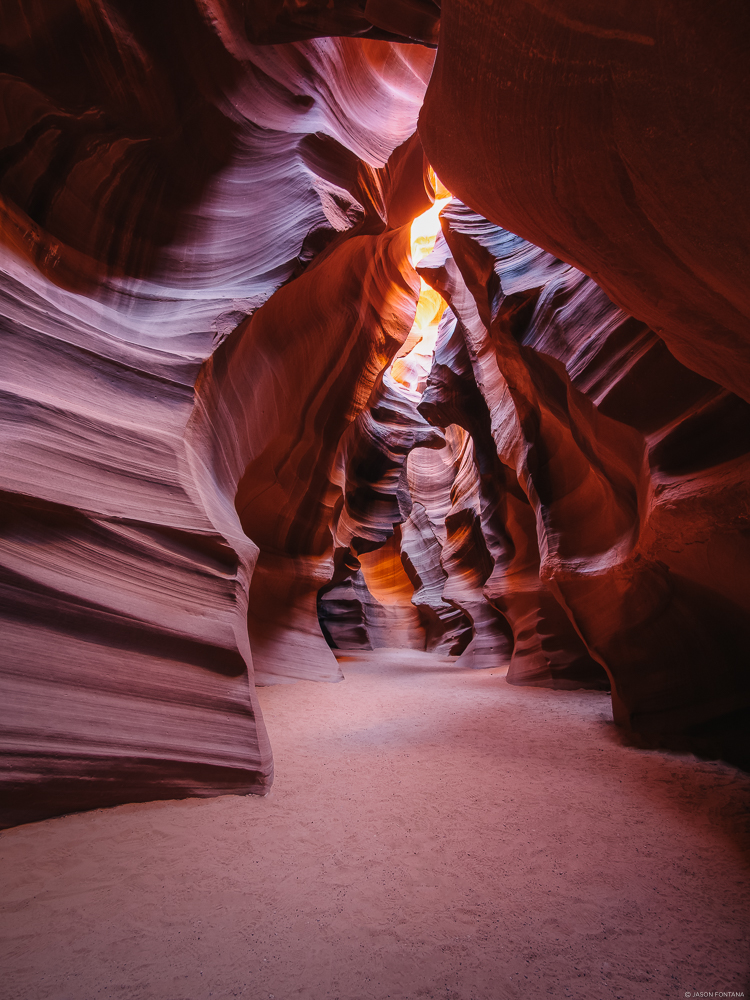 Save
SaveReflection and enclosure
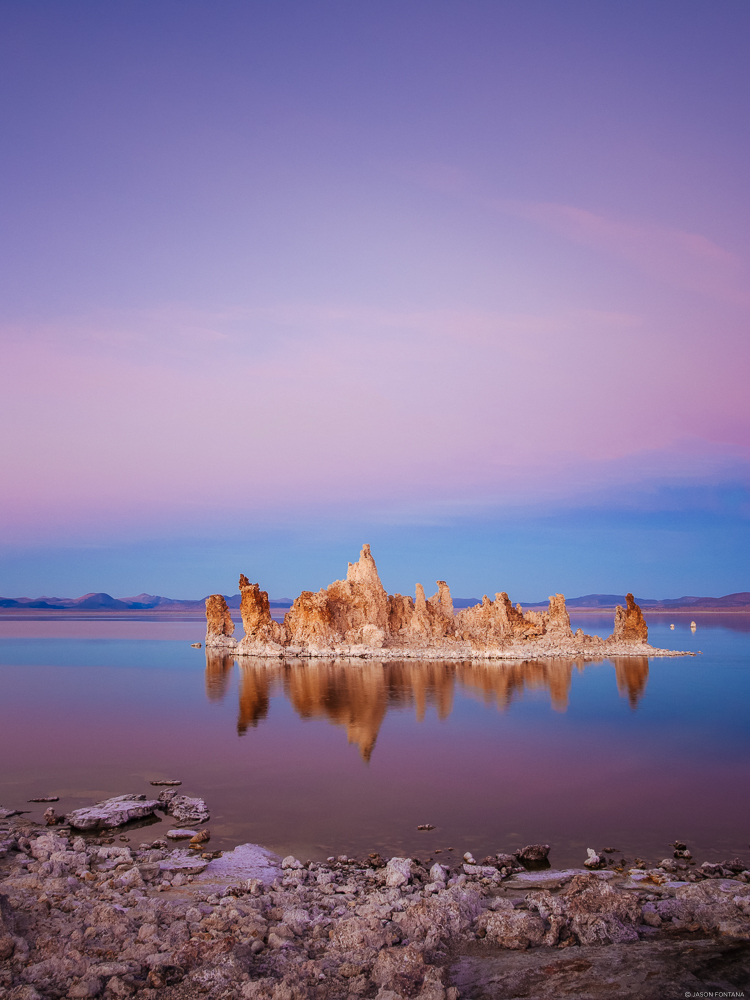
The water image gives the formations a second shape below the horizon. The canyon creates a more enclosed route through layered rock. One depends on a broad balance above and below; the other on an interior rhythm of curves and changing light.
With a reflection, check whether symmetry helps the scene or makes it passive. A shoreline detail or slight interruption can give the viewer a starting point. In an enclosed scene, check where the brightest opening sits and how the darker sides guide attention toward it.
Keep access and conditions in the real world separate from the finished photographs. A still-water frame does not establish safe footing, and a narrow canyon photograph does not establish safe weather or a legal route. Research those practical facts for your own trip before you go.
Plan a photo window people can agree to
Explain what you want before the trip: a quick record, a longer sunset stop, or a dedicated morning session. Ask what works for the people traveling with you. A clear plan avoids turning an ordinary sightseeing stop into an unannounced wait.
Keep a fallback when the light or access does not cooperate. You may choose a simpler frame, return on a separate outing, or enjoy the place without making the photograph you imagined. Flexibility is part of working well with other people, not evidence that you are less serious about photography.
Give yourself moments without the viewfinder too. The original feature’s point was that the experience matters alongside the image. A photograph can preserve a memory, but it should not replace every part of being present in the place.
Edit a travel gallery as a story
Choose images that add different relationships rather than keeping every frame of an impressive place. A skyline, a close structural detail, a broad landscape, and an interior can create variety if their light and pacing work together.
Keep captions accurate. Use a verified place name when you have it, and describe the visible subject when you do not. Do not invent settings, access arrangements, or a dramatic personal story to make the portfolio sound more complete.
Maintain originals, edits, and exports in a clear archive with an independent backup. The storage option below supports that workflow. It is not equipment attributed to Fontana or a claim about how the original photographs were captured.
To build a more deliberate approach to composition, light, and editing, explore the Shut Your Aperture Academy. Equipment and references can help you get started. Practice helps you decide what belongs in your frame, recognize distracting choices, and make an image that serves your own idea.
Frequently asked questions
Is this a current biography of Jason Fontana?
No. It is a historical 2015 feature; same-name websites were not treated as verified current identity evidence.
Are exact places and settings supplied for every image?
No. The captions describe visible subjects rather than inventing missing locations, equipment, or exposure values.
Who made the gallery photographs?
They are the original Jason Fontana archive gallery, not new photographs by Edin.
Should companions have to wait for every photograph?
Agree on photo windows before a shared trip and plan separate sessions when you need more time.
Does a portfolio image prove access is safe and allowed?
No. Check current venue rules, conditions, and safe authorized viewpoints for your own outing.
Source note: Original 2015 feature and thirteen-image archive; original artist page link could not be verified during this update. No unrelated same-name biography is imported.


