Updated Nov 2026. This is a 2014 launch announcement for a lens we have not used. The product text and affiliate links below are the original and are kept as published; our added notes follow them.
New Release. Canon EF 16-35mm f/4.0L IS USM Ultra Wide Angle Zoom Lens. Click Here for full specs and pricing.
Delivering the ultimate combination of wide-angle, low-light performance, L-series optics and compact construction, the new Canon EF 16-35mm f/4L IS USM lens is a phenomenal complement to any EOS SLR camera. This L-series ultra wide-angle zoom incorporates an Optical Image Stabilizer, and offers up to four stops of correction for admirable performance even in dim light. It features three aspheric lens elements and two UD lens elements to minimize aberrations throughout the zoom range, plus a fluorine coating that helps to minimize ghosting. A circular 9-blade aperture delivers gorgeous background blur.

The Canon EF 16-35mm f/4L IS USM features inner focusing and ring USM for accurate, discreet and speedy AF. It also offers full-time manual focus and has a minimum focusing distance of 0.92 ft./0.28m across the entire zoom range. Built to function even in unfavorable weather conditions, the EF 16-35mm f/4L IS USM is dust-resistant and water-resistant (when used with an optional Canon PROTECT filter) for professional caliber ultra-wide performance, everywhere.
[contentblock id=1 img=html.png]
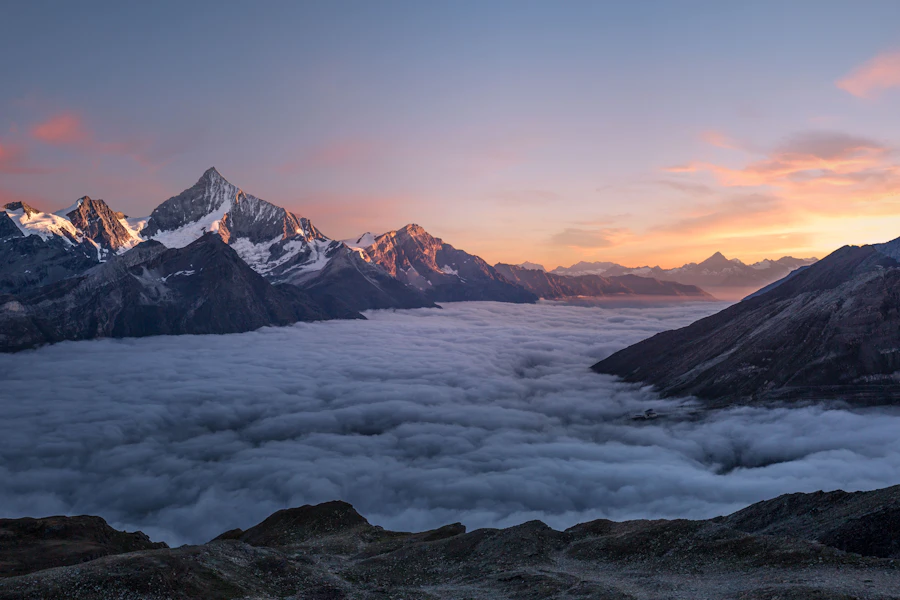
Header photo: INDU BIKASH SARKER via Pexels. Illustrative wide-angle landscape, not made with this lens.
What Canon announced in 2014
The text above is the launch announcement for the Canon EF 16-35mm f/4L IS USM, kept as it was written in 2014. This update adds context from Canon’s own material so you can see what the lens was meant to do and how a photographer might use that kind of lens. We have not used this lens. Everything about its design comes from the sources linked below, and the pictures on this page are stock images by other photographers, not test shots.
Canon announced the lens on May 13, 2014, together with the EF-S 10-18mm f/4.5-5.6 IS STM. According to the Canon press release of May 13, 2014, both were scheduled to ship in June, with estimated retail prices of $1,199.00 for the 16-35mm and $299.99 for the 10-18mm. The Canon Camera Museum entry lists the marketing date as June 2014 and an original price of 154,000 yen. Canon’s press release also says the company had just reached 100 million EF lenses produced.
The lens was a full-frame ultra-wide zoom for EOS SLR cameras. Canon’s release says it works with all EOS digital SLRs, including full-frame bodies such as the EOS 5D Mark III and EOS 6D. On a camera with a smaller sensor, the field of view is narrower, which is why photographers on crop bodies often look at lenses made for them. That is a general fact about sensor size, not a Canon claim.
The headline feature: stabilization on an ultra-wide L lens
The biggest news was the Optical Image Stabilizer. The Canon UK text in the press release calls it Canon’s first ultra-wide L-series lens with IS and describes a four-stop advantage over lenses without stabilization. Canon’s US text says the stabilizer corrects for up to four shutter speed steps, which makes handheld shooting possible in dim scenes where camera shake would otherwise be a problem.
What does four stops mean in practice? Each stop halves or doubles the light. If you can normally hand-hold a frame at a certain shutter speed, four stops of correction lets you use a shutter speed sixteen times slower, in theory. Canon notes that its figure is tested under CIPA standards, and real results vary with the person, the focal length and the subject. Stabilization helps with camera shake. It does not freeze a moving subject, so a walking person or blowing branches will still blur at a slow shutter speed.
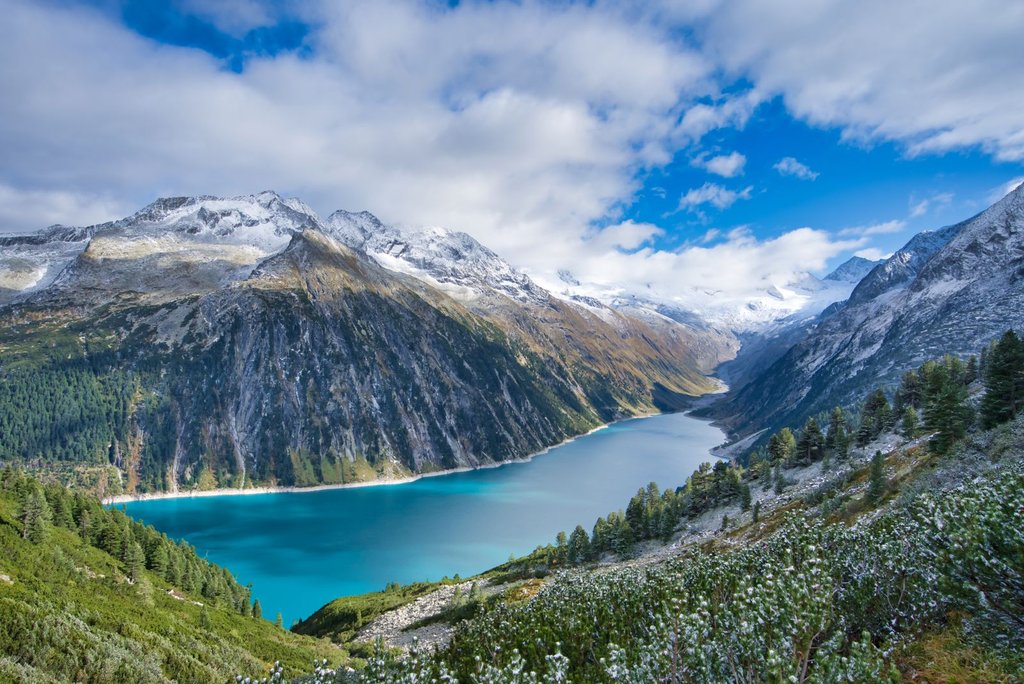
On a wide lens, stabilization is most useful indoors. Think of a church, a museum hall or a staircase, where light is low and a flash or tripod may not be allowed. The photograph below is a stock image of a modern spiral staircase. It is an example of the kind of subject where an ultra-wide lens is a natural choice, not a picture made with Canon’s lens.
 Save
Optics and build, as Canon describes them
The Canon Camera Museum entry and the Canon Europe specification page give the same core numbers. The lens has 16 elements in 12 groups, a nine-blade circular aperture, and a minimum aperture of f/22. Its closest focusing distance is 0.28 m (about 0.92 ft) and its maximum magnification is 0.23x at 35mm. It takes 77mm filters, measures 82.6 mm across by 112.8 mm long when retracted, and weighs 615 g. The Canon Europe page lists the diagonal angle of view as 108 degrees 10 minutes at 16mm and 63 degrees at 35mm.
The glass is the other part of the story. Canon says the lens uses three aspherical elements, including a large-diameter GMo (glass-molded) aspherical element, and two UD (ultra-low dispersion) elements. In general terms, aspherical elements help control distortion and other aberrations, and UD glass helps reduce color fringing. The Canon Camera Museum says the design was aimed at better correction of distortion, field curvature and astigmatism than the older EF 17-40mm f/4L USM, which it names as the comparison.
Canon also lists Super Spectra coatings to reduce ghosting and flare, and fluorine coatings on the front and rear elements that help keep dust and water drops from sticking. The autofocus uses a ring-type ultrasonic motor with full-time manual focus, and the front element does not rotate. That last point matters if you use polarizing or graduated filters, because they stay in position as the lens focuses. Canon says the lens is dust- and water-resistant when used with an optional Canon protect filter.
Canon’s launch text uses wording like “phenomenal” and “gorgeous.” Those are marketing words. Independent tests from the time are the place to look for real sharpness results, and we have not run any.
What an ultra-wide zoom is good for
A lens in the 16-35mm range does a few jobs well. The first is landscape work. A wide view lets you put a strong foreground in front of a distant ridge and show how they relate. The second is architecture and interiors, where you want to fit a whole room or a tall wall into a frame while standing close. The third is cramped places, such as a narrow street, a car interior or a small studio.
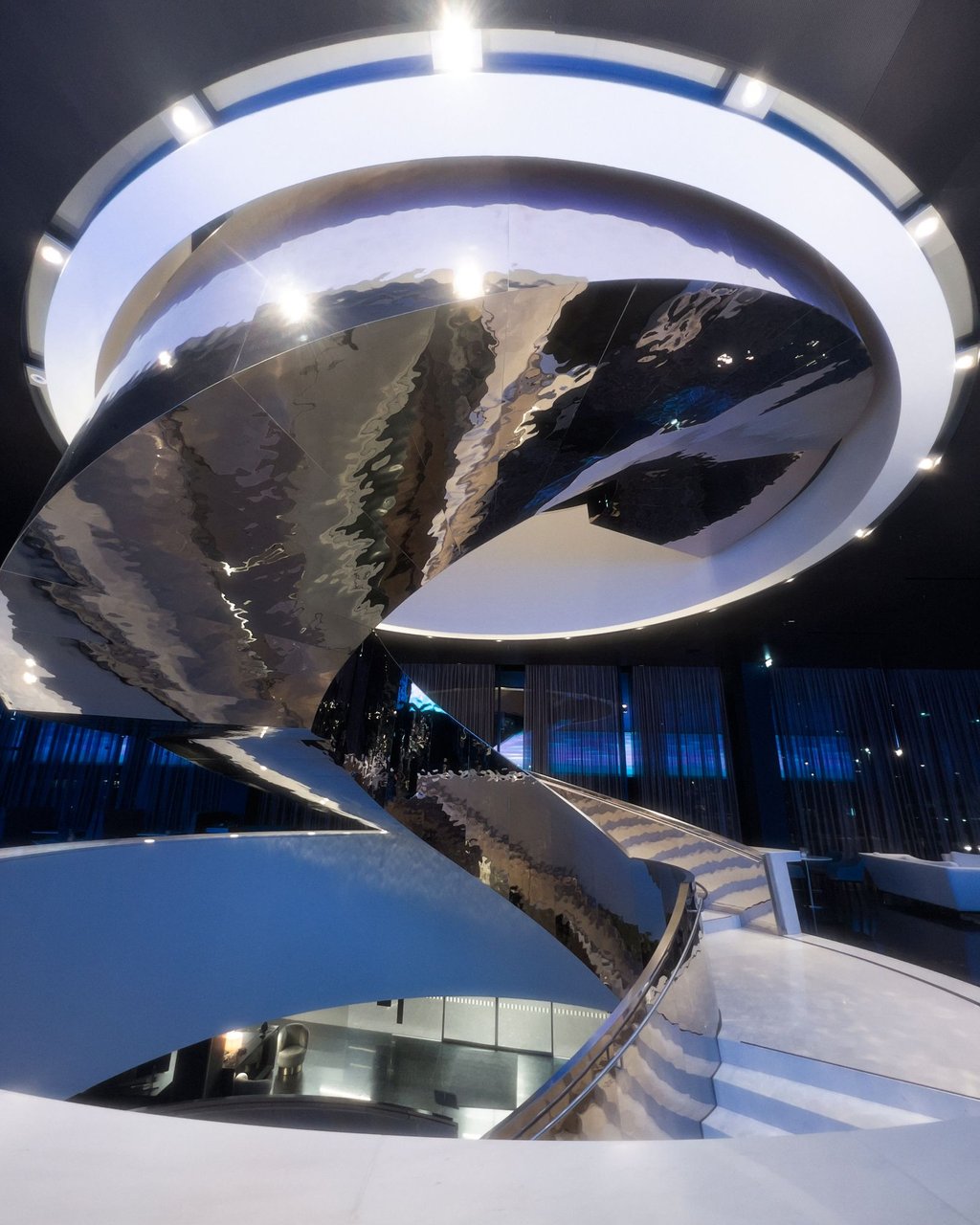
The picture below is a stock image of a mountain lake. A wide lens makes this kind of scene possible, with the water in the foreground, the slope in the middle and the peaks behind. It is not a test of any lens.
 Save
Wide lenses stretch things near the edges of the frame, especially when you tilt the camera. A building photographed from the ground with the camera pointed up will appear to lean inward. If you want straight vertical lines, keep the camera level and, if needed, shoot a little wider than you want and crop. Some editing programs also correct the lean after the fact.
Another habit worth building is to move closer. An ultra-wide lens makes distant subjects look small. If a mountain looks unimpressive in your picture, the fix is usually to find a stronger foreground and get close to it, not to zoom wider.
A closer look at close focus
The 0.28 m minimum focus distance at all focal lengths, which Canon states in its release, is a useful number. It lets you shoot objects near the front of the lens while the background stretches far behind. A flower, a stone or a texture on the ground can be the main subject, with a large landscape behind it. The 0.23x maximum magnification is not macro, but it is enough to make small objects a visible part of the frame.
Shooting the night sky with a wide zoom
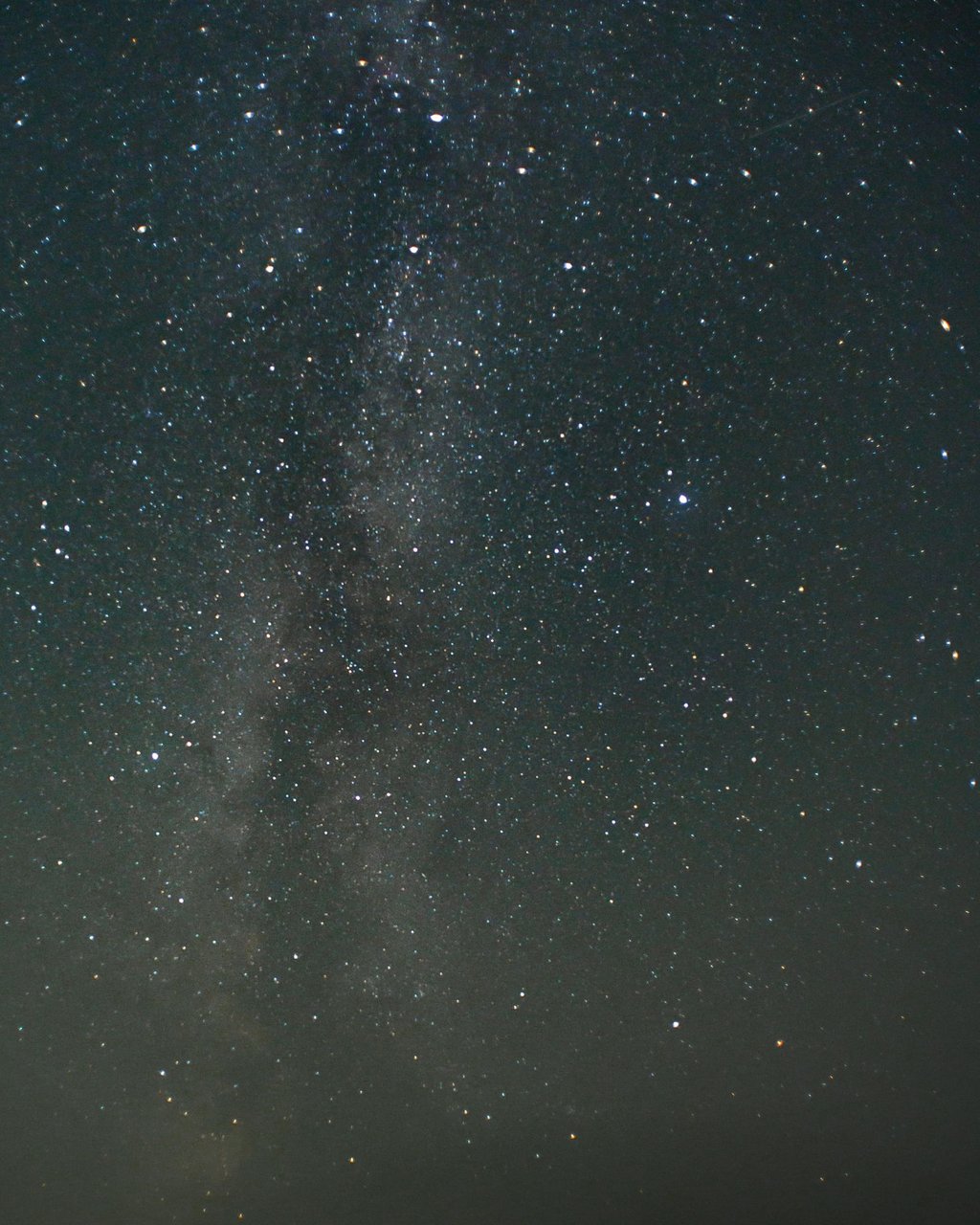
Wide lenses are popular for night photography, and that is a general point about the focal length. A wide field of view captures more sky in a single frame. An f/4 lens collects less light than an f/2.8 lens, so astrophotographers often use faster lenses and higher ISO. The sky below is a stock image of the Milky Way over a dark landscape, shown as an example of the subject, not a result from this lens.
 Save
A common rule of thumb for stars is to keep the exposure short enough that stars stay as points. Longer exposures show trails because the Earth rotates. At 16mm, an exposure of around 25 to 30 seconds is often used on full-frame cameras, though the exact figure depends on your sensor and how much you enlarge the picture. Use a tripod, and consider turning the stabilizer off when the camera is on a tripod, as many manufacturers advise. Check the lens manual for Canon’s guidance on this.
Interiors and architecture
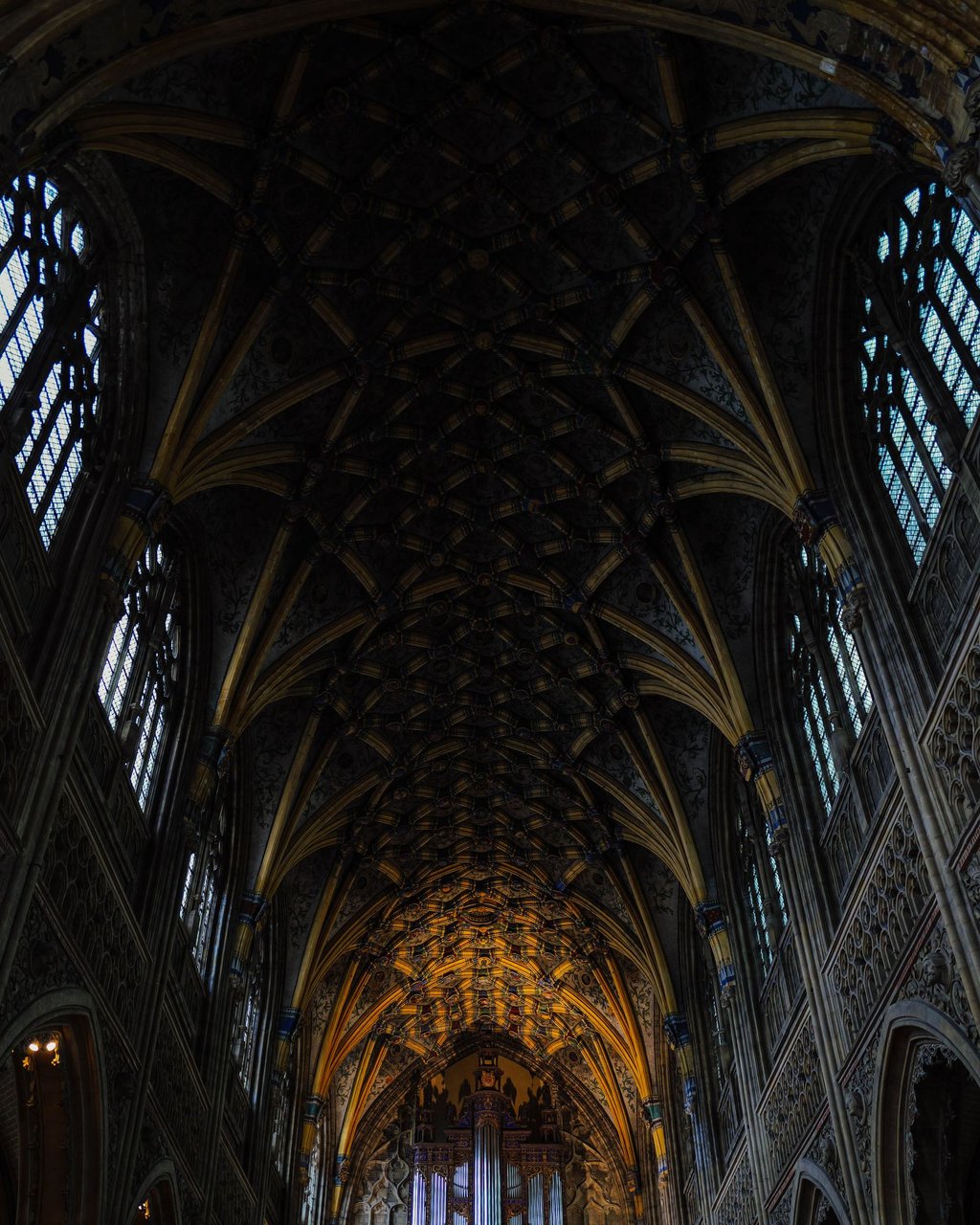
Churches and cathedrals are favorite subjects for wide lenses. The pointed arches, the ribbed vaults and the long nave all fit within one frame, and the photographer can show the whole interior. Many such buildings also have low light and limited tripod access, which is why a stabilized lens made sense for that kind of work.
 Save
A few practical tips apply to any wide lens indoors. Stand in the center of the aisle to keep the lines symmetrical. Level the camera and check the horizon. Expose for the brightest windows if you want to keep the stained glass colors, or expose for the darker areas and recover detail in editing. Raise the ISO if you need a faster shutter speed. Be respectful of the place, follow the rules about photography, and keep away from services.
Filters and the 77mm thread
The 77mm filter size is shared by many lenses. If you own other lenses with the same thread, filters can be moved between them. Wide lenses can show a dark corner, called vignetting, when thick filters or stacked filters are used, so thin filters are often recommended for ultra-wide work. A polarizer also behaves differently on a wide lens, because the sky can look darker on one side of the frame than the other. That effect is a general result of wide fields of view.
The front element does not rotate, according to Canon, which makes a polarizer easier to use. Canon also lists an EW-82 hood in the specification page, and a hood helps with flare when shooting toward the light.
Walking and forest scenes
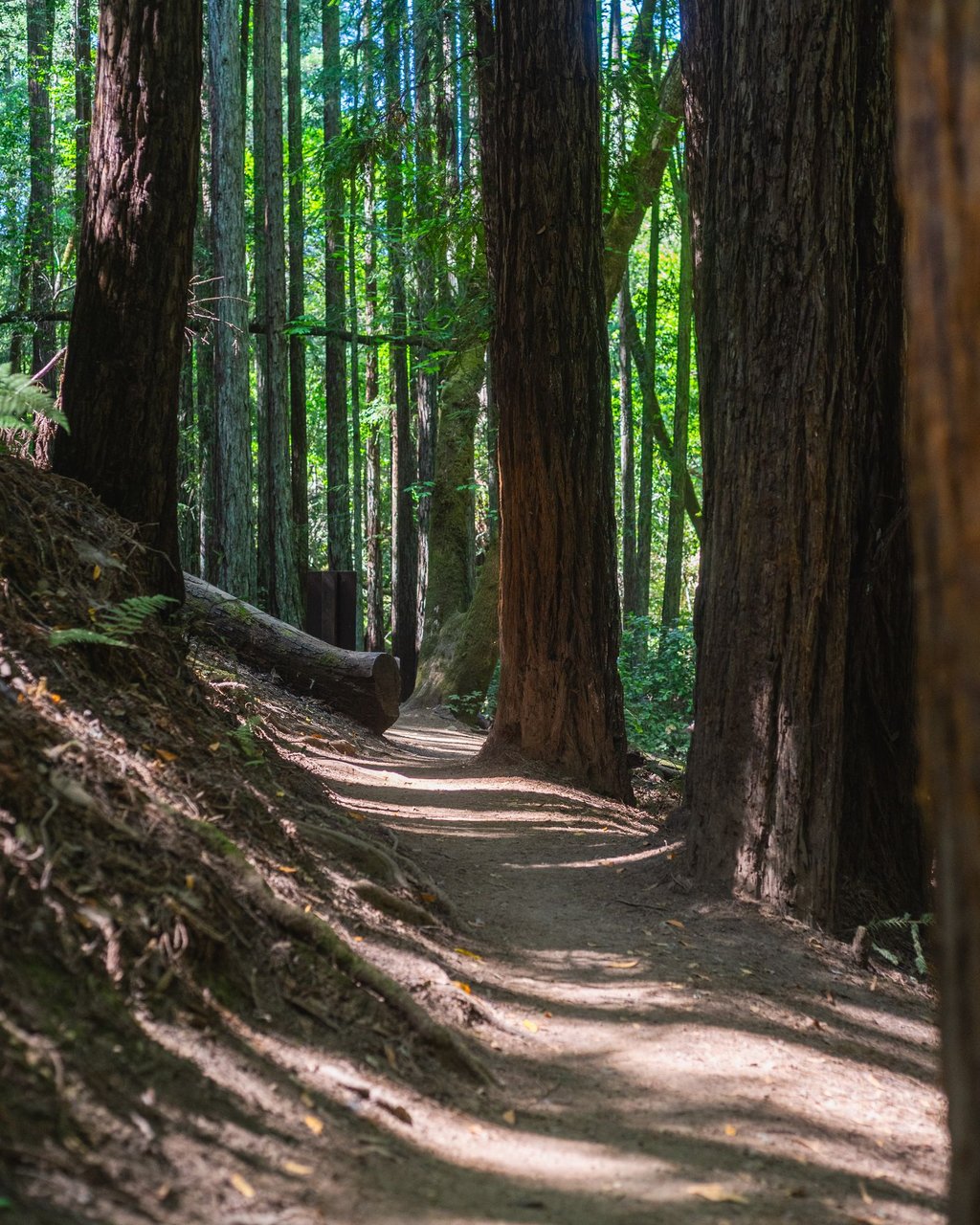
Wide lenses also suit trails and woods. A path can lead the eye from the bottom of the frame into the trees, and the trunks create strong vertical lines. The scene below is a stock image of a forest trail, used as an example.
 Save
Gear note: the lens description and the Adorama affiliate links above are the original 2014 launch text and are kept as published. We have not used this lens, and we have not checked its current price or availability. Prices, stock and product pages change, so confirm them with the retailer before you buy.
The companion lens announced the same day
Canon launched a second lens alongside this one, the EF-S 10-18mm f/4.5-5.6 IS STM, and the Canon Canada announcement covers both. The EF-S lens was made for cameras with APS-C sensors such as the EOS 70D and EOS Rebel T5i, according to the press release. Canon described it as an affordable ultra-wide zoom with its own four-stop stabilizer and a stepping motor for smooth autofocus during video. It is a useful reminder that the sensor in your camera decides which ultra-wide lenses fit your needs, and that a lens built for a smaller sensor may not suit a full-frame body.
Choosing a focal length inside the zoom
A zoom from 16mm to 35mm covers a large range of looks, and the choice of focal length changes the picture more than most people expect. At 16mm, the view is dramatic. Lines converge, near objects loom, and the background shrinks. At 24mm, the view is wide but calmer, and many photographers use it as a general-purpose wide angle for streets and rooms. At 35mm, the view is close to what the eye sees when it looks at a scene with some attention, and it suits environmental portraits and documentary work.
A good habit is to take the same scene at three focal lengths and compare. Stand in one spot, shoot at 16mm, 24mm and 35mm, and then look at the results at home. You will see how the foreground, the horizon and the space around your subject change. Then repeat the test from a closer position at 35mm. Often the closer, longer picture reads more clearly than the wide one.
A short exercise for any wide lens
Pick one place near you and spend an hour there with the widest lens you own. First, find a foreground object, such as a rock, a railing or a flower, and place it a short distance from the lens. Second, keep the camera level and check that the horizon is straight. Third, find a strong line, such as a path, a wall or a river, and use it to lead the eye through the frame. Fourth, take a second picture from lower down and a third from higher up. Review the pictures and keep the one where the foreground and the background support each other.
Reading a 2014 announcement today
A launch announcement shows how a product was described at the time. It does not tell you how the lens behaves now, how it compares with newer options, or what it costs today. The prices in the 2014 press release are launch estimates. Canon has released many lenses since then, and the used market, the current catalog and your own camera body all affect the right choice.
If you are considering any lens like this, a few steps help. Check Canon’s current product pages and the retailer’s page for availability. Read recent reviews with test charts if sharpness matters to you. Rent the lens for a weekend if you can, and shoot the scenes you care about most. Compare it with your current lenses at the same focal lengths, and check that it covers your camera’s sensor size.
Summary
The Canon EF 16-35mm f/4L IS USM was announced on May 13, 2014 as a compact ultra-wide zoom with a four-stop image stabilizer, a constant f/4 aperture, three aspherical elements and two UD elements. Its published specifications include a 77mm filter size, 615 g weight and 0.28 m minimum focus. The ideas in this page, such as getting close, keeping the camera level, using a hood and choosing your foreground, apply to any ultra-wide lens.
Frequently asked questions
When was the Canon EF 16-35mm f/4L IS USM announced?
Canon announced it on May 13, 2014. Its press release said it would be available in June 2014 at an estimated $1,199.00.
What is special about this lens?
Canon described it as its first ultra-wide L-series lens with an Optical Image Stabilizer, rated for up to four stops of correction.
What are the main specifications?
Canon lists 16 elements in 12 groups, a nine-blade aperture, f/22 minimum aperture, 0.28 m closest focus, 77mm filters, and 615 g.
Does the front element rotate?
No. Canon lists a non-rotating front element, which helps when using a polarizing filter.
Is it made for crop-sensor cameras?
It is an EF lens that works on all EOS digital SLRs, including full-frame bodies like the 5D Mark III and 6D, per Canon’s press release.
Have you tested this lens?
No. This page is based on Canon’s published material. The extra pictures are stock images by other photographers.
Is the 2014 price still current?
No. The price in the original announcement is a 2014 estimate. Check the retailer for the current price.