Updated October 2026. Photography ethics starts before you press the shutter and continues long after you export the file. Your choices affect the people in the frame, the place you visit, the photographer whose work you use, and the audience who trusts what you show. A sharp photograph is not automatically a responsible photograph.
Make strong pictures. But do not let the chase for a picture become an excuse to deceive someone, damage a place, or treat a person like a prop. This guide is a practical way to think through consent, context, editing, image rights, and publication. It is not legal advice. Laws, permits, contracts, and publication rules depend on the location and the use. Check those separately when a decision has legal consequences.
Start with the promise your photograph makes
A studio portrait, a fine-art composite, a news photograph, and a product advertisement do not make the same promise. A viewer expects a documentary photograph to describe an event that happened, not an event the photographer secretly arranged. A clearly labeled composite can be creative work without pretending to be a factual record. The ethical problem is often the gap between what you did and what the audience reasonably believes you did.
Before shooting, name the purpose. Are you documenting, illustrating, advertising, making art, or producing a personal memory? Before publishing, ask whether that purpose is obvious to the viewer. A dramatic image with a vague caption can mislead even if no pixels were added. A staged portrait can be honest when it is identified as a portrait. Labels do not excuse every harmful choice, but they prevent one important kind of deception.
The NPPA Best of Photojournalism guidelines distinguish documentary events from constructed portraits and require visual integrity. Those are journalism standards, not a ban on every creative technique in every genre. Learn the rules of the assignment, publication, or competition before you shoot. Do not assume your personal editing preferences meet someone else’s standard.
 Save
Consent is a conversation, not a camera setting
Legal permission to take a photograph is not the same thing as an ethical reason to take it or a right to use it in every way. A person may be comfortable appearing in a travel photograph but not in a commercial campaign. Someone may agree to a portrait without understanding that the photograph will be searchable online for years. Explain the intended use in language the person can understand.
For a planned portrait, discuss where the images will appear, who can access them, and whether the work is personal, editorial, or promotional. Set reasonable expectations about delivery and selection. Do not promise control over every future copy if you cannot provide that control. When a release is needed, use an appropriate document and get qualified advice for the use and location. A signature does not replace respectful behavior during the shoot.
Listen to hesitation. If a subject becomes uncomfortable, stop and talk rather than trying to push through with compliments. Give people room to decline. Avoid placing them in a position where payment, employment, a relationship, or a crowd makes refusal difficult. A willing subject should not need to keep defending a boundary you already heard.
Street photography needs judgment, too. A wide public scene is different from a close image of someone in distress. Think about recognition, exposure, dignity, and the likely consequences of publication. Do not turn a private struggle into entertainment because it happened within reach of your lens. For practical framing and timing, see our street photography tips, but keep the person more important than the composition.
Give vulnerable people extra care
Children, people experiencing illness or grief, and people whose visibility could put them at risk deserve extra thought. Ask what the photograph reveals beyond the face. A school name, uniform, street sign, document, or location tag can identify someone even when the caption does not. A visually interesting detail can carry information the subject did not intend to share.
Do not treat guardian permission as the end of the conversation when photographing a child. Work in an appropriate setting, respect the child’s discomfort, and follow applicable safeguards. Avoid humiliating or sexualized framing. Where the image could expose someone to a real risk, seek qualified guidance and consider whether taking or publishing the image is necessary at all.
The NPPA code calls for respect and dignity and special consideration for vulnerable subjects. It recognizes that intruding on private grief requires an overriding, justifiable public need in journalism. That is a demanding test, not permission to publish whatever gets attention. For a personal portfolio or casual social post, the case for intrusion is usually very different.
Do not manufacture a candid moment
You can direct a portrait. You can arrange a still life. You can build a fictional scene. What you should not do is present those choices as spontaneous evidence of something that occurred naturally. Asking someone to repeat an action for the camera changes the event you are documenting. Moving an object can change the apparent meaning of a place.
If you need an illustration, make an illustration and identify it clearly. If an assignment requires documentary truth, do not quietly solve a weak composition by rearranging the scene. The NPPA competition guidelines prohibit adding, moving, or removing objects and staging situations in documentary work, while allowing constructed portraits when identified as such.
Also consider how your presence affects the scene. Blocking a doorway, interrupting a game, or provoking a confrontation to get a reaction is not neutral observation. Step back. Choose another angle. Sometimes the responsible choice means missing the frame. A photograph is not worth making someone else’s day worse just to increase the drama.
 Save
Edit for the genre, and disclose changes that matter
There is no single ethical editing rule for every photograph. A personal artwork may include a replaced sky or a combined exposure. A news publication may prohibit changes that remove objects or alter the scene. A competition may have very specific processing limits. Read those limits rather than assuming that an adjustment is allowed because the software makes it easy.
For documentary work, preserve content and context. Normal tonal adjustment is not a license to hide a person, darken a background until evidence disappears, or crop away information that reverses the meaning. A crop can mislead without adding a single pixel. Check what your finished image implies, not merely which sliders you touched.
For creative work, describe substantial constructions when the audience could mistake them for an unaltered record. A simple description such as “composite” can be more useful than a long technical explanation. If generative tools add or replace content, do not pass the result off as a straightforward photograph of an event. Check the publisher’s rules, too. Disclosure may be required, and some uses may be prohibited altogether.
Portrait retouching needs its own conversation. Removing a temporary distraction is different from changing someone’s body without asking. Discuss the intended look, avoid imposing your idea of what the subject should look like, and do not sell a heavily altered result as proof of a product’s performance. Keep originals and working files so you can explain important changes when appropriate.
 Save
Write captions that tell the truth
A photograph cannot carry every fact by itself. A caption can explain the date, place, relationship, purpose, and limits of what the frame shows. It can also mislead. Do not guess a person’s emotion, occupation, income, beliefs, or identity from appearance. If a detail is uncertain, leave it out or state the uncertainty plainly.
Avoid using a convenient photograph to imply that the people pictured did something they did not do. An illustrative image next to a story about crime, poverty, or misconduct can attach a claim to a recognizable person. Make the illustrative use clear, choose appropriate imagery, and think through the harm even when a license permits publication.
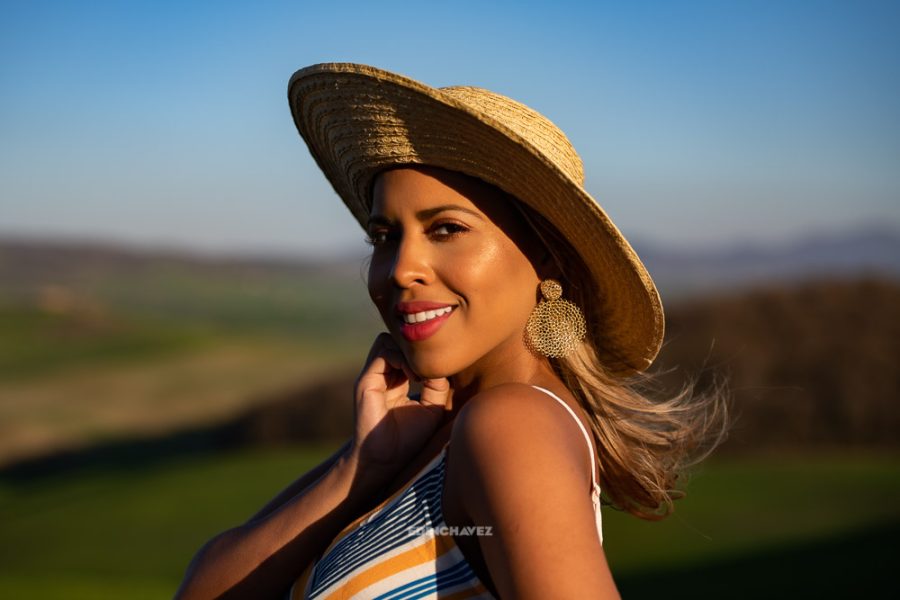
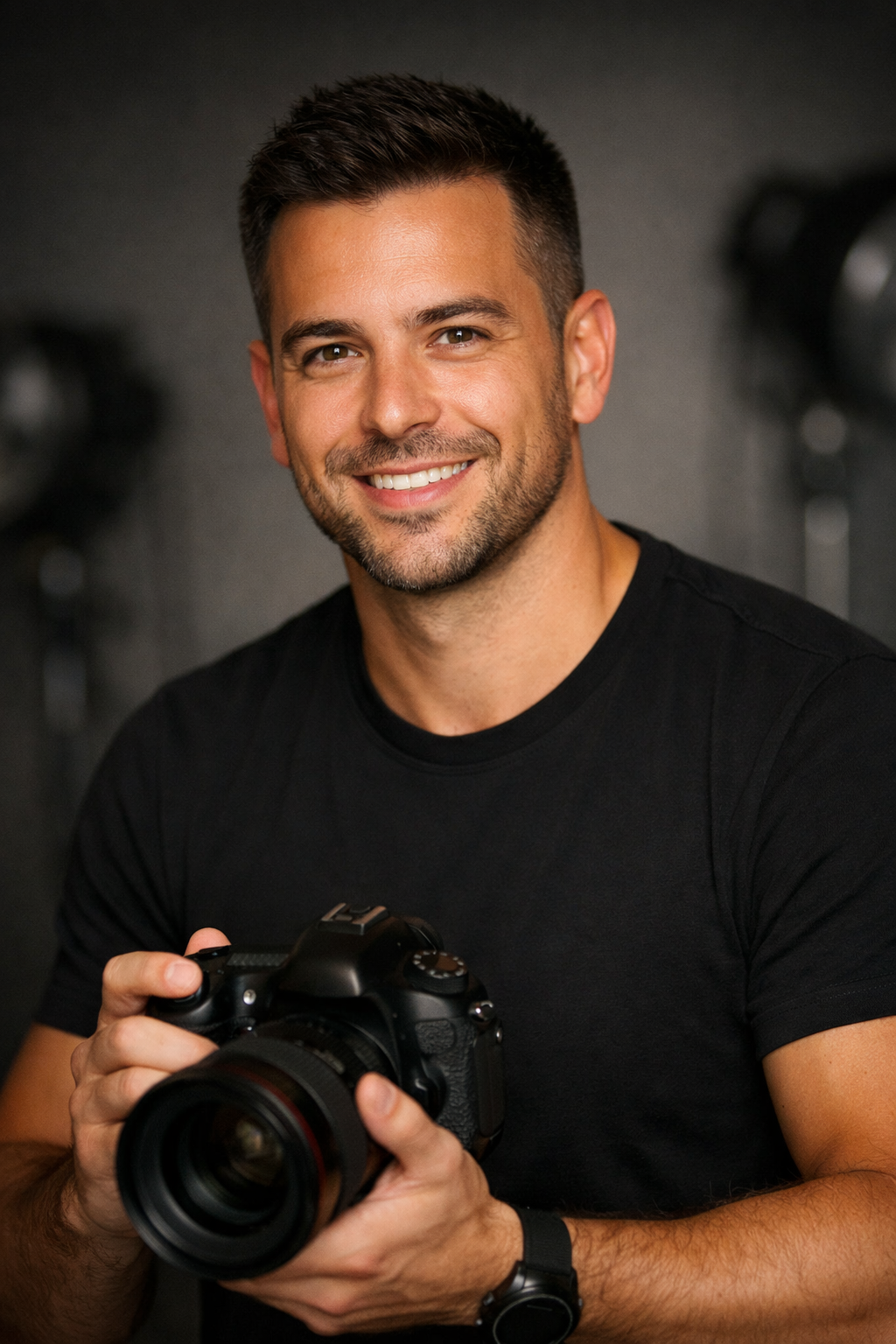
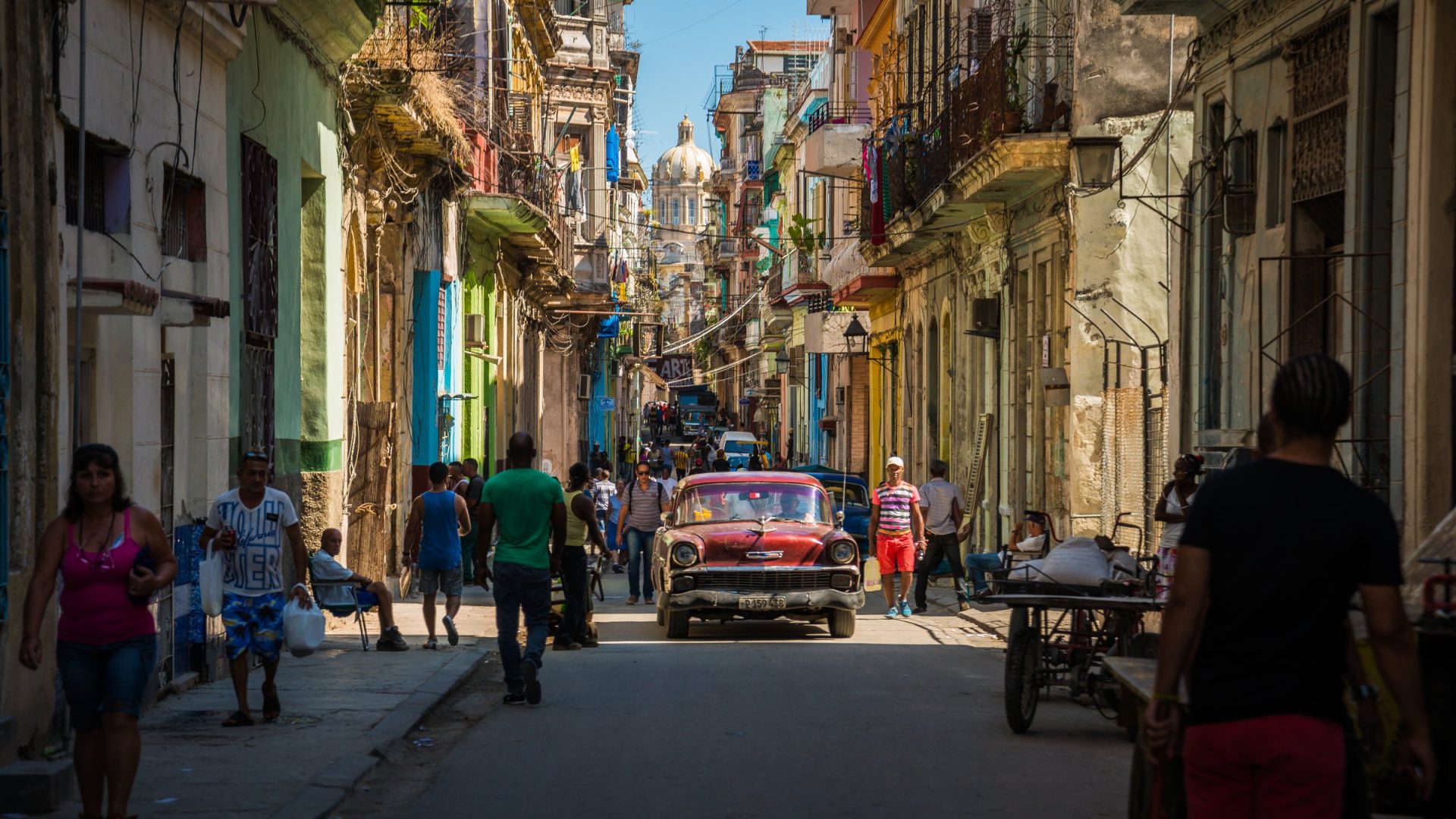
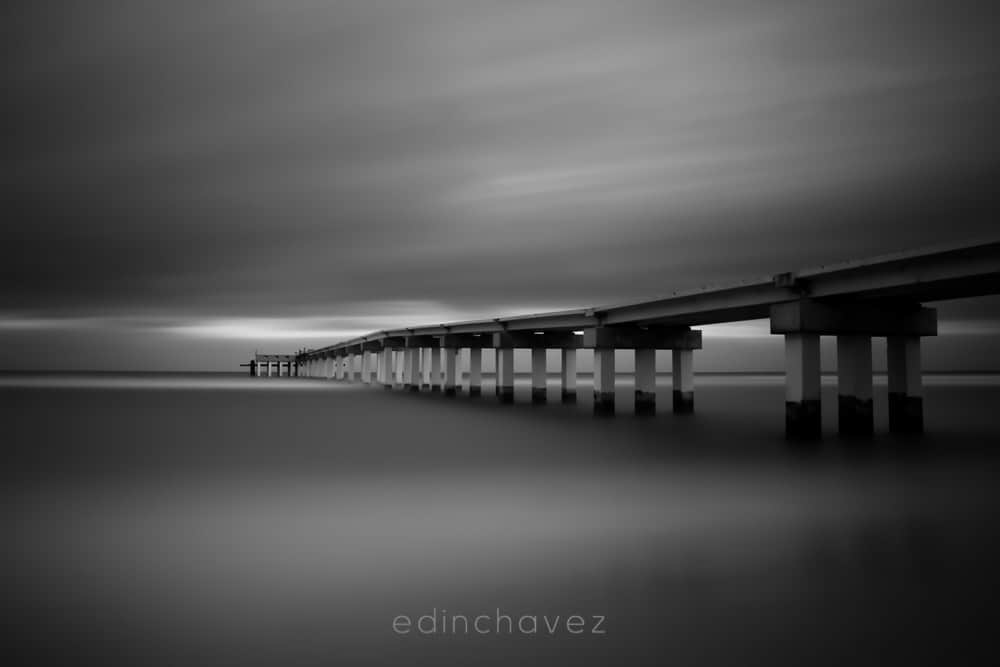
The photographs in this guide illustrate street, portrait, and landscape contexts. They are not evidence of unethical conduct by the people pictured. This distinction matters in your own work as well. A photo library is not a supply of faces to attach to any dramatic topic.
For nature photographs, the NANPA ethics guidance stresses truthful disclosure of field conditions. Do not present a captive animal as wild or a controlled scene as an untouched encounter. A beautiful picture can still be honest about how it was made.
Inspiration is not the same thing as image rights
The old shortcut “anything similar is plagiarism” is too broad. Photographers can study light, timing, framing, and established techniques without owning those ideas. In the United States, the Copyright Office explains that copyright does not protect ideas, concepts, or methods, though it may protect their expression. Ethics and copyright are related, but they are not identical tests.
Study why an image works, then make your own choices. Do not claim another photographer’s picture as yours. Do not remove a watermark and repost the file. Do not assume a small alteration makes reuse safe. Downloading a photograph from a search result does not establish a license, and a credit line is not a substitute for permission or another valid legal basis.
The U.S. Copyright Office’s photographer guidance says original photographs are protected from the moment they are fixed. It also describes ownership exceptions such as work made for hire. That means “I paid for the shoot” and “I own every right” are not automatically the same statement. Read your agreement and get qualified advice when ownership or reuse is disputed.
For licensed photographs, check the actual terms: permitted use, audience, modifications, commercial restrictions, and any attribution requirement. Save the license and a record of where the file came from. If the terms do not fit your intended use, choose another image. Do not build a publication workflow around hoping nobody notices.
Respect places, wildlife, and the people who live there
An epic location does not belong to your camera. Learn the rules before visiting, stay within permitted areas, and avoid damaging vegetation or structures for a better angle. Do not move wildlife, disturb nesting animals, or encourage other photographers to crowd a sensitive place. Your footprint includes the people who may follow your post.
Nature First’s principles put nature’s well-being before photography and encourage learning about places, considering impacts, following rules, and using discretion when sharing locations. Apply that thinking before posting exact coordinates. A broad regional description may be enough when a fragile site could suffer from increased attention.
In communities, respect homes, businesses, ceremonies, and daily routines. Do not block someone’s work to stage your travel story. Ask before entering a private space. If a place has restrictions, verify them locally rather than following an old social-media tip. A photograph that requires crossing a boundary is not automatically worth taking.
 Save
Use a five-question check before publishing
- Truth: Does the image and caption imply something that did not happen?
- People: Could the use expose, humiliate, or misrepresent someone?
- Permission: Do the subject agreement, image rights, and location rules fit this use?
- Impact: Could sharing the frame or location harm a person, place, or animal?
- Accountability: Can I explain my choices plainly without hiding an important detail?
If one answer makes you uncomfortable, pause. Ask a knowledgeable editor, colleague, or legal professional where appropriate. Reduce the disclosure, revise the caption, choose another photograph, or do not publish. Responsible photography is a series of decisions, not a badge you award yourself after one good intention.
If you make a mistake, correct it where the audience can see the correction. Do not quietly leave a false impression circulating because the post performed well. Keep records of consent, licenses, edits, and delivery agreements where appropriate, and protect those records from unnecessary exposure.
For more practical shooting and editing tips, visit the Shut Your Aperture Academy. Technical skill and ethical judgment should grow together. Better light does not fix a misleading caption, and better equipment does not replace respect.
Photography ethics questions
Is it always ethical to photograph someone in public?
No. Public visibility does not settle dignity, vulnerability, intended use, or local law. Consider the situation and likely effect of publication, especially for close images of distress or sensitive personal information.
Is photo editing unethical?
Not automatically. The genre, assignment rules, and viewer expectations matter. Documentary editing must preserve content and context. Creative composites should not be presented as unaltered records of real events.
Does credit let me use someone else’s photograph?
No. Credit is not a substitute for permission, a suitable license, or another valid legal basis. Check the actual terms before using the image.
Is using another photographer’s idea copyright infringement?
Not automatically. U.S. copyright does not protect ideas or methods, but it can protect a photograph’s expression. Avoid misrepresenting authorship and seek qualified advice about specific disputed uses.
Should I share exact locations of every landscape photo?
No. Consider fragility, wildlife, rules, access, and the effect of increased visits. Nature First encourages discretion when sharing locations.
Simple gear, responsible choices
Nikon NIKKOR Z 40mm f/2
For Nikon Z users researching a small normal prime for portraits and everyday scenes, this is one option to compare. It is not an F-mount DSLR lens, and its view is tighter on DX than FX. Keep the lens you already own if it does the job. No purchase makes a difficult ethical decision for you.
Affiliate links may earn a commission. Verify current availability, price, compatibility, and seller terms before buying.
Professional ethics references are linked above. Copyright discussion is U.S.-specific; local law and publication rules may differ. Images are illustrative, not examples of misconduct.