Photographers get stopped, questioned, and sometimes arrested for doing something the Constitution protects: taking pictures in public. This guide lays out what the First Amendment actually covers when you have a camera in your hand, where the limits are, and what to do if an officer orders you to stop. Everything below is drawn from the American Civil Liberties Union’s published guidance for photographers, linked at the end.
This article is general information, not legal advice. Laws vary by state and situation, so talk to a licensed attorney about your specific case.
Your right to photograph in public
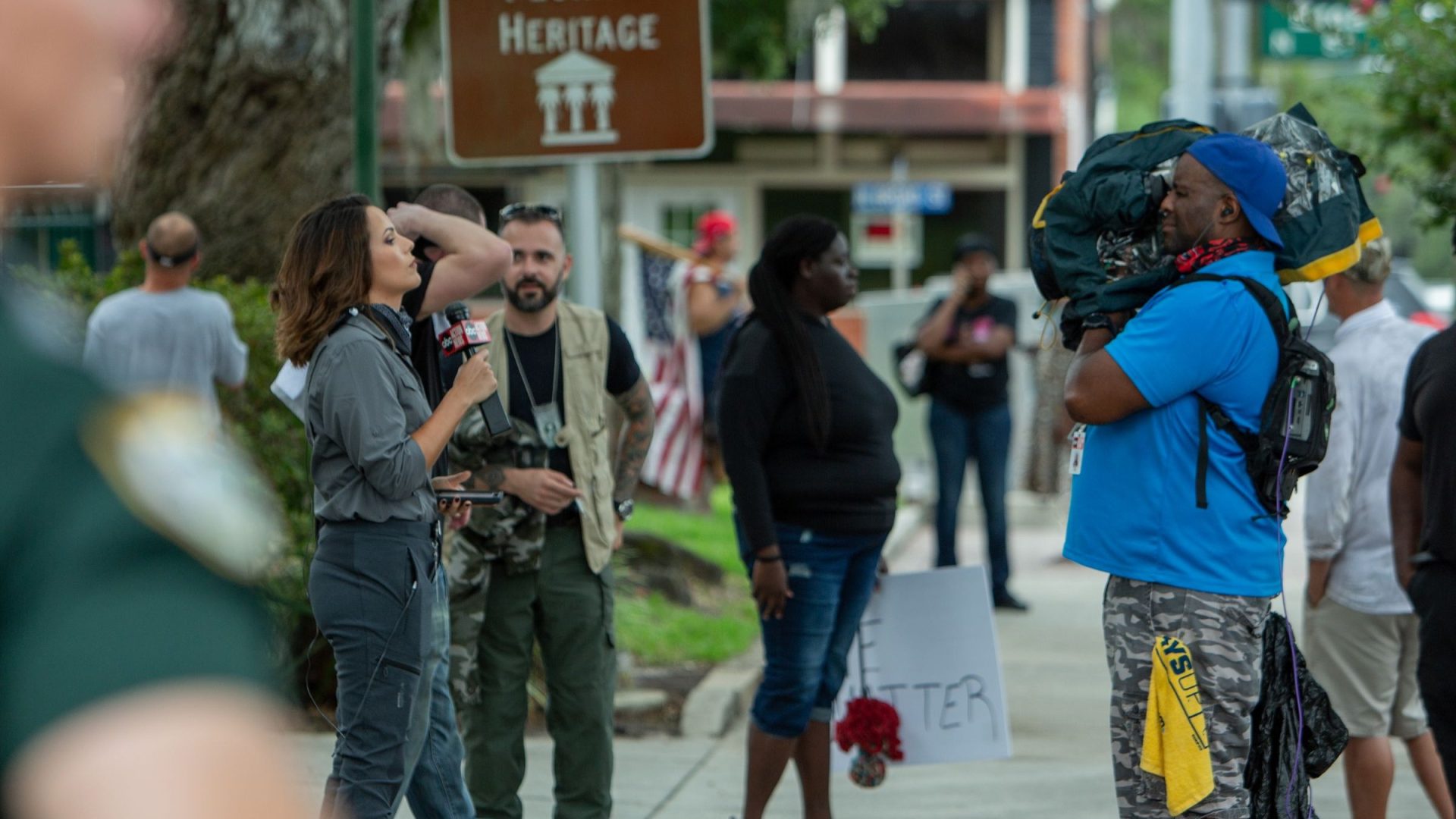
When you are in a public space where you are lawfully present, you have the right to photograph anything in plain view. According to the ACLU, that includes federal buildings, transportation facilities, and police officers and other government officials carrying out their duties. This kind of photography is a form of public oversight, and courts treat it as protected expression.
That right matters in practice because officers across the country have ordered people to stop shooting in public places, and those who refused have been harassed, detained, or arrested. Knowing the rule before it happens is the whole point of this guide.
Private property plays by different rules
The First Amendment limits the government, not private owners. When you are on private property, the owner sets the rules about photography. If you ignore those rules, the owner can order you to leave, and you can be arrested for trespassing if you refuse. The right to photograph never excuses breaking another law: trespass to get the shot and you can still be charged with trespass.
If police stop you while you are shooting
The ACLU’s guidance is specific on the points photographers get wrong most often:
- Police may not confiscate your camera or demand to view your photos or video without a warrant. The Supreme Court ruled in Riley v. California (2014) that police cannot search your cell phone when they arrest you unless they get a warrant. The Court did not rule specifically on standalone cameras, but the ACLU’s position is that the Constitution broadly prevents warrantless searches of your digital data. Courts may allow temporary seizure of a camera in narrow emergencies, such as saving a life or preventing destruction of evidence while police seek a warrant.
- Police may never delete your photographs or video. Officers have faced felony charges for evidence tampering, obstruction, and theft after taking a photographer’s memory card.
- Police can order you to stop only if you are truly interfering with legitimate law enforcement operations. Standing nearby and recording is not interference.
If you are stopped, stay polite and never physically resist. Ask one question first: “Am I free to go?” If the officer says yes, walk away calmly. If the answer is no, you are being detained, and detention requires reasonable suspicion that you have committed, are committing, or are about to commit a crime. Until you ask, the stop is treated as voluntary. If you are detained, politely ask what crime you are suspected of, and remind the officer that taking photographs is a First Amendment right, not reasonable suspicion of a crime.
Filming is protected too, but audio adds a wrinkle
A visual record is fully protected, but some states regulate the audio portion of a recording under wiretapping laws written to ban bugging private conversations. In one-party-consent states you can record your own interaction with an officer because you are one of the parties. In all-party-consent states, the question is whether the conversation carries a reasonable expectation of privacy, and no state court has held that police officers performing their duties in public have one. The ACLU’s position is that laws banning the recording of public officials’ public statements violate the First Amendment. Because consent laws differ by state, check the rule where you are shooting before you rely on it.
Airports and TSA checkpoints
The TSA says photography is permitted in and around airport security checkpoints as long as you are not interfering with the screening process. The TSA asks that its security monitors not be photographed, though the legal basis for that request is unclear when the monitors are in plain view of the public. Local airport rules can add restrictions of their own, so if someone tells you that you cannot shoot, ask what legal authority the rule rests on.
If you are arrested
Stay calm, keep your hands visible, and do not physically resist, even if you believe the arrest is wrong. Say that you wish to remain silent and ask for a lawyer. Do not argue the case on the sidewalk; the place to fight a bad arrest is in court with an attorney.
Sources and further reading
Working with people in front of your camera raises different questions than working around law enforcement. When you are ready for that side of the craft, see our guide to portrait photography.


